This audio is auto-generated. Please let us know if you have feedback.
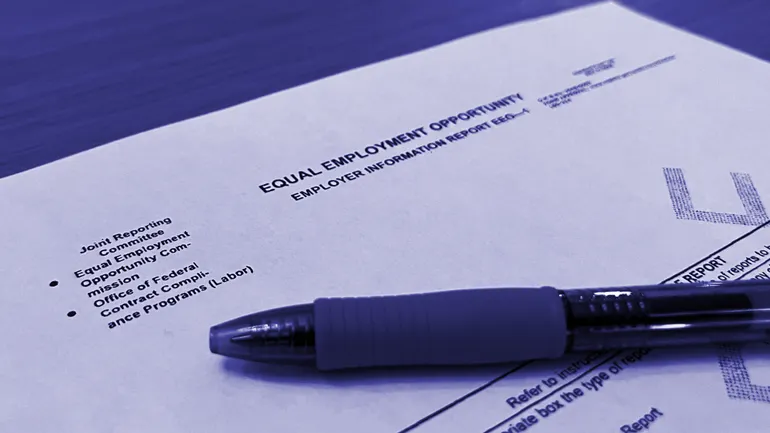
The U.S. Equal Employment Opportunity Commission’s steps to discontinue EEO-1 demographic data reporting may be unprecedented, but that should not lead HR teams to scrap processes for complying with the requirement, attorneys told HR Dive.
EEOC submitted a proposal to end collection of a suite of EEO data reporting to the White House last month. The agency provided few additional details, but the change would also affect reporting requirements under federal employment laws like Title VII of the 1964 Civil Rights Act. Regulatory review of the proposal concluded June 9, according to Office of Management and Budget records.
The EEO-1 program dates back to 1966, just two years after Congress’ passage of Title VII, which created EEOC. That longevity makes the prospect of ending the reports a surprising one, said Kara Govro, principal legal analyst at HR technology vendor Mineral Mitratech. But so far, she’s heard little discussion from employers about the news.
“I don’t think we’ve gotten a ton of questions about it, which makes me think it’s not hitting the news that hard,” Govro said. “My feeling is that employers are not getting wound up about this one way or another.”