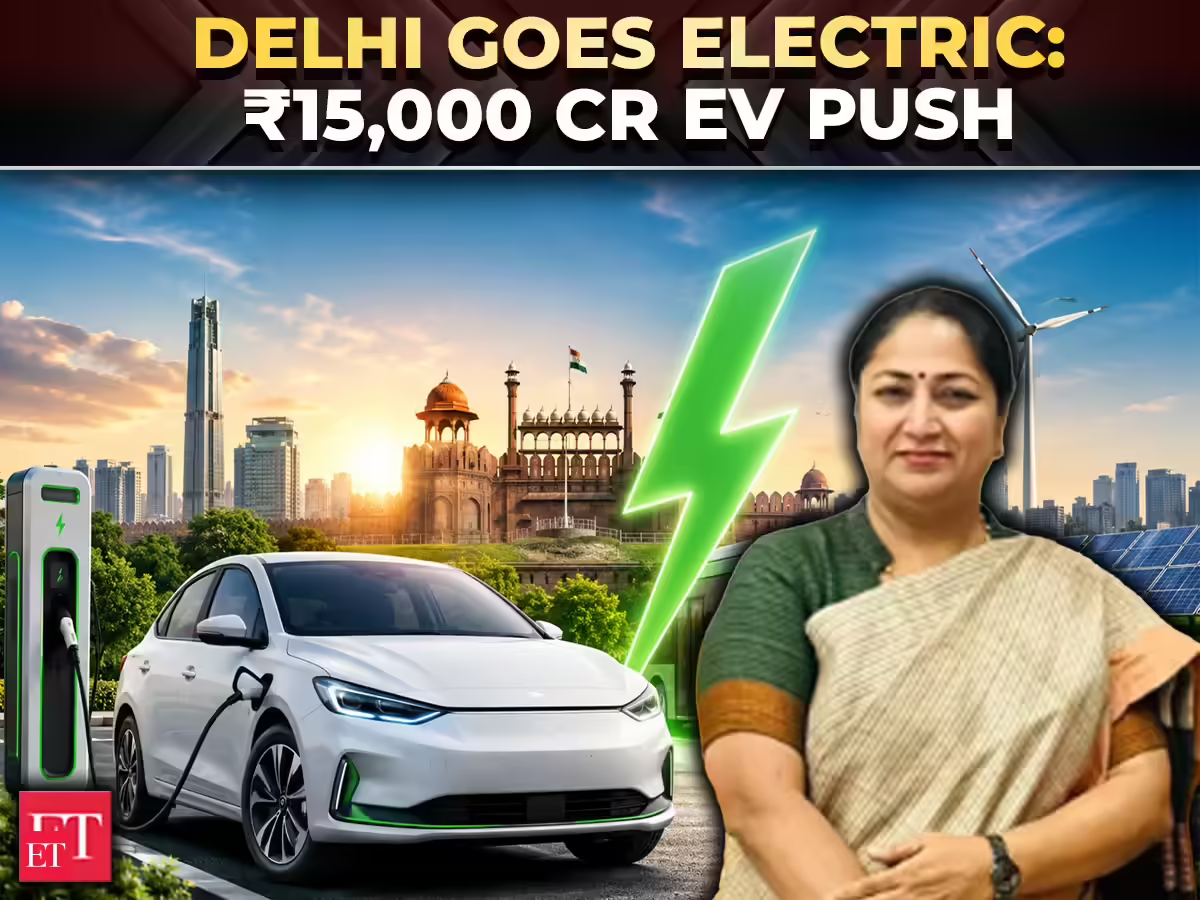
New Delhi: A 10-year exemption from Delhi's "No Entry" timing restrictions will be provided to the first 1,000 electric N2 category trucks registered under the city's new Electric Vehicle Policy, in a move aimed at accelerating the shift to cleaner commercial transport.According to the policy, the incentive will be available to the first 1,000 N2 electric trucks purchased within three months of the notification.The exemption means these vehicles will be allowed to operate even during hours when the entry of goods vehicles is restricted due to traffic management measures, major events or pollution-control curbs.N2 category vehicles are medium-duty goods carriers with a gross vehicle weight ranging from 3.5 tonnes to 12 tonnes, commonly used for transporting commercial goods, industrial supplies, construction material and other cargo within the city and to nearby areas.The government expects the incentive to encourage fleet operators to replace diesel-powered trucks with electric alternatives.Chief Minister Rekha Gupta said the policy, approved by the Delhi Cabinet, will come into effect from July 1 after the approval by the Lieutenant Governor. She described it as a major step towards making the city pollution-free by March 31, 2030.The policy places special emphasis on reducing emissions from the transport sector and provides a roadmap for the phased transition from conventional fuel-powered vehicles to electric vehicles.The government has introduced a series of incentives for different categories of electric vehicles under the policy, with the special concession for electric medium-duty trucks aimed at cutting pollution from one of the city's key commercial transport segments.
10-year 'No Entry' exemption for first 1,000 electric medium-duty trucks under Delhi EV Policy
Delhi is offering a significant perk to the first 1,000 electric N2 trucks registered under its new policy: a decade-long exemption from 'No Entry' timings. This initiative, effective July 1, aims to accelerate the adoption of cleaner commercial transport and combat pollution, with the goal of a pollution-free city by March 2030. The move targets medium-duty goods carriers, encouraging fleet operators to switch from diesel.
251 words~1 min read