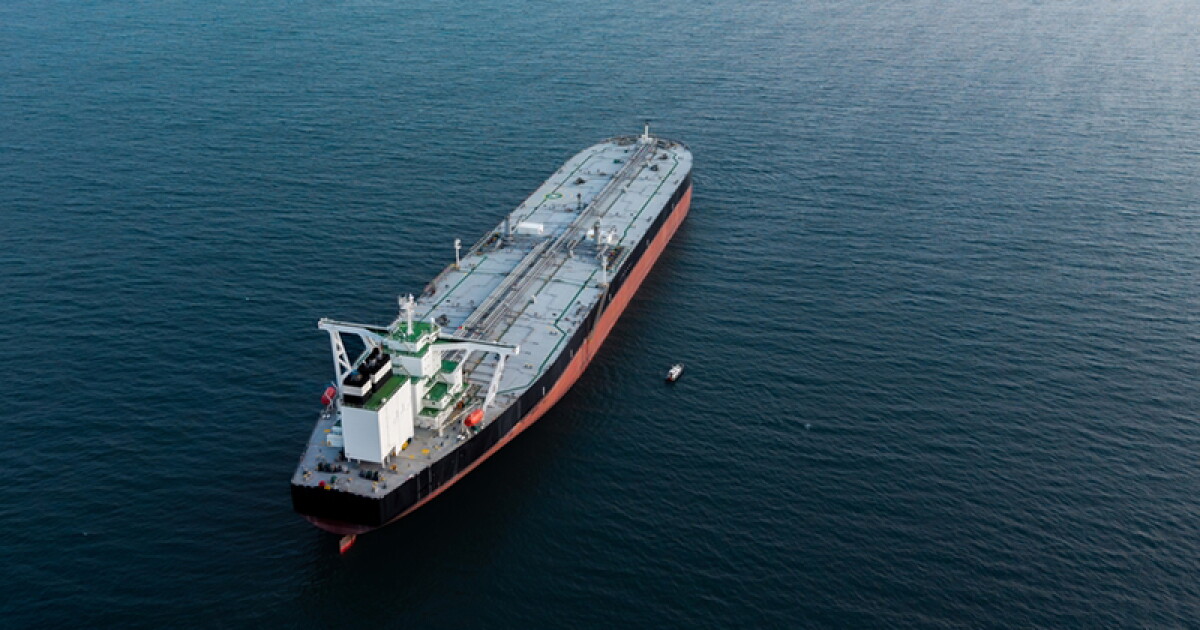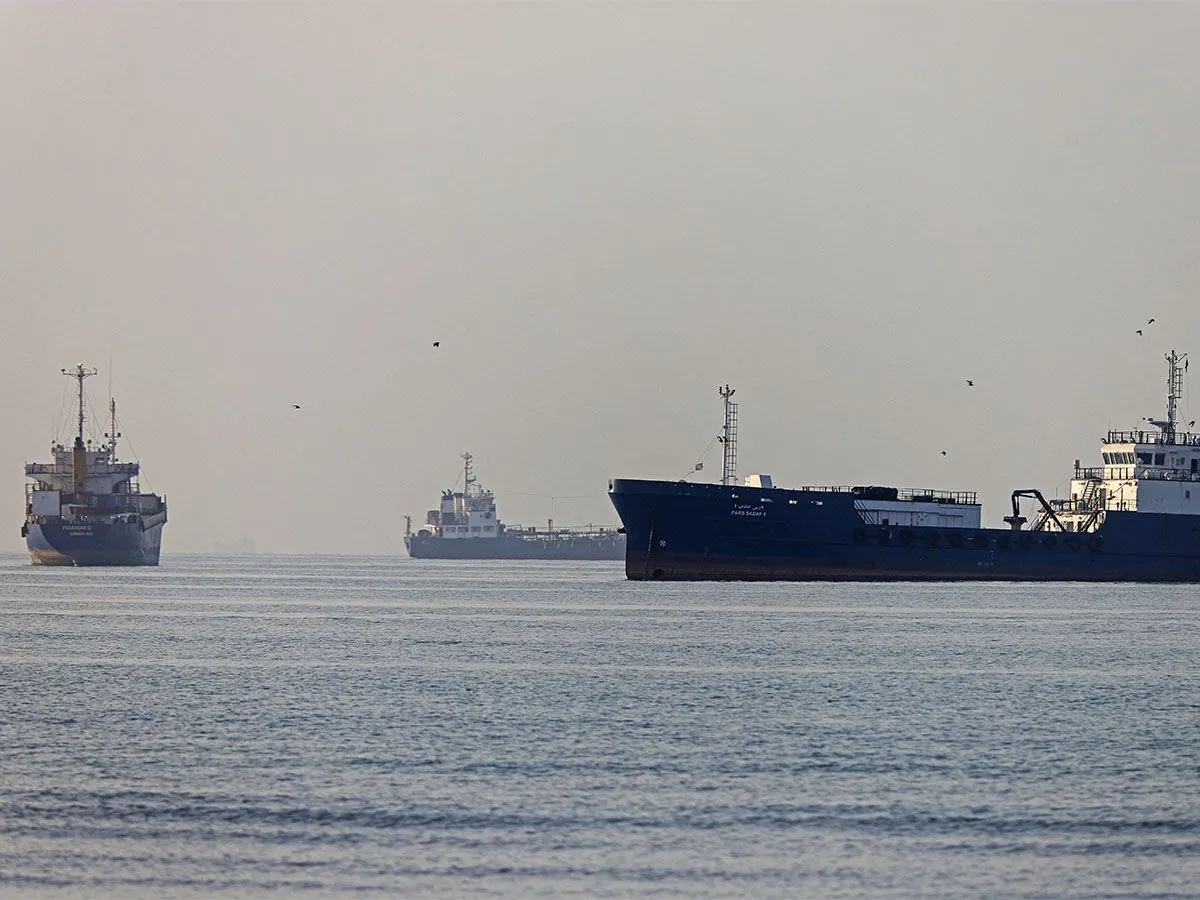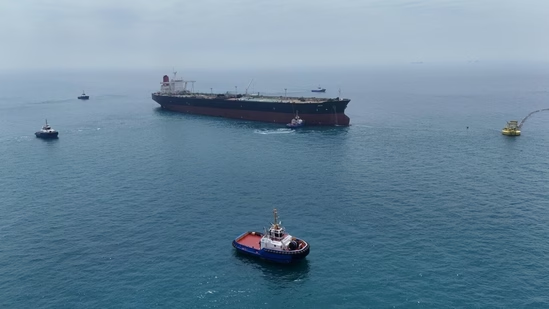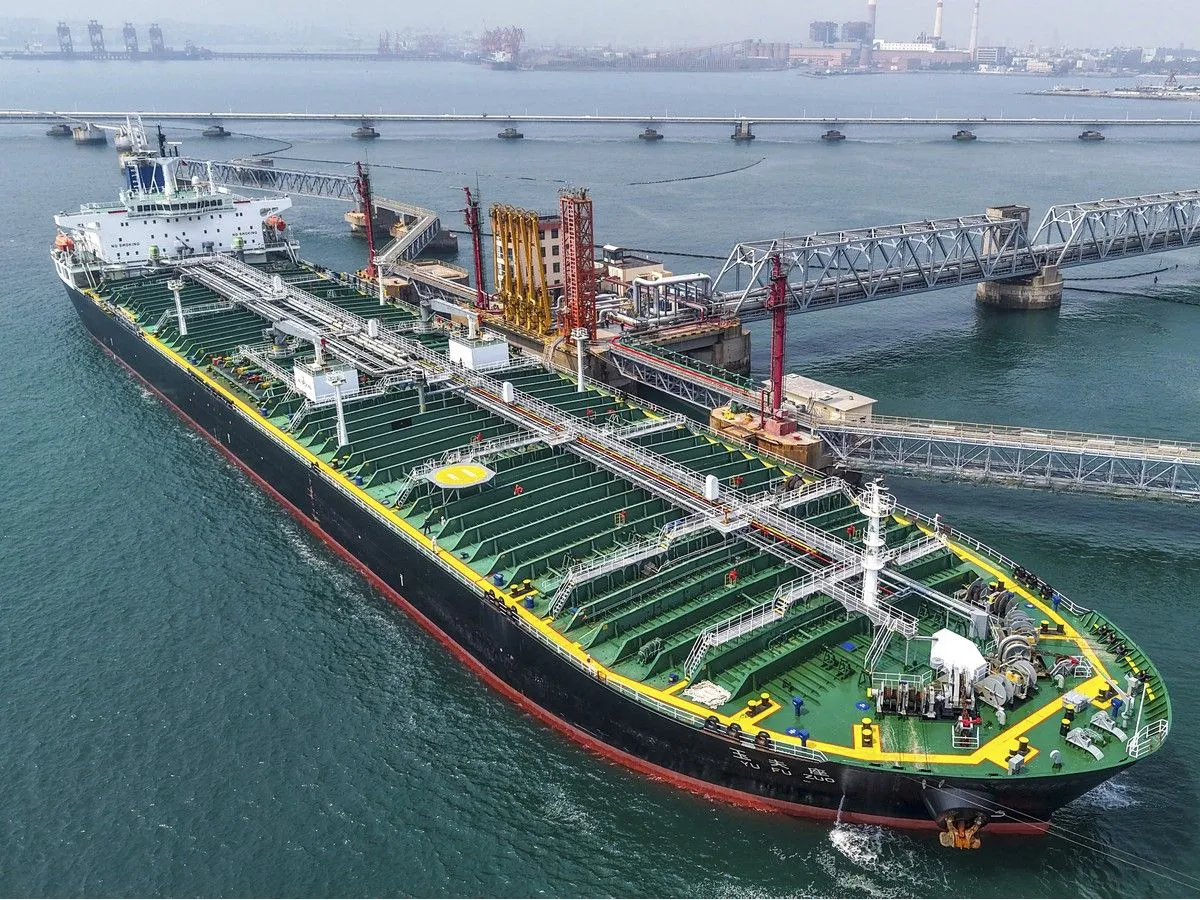
Skip to Content News Archives Economy Energy Oil & Gas Renewables Electric Vehicles Mining Commodities Agriculture Real Estate Mortgages Mortgage Rates Finance Banking Insurance Fintech Cryptocurrency Work Wealth Smart Money Wealth Management Investor Personal Finance Family Finance Retirement Taxes High Net Worth FP Comment Executive Women Puzzmo Newsletters Financial Times Business Essentials More Innovation Information Technology FP500 Podcasts Small Business Lives Told Tails Told Shopping Financial Post Store Obituaries Place a Notice Advertising Advertising With Us Advertising Solutions Postmedia Ad Manager Sponsorship Requests Classifieds Place a Classifieds ad Working Profile Settings My Subscriptions Saved Articles My Offers Newsletters Customer Service FAQ News Economy Energy Mining Real Estate Finance Work Wealth Investor FP Comment Executive Women Puzzmo Newsletters Financial Times Business Essentials HomeEnergyCrude awakening: Why doomsday scenarios of $200 oil didn’t come trueOne country that had nothing to with the war in Iran may have something to do with it, analysts sayLast updated 1 day ago You can save this article by registering for free here. Or sign-in if you have an account.This aerial photo shows a tanker unloading imported crude oil at a terminal port in Qingdao, in China's eastern Shandong province on June 25, 2026. Photo by - /AFP via Getty ImagesSubscribe now to read the latest news in your city and across Canada.Exclusive articles from Barbara Shecter, Joe O'Connor, Gabriel Friedman, and others.Daily content from Financial Times, the world's leading global business publication.Unlimited online access to read articles from Financial Post, National Post and 15 news sites across Canada with one account.National Post ePaper, an electronic replica of the print edition to view on any device, share and comment on.Daily puzzles, including the New York Times Crossword.Subscribe now to read the latest news in your city and across Canada.Exclusive articles from Barbara Shecter, Joe O'Connor, Gabriel Friedman and others.Daily content from Financial Times, the world's leading global business publication.Unlimited online access to read articles from Financial Post, National Post and 15 news sites across Canada with one account.National Post ePaper, an electronic replica of the print edition to view on any device, share and comment on.Daily puzzles, including the New York Times Crossword.Create an account or sign in to continue with your reading experience.Access articles from across Canada with one account.Share your thoughts and join the conversation in the comments.Enjoy additional articles per month.Get email updates from your favourite authors.Create an account or sign in to continue with your reading experience.Access articles from across Canada with one accountShare your thoughts and join the conversation in the commentsEnjoy additional articles per monthGet email updates from your favourite authorsSign In or Create an AccountorWhen Iran shut one of the world’s most vital energy arteries, it triggered fears of doomsday scenarios — a record climb in oil prices that could have devastating economic impacts around the world.But those grim predictions never came to be.“When we look back over the past four months, to me, the surprise was that oil prices did not flare even higher,” Doug Porter, chief economist at the Bank of Montreal, said.When the United States and Israel started dropping bombs on Iran in late February, Tehran retaliated with an effective blockade on the Strait of Hormuz, a shipping corridor for one-fifth of the world’s oil.Get the latest headlines, breaking news and columns.By signing up you consent to receive the above newsletter from Postmedia Network Inc.A welcome email is on its way. If you don't see it, please check your junk folder.The next issue of Top Stories will soon be in your inbox.We encountered an issue signing you up. Please try againA closure at the critical waterway was long a theoretical risk — a scenario that analysts had been writing about for years. Once it materialized, some market watchers painted a bleak picture: oil at US$200 a barrel causing severe hardship worldwide.The effects were severe — but not nearly as catastrophic as analysts had predicted.The fallout sent global oil prices skyrocketing to the highest levels in years — at times exceeding US$110 — and forced many countries to rely on strategic reserves or cut consumption. Costs also piled onto consumers, with surging gas and diesel prices, which stoked inflation fears. A motorist fuels up at a gas station in Vancouver, BC on April, 1, 2026. Fuel prices were at a high due to high tensions in the Middle East. Richard Lam/PNG“The rise in prices was fairly modest overall,” Porter said. “We’ve certainly seen US$100 oil before.”Why didn’t it get worse?It comes down to big buyers changing their crude habits, including one country in particular that had nothing to do with the conflict, according to analysts.That country is China.Well before the conflict, in 2024 and 2025, China was ramping up oil imports, in part to feed its stockpiles, according to the Center on Global Energy Policy at Columbia University.When the war began and the strait was effectively shut, China lost a major supply of Middle Eastern crude.In response to the crisis, the world’s second-largest economy reduced its oil imports while drawing on the reserves it had built, which helped moderate prices, according to Kevin Birn, an analyst with S&P Global Energy.While China is not a major oil producer, it’s among the top consumers, which means its buying habits can dramatically sway global prices.“You saw those impacts in the market, and that was a major factor for sure,” Birn said, adding that other countries also played a role by releasing their own oil reserves to the market.“You take all those things together, they blunted the impact on the prices,” he said.Now, North American oil’s brush with triple-digit territory is quickly retreating to near pre-war levels — to just under US$70 per barrel over the past couple of weeks — as peace talks between the U.S. and Iran continue.“Many have been surprised, somewhat, at how quickly prices have come back down the mountain,” Porter said, adding that if peace talks go smoothly, it’s possible prices could weaken significantly.“There is a view out there that prices could collapse, given that the world adjusted to this (conflict), and we came into it with a bit of an oversupply,” Porter said.Still, with many countries itching to refill their reserves, they may provide a cushion that props up demand, keeping prices elevated in the short term, according to Porter. Crude oil tankers, bulk carriers and vessels sit anchored around Qaboos Port on June 22, 2026 in Muscat, Oman. The Strait of Hormuz, a vital shipping route for the region’s oil and gas, was effectively blockaded since the outbreak of war between the United States and Iran in late February. This week’s provisional peace deal between the countries was meant to reopen the waterway to shipping traffic, but the pace of that reopening is unclear amid continued fighting in Lebanon and the need to clear the Strait of sea mines. Elke Scholiers/Getty ImagesWhile more ships have been able to traverse the strait in recent weeks, uncertainty remains. An Iranian vessel fired on a cargo ship in transit on Thursday, which put yet another obstacle in the way of restoring traffic to pre-war levels. The U.S. then struck Iran in retaliation on Friday.Birn, who watches oil markets closely, said prices could still go in either direction depending on the outcome of peace talks and whether the strait stays open.“If the tenuous peace falls apart and you get back into conflict, and then the strait closes, then you still get the case for a much higher price,” Birn said.Charles St-Arnaud, chief economist with Servus Credit Union in Alberta, said that with more signs of stability, countries will likely stop drawing on their reserves and start refilling them.“You should have base demand above what would be the normal demand from standard consumption, with that repiling of inventories,” St-Arnaud said.“I think we should be stabilizing roughly where we are, around $70 a barrel,” St-Arnaud said. “We could be slightly higher if we see faster stockpiling.”A lot of that, St-Arnaud says, depends on how fast China, whose crude imports fell dramatically during the conflict, rebuilds its reserves.Moshe Lander, a senior lecturer in economics at Concordia University in Montreal and an Alberta resident, said that while China’s demand may rebound, it may not reach the same levels as before.“If they decide that they’re going to shift away from oil, and they’re going to move towards renewables, that’s a big source of demand that’s coming out of the market,” Lander said.China could take the crisis as an opportunity to shift further towards electric vehicles, or shift its reliance on oil to other energy sources such as renewables, Lander said.While Porter doesn’t expect China’s demand to return immediately, it could come back in the weeks and months ahead.“Frankly, outside of China, I’m not sure anyone knows for sure,” Porter said. “They, obviously, are very strategic.”This story is part of Energy Aftershocks, a project by the Financial Post, in partnership with the Calgary Herald, Edmonton Journal, Saskatoon StarPhoenix and Vancouver Sun, that focuses on the ongoing fallout of the conflict in the Middle East. Watch this space for more stories about how the energy shock is echoing throughout Canada. Join the Conversation This website uses cookies to personalize your content (including ads), and allows us to analyze our traffic. Read more about cookies here. By continuing to use our site, you agree to our Terms of Use and Privacy Policy.
Crude awakening: Why doomsday scenarios of $200 oil didn’t come true
When Iran shut one of the world’s most vital energy arteries, it triggered fears of doomsday scenarios — here's why they didn't come true.
1,554 words~7 min read