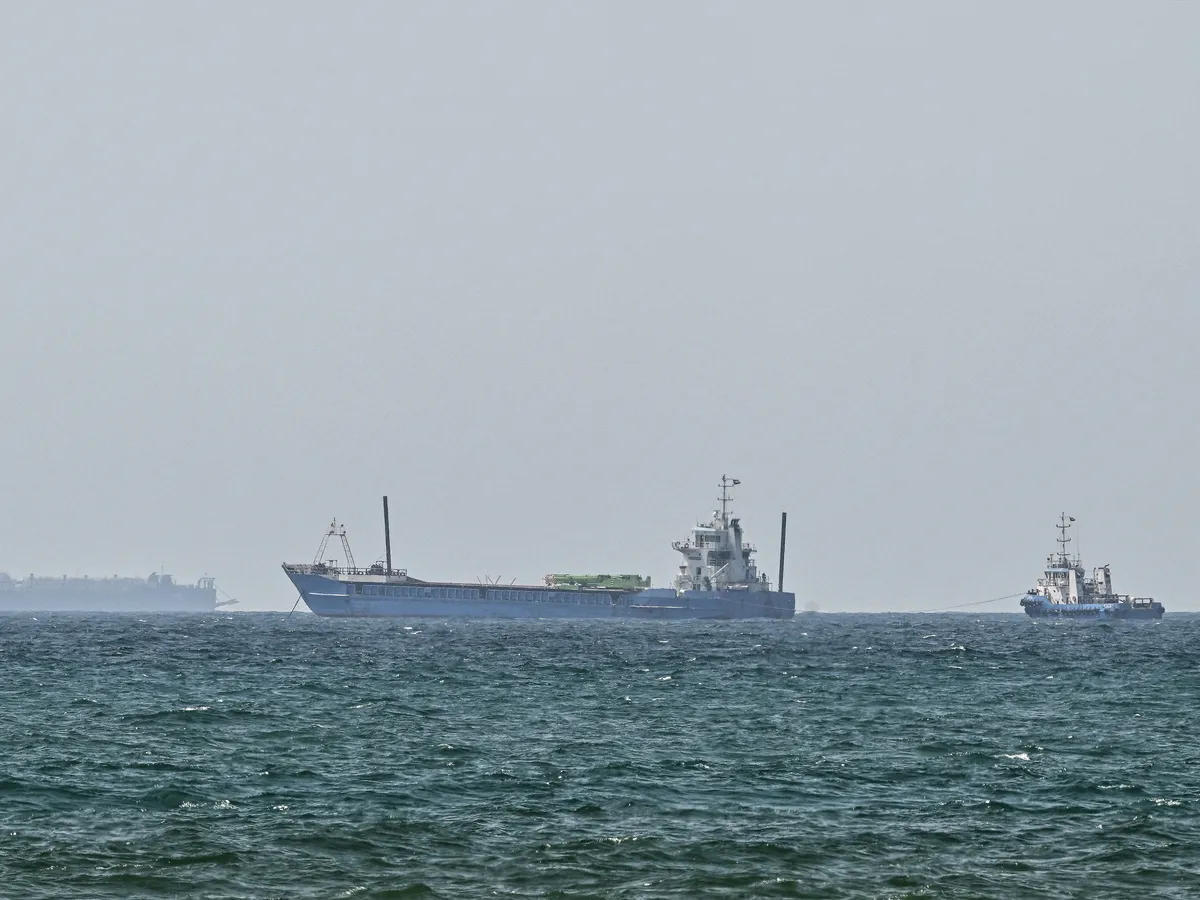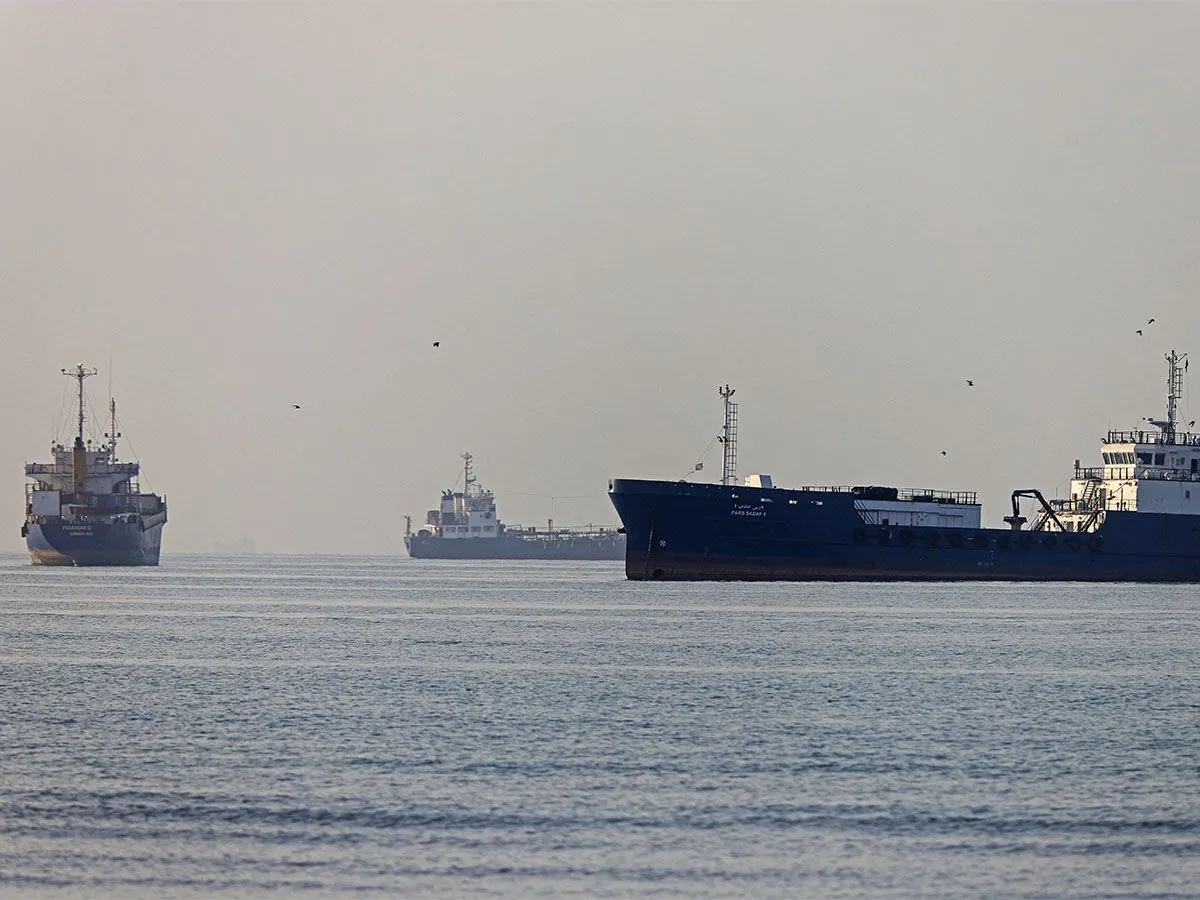
Skip to Content News Archives Economy Energy Oil & Gas Renewables Electric Vehicles Mining Commodities Agriculture Real Estate Mortgages Mortgage Rates Finance Banking Insurance Fintech Cryptocurrency Work Wealth Smart Money Wealth Management Investor Personal Finance Family Finance Retirement Taxes High Net Worth FP Comment Executive Women Puzzmo Newsletters Financial Times Business Essentials More Innovation Information Technology FP500 Podcasts Small Business Lives Told Tails Told Shopping Financial Post Store Obituaries Place a Notice Advertising Advertising With Us Advertising Solutions Postmedia Ad Manager Sponsorship Requests Classifieds Place a Classifieds ad Working Profile Settings My Subscriptions Saved Articles My Offers Newsletters Customer Service FAQ News Economy Energy Mining Real Estate Finance Work Wealth Investor FP Comment Executive Women Puzzmo Newsletters Financial Times Business Essentials HomeEnergyOil markets fall on news of U.S.-Iran deal, but experts expect 'prices will start to grind higher'Chris Varcoe: Industry executives and analysts say it will take time for production in the Middle East — and global inventory levels — to return to pre-war levelsLast updated 5 hours ago You can save this article by registering for free here. Or sign-in if you have an account.In this picture obtained from Iran's ISNA news agency on June 1, 2026, vessels sail at Suru Beach in Bandar Abbas along the Strait of Hormuz. Amirhossein Khorgooei/ISNA/AFP via Getty ImagesSubscribe now to read the latest news in your city and across Canada.Exclusive articles from Barbara Shecter, Joe O'Connor, Gabriel Friedman, and others.Daily content from Financial Times, the world's leading global business publication.Unlimited online access to read articles from Financial Post, National Post and 15 news sites across Canada with one account.National Post ePaper, an electronic replica of the print edition to view on any device, share and comment on.Daily puzzles, including the New York Times Crossword.Subscribe now to read the latest news in your city and across Canada.Exclusive articles from Barbara Shecter, Joe O'Connor, Gabriel Friedman and others.Daily content from Financial Times, the world's leading global business publication.Unlimited online access to read articles from Financial Post, National Post and 15 news sites across Canada with one account.National Post ePaper, an electronic replica of the print edition to view on any device, share and comment on.Daily puzzles, including the New York Times Crossword.Create an account or sign in to continue with your reading experience.Access articles from across Canada with one account.Share your thoughts and join the conversation in the comments.Enjoy additional articles per month.Get email updates from your favourite authors.Create an account or sign in to continue with your reading experience.Access articles from across Canada with one accountShare your thoughts and join the conversation in the commentsEnjoy additional articles per monthGet email updates from your favourite authorsSign In or Create an AccountorBenchmark U.S. oil prices dropped more than four per cent on Monday, pulling down Canadian energy stocks, as a conditional agreement between the United States and Iran triggered promises from President Donald Trump that the critical Strait of Hormuz will reopen.Prices for West Texas Intermediate (WTI) crude fell more than $4 to close at US$80.75 a barrel on news the two sides in the war had reached a deal. Final details have yet to be disclosed, although it reportedly includes 60 days for the two countries to iron out key issues surrounding Iran’s nuclear program.Industry executives and analysts predict it will take time for production in the Middle East — and global inventory levels — to return to pre-war levels.Get the latest headlines, breaking news and columns.By signing up you consent to receive the above newsletter from Postmedia Network Inc.A welcome email is on its way. If you don't see it, please check your junk folder.The next issue of Top Stories will soon be in your inbox.We encountered an issue signing you up. Please try again“It feels over like an overreaction to me, only because all this does is this gives them 60 days to work on a deal,” Saturn Oil & Gas CEO John Jeffrey said Monday in an interview.“There is a lot of hope right now that the strait is reopening, that the tide has turned, and it is very positive news. But it doesn’t change the fact that we’ve been in this (situation) for four months now, and it’s going to take time to replenish those inventories,” added ATB Financial chief economist Mark Parsons.The war, which started at the end of February, effectively blocked shipments from the Strait of Hormuz, through which about 20 per cent of the world’s oil and liquefied natural gas normally transits.Prices for WTI crude traded at $57 a barrel to start the year, but spiked above $112 a barrel in early April as energy infrastructure in the region was damaged.Global oil output has decreased about 10 million barrels per day (bpd) from pre-war levels, said Al Salazar, vice-president of intelligence at energy analytics firm Enverus. The drop has made a dent on global oil inventories, which are down about half-a-billion barrels since the war began. Mark Parsons, chief economist for ATB, speaks to media at an event at the BMO Centre hosted by Calgary Economic Development on Wednesday, Nov. 19, 2025. Brent Calver/Postmedia“It sounds very, very constructive and positive, but that said, it hasn’t changed the supply-demand balance,” Salazar said Monday about reports of a U.S.-Iran agreement.“Prices will start to grind higher as there’s a realization that we’re dealing with a low stock situation; shortages still may occur over the summer driving season.”He expects Brent crude prices will average about $110 a barrel through the rest of the year, with WTI oil trading about $5 below that level.On Monday, share prices in many Canadian oil and gas stocks headed lower as crude prices stumbled.The S&P/TSX Capped Energy Index fell about 2.7 per cent on the day, although it’s still up 34 per cent since the start of the year. (The broader S&P/TSX composite index ended Monday up almost one per cent, climbing more than 337 points.)Petroleum producers have reacted cautiously to higher prices this year, given the uncertainty over how long energy flows would be disrupted.In Canada, a number of junior and mid-sized producers recently increased their capital expenditures for the back half of the year. However, most hikes have been modest.This disciplined approach is unlikely to change, even with prices substantially higher now than at the start of the year, when WTI crude was stuck below $60 a barrel and international markets faced a glut of oil.“I think we’ve reset the floor up about $10 to where we otherwise thought it should be,” said Jeffrey. “Oil averaging $80 for the balance of this year and then, hopefully, next year is a great spot.” Undated supplied photo of John Jeffrey, CEO of Saturn Oil & Gas Inc. Supplied by Saturn Oil & Gas IncIn Alberta, the provincial economic growth is expected to remain relatively robust, even if crude prices retreat, because there has not been a huge spending lift in the oilpatch this year.ATB Financial is projecting the province’s gross domestic product will grow at 2.6 per cent this year — up from 2.1 per cent forecast in December — based on oil averaging $84 a barrel.“Even with what’s happened (with the deal), it doesn’t change our view that we’re in for a period of structurally higher oil prices,” Parsons said.Bob Geddes, president of Calgary-based Ensign Energy Services, which has drilling operations in the Middle East, said the agreement doesn’t change his outlook for the year or the expected demand from petroleum producers.“Everyone knew the price would go up when you squeeze the Strait of Hormuz. Everyone knows the ‘risk’ price would come off when you bring it down. But would it erode demand? And it doesn’t seem to have eroded demand,” he said. A line of cars waits at the pumps of a Costco gas station in Calgary on Wednesday, April 29, 2026. Brent Calver/PostmediaFor motorists, gasoline prices could decelerate if the peace deal sticks. Retail gasoline prices averaged $1.76 per litre in the country on Monday, according to analytics firm Kalibrate Canada.Pump prices in the country have risen sharply since the war began and a drop in global crude markets typically filters through quickly to consumers, said Suzanne Gray, a consultant with Kalibrate.Each $10-a-barrel dip in oil prices typically leads to a nine-cent-a-litre drop in gasoline costs.However, with the busy summer driving season beginning and low global inventory levels, it will take a while for gasoline prices to return to previous levels, she said.“It’s going to take a long time for the markets to realign,” Gray added.Chris Varcoe is a Calgary Herald columnist.This column is part of Energy Aftershocks, a project by the Financial Post, in partnership with the Calgary Herald, Edmonton Journal, Saskatoon StarPhoenix and Vancouver Sun, that focuses on the ongoing fallout of the conflict in the Middle East. Watch this space for more stories about how the energy shock is echoing throughout Canada. Join the Conversation This website uses cookies to personalize your content (including ads), and allows us to analyze our traffic. Read more about cookies here. By continuing to use our site, you agree to our Terms of Use and Privacy Policy.
Oil markets fall on news of U.S.-Iran deal, but experts expect 'prices will start to grind higher'
Industry executives and analysts predict it will take time to return production in the Middle East back to normal levels.
1,513 words~7 min read