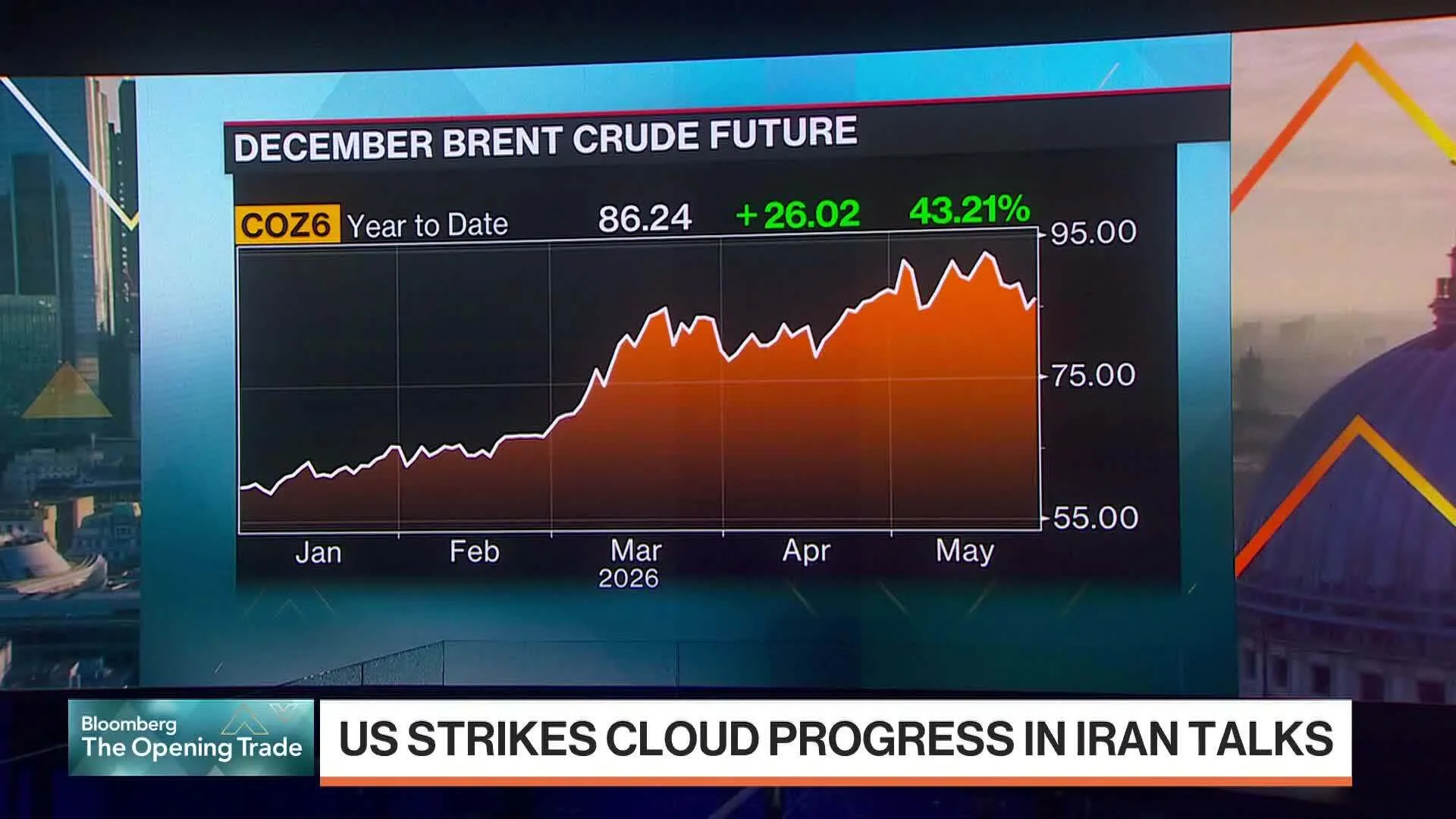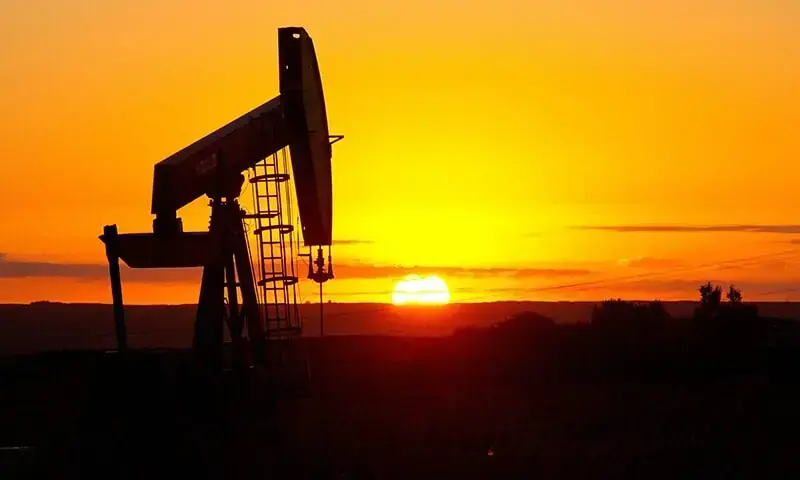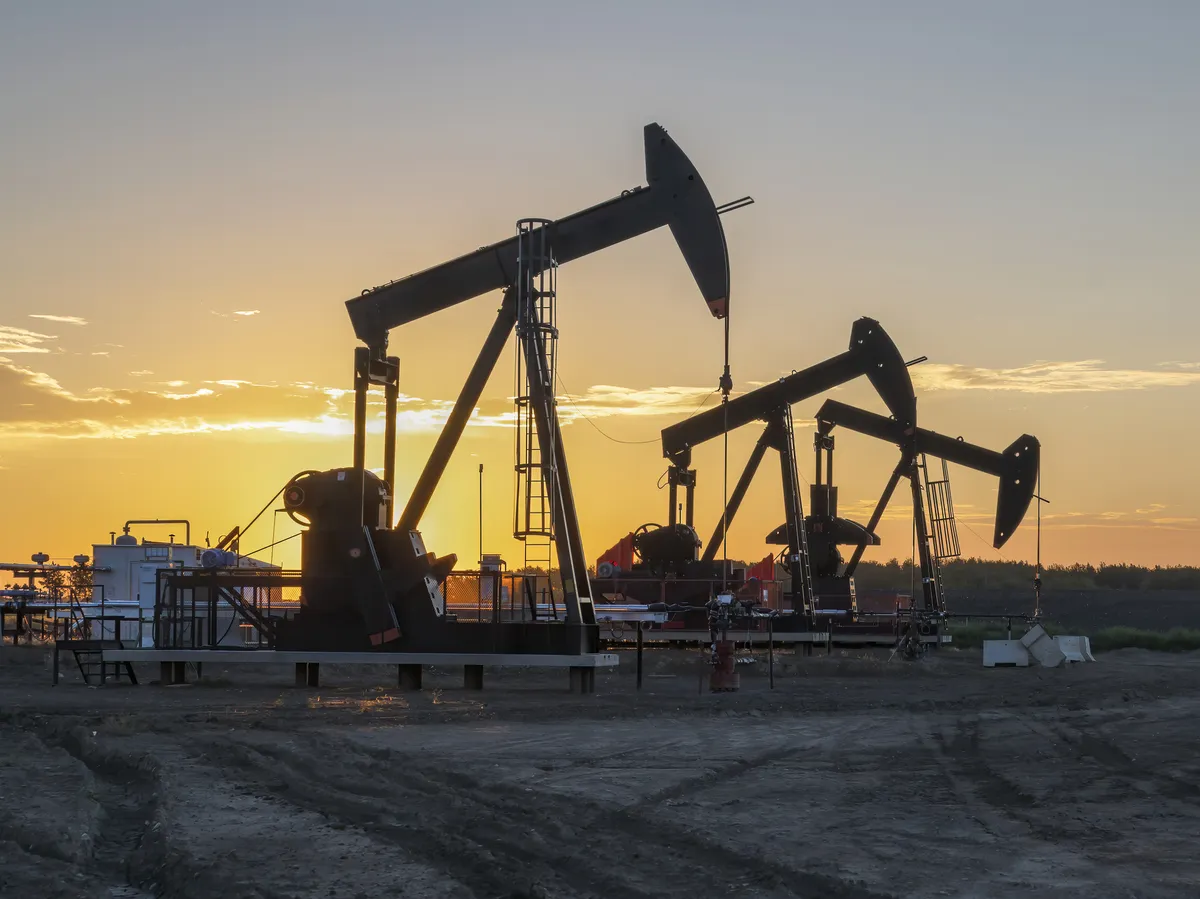
Skip to Content News Archives Economy Energy Oil & Gas Renewables Electric Vehicles Mining Commodities Agriculture Real Estate Mortgages Mortgage Rates Finance Banking Insurance Fintech Cryptocurrency Work Wealth Smart Money Wealth Management Investor Personal Finance Family Finance Retirement Taxes High Net Worth FP Comment Executive Women Puzzmo Newsletters Financial Times Business Essentials More Innovation Information Technology FP500 Podcasts Small Business Lives Told Tails Told Shopping Financial Post Store Obituaries Place a Notice Advertising Advertising With Us Advertising Solutions Postmedia Ad Manager Sponsorship Requests Classifieds Place a Classifieds ad Working Profile Settings My Subscriptions Saved Articles My Offers Newsletters Customer Service FAQ News Economy Energy Mining Real Estate Finance Work Wealth Investor FP Comment Executive Women Puzzmo Newsletters Financial Times Business Essentials HomeCommoditiesEnergyOil & GasOil rebounds as strikes near Hormuz muddy outlook for Iran dealGlobal benchmark Brent rose toward US$100 a barrel after slumping more than 7% on MondayAuthor of the article:Last updated 50 minutes ago You can save this article by registering for free here. Or sign-in if you have an account.Three oil well pumpjacks at sunrise near Crossfield, Alberta, Canada Photo by Getty Images/iStockphotoOil rebounded as fresh U.S. military strikes in Iran clouded the outlook for a deal to reopen the Strait of Hormuz, with talks set to continue for several more days.Subscribe now to read the latest news in your city and across Canada.Exclusive articles from Barbara Shecter, Joe O'Connor, Gabriel Friedman, and others.Daily content from Financial Times, the world's leading global business publication.Unlimited online access to read articles from Financial Post, National Post and 15 news sites across Canada with one account.National Post ePaper, an electronic replica of the print edition to view on any device, share and comment on.Daily puzzles, including the New York Times Crossword.Subscribe now to read the latest news in your city and across Canada.Exclusive articles from Barbara Shecter, Joe O'Connor, Gabriel Friedman and others.Daily content from Financial Times, the world's leading global business publication.Unlimited online access to read articles from Financial Post, National Post and 15 news sites across Canada with one account.National Post ePaper, an electronic replica of the print edition to view on any device, share and comment on.Daily puzzles, including the New York Times Crossword.Create an account or sign in to continue with your reading experience.Access articles from across Canada with one account.Share your thoughts and join the conversation in the comments.Enjoy additional articles per month.Get email updates from your favourite authors.Create an account or sign in to continue with your reading experience.Access articles from across Canada with one accountShare your thoughts and join the conversation in the commentsEnjoy additional articles per monthGet email updates from your favourite authorsSign In or Create an AccountorGlobal benchmark Brent rose toward US$100 a barrel after slumping more than seven per cent on Monday, while West Texas Intermediate was near US$93. U.S. forces struck missile-launch sites and boats trying to place mines, U.S. Central Command said, after Iranian media reported explosions around the strait.Negotiations will still “take a few days” as both sides discuss language in an initial document, Secretary of State Marco Rubio told reporters in India on Tuesday. Iran’s Supreme Leader said the Middle East will no longer be a shield for U.S. military bases.Crude had retreated sharply in the week’s opening session as U.S. President Donald Trump posted that the talks were “proceeding nicely,” while also threatening more attacks if they were unsuccessful. That followed a softening last week as the prospects of peace grew and a flurry of ships made their way out of Hormuz.Oil prices that rallied in March and April are now on pace for a drop in May, as the fragile ceasefire and push to reopen Hormuz outweigh signs of fast-depleting stockpiles. The strait, the key waterway through which a fifth of the world’s oil and liquefied natural gas flowed during peacetime, remains essentially closed, subject to blockades by the U.S. and Iran.The two sides have been negotiating a deal that would see them extend the ceasefire for about two months, with Washington lifting its blockade and Tehran reopening Hormuz. Still, sticking points remain, with Tehran saying it must be able to manage traffic through the chokepoint, something the U.S., Arab states and Europe maintain cannot be allowed.At present, it’s “premature to consider a peace deal will be reached let alone adhered to,” said Saul Kavonic, senior energy analyst at MST Marquee. “There have been claims by both sides of negotiation success, or the strait opening in the past few months already, only for it to not materialize.”With Hormuz still largely closed, global oil inventories have been drawing at a record pace, according to a recent tally from the International Energy Agency. That’s put the spotlight on the U.S., where holdings — commercial and strategic combined — have been contracting at an unprecedented clip.In a separate post, Trump said Tehran’s enriched uranium would preferably be destroyed in Iran, although the material could also be turned over to the U.S. Washington has cited the Islamic Republic’s nuclear program as a major reason for embarking on the conflict with Israel, maintaining that Tehran poses a threat as it wants to develop nuclear weapons.Highlighting additional challenges, Israel said on Monday it would intensify strikes against Iranian-backed Hezbollah in Lebanon. Tehran has demanded an end to hostilities in that country as part of any deal with the U.S. Join the Conversation This website uses cookies to personalize your content (including ads), and allows us to analyze our traffic. Read more about cookies here. By continuing to use our site, you agree to our Terms of Use and Privacy Policy.
Oil rebounds as strikes near Hormuz muddy outlook for Iran deal
Oil rebounded as fresh U.S. military strikes in Iran clouded the outlook for a deal to reopen the Strait of Hormuz. Read more.
929 words~4 min read