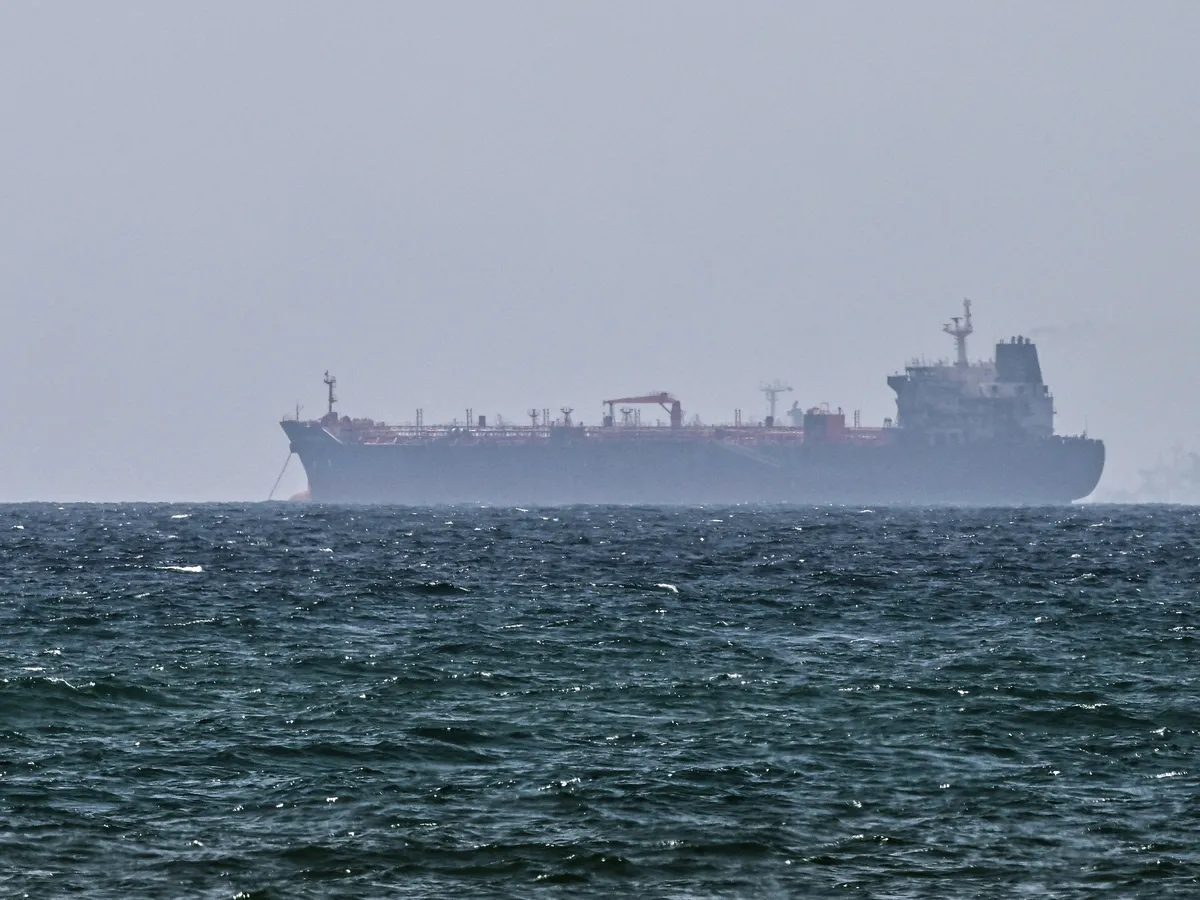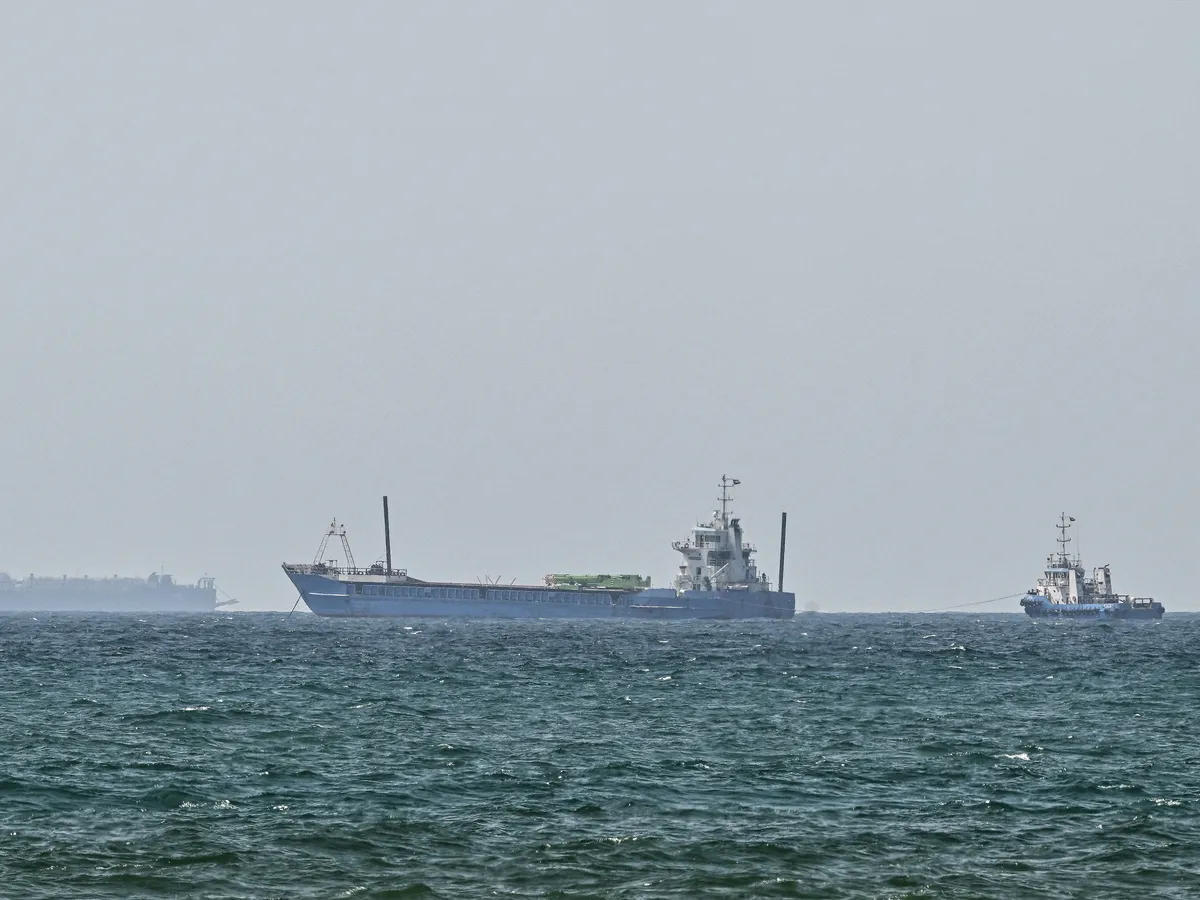
Skip to Content News Archives Economy Energy Oil & Gas Renewables Electric Vehicles Mining Commodities Agriculture Real Estate Mortgages Mortgage Rates Finance Banking Insurance Fintech Cryptocurrency Work Wealth Smart Money Wealth Management Investor Personal Finance Family Finance Retirement Taxes High Net Worth FP Comment Executive Women Puzzmo Newsletters Financial Times Business Essentials More Innovation Information Technology FP500 Podcasts Small Business Lives Told Tails Told Shopping Financial Post Store Obituaries Place a Notice Advertising Advertising With Us Advertising Solutions Postmedia Ad Manager Sponsorship Requests Classifieds Place a Classifieds ad Working Profile Settings My Subscriptions Saved Articles My Offers Newsletters Customer Service FAQ News Economy Energy Mining Real Estate Finance Work Wealth Investor FP Comment Executive Women Puzzmo Newsletters Financial Times Business Essentials HomeCommoditiesEnergyOil & GasOil slides as U.S. touts progress on deal toward reopening StraitGlobal energy markets have been upended by the crisisAuthor of the article:Last updated 1 hour ago You can save this article by registering for free here. Or sign-in if you have an account.Vessels are anchored off the coast of Sharjah in the United Arab Emirates on May 21, 2026. Photo by AFP via Getty ImagesOil fell as senior U.S. officials gave further, positive signals on progress toward a deal with Iran to reopen the Strait of Hormuz.Subscribe now to read the latest news in your city and across Canada.Exclusive articles from Barbara Shecter, Joe O'Connor, Gabriel Friedman, and others.Daily content from Financial Times, the world's leading global business publication.Unlimited online access to read articles from Financial Post, National Post and 15 news sites across Canada with one account.National Post ePaper, an electronic replica of the print edition to view on any device, share and comment on.Daily puzzles, including the New York Times Crossword.Subscribe now to read the latest news in your city and across Canada.Exclusive articles from Barbara Shecter, Joe O'Connor, Gabriel Friedman and others.Daily content from Financial Times, the world's leading global business publication.Unlimited online access to read articles from Financial Post, National Post and 15 news sites across Canada with one account.National Post ePaper, an electronic replica of the print edition to view on any device, share and comment on.Daily puzzles, including the New York Times Crossword.Create an account or sign in to continue with your reading experience.Access articles from across Canada with one account.Share your thoughts and join the conversation in the comments.Enjoy additional articles per month.Get email updates from your favourite authors.Create an account or sign in to continue with your reading experience.Access articles from across Canada with one accountShare your thoughts and join the conversation in the commentsEnjoy additional articles per monthGet email updates from your favourite authorsSign In or Create an AccountorBrent lost as much as 6.2 per cent to US$97.10 a barrel, while West Texas Intermediate was near US$91. Secretary of State Marco Rubio struck a cautiously upbeat tone, saying the U.S. was going to give diplomacy every chance. “We thought we might have some news last night,” he said in New Delhi. “Maybe today.”At the weekend, U.S. President Donald Trump said “negotiations were proceeding in an orderly and constructive manner,” although the U.S. would not to rush into a deal, according to his social-media posts. He added that Washington’s blockade of the strait would remain until an agreement was completed. Any final approval may take several days, according to senior U.S. officials.Still, it remains unclear how key differences, including the fate of the Islamic Republic’s nuclear program, will be addressed. Iran’s Tasnim news agency said the draft agreement could still collapse because the U.S. was obstructing some key clauses, including a demand that its assets be unfrozen.Global energy markets have been upended by the crisis, which began in February when the U.S. and Israel attacked Iran. The conflict spread rapidly across the Persian Gulf region, forcing producers to shut in millions of barrels of daily crude supplies. Hormuz — which links the region to global markets — has been subject to a double blockade by both Tehran and Washington.“The two sides may be closer on a ceasefire and Strait of Hormuz reopening framework, but still far apart on the harder issues,” said Charu Chanana, chief investment strategist at Saxo Markets in Singapore, citing sanctions and the nuclear program. “Oil has priced in relief, but not a durable resolution.”Trading in oil may be quieter than usual on Monday, with some traders away for public holidays in the U.S. and the U.K.. The U.S. break for Memorial Day traditionally marks the start of the summer travel season, a period when demand for gasoline, diesel and jet fuel can be expected to rise.The U.S. and Iran have developed a memorandum that would extend the ceasefire by 60 days as the two sides seek a permanent deal, the Washington Post reported, citing a senior administration official. If agreed, the strait would be de-mined and reopened in the meantime, the newspaper said.“A lot of oil was trading on worst case assumptions for weeks,” said Haris Khurshid, chief investment officer at Chicago-based Karobaar Capital LP. “But once it became clear talks were still alive and escalation wasn’t accelerating, a chunk of that fear premium comes out pretty fast.”A full reopening of Hormuz — which in peacetime typically handled around a fifth of the world’s oil and liquefied natural gas — would be a relief for energy importers across Asia, including China, Japan, and South Korea.Transits have been running at a fraction of their pre-war pace, although a few vessels have made it through. Among them, a supertanker hauling Iraqi crude to China left the Persian Gulf and crossed the U.S. blockade, ship-tracking data show. In addition, three liquefied natural gas tankers appear to have exited.Iran claimed that 33 vessels, including oil tankers and container ships, had passed through the strait after obtaining permission from the Islamic Revolutionary Guard Corps Navy, Tasnim reported on Sunday, citing the force. The Trump administration has said that any toll system is unacceptable.President Trump has been facing growing domestic political pressure to end the conflict, particularly ahead of the November midterm elections that will determine control of Congress. The war has boosted the cost of fuels, with average US gasoline prices hitting the highest since 2022.Kevin Hassett, Trump’s chief economic adviser at the White House, told Fox News on Sunday he expects energy prices to drop once there’s a deal, which could then create space for the Federal Reserve to cut rates. “We expect energy prices, as soon as there’s a deal, to plummet,” Hassett said.Elsewhere, Russia and Ukraine struck each other’s energy infrastructure. Ukraine hit the Sheskharis oil terminal, the largest on Russia’s Black Sea coast; a storage facility; and a major petrochemicals plant. State energy company Naftogaz said Russia targeted oil-and-gas facilities in the east. Join the Conversation This website uses cookies to personalize your content (including ads), and allows us to analyze our traffic. Read more about cookies here. By continuing to use our site, you agree to our Terms of Use and Privacy Policy.
Oil slides as U.S. touts progress on deal toward reopening Strait
Oil fell as U.S. officials gave further, positive signals on progress toward a deal with Iran to reopen the Strait of Hormuz. Read more.
1,158 words~5 min read