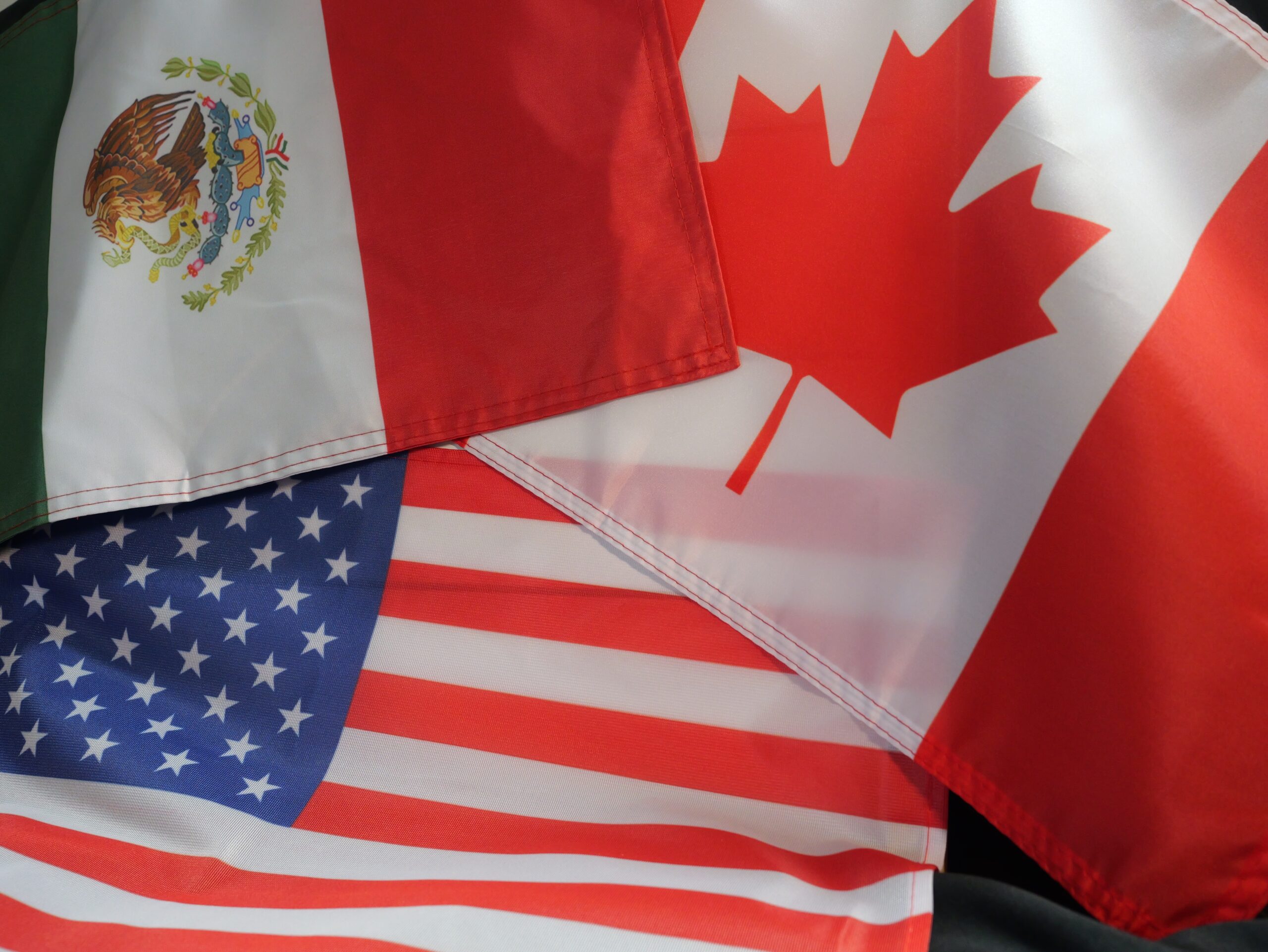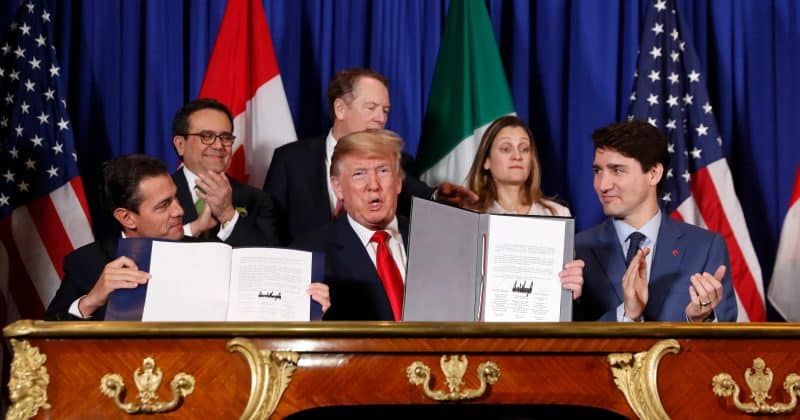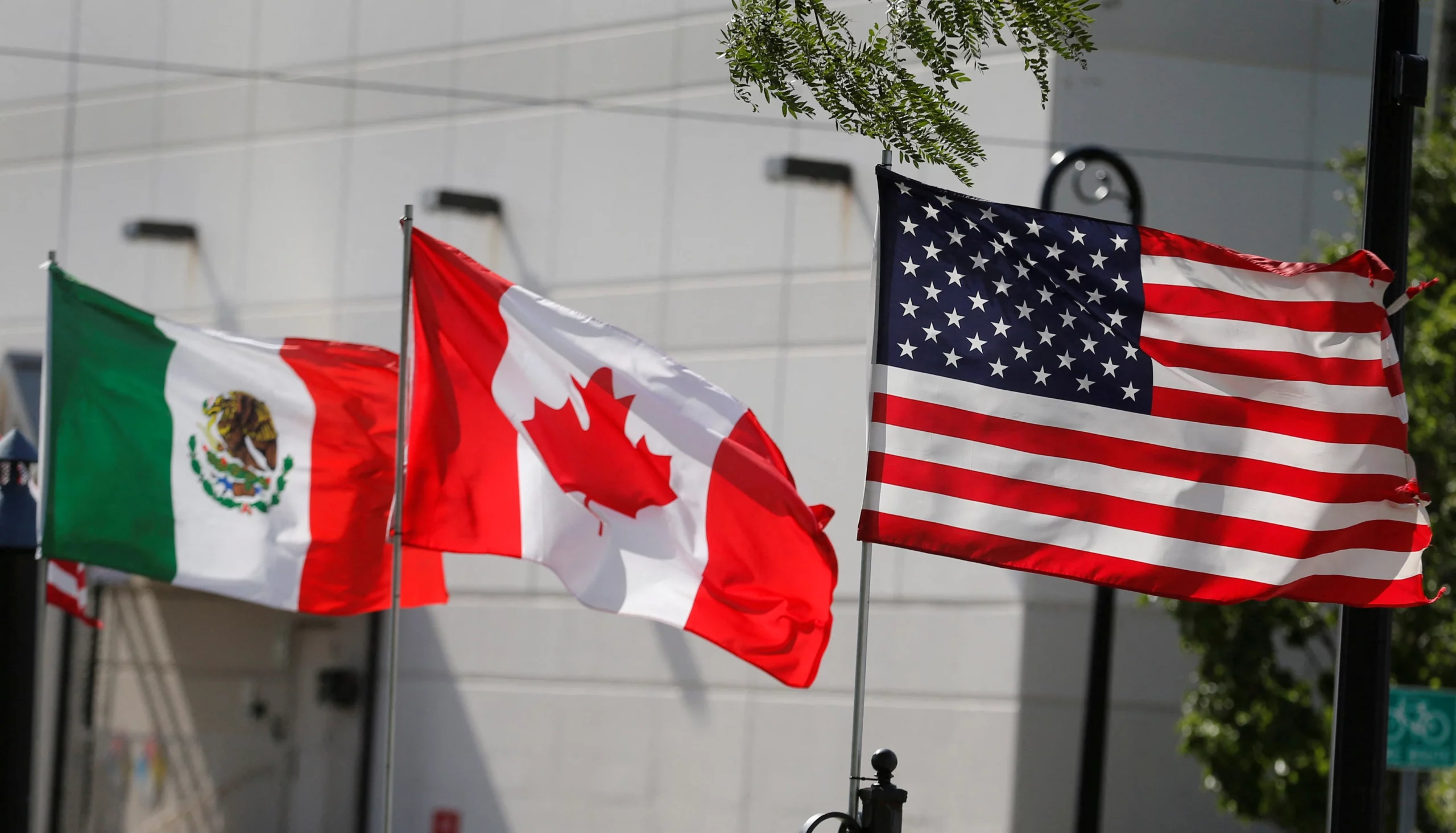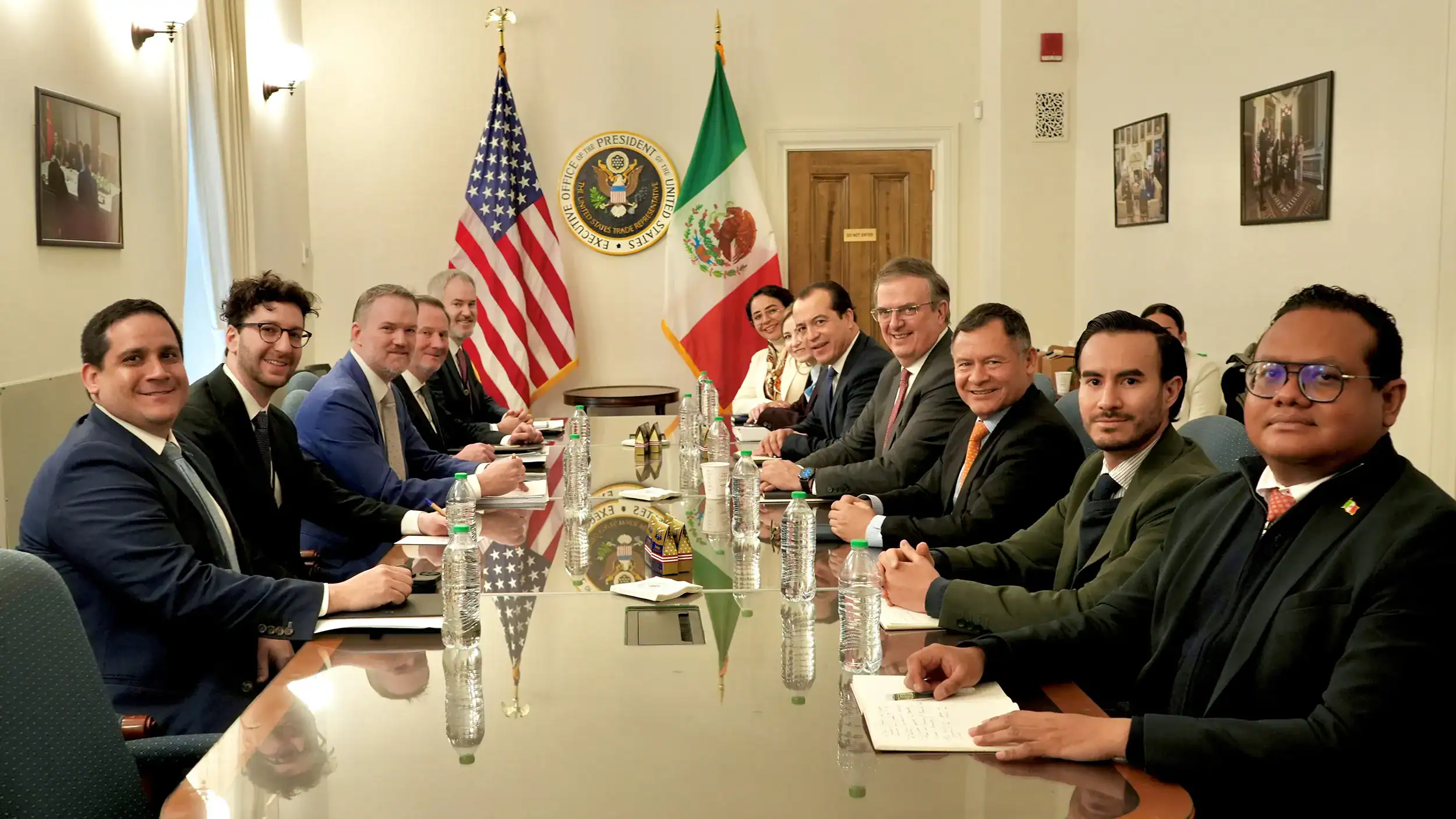
Reading Time: 4 minutesAfter months of preliminary meetings and endless public comments, the formal review of the USMCA agreement is finally here. Ahead of the July 1 meeting, public debate and expectations have focused on the choreography: who is signaling what, which sectors will be reopened, and whether the agreement will be extended for another 16 years or slide into costly annual reviews. While these considerations are undoubtedly relevant, they have crowded out the dimension that will shape North America’s security and competitiveness: how to treat and compete with China.
Concern about unfair trade—dumping and illegal subsidies—and about the scale and intent of Chinese investment in the region now drives much of how Washington, Ottawa and Mexico City approach one another. These concerns are being managed reactively, country by country, in ways that often raise barriers to legitimate trade within North America.
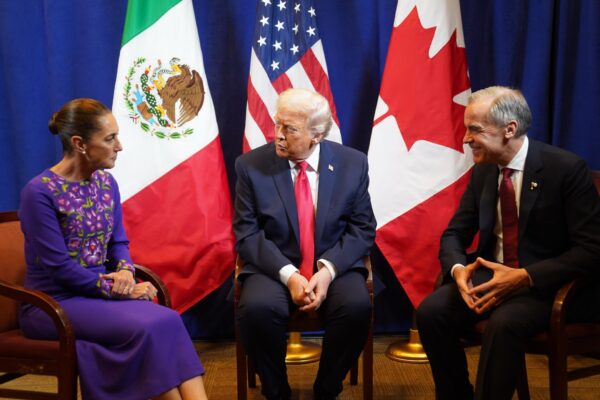
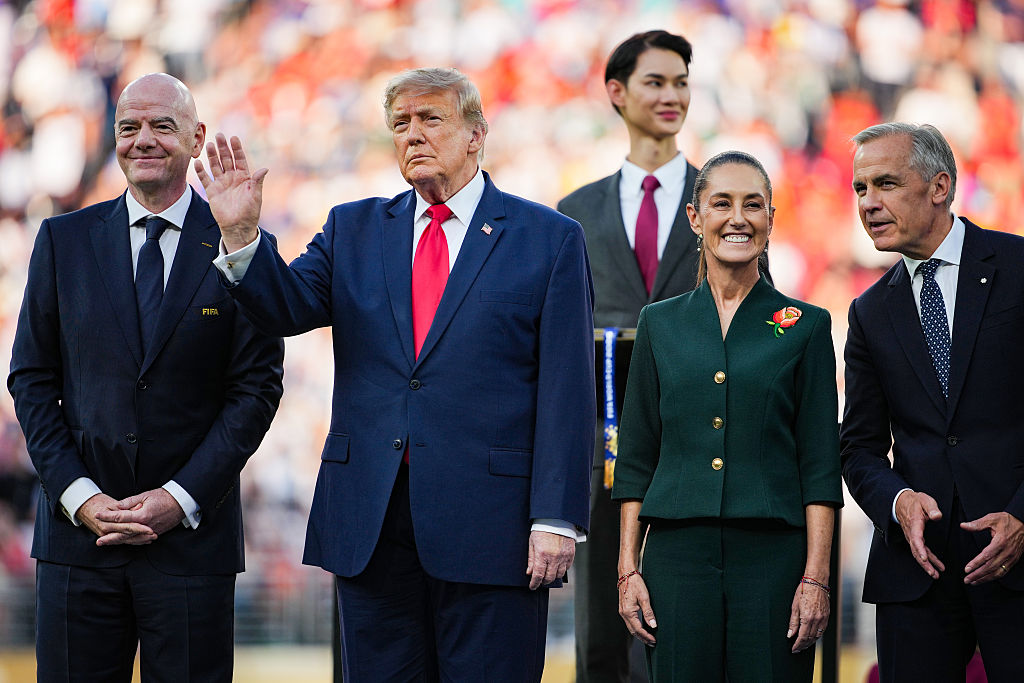
A high-sounding and drawn-out overture has led to this moment. President Donald Trump’s rhetoric and tariff policy have strained the trust of his counterparts. While earlier this year Canada’s Mark Carney warned about the “rupture” of the international system, Mexico’s Claudia Sheinbaum has shown a restrained demeanor, expressing confidence in the negotiations. Building a new consensus for the North American bloc will always be challenging, but in many ways, the stakes are higher than those reflected in the isolated issues of trade and investment at the center of the collective agreement under review. There’s much more in play.