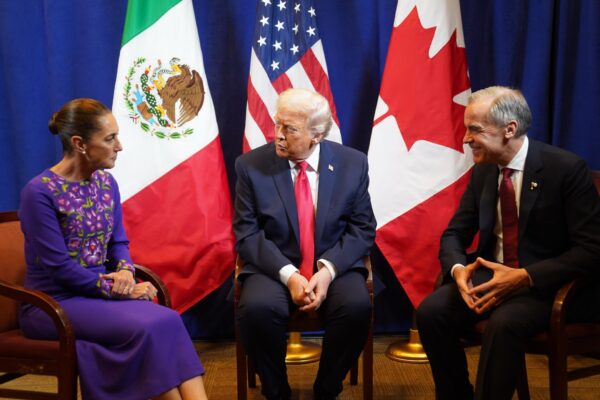
China will not have a seat at the table when the first joint review of the United States-Mexico-Canada Agreement begins in July 2026. It may still be the country that shapes the outcome most. The pact that replaced NAFTA is officially about rules of origin and labor enforcement. In practice, Washington has turned it into a question about China: whether Mexico can keep serving as North America’s factory floor without becoming a side door for Chinese goods, parts and investment.
At the first joint review – set to begin July 1, the sixth anniversary of the USMCA’s entry into force – the three governments are expected to begin deciding whether the agreement can be extended for another 16 years, or whether the process will slide into a longer period of annual reviews. If they cannot agree, the USMCA does not lapse at once; it would enter a stretch of annual reviews and expire in 2036.
U.S. Trade Representative Jamieson Greer told Congress in December that a rubberstamp extension would not serve the national interest, and pressed for structural change first.
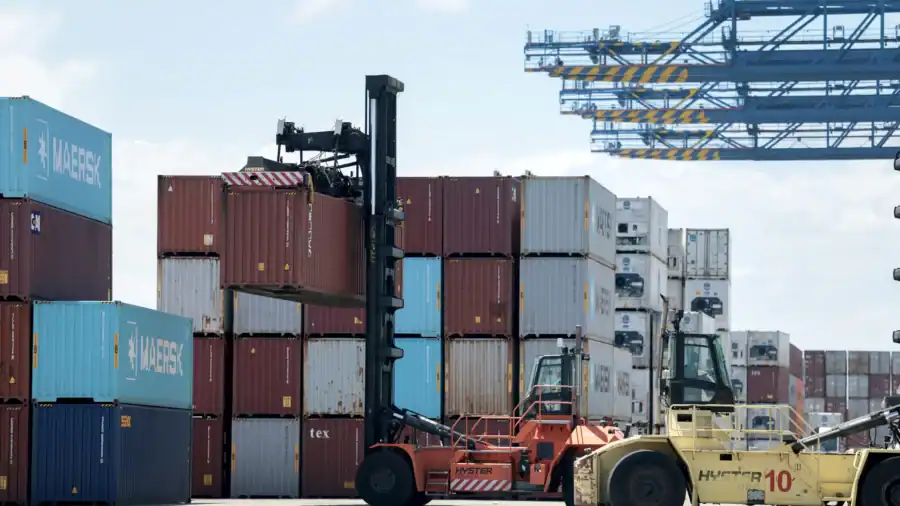
Washington has been open about its main concern: the United States does not want Chinese firms using Mexico as a platform for duty-free access to the U.S. market. Greer put it bluntly at his confirmation hearing, warning against a setup in which a company could “build a factory in Mexico, assemble it with parts” from China and ship the result north tariff-free.