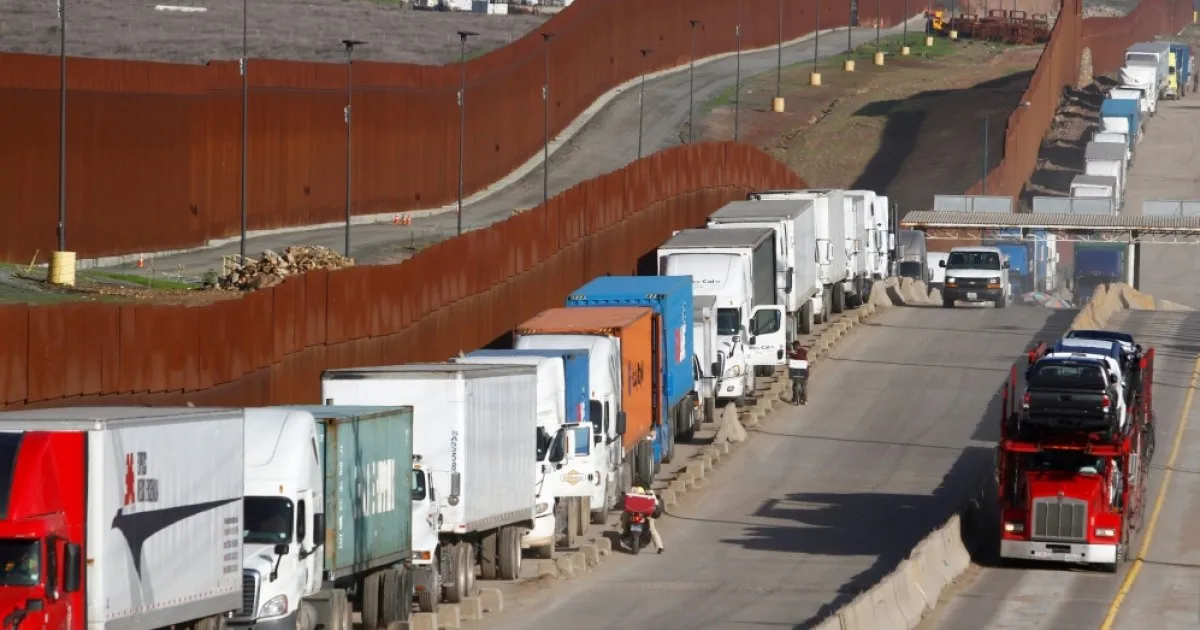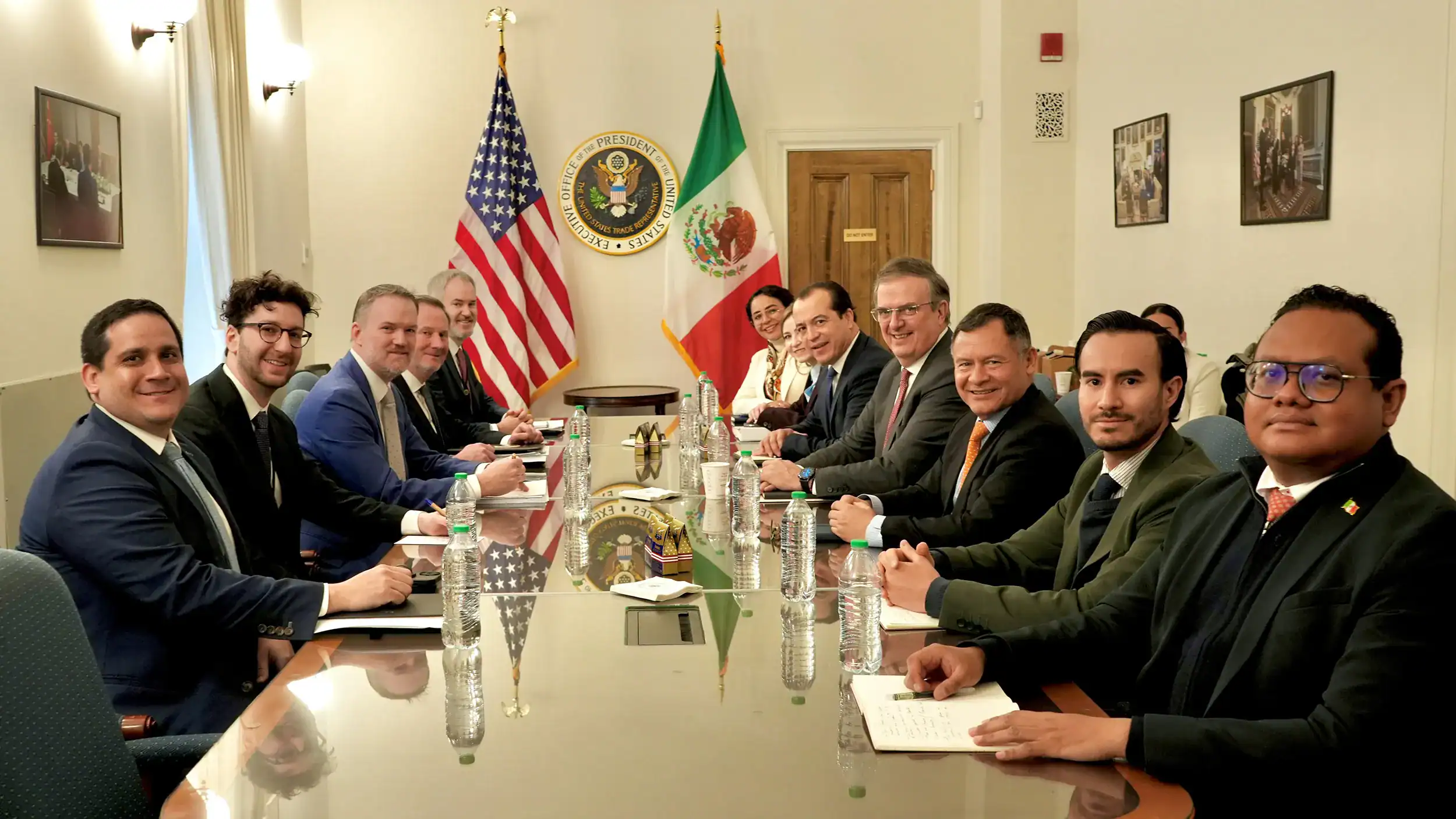
American and Mexican negotiators sat down in Washington on June 16 for a two-day round of trade discussions centered on agriculture and energy. The timing is not subtle. A mandatory joint review of the US-Mexico-Canada Agreement is due by July 1, and the president has already signaled he’d rather walk away than extend it.
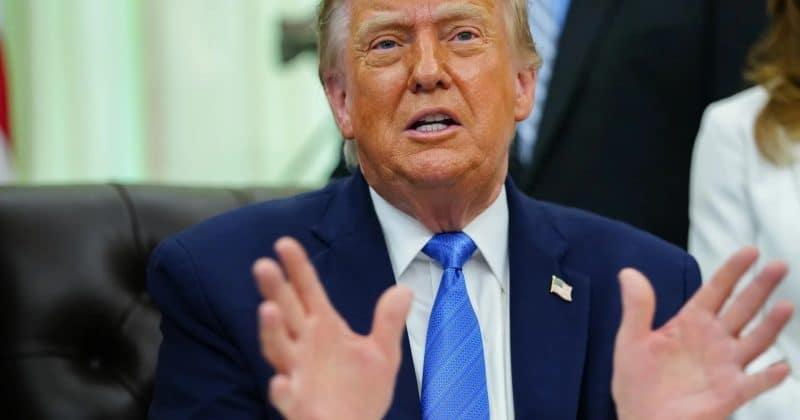
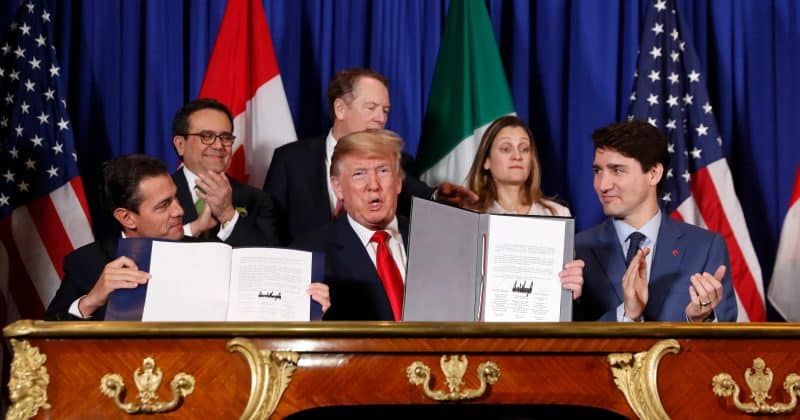
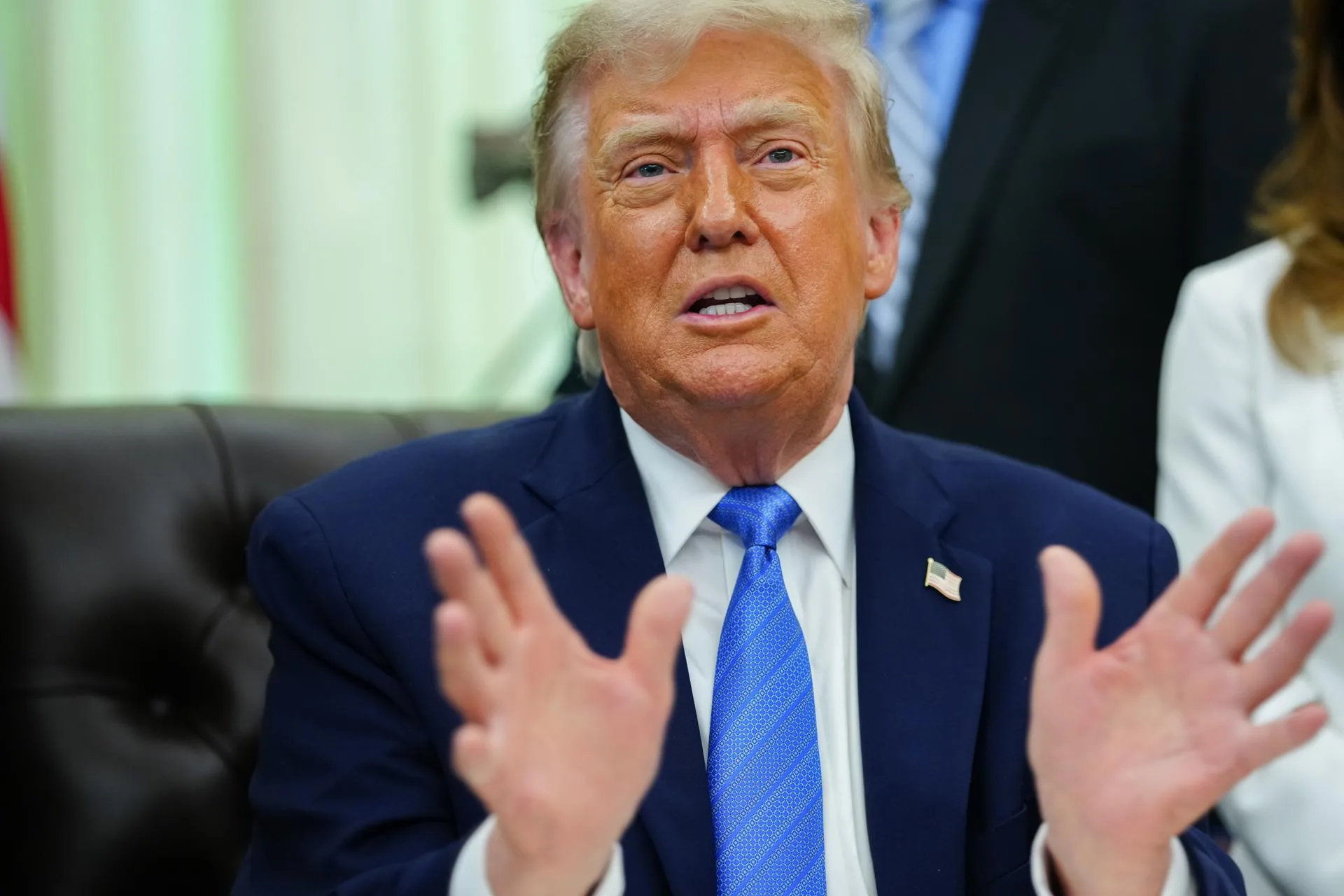
Trump said on June 10 that he is “not looking to renew” the USMCA, arguing the US could perform better on its own without relying on imports from Canada or Mexico. That’s a remarkable stance toward a deal his own first administration negotiated as the successor to NAFTA, which took effect on July 1, 2020.
What’s actually on the table
The Washington meetings mark the second round in a series of bilateral discussions. The first took place in Mexico City last month, and a third is already scheduled for July 20, again in Mexico City.
Agriculture and energy are the headline topics, but the negotiations extend well beyond those sectors. US demands reportedly include raising the required American content for vehicles to 50% and pushing the total regional content threshold up to 82%. In English: the US wants more cars built with American parts, and more North American components overall, before a vehicle qualifies for tariff-free treatment under the agreement.