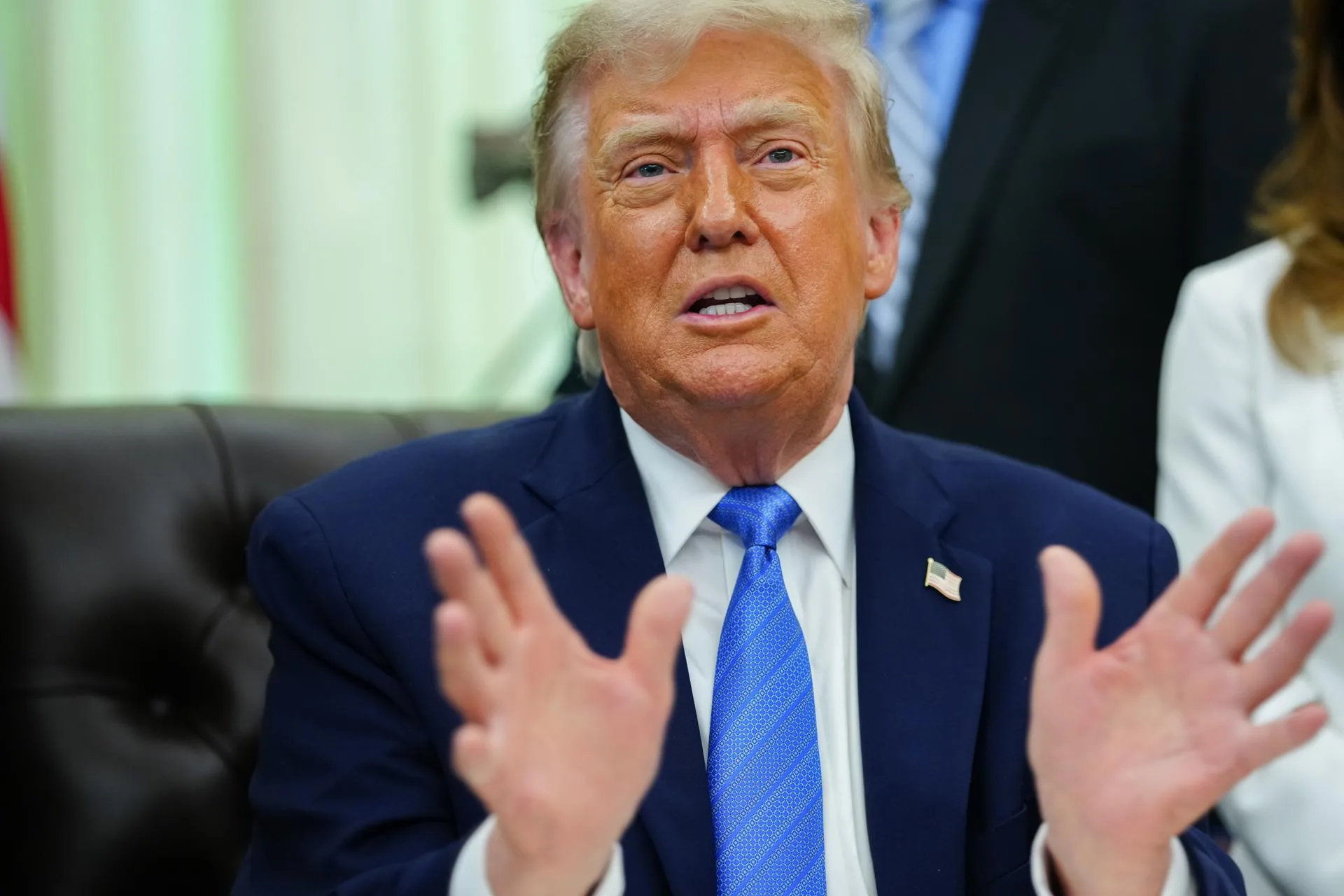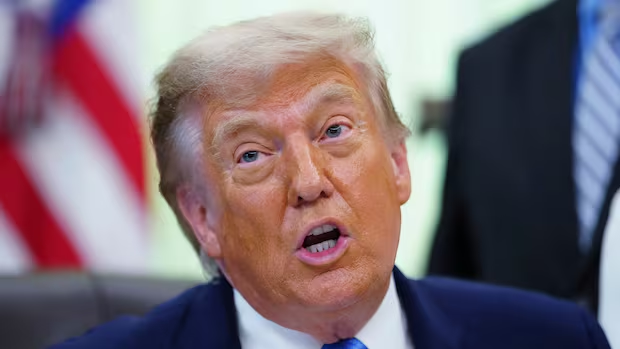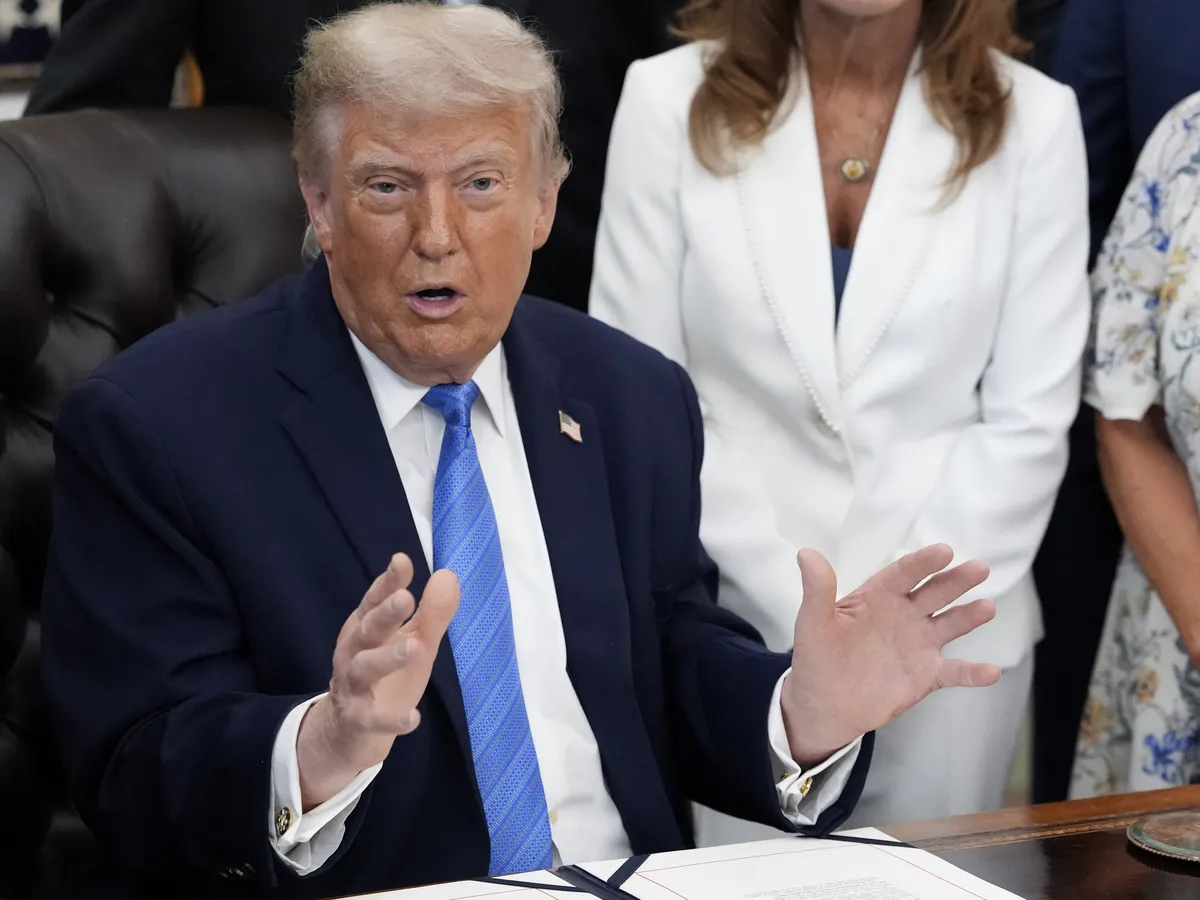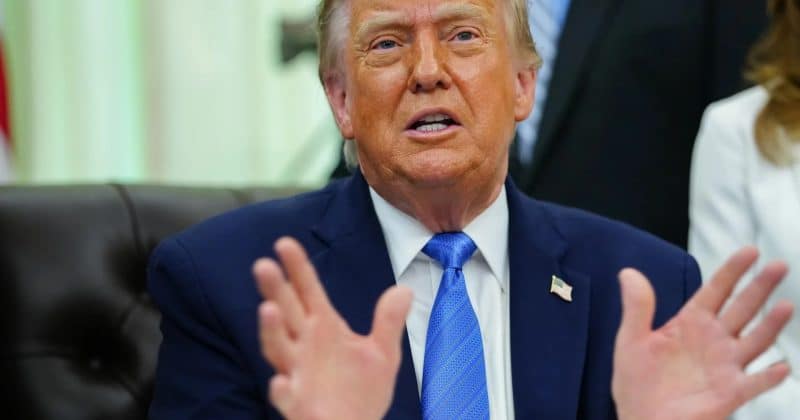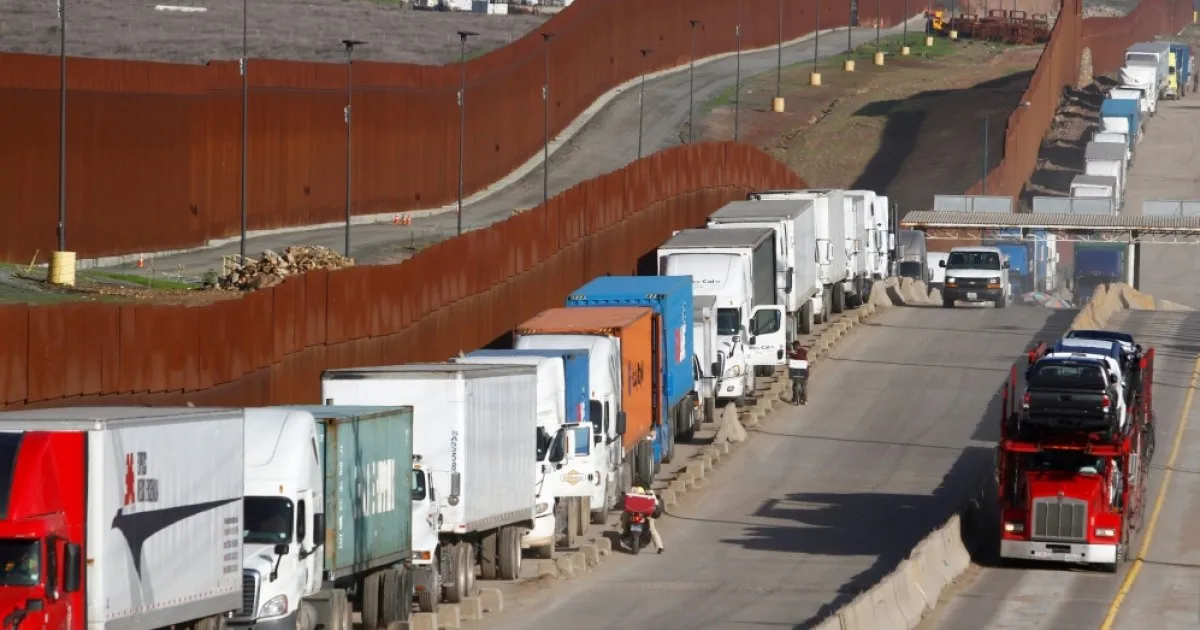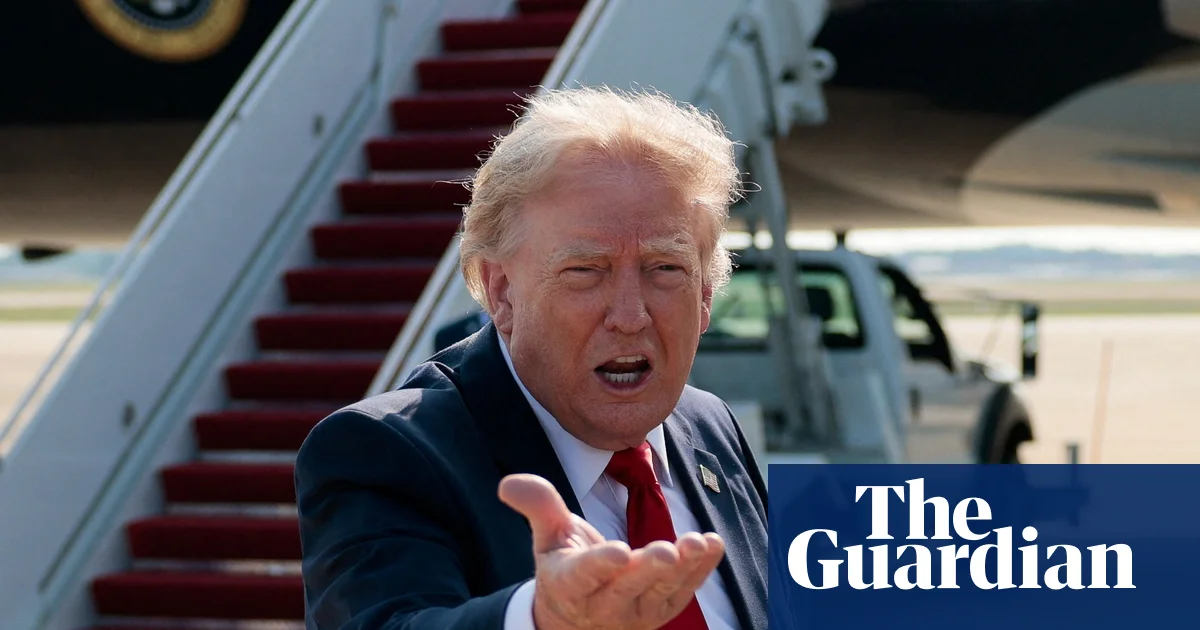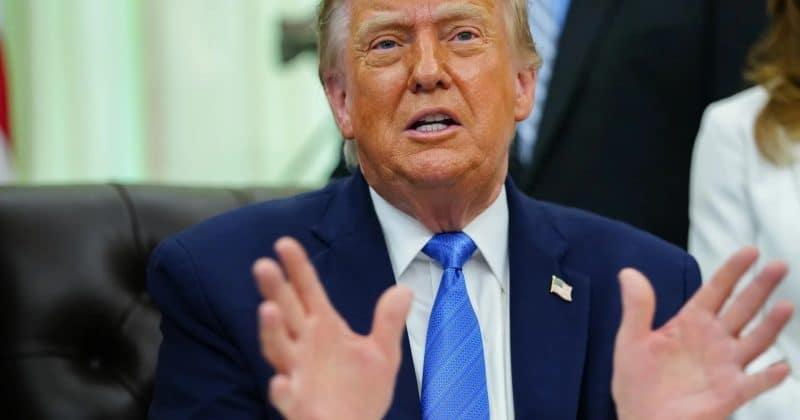
President Donald Trump told reporters on June 10 that he is “not looking to renew” the United States-Mexico-Canada Agreement, the trade pact his own first administration negotiated to replace NAFTA. He hasn’t decided on a specific course of action yet, but the message to Canada and Mexico was clear: the current deal isn’t cutting it.
The timing is not accidental. The USMCA’s first mandatory joint review is scheduled for July 1, 2026, just three weeks away. That review forces all three nations to decide whether to extend the agreement for another 16 years or let it drift toward expiration in 2036. Trump’s public skepticism reads less like a breakup letter and more like an opening bid.
What the USMCA review actually means
The USMCA, which took effect on July 1, 2020, was designed with a built-in checkpoint. Every six years, the US, Canada, and Mexico sit down and decide whether the deal still works for everyone.
If all three countries agree to extend it in 2026, the pact runs through 2036 with a fresh 16-year window. If they don’t agree, the agreement doesn’t immediately collapse. Instead, it triggers a series of annual reviews until 2036, at which point the deal expires unless the parties reach consensus somewhere along the way.