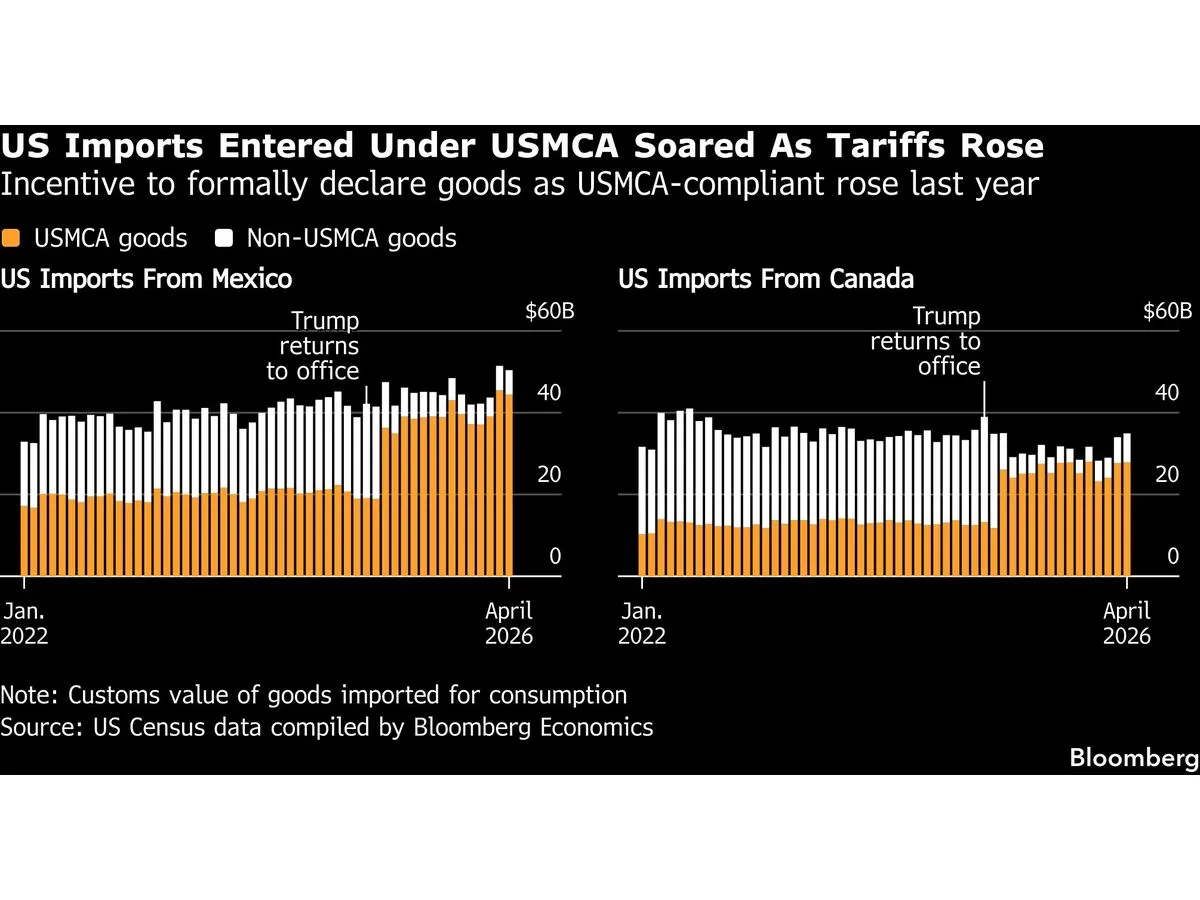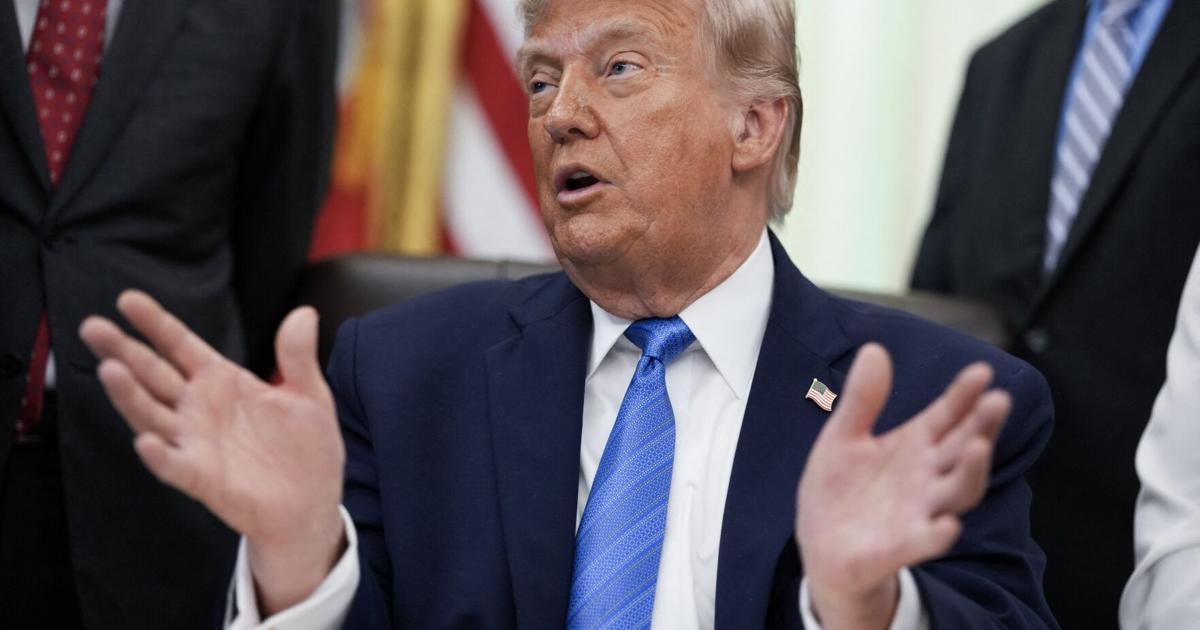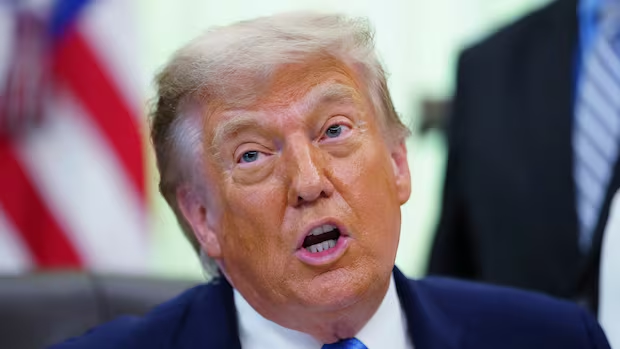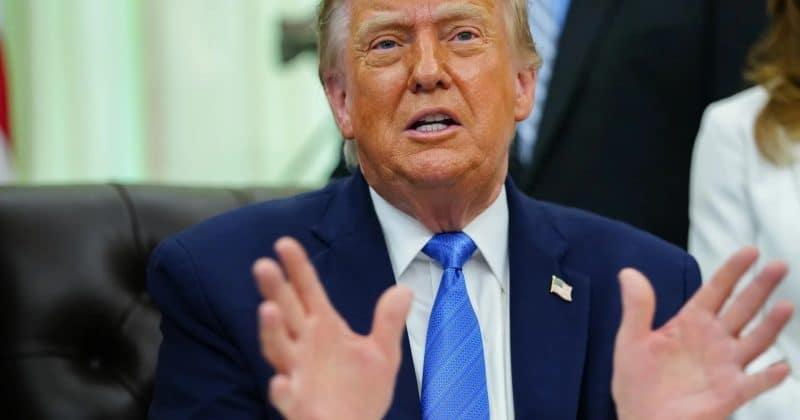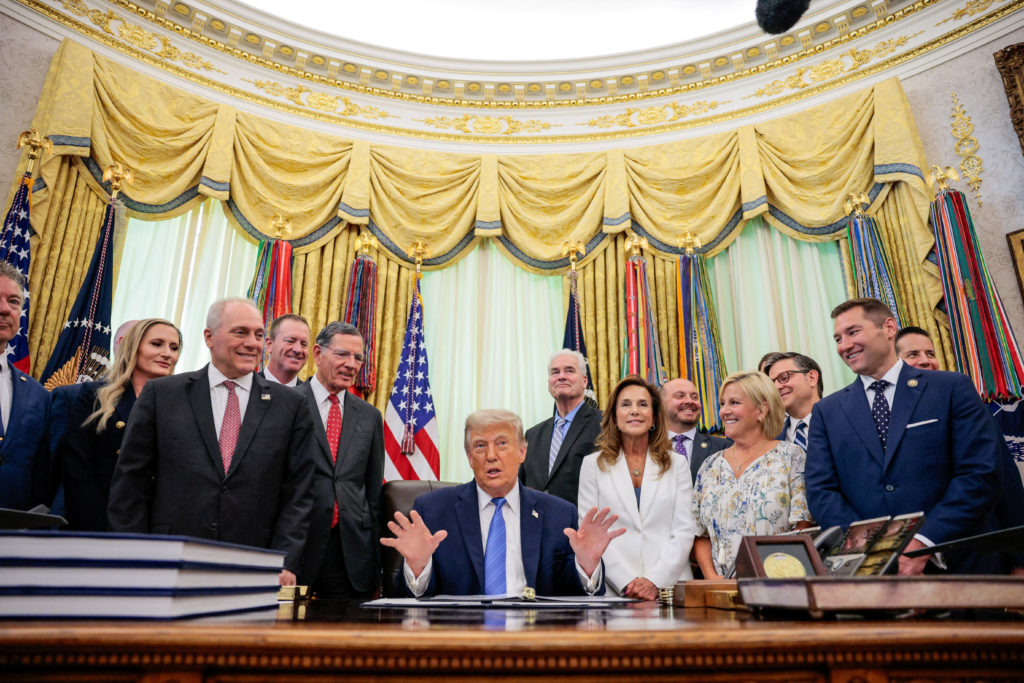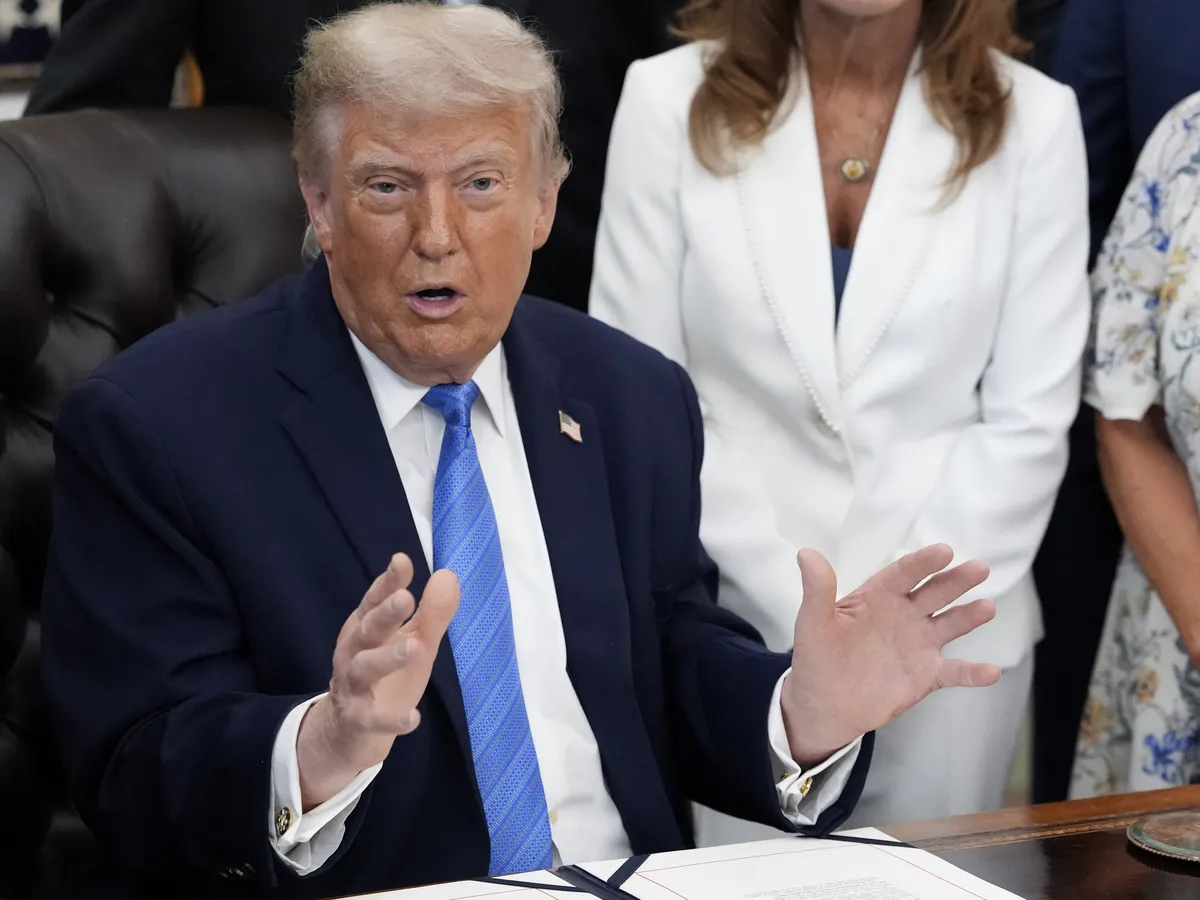
Skip to Content News Archives Economy Energy Oil & Gas Renewables Electric Vehicles Mining Commodities Agriculture Real Estate Mortgages Mortgage Rates Finance Banking Insurance Fintech Cryptocurrency Work Wealth Smart Money Wealth Management Investor Personal Finance Family Finance Retirement Taxes High Net Worth FP Comment Executive Women Puzzmo Newsletters Financial Times Business Essentials More Innovation Information Technology FP500 Podcasts Small Business Lives Told Tails Told Shopping Financial Post Store Obituaries Place a Notice Advertising Advertising With Us Advertising Solutions Postmedia Ad Manager Sponsorship Requests Classifieds Place a Classifieds ad Working Profile Settings My Subscriptions Saved Articles My Offers Newsletters Customer Service FAQ News Economy Energy Mining Real Estate Finance Work Wealth Investor FP Comment Executive Women Puzzmo Newsletters Financial Times Business Essentials HomeNewsTrump say he won't renew CUSMA, signalling yearly reviewsThe countries are facing a July 1 milestone to extend the pactAuthor of the article:Last updated 1 minute ago You can save this article by registering for free here. Or sign-in if you have an account.U.S. President Donald Trump speaks during a signing ceremony for the "Secure America Act" in the Oval Office of the White House in Washington, DC, on June 10, 2026. Photo by Ken Cedeno / AFP via Getty ImagesUnited States President Donald Trump said he would not reauthorize the U.S.’s trade deal with Canada and Mexico, setting the stage for months or years of negotiations over provisions governing automobiles and other key industries.Subscribe now to read the latest news in your city and across Canada.Exclusive articles from Barbara Shecter, Joe O'Connor, Gabriel Friedman, and others.Daily content from Financial Times, the world's leading global business publication.Unlimited online access to read articles from Financial Post, National Post and 15 news sites across Canada with one account.National Post ePaper, an electronic replica of the print edition to view on any device, share and comment on.Daily puzzles, including the New York Times Crossword.Subscribe now to read the latest news in your city and across Canada.Exclusive articles from Barbara Shecter, Joe O'Connor, Gabriel Friedman and others.Daily content from Financial Times, the world's leading global business publication.Unlimited online access to read articles from Financial Post, National Post and 15 news sites across Canada with one account.National Post ePaper, an electronic replica of the print edition to view on any device, share and comment on.Daily puzzles, including the New York Times Crossword.Create an account or sign in to continue with your reading experience.Access articles from across Canada with one account.Share your thoughts and join the conversation in the comments.Enjoy additional articles per month.Get email updates from your favourite authors.Create an account or sign in to continue with your reading experience.Access articles from across Canada with one accountShare your thoughts and join the conversation in the commentsEnjoy additional articles per monthGet email updates from your favourite authorsSign In or Create an AccountorThe countries are facing a July 1 milestone to extend the pact, which Trump negotiated during his first term, as is for 16 years. Such an extension wasn’t expected, with the U.S. president escalating trade tensions with the nation’s neighbours since returning to office. Without an extension, the deal will enter rolling annual reviews but remain in force for up to a decade, barring one country exiting it entirely.“I’m not looking to renew it,” Trump told reporters Wednesday at the White House. “Because to be honest with you, the United States does much better. We don’t need anything that Canada has, we don’t need anything that Mexico has, but they need everything that we have, and they have to treat us better.”Breaking business news, incisive views, must-reads and market signals. Weekdays by 9 a.m.By signing up you consent to receive the above newsletter from Postmedia Network Inc.A welcome email is on its way. If you don't see it, please check your junk folder.The next issue of Posthaste will soon be in your inbox.We encountered an issue signing you up. Please try againThe Mexican and Canadian governments did not immediately reply to a request for comment. The next round of U.S.-Mexico talks is set for this month, followed by a third in July. The U.S. and Canada have not yet launched formal negotiations.Mexico and Canada are two of the largest U.S. trading partners, doing nearly US$2 trillion in annual trade with each other. Goods that are compliant with the agreement have largely been exempt from Trump’s barrage of tariffs, helping keep prices lower for U.S. consumers.Trump did not say whether he was considering fully exiting the deal, which any party can do with six months’ notice.Trump has been pressing to change the pact and reshore key industries such as auto manufacturing, but the scope of his ambitions is not clear. The Office of the U.S. Trade Representative has consistently declined to specify whether the U.S. is willing to reopen the text of the agreement, which would almost surely require a vote in Congress.Instead, talks have focused on bilateral side-deals that are poised to center on whether the countries can strike agreements where Canada and Mexico offer concessions in exchange for tariff relief, particularly over Trump’s so-called Section 232 tariffs on automobiles and steel.Mexico has argued that the current tariff regime leaves its auto sector at a disadvantage compared to countries such as Japan and Korea, which struck top-line trade pacts with the U.S. to slash their auto tariffs to 15 per cent.Trump has privately mused about whether he should exit the pact, but has not yet publicly threatened to do so in his second term. He regularly made such threats during negotiations in his first term.The administration has also given preferential treatment to the trade agreement, exempting most CUSMA-compliant goods from Trump’s across-the-board tariffs, but undercutting the agreement by applying sectoral levies, such as on vehicles, a key industry upon which the trade deal was designed.Mexican and Canadian auto exports to the U.S. currently face a 25 per cent tariff on non-U.S. portions of the vehicle. Auto parts exports are not facing that levy, but the U.S. has threatened to apply a similar one.With assistance from Josh Wingrove, Brian Platt and Carolina Millán Join the Conversation This website uses cookies to personalize your content (including ads), and allows us to analyze our traffic. Read more about cookies here. By continuing to use our site, you agree to our Terms of Use and Privacy Policy.
Trump say he won't renew CUSMA, signalling yearly reviews
U.S. President Donald Trump said he would not reauthorize the U.S.’s trade deal with Canada and Mexico. Read more.
1,049 words~5 min read