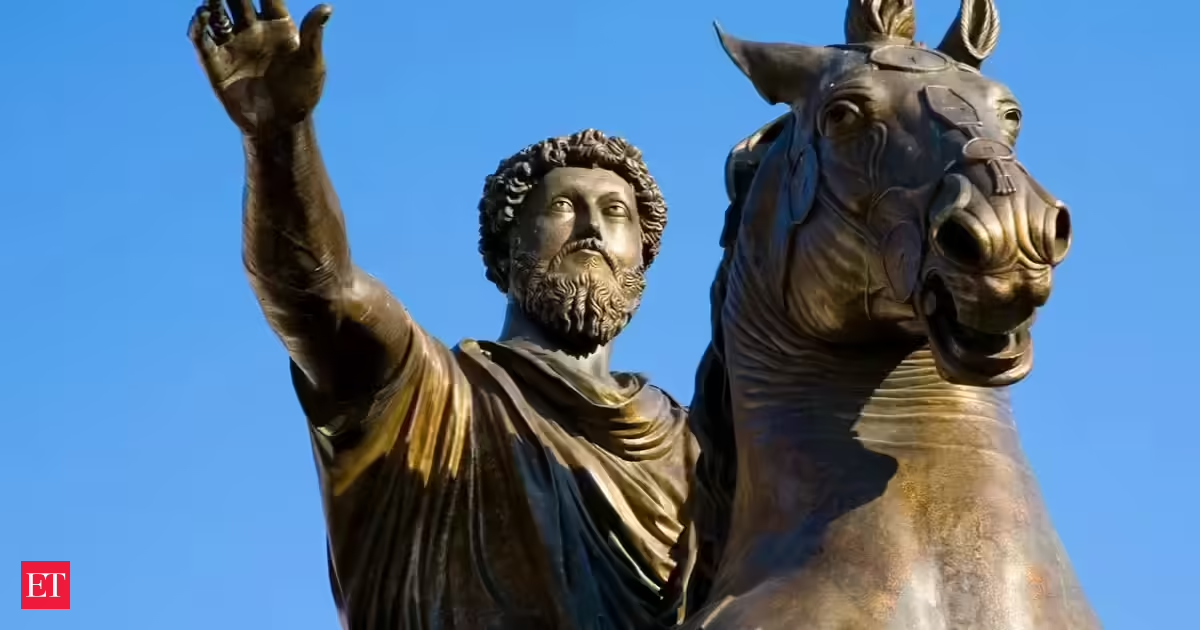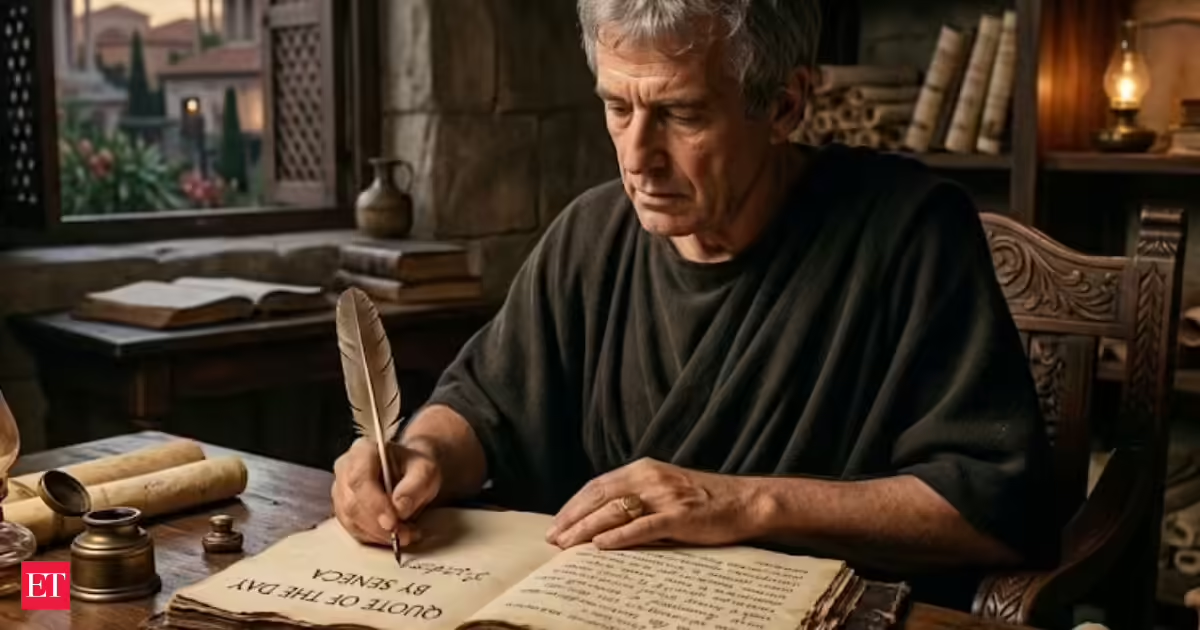
Quote of the day by Seneca: “The greatest wealth is a poverty of desires” is one of the Roman Stoic philosopher's most enduring reflections on happiness and contentment. Rather than measuring wealth by money, possessions or status, Seneca argued that true richness comes from needing less. The quote challenges the belief that fulfilment lies in constantly acquiring more, offering instead a timeless lesson on simplicity, self-control and inner peace. What Seneca's quote “The greatest wealth is a poverty of desires” means At first glance, the quote appears contradictory. How can having fewer desires make someone wealthier? Seneca's point is that a person who is constantly chasing more will rarely feel satisfied, no matter how much they possess. Desires tend to multiply, creating an endless cycle of wanting the next promotion, the latest technology or greater recognition. By contrast, someone who learns to appreciate what they already have becomes independent of constant craving. In Stoic philosophy, this freedom from unnecessary desires is a form of wealth that cannot be taken away by changing fortunes. A life lesson on contentment The quote encourages people to distinguish between needs and wants. Modern society often promotes the idea that success depends on accumulating more money, bigger homes or higher social status. While ambition has its place, Seneca believed that happiness should not depend entirely on external possessions. A person who is grateful for what they have is less vulnerable to disappointment and comparison. The lesson is not to reject success, but to ensure that success does not become the only source of fulfilment.Why the quote remains relevant today The message resonates strongly in an age of consumerism and social media, where people are constantly exposed to images of lifestyles that appear more glamorous or successful than their own. This environment can encourage endless comparison, making it easy to overlook personal achievements and everyday blessings. Seneca's words offer an alternative perspective by suggesting that peace comes not from having everything, but from wanting less. His philosophy aligns with modern ideas about mindful living, financial discipline and emotional wellbeing, all of which emphasise the importance of gratitude over constant consumption.Who was Seneca? Lucius Annaeus Seneca was a Roman Stoic philosopher, statesman, playwright and adviser to the emperor Nero during the first century AD. His essays and Letters to Lucilius remain among the most influential works of Stoic philosophy. Seneca wrote extensively about time, virtue, resilience, wealth and human nature, arguing that the greatest treasures are wisdom, character and self-mastery rather than material possessions. His teachings continue to influence readers seeking practical guidance on living a meaningful life.A timeless takeaway "The greatest wealth is a poverty of desires" reminds us that lasting happiness cannot be purchased. While possessions may provide comfort, true contentment comes from mastering one's desires rather than being ruled by them. More than two thousand years later, Seneca's insight remains remarkably relevant. In a world that constantly encourages people to seek more, his words invite us to pause, appreciate what we already have and recognise that the richest life is often the one that desires the least.
Quote of the day by Seneca: “The greatest wealth is a poverty of desires” a life lesson on finding contentment
Quote of the day by Seneca: “The greatest wealth is a poverty of desires” explores the Stoic philosopher's belief that true wealth comes from needing less rather than owning more. The quote encourages gratitude, self-control and contentment, reminding readers that lasting happiness is found not in endless possessions but in mastering desires and appreciating what life already offers.
TL;DRAI
Seneca: true wealth stems from limiting desires, not money or status. For tech leaders navigating FOMO and disruption, the insight matters—resilience builds by distinguishing needs from wants, not endless stack/trend acquisition.
513 words~2 min read