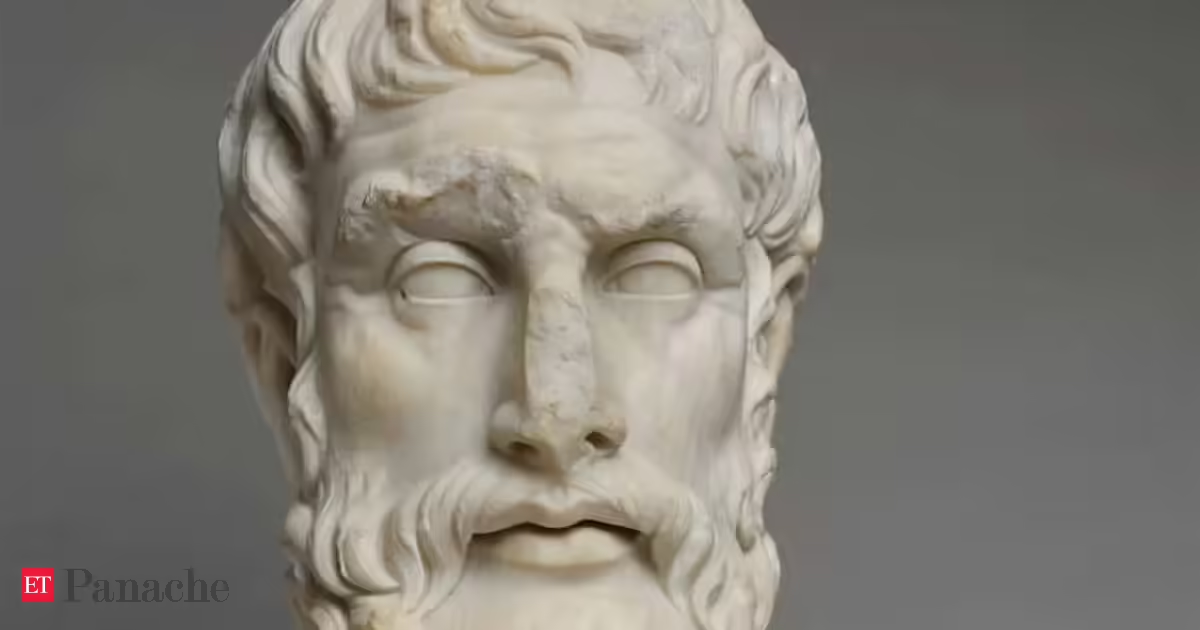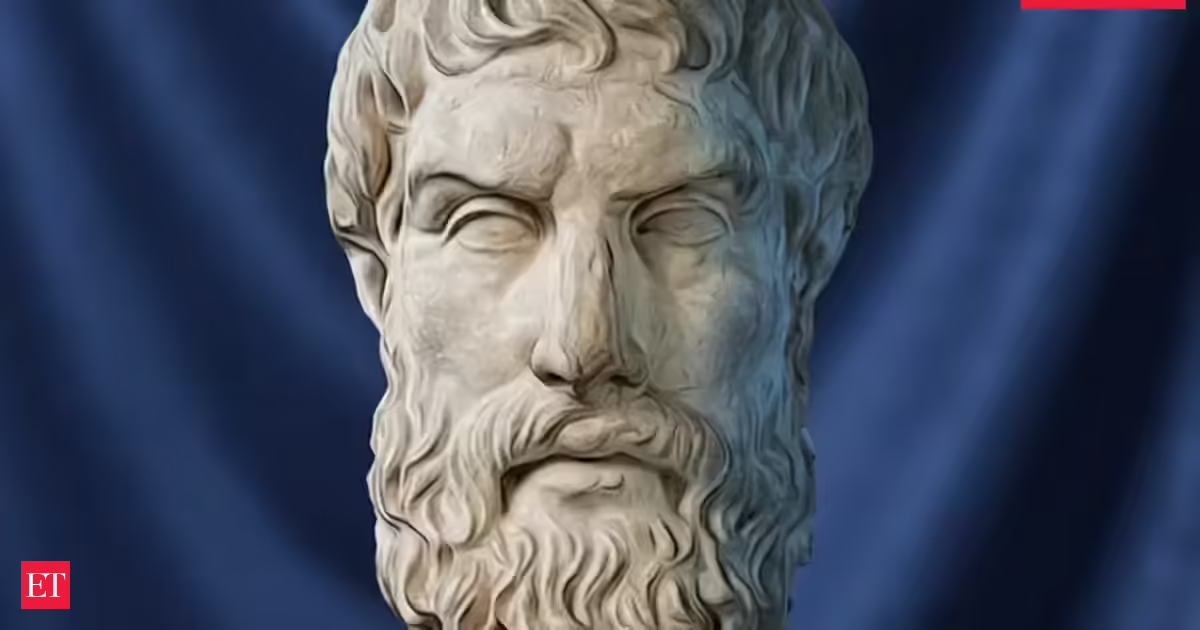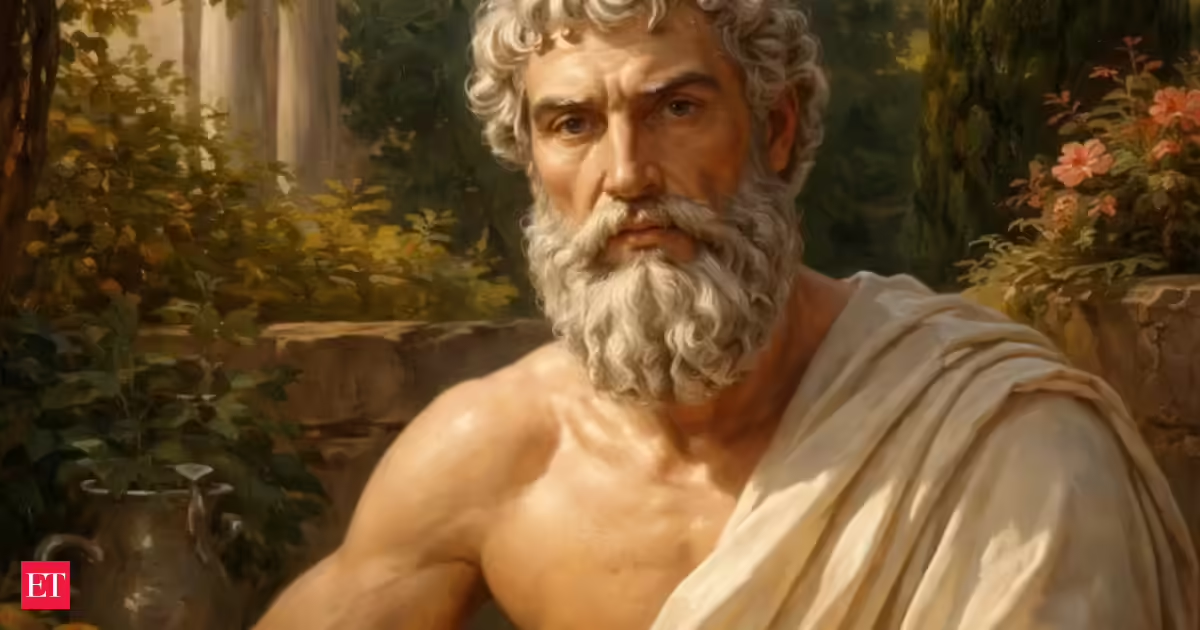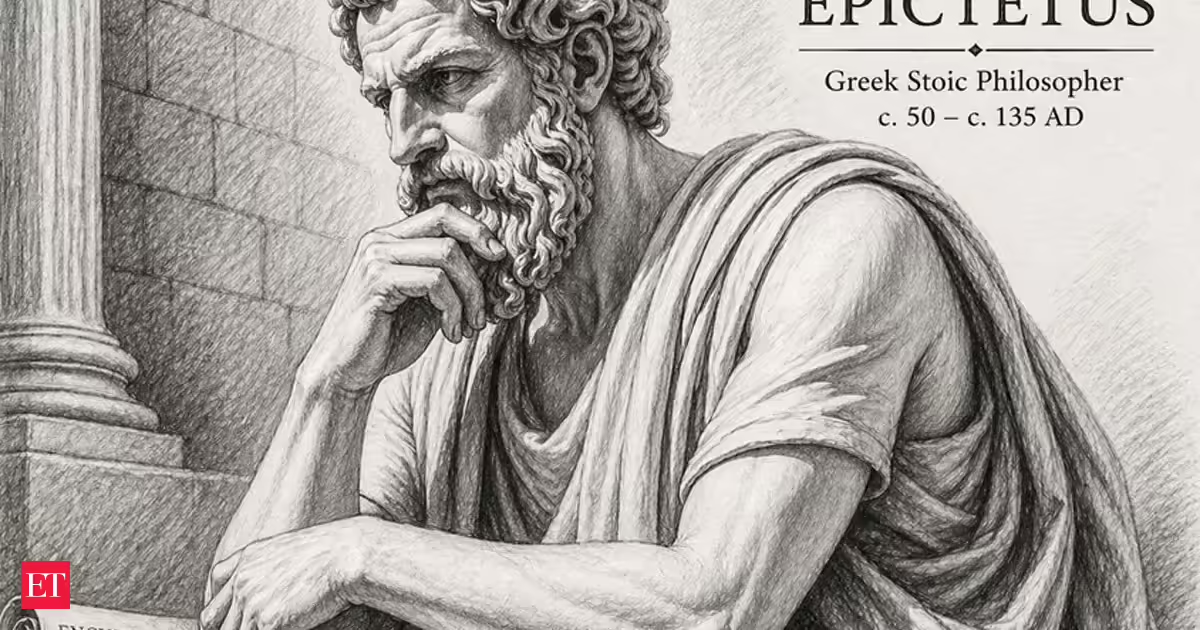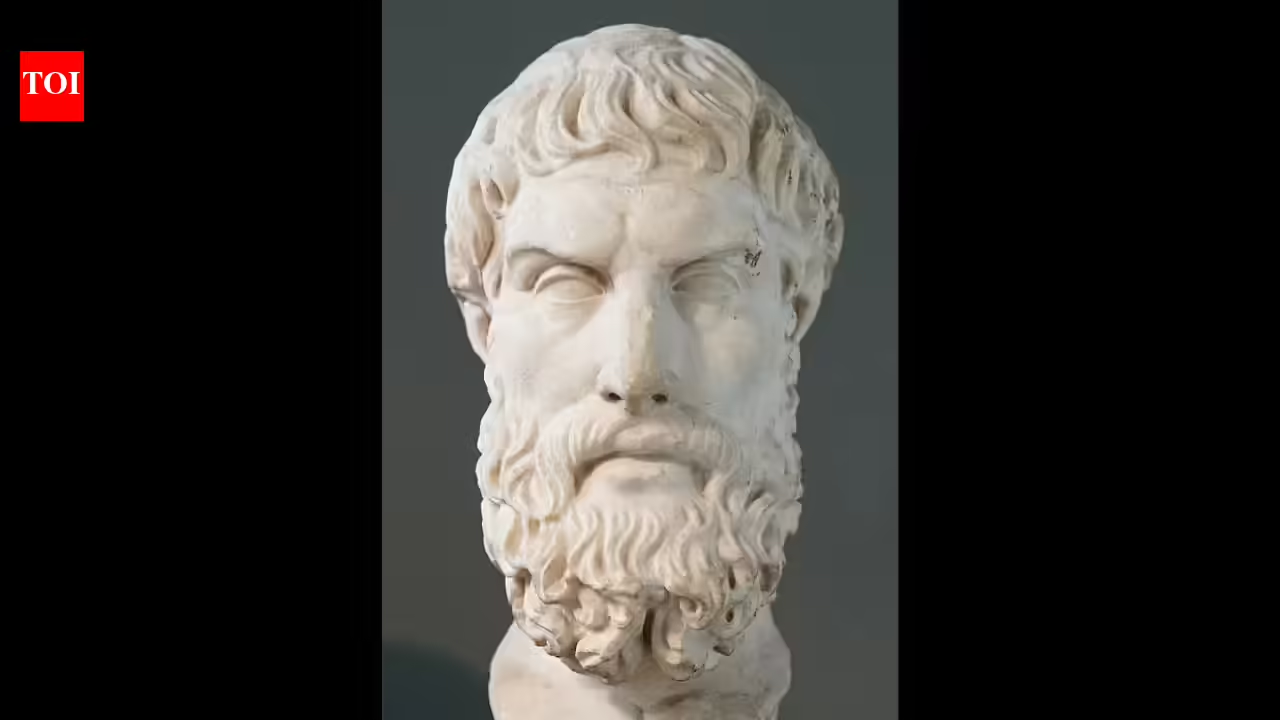
Quote of the day by Epicurus continues to inspire people who search for meaning in life, success, wealth and health. The famous Greek philosopher said, “Not what we have but what we enjoy, constitutes our abundance.” The statement explains that real happiness is connected to peace of mind and appreciation rather than material possessions. Epicurus built a philosophy around simple living, friendship and emotional balance. His teachings influenced generations of thinkers, writers and philosophers across Greece, Rome and Europe. Even today, people use his ideas to understand happiness, mental health, relationships and the purpose of life in changing social and economic conditions.Quote of the day today meaningGreek philosopher said, “Not what we have but what we enjoy, constitutes our abundance.” The quote by Epicurus explains that abundance is not measured by money, luxury or status. Instead, it depends on how people experience and value their lives. A person may own many things and still feel unhappy. Another person may live simply and still feel fulfilled because they appreciate relationships, health and daily experiences.Epicurus believed pleasure was important, but he did not define pleasure as excess or uncontrolled desire. He connected pleasure with peace, freedom from fear and freedom from pain. According to his philosophy, people should avoid unnecessary desires that create stress or dissatisfaction. The quote also reminds people that enjoyment is connected to gratitude. When people focus only on gaining more wealth or power, they may ignore the value of the present moment. Epicurus argued that satisfaction comes from understanding what is enough rather than always seeking more.You Might Also Like:Quote by Epicurus and its relevance todayQuote by Epicurus remains relevant because modern life often focuses on money, competition and social status. Many people measure success through possessions, careers or public recognition. However, stress, anxiety and loneliness continue to affect people across societies. Epicurus’ message encourages people to examine what truly brings peace and happiness. His philosophy supports the idea that emotional health, friendships and balance matter more than endless material pursuits.The quote is also connected to discussions about mental wellness. People today often face pressure from social media, work culture and financial expectations. Epicurus’ teaching suggests that peace of mind grows when individuals reduce unnecessary desires and value simple pleasures. The quote also applies to health. People may spend years building wealth while ignoring physical and emotional well-being. Epicurus believed a calm and balanced life supports happiness more effectively than constant struggle for material gain.Early life of EpicurusEpicurus was born in 341 BC on the island of Samos in Greece. His parents were Athenians who had settled there as military colonists. His father, Neocles, worked as a schoolteacher, while his mother, Chairestrate, belonged to the same village community. Epicurus reportedly began studying philosophy at the age of 14. According to one story, he became interested in philosophy after a teacher failed to explain the meaning of chaos in the works of Hesiod.You Might Also Like:One of his early teachers was Pamphilus of Samos, who followed Plato’s ideas. Later, Epicurus studied in the city of Teos under Nausiphanes, a follower of Democritus. During this period, Epicurus learned about atomistic theory, which later influenced his own philosophical ideas. At the age of 18, he went to Athens for military training required for citizenship. He may have heard the teachings of philosophers connected to Plato and Aristotle during this time. After political changes forced his family to leave Samos, Epicurus joined them in Colophon. Historians believe he spent several years travelling and developing his philosophy before beginning to teach publicly.The development of the Epicurean schoolEpicurus started teaching first at Mytilene and later at Lampsacus. During this period, he gained followers who later became important members of his philosophical movement. Among his close followers were Hermarchus, Metrodorus, Polyaenus and Idomeneus. These students later helped preserve and spread Epicurean philosophy. In 306 BC, Epicurus moved to Athens and bought a house with a garden where he established his school. The school became known as “The Garden.”Unlike many philosophical schools of the time, Epicurus’ school welcomed women and slaves. The community focused on friendship, discussion and simple living. Members avoided political competition and public ambition. Life inside the school remained modest. Water was the common drink, and bread formed part of the daily food. Epicurus believed people should reduce dependence on luxury because simple needs were easier to satisfy. His philosophy emphasized emotional calm, friendship and intellectual discussion rather than wealth or political power.You Might Also Like:Life lessons from the quoteThe quote by Epicurus offers several lessons that continue to influence modern thinking.Happiness does not depend on possessionsEpicurus argued that material things alone cannot guarantee peace or joy. People may continue chasing more wealth without feeling satisfied. The quote encourages people to appreciate experiences and relationships.Gratitude creates satisfactionThe philosopher believed people should value what they already have instead of focusing only on what they lack. Gratitude helps reduce stress and envy.Friendship matters in lifeEpicurus placed strong importance on friendship. He believed trusted relationships provide emotional support and security. Many modern studies about mental health also show the value of social connection.Simplicity can reduce stressEpicurus promoted a simple life because excessive desires often create anxiety. He believed peace comes when people understand which needs are necessary and which are not.Emotional balance supports healthThe quote also connects to emotional and physical well-being. Constant pressure for achievement can damage mental peace. Epicurus encouraged moderation and balance in daily life.Writings and influence of EpicurusEpicurus became known as a prolific writer. Ancient historian Diogenes Laërtius preserved three important letters written by him. These letters discussed physics, ethics and theology. His collection called “Principal Doctrines” included short philosophical statements that summarized his teachings. Fragments of his writings were also discovered in Herculaneum through ancient papyri. These texts helped historians understand his ideas in greater detail.Epicurus later influenced Roman thinkers including Lucretius, Cicero and Plutarch. In the 17th century, French philosopher Pierre Gassendi revived interest in Epicurean ideas. Although the modern word “epicurean” is often associated with luxury or rich food, Epicurus himself promoted moderation and simplicity.Death and legacy of EpicurusEpicurus died in Athens in 270 BC at the age of 72. Historical accounts say he suffered from prostatitis but remained calm during his final days. Before his death, he wrote letters to friends and ensured his students and followers would continue the school. His will provided support for his followers, freed his slaves and arranged annual gatherings in his memory.The philosophy of Epicurus survived for centuries after his death. His teachings continue to appear in discussions about happiness, ethics, psychology and mental health. Today, the quote “Not what we have but what we enjoy, constitutes our abundance” remains one of the most widely shared ideas connected to personal fulfillment and balanced living.
Quote of the day by Epicurus: 'Not what we have but what we...' Life lessons on success, wealth and health by popular Greek philosopher
Quote of the day by Epicurus focuses on the idea that happiness does not come from wealth or possessions alone. The Greek philosopher explained that enjoyment, peace, friendship and simple living shape a meaningful life. His quote remains relevant in discussions about success, health, mental peace and personal satisfaction in modern society.
1,122 words~5 min read