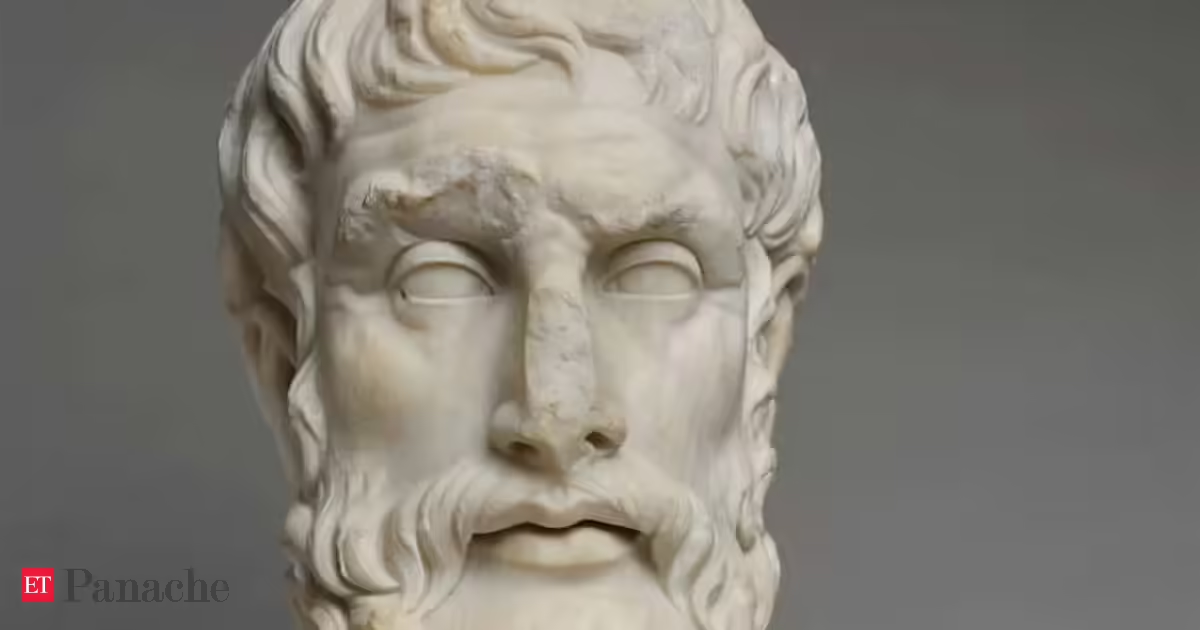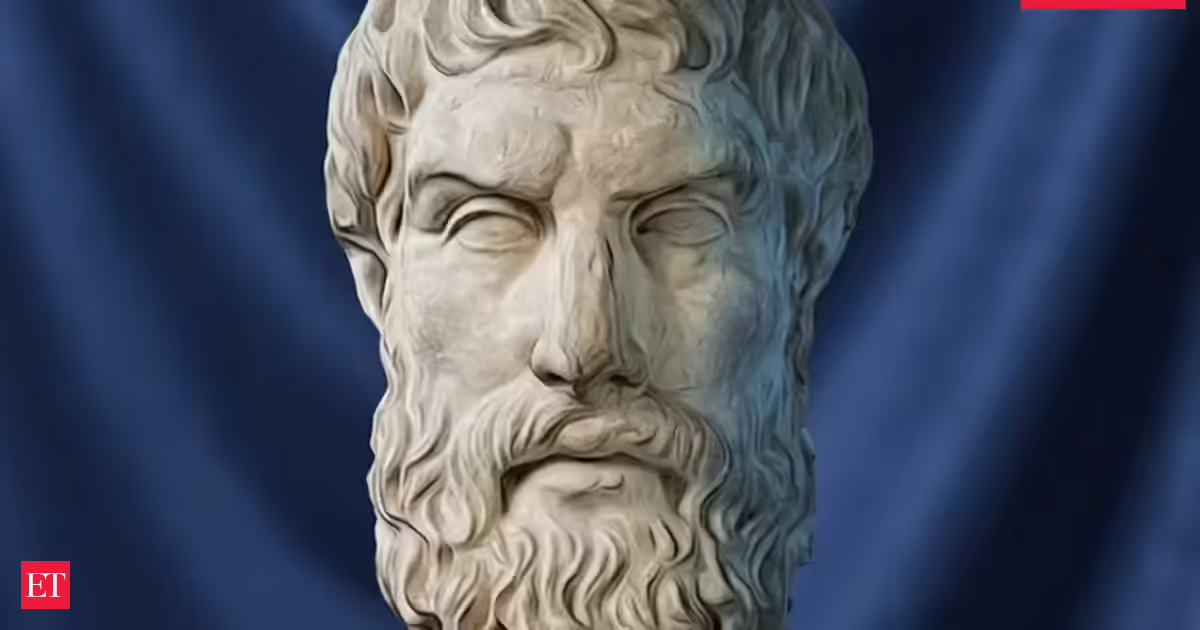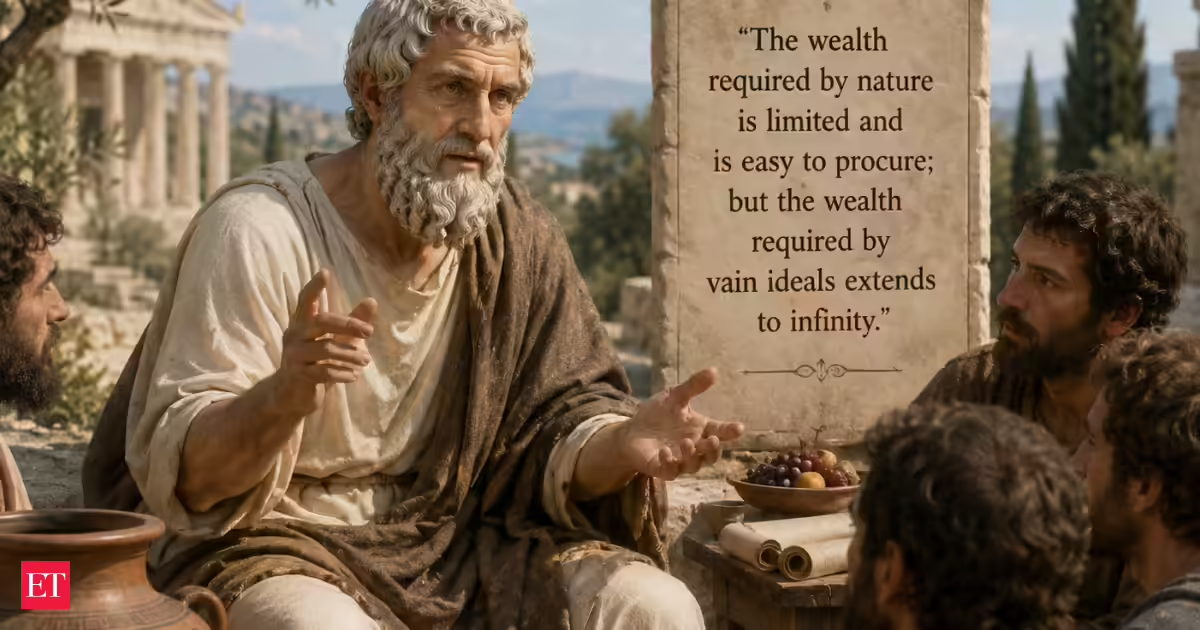
Quote of the day by Epicurus continues to inspire people who are searching for happiness in everyday life. The famous saying, "Being happy is knowing how to be content with little," explains that lasting peace comes from controlling desires instead of collecting more possessions. Epicurus believed that people should appreciate what they already have, value friendships and enjoy the present moment. His philosophy was developed more than 2,000 years ago, yet many people still find it relevant today. The quote also encourages people to think about gratitude, simplicity and the difference between needs and endless wants while living a balanced life.Quote of the day by Epicurus meaning, life lessons and why it still mattersThe quote by Epicurus is:"Being happy is knowing how to be content with little."This quote focuses on the idea that happiness does not depend on owning more things. Instead, it comes from appreciating what is already available in life. According to Epicurus, people become dissatisfied when they constantly compare themselves with others or continue chasing wealth, status and luxury.The quote encourages people to reduce unnecessary desires and enjoy simple moments. It explains that contentment is not about giving up goals but about understanding what is truly necessary for a peaceful life.You Might Also Like:What does the quote mean?Epicurus believed that people often create their own unhappiness by wanting more than they actually need.His message can be understood in simple points:Happiness comes from appreciating what you already have.Endless desire often creates dissatisfaction.Material wealth alone cannot provide lasting peace.Gratitude helps people enjoy the present.Simplicity allows people to live with fewer worries.The quote reminds people that satisfaction begins with changing their mindset instead of changing their possessions.Epicurus developed a philosophy that focused on reducing unnecessary suffering and increasing peace of mind. His ideas remain widely discussed because they deal with everyday challenges that people continue to face.You Might Also Like:Some of his main lessons include:Learn to manage desiresEpicurus divided human desires into three groups.They include:Natural and necessary desiresNatural but unnecessary desiresEmpty or vain desiresAccording to him, happiness grows when people focus only on what is essential. Food, shelter and health are basic needs. Endless luxury, fame and power are not necessary for a peaceful life.Practice gratitudeEpicurus encouraged people to appreciate what they already possessed.He also expressed this idea through another well-known teaching:"Do not spoil what you have by desiring what you have not."He believed many comforts people enjoy today were once dreams they hoped would come true. Remembering this helps people remain thankful instead of constantly wanting something else.Value friendshipsEpicurus considered friendship one of the greatest sources of happiness.He believed close relationships provide:Emotional supportTrustComfort during difficult timesLong-term happinessAccording to his philosophy, meaningful friendships bring greater security than material possessions.Avoid endless ambitionEpicurus warned that constant pursuit of status, wealth and influence can create stress and anxiety. Instead of measuring success through possessions, he encouraged people to focus on inner peace. His philosophy does not reject achievement. Rather, it suggests that ambition should not become the only source of happiness.Why the quote remains relevant today?Modern life often encourages people to compare themselves with others through social media, careers and lifestyles.Many people feel pressure to:Earn more moneyBuy more productsReach higher social statusCollect more possessionsEpicurus' message offers a different perspective. It suggests that happiness depends less on external success and more on satisfaction with everyday life. Many people continue to find value in this idea because it helps reduce constant comparison and unnecessary stress.Different opinions on contentment and ambitionAlthough Epicurus' philosophy remains influential, discussions continue about how people should balance contentment with personal ambition. Some users on Reddit's r/Stoicism forum argue that becoming satisfied with very little may reduce motivation to grow or improve.Others believe that inner peace actually supports achievement. According to this view, people who are already content make decisions with less fear, less pressure and more clarity. This discussion shows that Epicurus' ideas continue to generate debate even today.Who was Epicurus?Epicurus was a Greek philosopher born in 341 BC on the island of Samos. His parents were Athenian settlers. His father, Neocles, worked as a schoolteacher, while his mother was Chairestrate.According to his own account, Epicurus began studying philosophy at the age of 14. One story says he became interested in philosophy after a teacher failed to explain the meaning of chaos described by the poet Hesiod.His early teachers included:Pamphilus of SamosNausiphanes of Teos, a follower of DemocritusEpicurus later developed ideas influenced by atomism, but he used those ideas mainly to explain how people could achieve ethical and peaceful lives.His education and teaching journeyAt the age of 18, Epicurus travelled to Athens for military training required for Athenian citizenship. After returning to his family, he spent several years travelling, studying and developing his philosophical ideas.When he was 32 years old, he began teaching:First at MytileneLater at LampsacusDuring this period, many followers joined him, including Hermarchus, Metrodorus, Polyaenus and several other students who later helped spread Epicurean philosophy.The Garden school in AthensIn 306 BC, Epicurus returned to Athens and bought a house with a garden. There he founded a school called The Garden.Unlike several philosophical schools of the time, The Garden accepted:WomenEnslaved peopleStudents from different backgroundsLife inside the community remained simple.Daily life included:Water as the usual drinkSmall amounts of wineBarley breadSimple mealsDuring food shortages, Epicurus reportedly distributed small numbers of beans among his students. His school focused less on politics and public life and more on friendship, discussion and peaceful living.His writings and influenceEpicurus wrote many works during his lifetime. Although many have been lost, important writings remain available through later collections.Among the best-known surviving works are:Letter to Herodotus on physicsLetter to Pythocles on meteorologyLetter to Menoeceus on ethicsPrincipal Doctrines, a collection of 40 statementsFragments of his writings were also discovered in papyrus scrolls at Herculaneum. His ideas later influenced several important thinkers. The Roman poet Lucretius based much of his work on Epicurus' philosophy. Roman writer Cicero discussed his teachings, while Plutarch also referred to Epicurean ideas. Centuries later, French philosopher Pierre Gassendi revived parts of Epicurus' atomistic philosophy during the 17th century.His final yearsEpicurus died in 270 BC at the age of 72 in Athens. Historical accounts say he suffered from prostatitis during his final illness. Even while facing pain, he reportedly remained committed to the philosophy of calmness and peace that he had taught throughout his life.Before his death, he arranged for:His school to continueHis friends and followers to be supportedHis slaves to be freedAnnual celebrations of his birthday and memoryThese arrangements reflected the values of friendship and community that remained central to his philosophy.Why the message continues to matter?Epicurus' quote continues to resonate because it speaks about issues that remain part of everyday life.People still struggle with:Comparing themselves with othersWanting more possessionsBalancing ambition and peaceFinding lasting happinessHis message encourages people to pause, appreciate the present and understand that contentment often begins with changing expectations rather than increasing possessions. More than two thousand years after it was first taught, the philosophy continues to influence discussions about happiness, gratitude and living with purpose.
Quote of the day by Epicurus: 'Being happy is knowing how to...' Life lessons from motivational quote on simplicity, material wealth, true abundance, managing desires and gratitude
Quote of the day by Epicurus reminds people that happiness comes from being content with what they already have instead of constantly seeking more. The ancient Greek philosopher believed that managing desires, practicing gratitude, building friendships and avoiding endless ambition create peace of mind. His teachings continue to influence discussions on happiness, simplicity, wealth and personal growth while remaining relevant in modern life.
1,163 words~5 min read