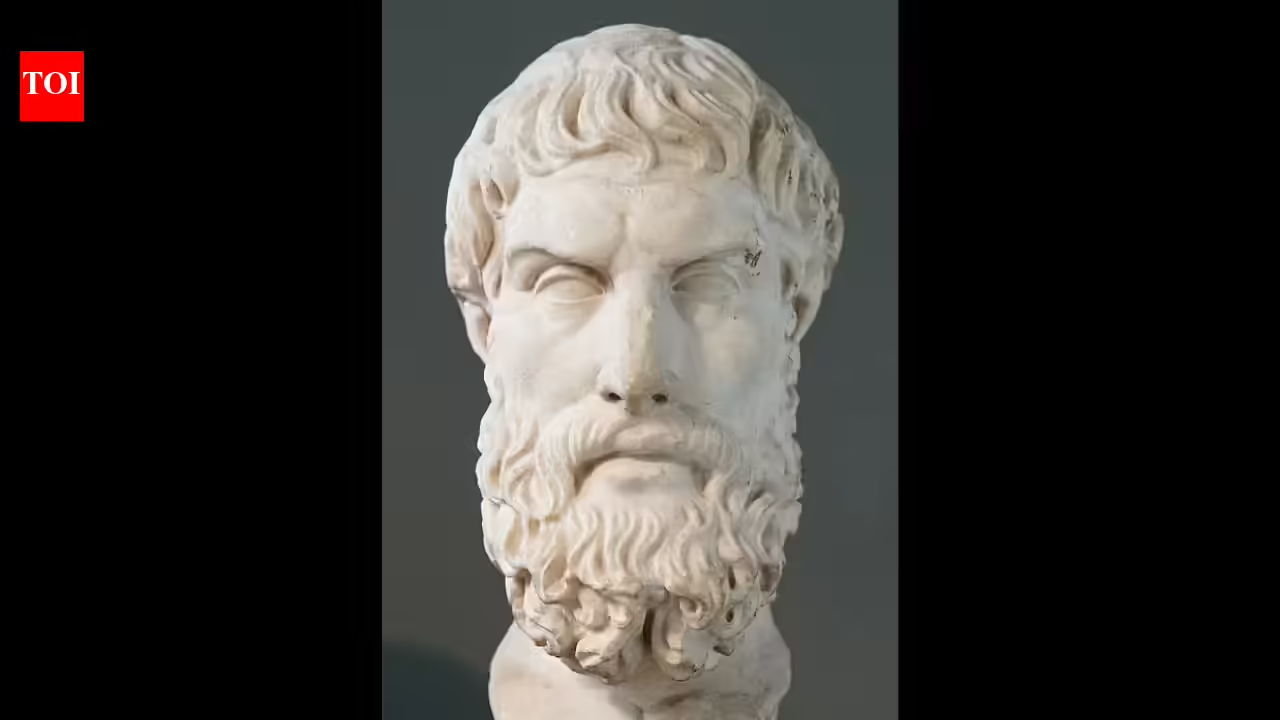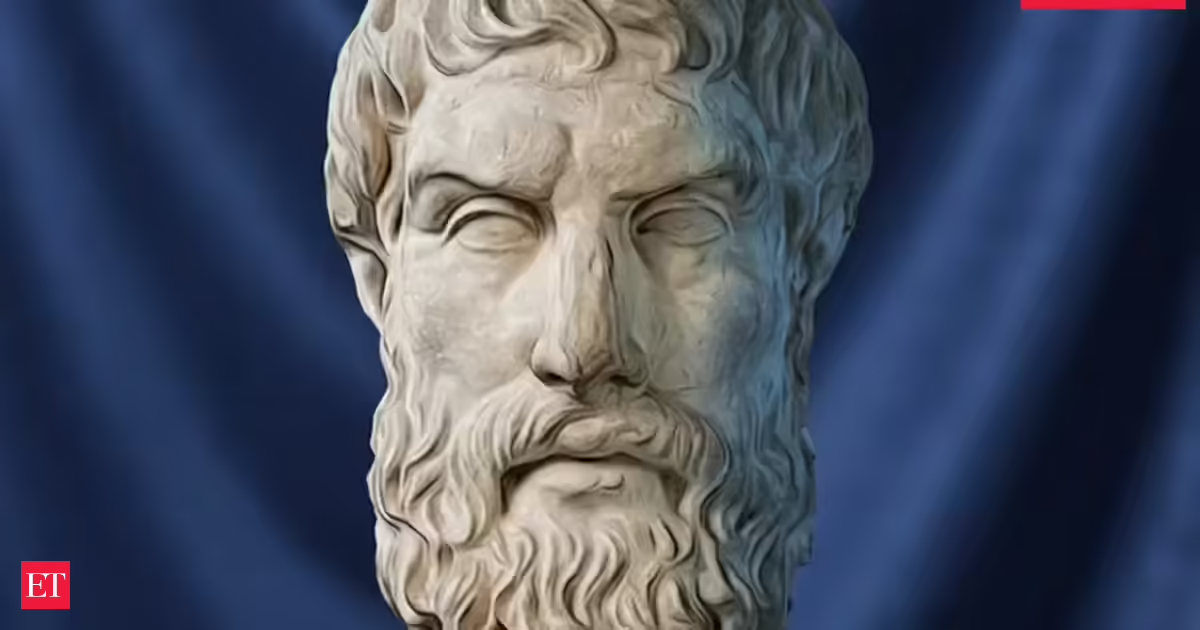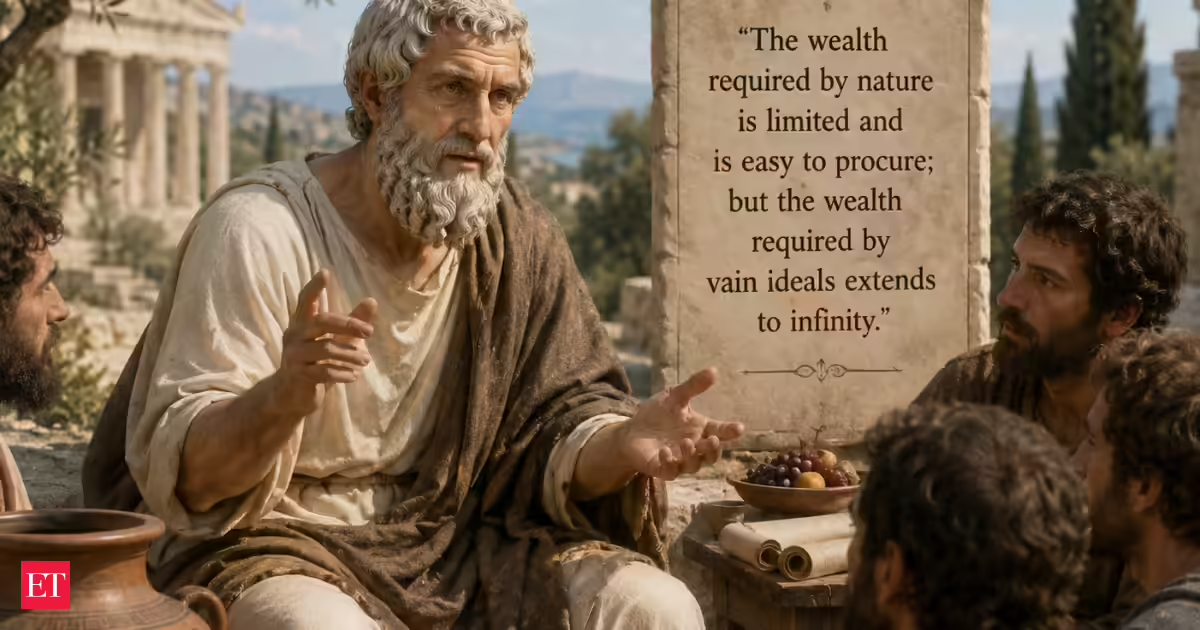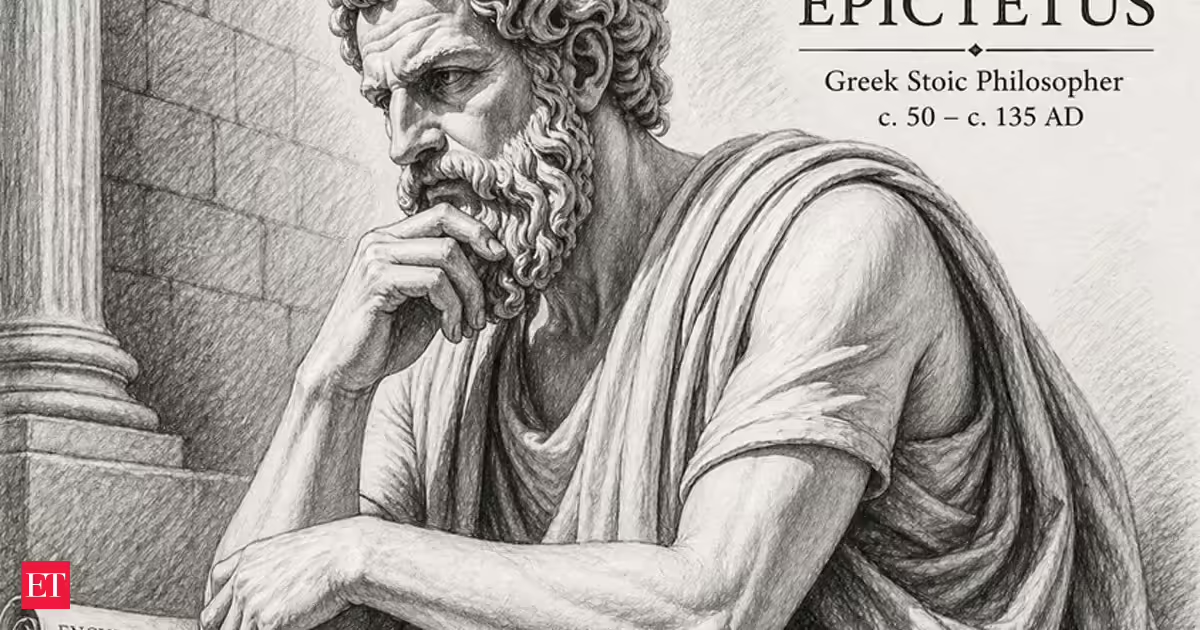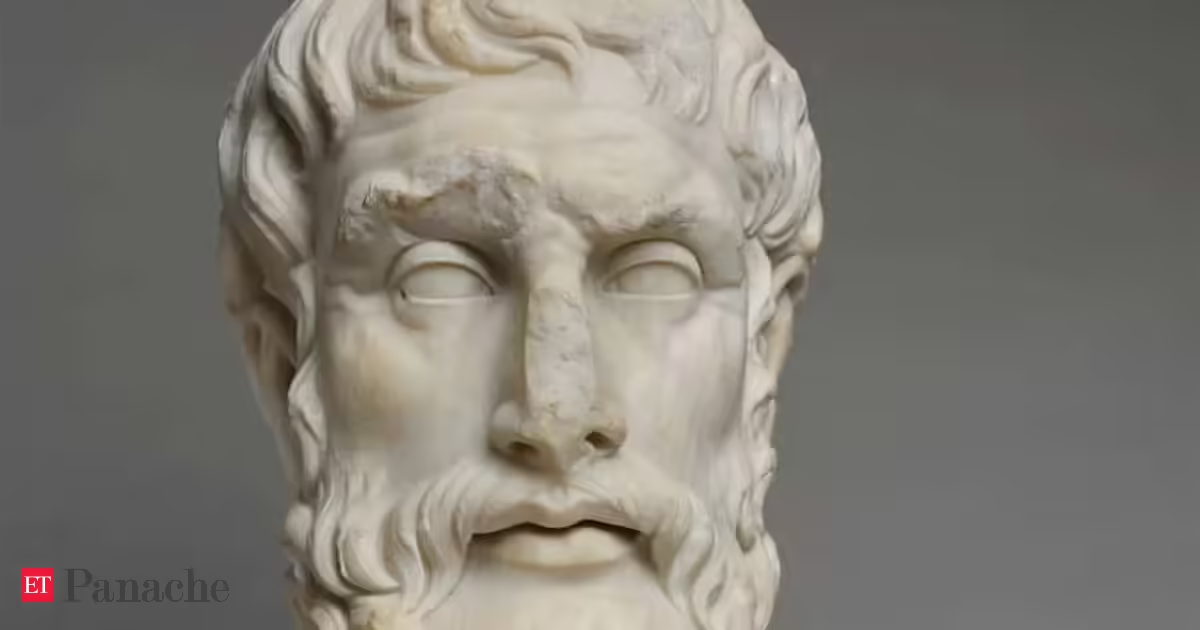
Epicurus is one of the most influential philosophers of the ancient Greek world, best known for founding the school of thought called Epicureanism. Born in the Hellenistic period, he developed a philosophy that challenged traditional beliefs about gods, death, and happiness. Instead of chasing power or wealth, he encouraged people to understand life through experience and calm thinking.The quote of the day by Epicurus goes:“Not what we have, but what we enjoy, constitutes our abundance.”The quote shifts attention away from possessions and towards experience. Epicurus was not saying that wealth or comfort have no value at all. What he meant was that happiness does not automatically come from owning more things. A person may have very little and still feel content, while someone surrounded by luxury may continue feeling restless and dissatisfied. The line reminds people that enjoyment, peace of mind and appreciation often matter more than accumulation.The statement also reflects the modern problem of constantly wanting more. Many people spend years chasing bigger salaries, larger homes or social approval, believing these things will finally make life complete. But the feeling rarely lasts. Epicurus believed that human beings create unnecessary suffering when desires never stop growing. According to his philosophy, learning to value ordinary pleasures, food, friendship, calm moments and freedom from worry can create a more stable kind of happiness than endless ambition.Who was Epicurus?Epicurus was born around 341 BCE on the Greek island of Samos. He later became one of the most influential philosophers of the Hellenistic period, the years following the death of Alexander the Great. His father worked as a teacher, while his mother was known for practicing forms of folk healing and fortune-telling. Historians often say these early surroundings shaped Epicurus’ later criticism of superstition and fear-based beliefs.You Might Also Like:As a young student, Epicurus studied the ideas of earlier philosophers including Democritus, whose theory of atoms deeply influenced him. He also encountered the teachings connected to Plato and Aristotle, though he eventually formed his own philosophical path. Sources suggest he became dissatisfied with many traditional teachings while still very young and slowly began developing ideas that focused more on human peace and practical living.Epicurus later founded schools in Mytilene and Lampsacus before eventually settling in Athens around 306 BCE. There, he established his famous philosophical community known as “The Garden.” Unlike many schools of the time, The Garden welcomed women and enslaved people along with free men. This was unusual in ancient Greece and also brought criticism from some opponents. Still, Epicurus believed philosophy should help ordinary people live without fear and anxiety, not simply serve elite intellectual debates.The philosophy behind EpicureanismEpicurus became the founder of Epicureanism, a school of philosophy often misunderstood even today. Many people hear the word “Epicurean” and immediately think of luxury, overeating or excessive pleasure. But Epicurus himself argued almost the opposite. He believed the best life was a simple and balanced one.You Might Also Like:According to Epicurus, pleasure was important, but not in the sense of endless indulgence. He believed true pleasure came from avoiding pain, reducing fear and achieving tranquility. In his view, a peaceful mind mattered more than temporary excitement. Eating moderately, avoiding unnecessary desires and surrounding oneself with trusted friends were considered essential parts of a good life.He once explained this idea through the concept of ataraxia, which refers to a state of mental calmness and freedom from anxiety. Epicurus believed human beings suffer because they constantly chase things they do not actually need. Wealth, fame and status may appear attractive, but they often create more stress than satisfaction.Another major part of Epicurus’ teaching was friendship. He considered close human relationships one of the greatest sources of happiness. Life in The Garden was built around community and shared living. Rather than competing endlessly for power or recognition, Epicurus encouraged people to build supportive and peaceful relationships.His ideas about fear, death and the godsEpicurus also became known for his strong views about fear and religion. He argued that many people live unhappy lives because they are frightened of death or punishment from the gods. According to him, these fears prevent people from enjoying life fully.He believed the universe was made of atoms moving through empty space. Influenced by the atomic theories of Democritus, Epicurus tried to explain natural events without relying on divine intervention. Earthquakes, storms and other phenomena, he argued, were natural processes rather than signs of anger from the gods.Epicurus did not completely deny the existence of gods, but he believed they did not interfere in human life. In his view, divine beings existed in a distant and peaceful state, unconcerned with human affairs. This allowed him to argue that people should stop living in constant fear of supernatural punishment.His thoughts on death were equally direct. Epicurus taught that death should not be feared because when a person dies, consciousness ends as well. Since there is no sensation after death, there is no suffering to experience. This idea became one of the central teachings of Epicurean philosophy.
Quote of the day by Epicurus: 'It's not what we have, but what we enjoy, that constitutes our abundance...' - Life lesson on why true wealth is measured in peace, not possessions, by the Greek philosopher
Epicurus quote of the day highlights a simple but enduring idea that true happiness is not defined by possessions but by how much we are able to appreciate and experience life. It suggests that material wealth does not automatically bring satisfaction, as people can feel content with little while others with abundance may still feel empty. The philosophy behind this thought encourages shifting focus away from constant accumulation and towards valuing peace of mind, meaningful relationships, and everyday moments of joy.
833 words~4 min read