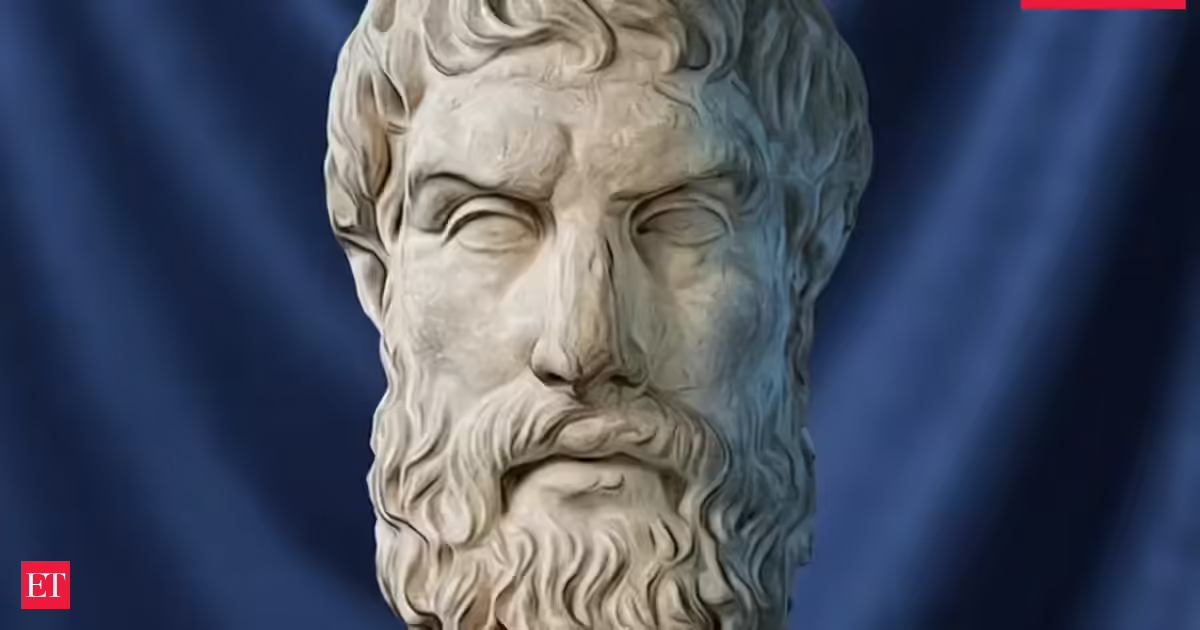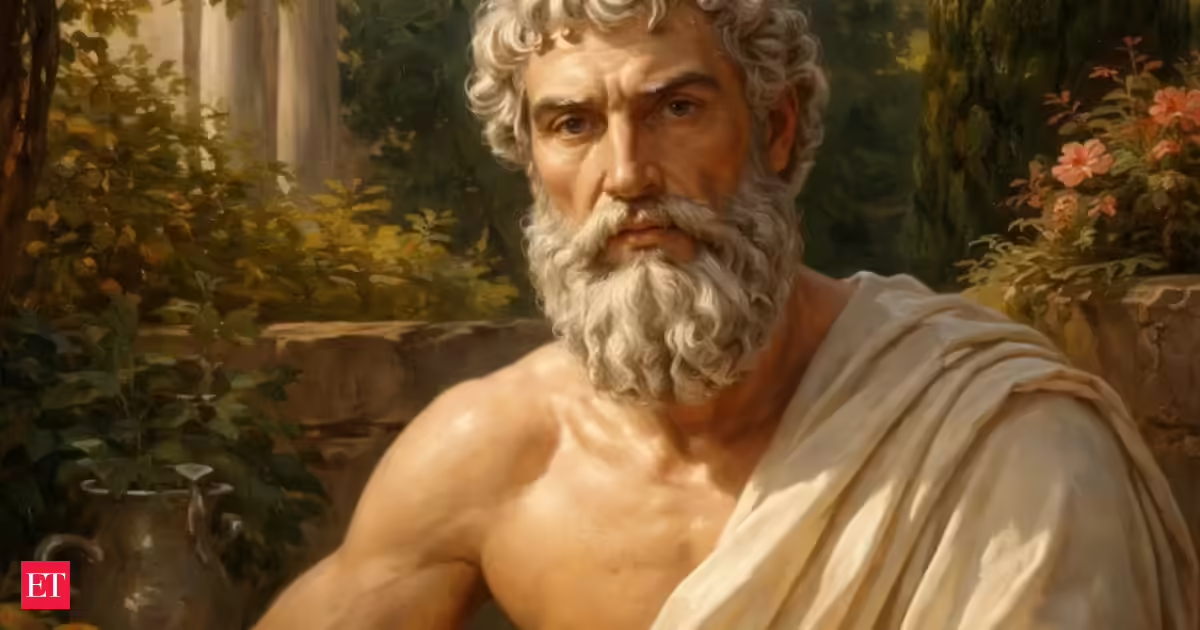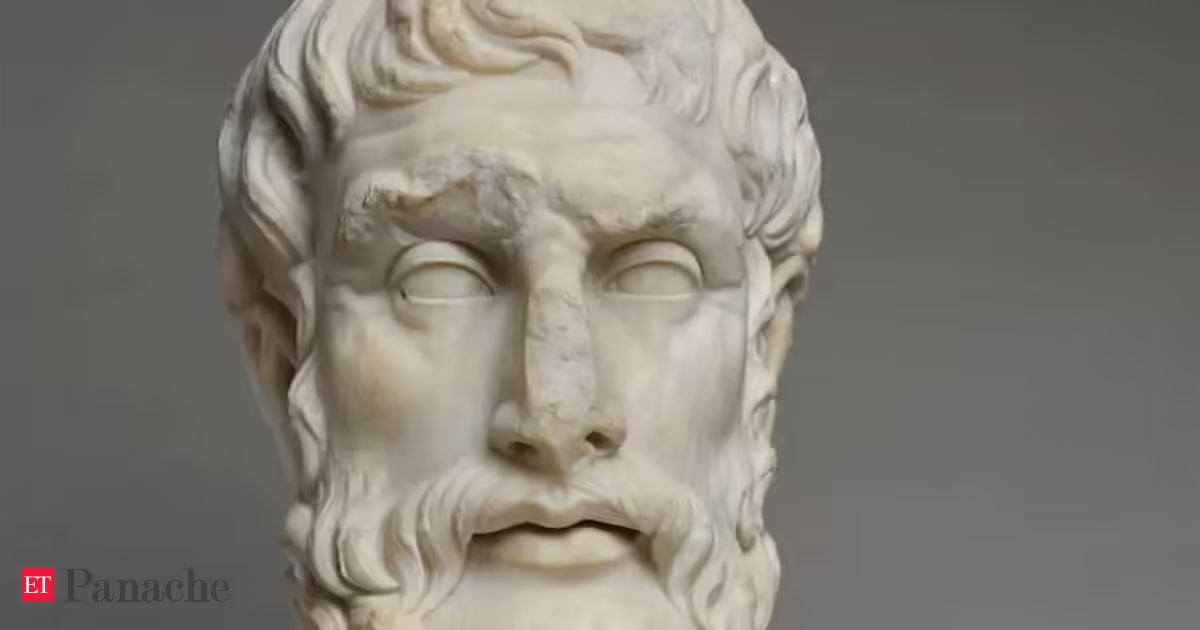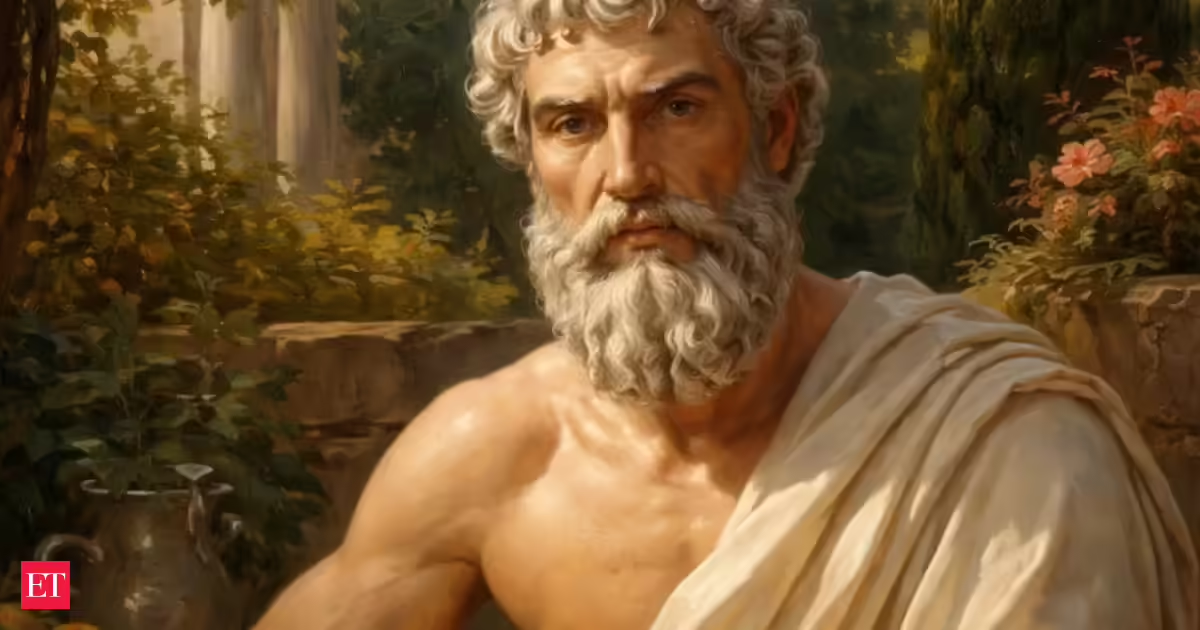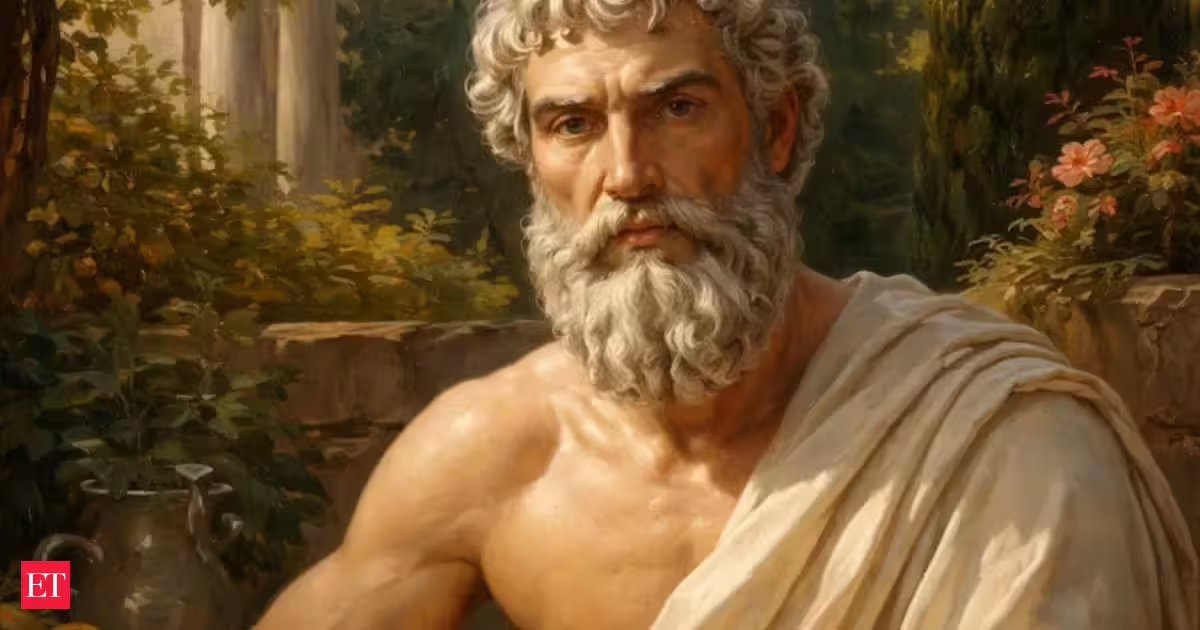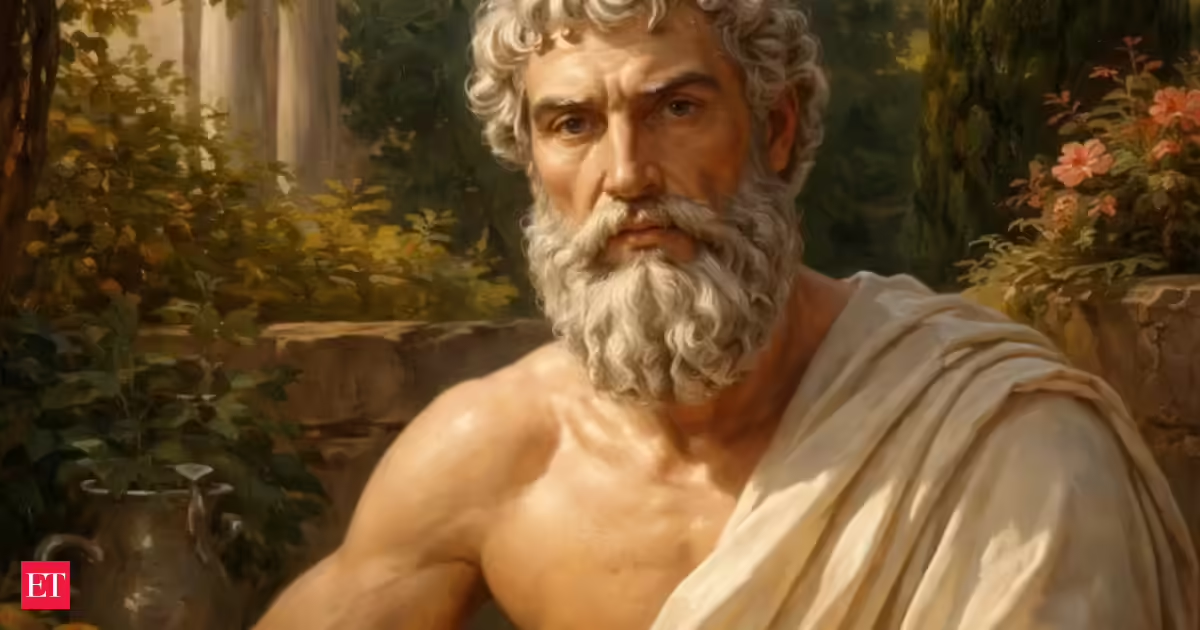
Quote of the Day by Epicurus offers a message about the pursuit of happiness and the role of inner peace in human life. Epicurus said, “Happiness is man's greatest aim in life. Tranquility and rationality are the cornerstones of happiness.” The statement reflects the foundation of his philosophy. Rather than seeking wealth, power, or fame, Epicurus encouraged people to focus on peace of mind, clear thinking, meaningful friendships, and simple pleasures. His teachings influenced generations of thinkers and continue to remain relevant today. The quote encourages people to examine what truly brings satisfaction and how rational choices can lead to a more balanced life.Epicurus said, “Happiness is man's greatest aim in life. Tranquility and rationality are the cornerstones of happiness.” Understanding the Meaning Behind the QuoteEpicurus believed that happiness is the ultimate goal of human life. According to him, people naturally seek pleasure and try to avoid pain. However, his idea of pleasure was not based on excess or luxury. Instead, he focused on peace, freedom from fear, and freedom from unnecessary desires.When Epicurus spoke about tranquility, he referred to a calm state of mind. A person who is not constantly worried about the future or troubled by fear can experience a more peaceful life. Tranquility allows individuals to appreciate the present and maintain emotional balance.You Might Also Like:Rationality, the second cornerstone mentioned in the quote, means using reason and careful judgment. Epicurus believed people should think before making decisions. Rational choices help individuals avoid actions that may lead to suffering later. Through thoughtful decision-making, people can build a stable and satisfying life.Quote of the Day by Epicurus and Its Relevance TodayThe message behind this quote remains important in modern society. Many people spend their lives pursuing success, money, status, and recognition. While these goals can provide benefits, they do not always guarantee happiness.Epicurus suggested that lasting happiness comes from peace of mind rather than external achievements. His teachings encourage people to evaluate what truly matters. Strong relationships, mental calmness, and practical thinking often provide more lasting satisfaction than temporary rewards.In a world filled with constant information, competition, and stress, the quote reminds people to slow down and focus on what contributes to their well-being. Rational decisions can help reduce unnecessary worries, while tranquility can improve emotional health.You Might Also Like:The Life and Philosophy of EpicurusEpicurus was born in 341 BC on the Greek island of Samos. His parents, Neocles and Chairestrate, were Athenian settlers. According to historical accounts, he began studying philosophy at the age of 14. One story suggests that he turned toward philosophy after a teacher failed to explain the concept of chaos discussed by the poet Hesiod. During his education, Epicurus studied under several teachers. One of the most influential was Nausiphanes, a follower of the philosopher Democritus.Epicurus later adopted an atomistic view of the universe. He used this theory not only to explain nature but also to support his ethical teachings. His philosophy focused on helping people achieve a peaceful and meaningful life.At the age of 18, he traveled to Athens to complete military training required for citizenship. During this period, he may have encountered ideas from followers of Plato and Aristotle. After spending years studying and developing his ideas, Epicurus began teaching at Mytilene and Lampsacus. There he attracted followers who later became important members of his philosophical movement.You Might Also Like:The Garden: A Different Way of LivingIn 306 BC, Epicurus moved to Athens and established a school known as “The Garden.” Unlike other philosophical schools of the time, The Garden emphasized community, friendship, and practical living. The school welcomed women and even admitted slaves. This approach differed from many institutions in ancient Greece. Life in The Garden was simple. Members consumed basic food and water while focusing on discussion, learning, and friendship.Epicurus advised people to avoid unnecessary involvement in political struggles and public conflicts. He believed such activities often created anxiety and disturbed peace of mind. Friendship played a central role in the community. Epicurus viewed strong relationships as one of the greatest sources of happiness. He believed people could achieve greater security and satisfaction when supported by trusted friends.Life Lessons from the QuoteValue Inner PeaceThe quote teaches that peace of mind is essential for happiness. Constant worry and fear can reduce a person's ability to enjoy life. Developing calmness can improve overall well-being.Think Before ActingRationality encourages people to make thoughtful decisions. Considering consequences before acting can prevent future problems and help maintain stability.Build Meaningful FriendshipsEpicurus considered friendship one of life's greatest treasures. Supportive relationships can provide comfort, understanding, and shared experiences.Focus on What MattersMany desires create unnecessary stress. Epicurus encouraged people to distinguish between essential needs and unnecessary wants.Appreciate Simple JoysHappiness often comes from everyday experiences rather than major achievements. Time with loved ones, learning, and personal growth can provide lasting satisfaction.Epicurus’ Final Years and Lasting LegacyEpicurus remained dedicated to his philosophy throughout his life. Historical records indicate that he suffered from prostatitis during his final days. Despite physical pain, he continued to express gratitude and affection toward his friends. His will ensured that his school, house, and garden would continue supporting future students. He also made provisions for friends, family members, and former slaves.Epicurus was a prolific writer. His works included letters discussing physics, meteorology, ethics, and theology. Although much of his writing has been lost, surviving texts continue to provide insight into his ideas.His influence extended beyond Greece. Roman thinkers such as the philosopher-poet Lucretius drew inspiration from his teachings. Later scholars and philosophers revisited his ideas, helping preserve his legacy across centuries.Why the Quote Continues to Inspire People?The enduring appeal of this quote lies in its simplicity. It focuses on goals that remain relevant regardless of time or place. Happiness, peace of mind, and rational thinking continue to be important human concerns.Epicurus challenged the belief that happiness depends on wealth or status. Instead, he argued that true contentment comes from managing desires, maintaining friendships, and approaching life with reason.His message encourages people to seek balance, avoid unnecessary fears, and appreciate the value of a peaceful mind. These lessons continue to resonate with people looking for guidance in their personal and professional lives.
Quote of the day by Epicurus: 'Happiness is man's greatest...' Life lessons on inner peace, joy, laughter and human nature by renowned Greek philosopher
Quote of the Day by Epicurus highlights the idea that happiness is the greatest aim in life. The Greek philosopher believed that tranquility and rationality form the foundation of happiness. His teachings focused on inner peace, friendship, simple living, and thoughtful decision-making. The quote continues to guide people seeking balance, joy, and meaning while dealing with modern challenges and daily responsibilities.
1,023 words~5 min read