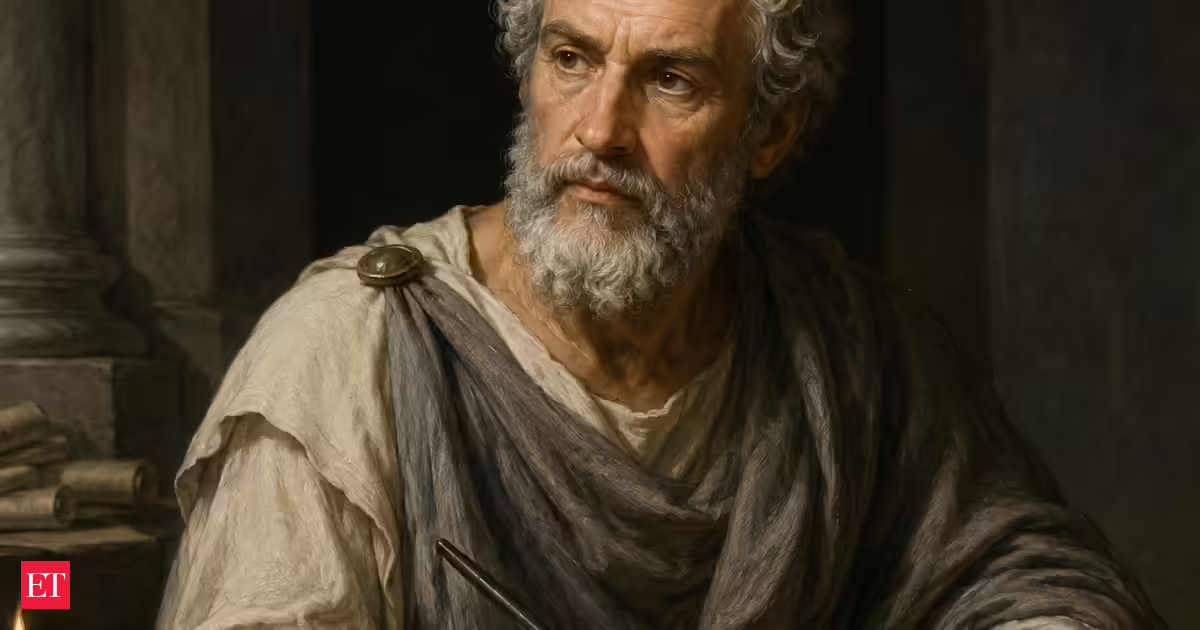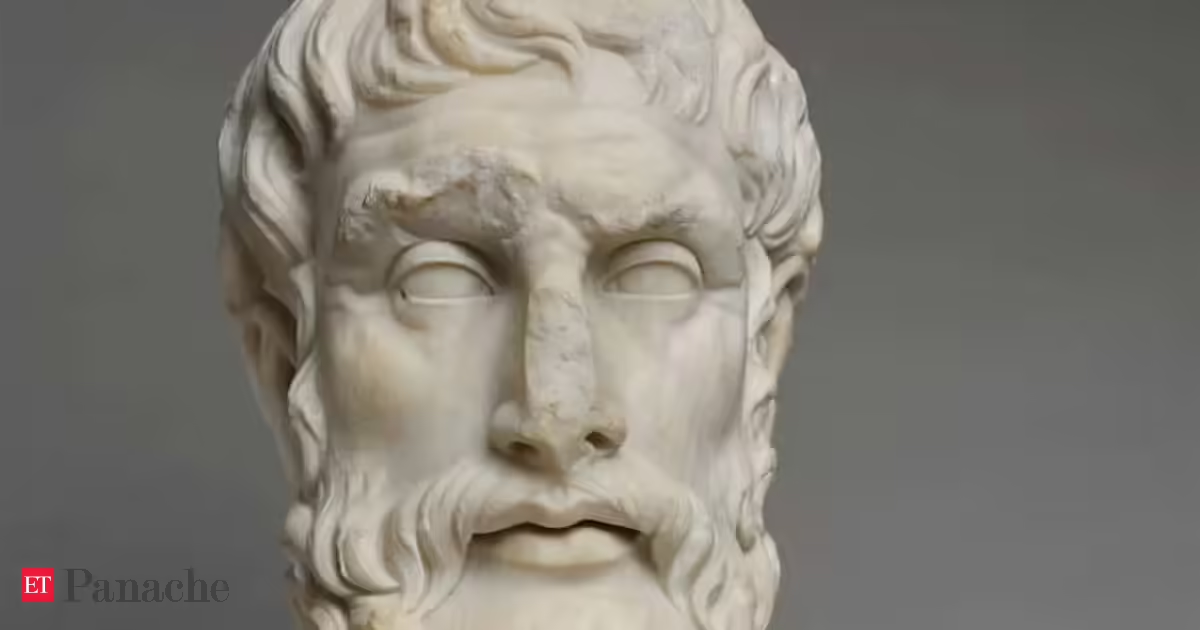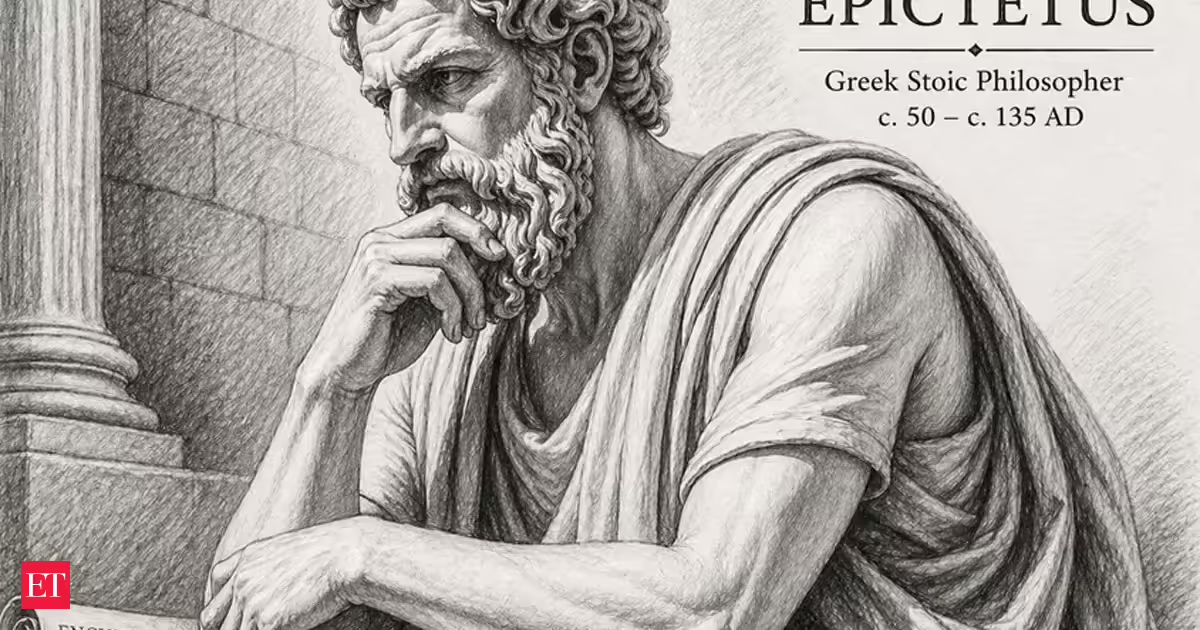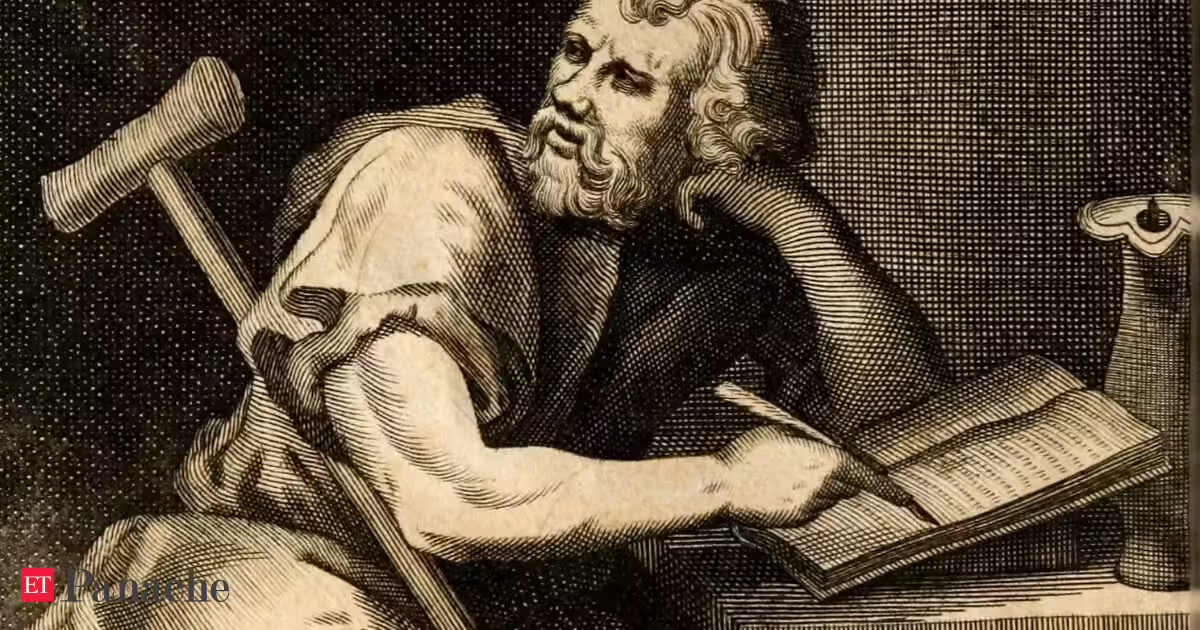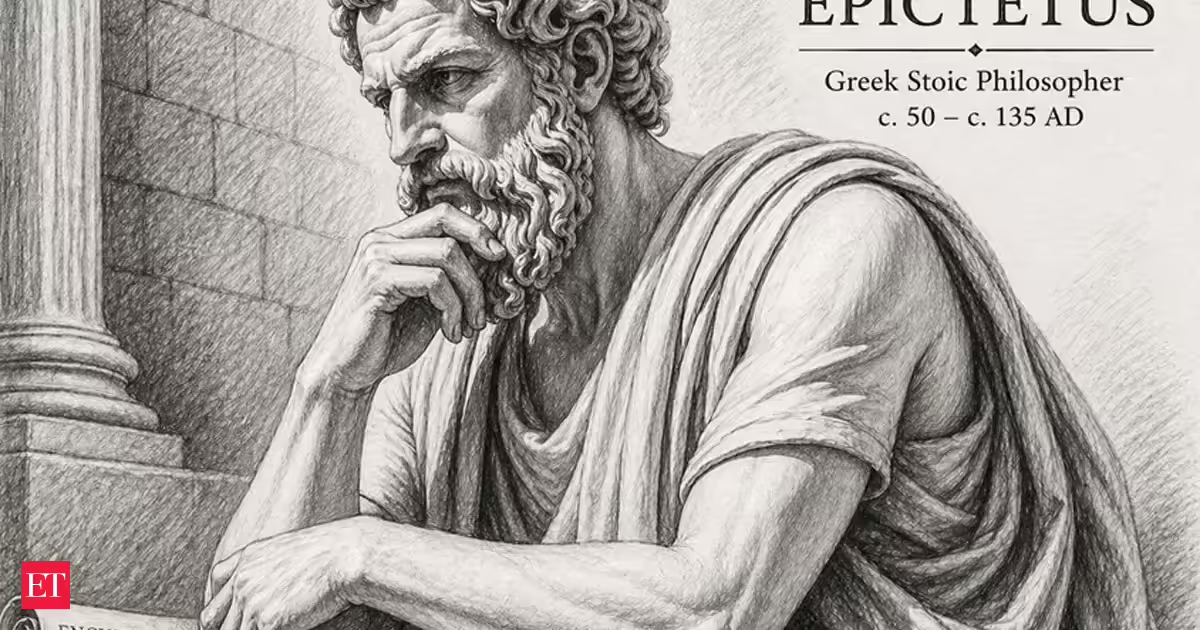
Quote of the day by Epictetus: Epictetus is remembered as one of the most influential philosophers of the ancient world. His teachings on self-control, resilience, and inner peace continue to inspire people nearly 2,000 years after his death. Although he lived during the Roman Empire, many of his ideas remain surprisingly relevant in modern life. Born around AD 50 in Hierapolis, a city in present-day Turkey, Epictetus began life as a slave. Despite his difficult circumstances, he developed a deep interest in philosophy and eventually gained his freedom. Epictetus later moved to Greece, where he established a school dedicated to Stoicism, a philosophy that teaches people how to live wisely and remain calm during life's challenges.Unlike many philosophers who explored complex theoretical ideas, Epictetus focused on practical guidance for everyday life. He taught that happiness comes from managing our own thoughts, attitudes, and actions rather than trying to control events beyond our influence - a principle at the heart of Stoic philosophy known as the 'Dichotomy of Control'. According to his teachings, people should focus on what is within their power and accept what is not. One of his most famous ideas is that circumstances do not determine our happiness; our reactions to those circumstances do. This simple but powerful message has helped countless people deal with setbacks, disappointments, and uncertainty.Quote of the dayQuote of the day - "Wealth consists not in having great possessions, but in having few wants," is widely attributed to Greek Stoic philosopher Epictetus.You Might Also Like:Meaning of the quoteThe quote of the day by Epictetus challenges the common belief that happiness comes from owning more things. Instead, the ancient philosopher suggests that true wealth is found in contentment. A person who is constantly chasing bigger houses, more money, or endless possessions may never feel satisfied, no matter how much they have. According to Epictetus, real prosperity comes from appreciating what you already have and reducing unnecessary desires. When people learn to be content with enough, they experience greater peace of mind and less stress. Their happiness is no longer dependent on acquiring more material things. The quote reminds us that wealth is not just a number in a bank account. It is also a state of mind. By focusing on gratitude rather than endless wants, people can enjoy a richer, more fulfilling life. In this way, contentment becomes one of the greatest forms of wealth a person can possess.Epictetus never wrote any books himself. His teachings were recorded by one of his students, Arrian, who compiled them into works known as the Discourses and the Enchiridion, or Handbook. These writings have become some of the most important texts in Stoic philosophy. His influence extends far beyond the ancient world. Business leaders, athletes, military officers, and self-improvement experts continue to study his ideas. Many modern concepts related to mindfulness, emotional resilience, and personal responsibility share similarities with his teachings.You Might Also Like:Today, Epictetus remains a symbol of wisdom and perseverance. Rising from slavery to become one of history's most respected thinkers, he showed that a person's circumstances do not define their potential. His lessons on gratitude, self-discipline, and inner strength continue to offer guidance to people seeking a more meaningful and balanced life.
Quote of the day by Epictetus: 'Wealth consists not in having great possessions, but in having...' - Greek Stoic philosopher's guide to a happier and simpler life
Ancient philosopher Epictetus, a former slave, taught that true wealth lies not in possessions but in having few wants. His Stoic philosophy emphasizes focusing on what we can control - our reactions and attitudes - rather than external events. This timeless wisdom, recorded by his student Arrian, offers profound insights into achieving inner peace and resilience in modern life.
537 words~2 min read