The science writer Jared Diamond once called agriculture ‘the worst mistake in the history of the human race’. Yuval Noah Harari, author of Sapiens, dubbed it ‘history’s biggest fraud’. Yet newly identified plague outbreaks among ancient hunter-gatherers in southeast Siberia question whether they were right to be so negative about the introduction of farming.
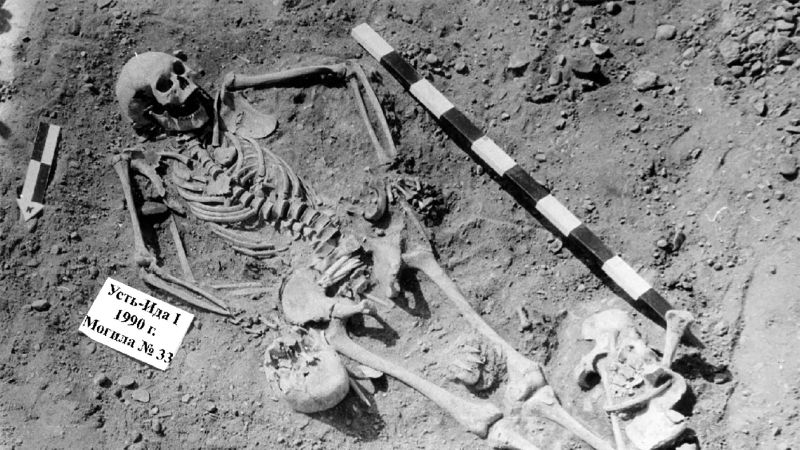
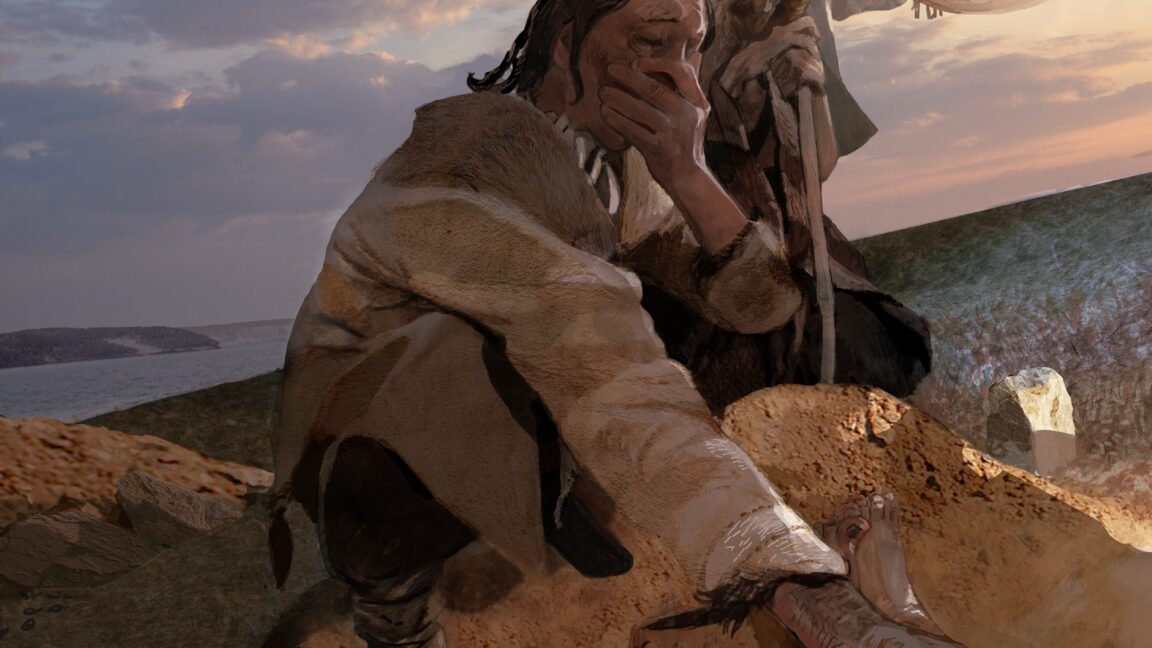
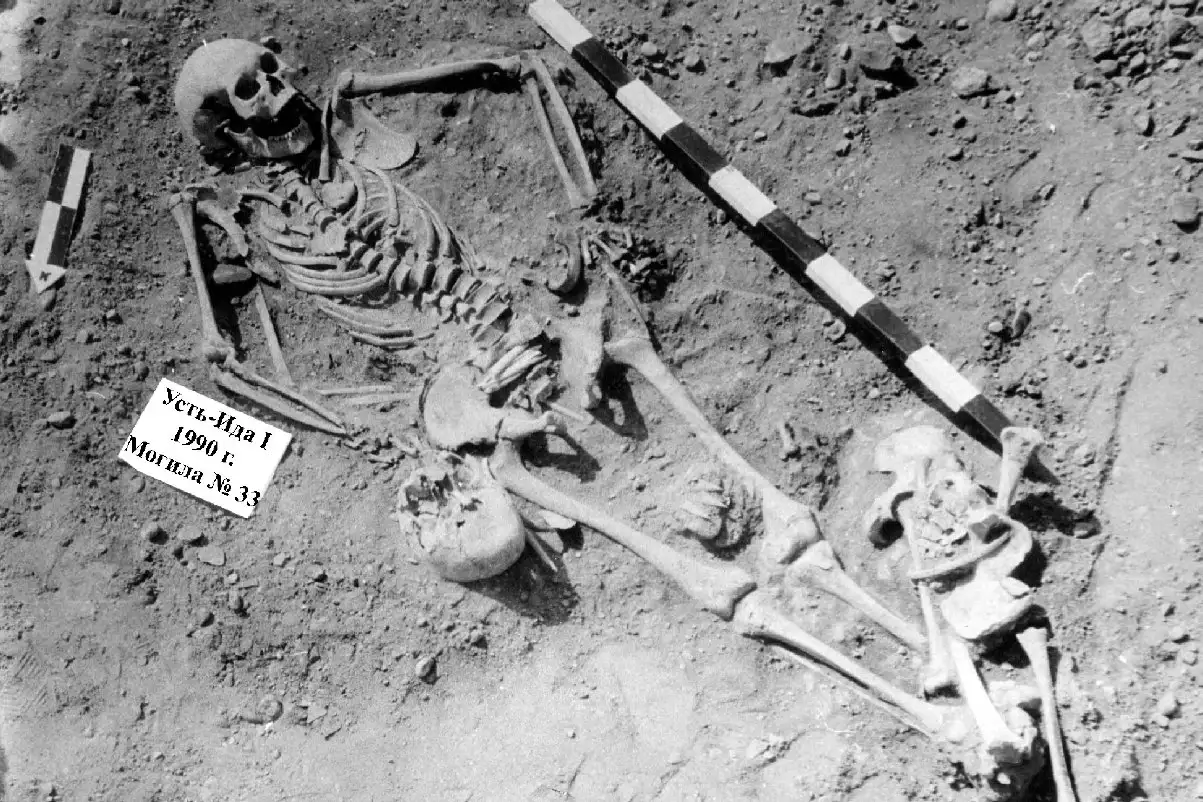
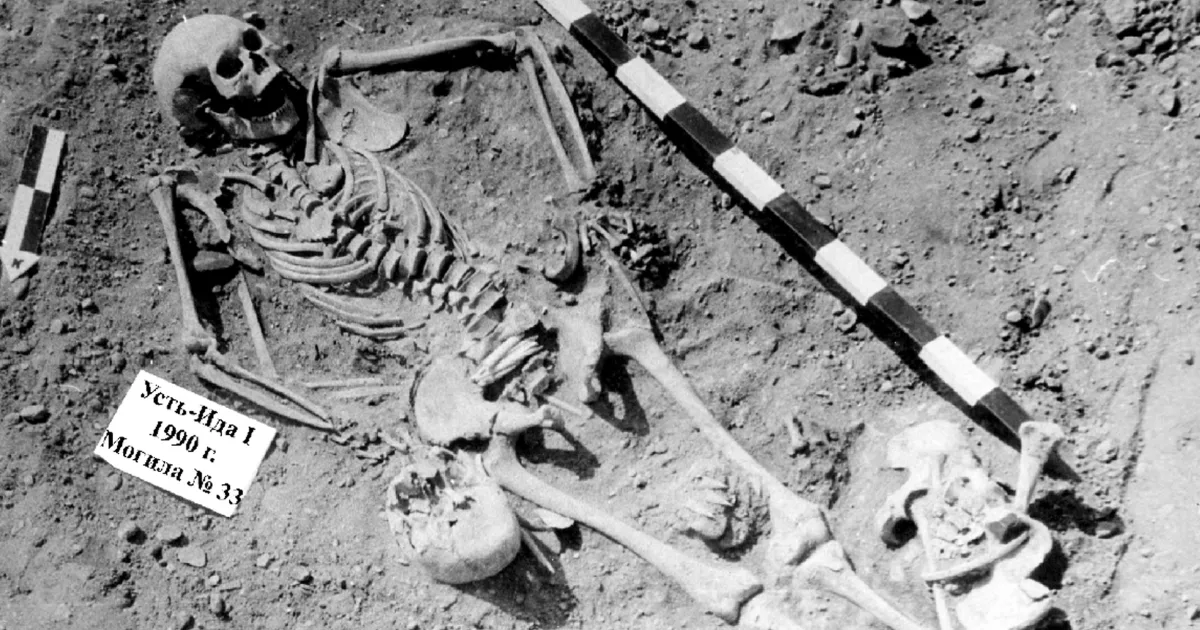
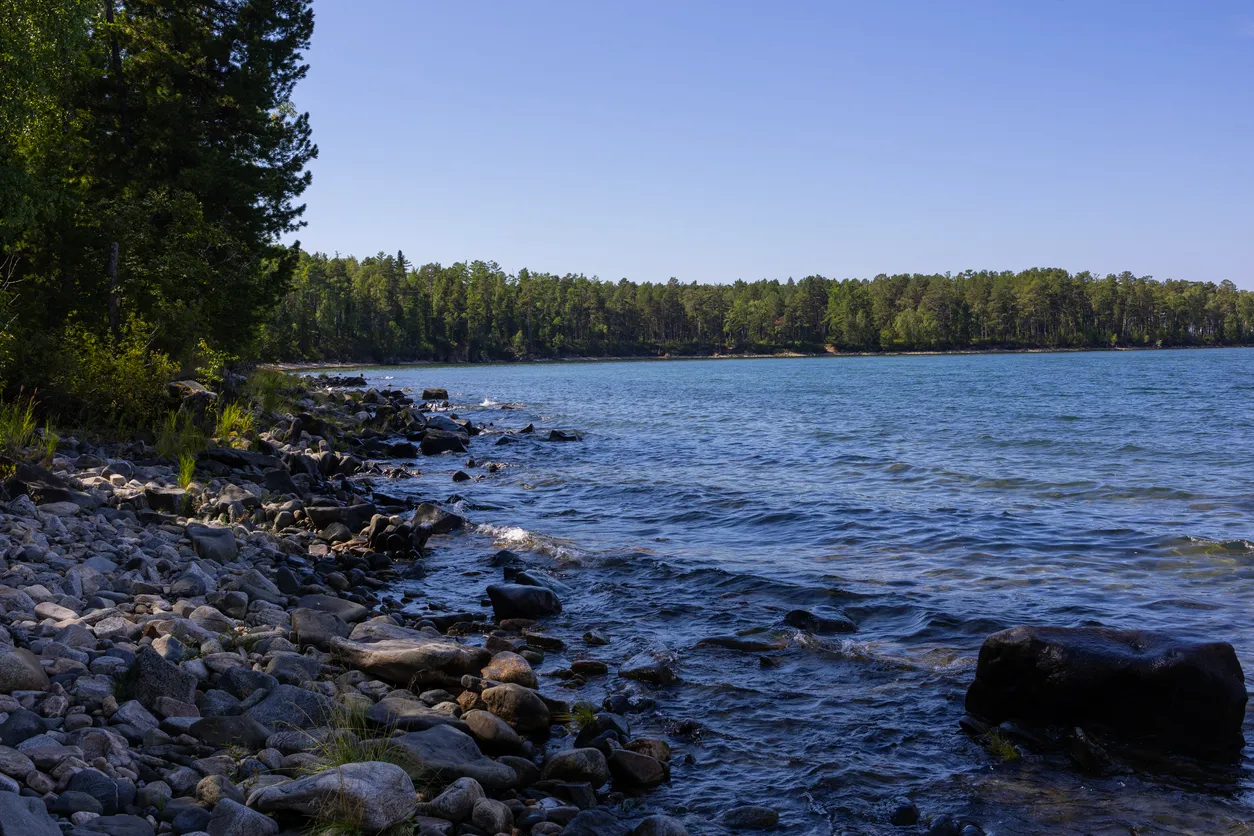
A new study published in Nature looks at archaeological sites on the west side of Lake Baikal. The lake is the world’s largest freshwater body, arcing for 400 miles between forested snow-covered mountains. Winter temperatures can drop below -30C, with parts of the lake surface frozen for half the year. Hunters and gatherers and nomadic herders occupied this challenging environment for millennia.
Because remains there are well preserved and its prehistoric people had a habit of burying their dead in cemeteries, archaeologists have been drawn to the area since the 19th century. A major modern field project began in the 1990s, using funerary practices and artefacts to define a succession of cultural traditions. The present focus is on people who lived by fishing and hunting game in the valley of the Angara river, the only watercourse draining the lake.