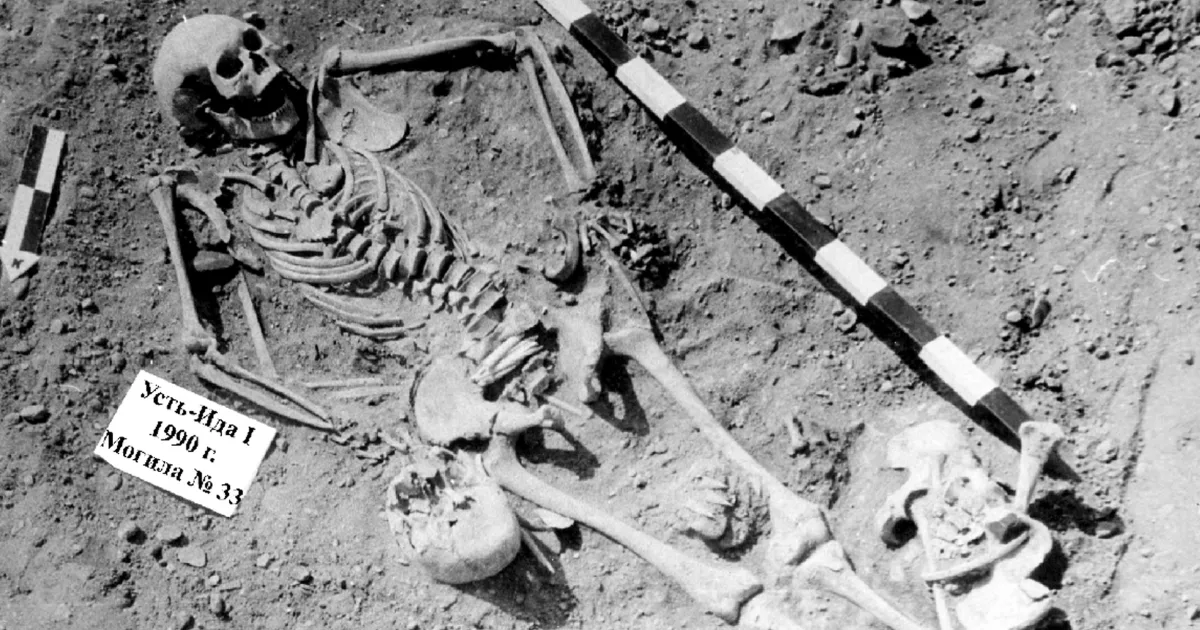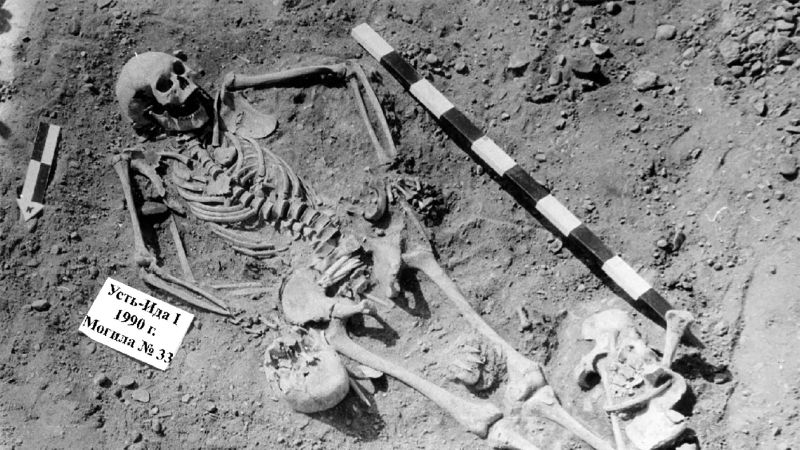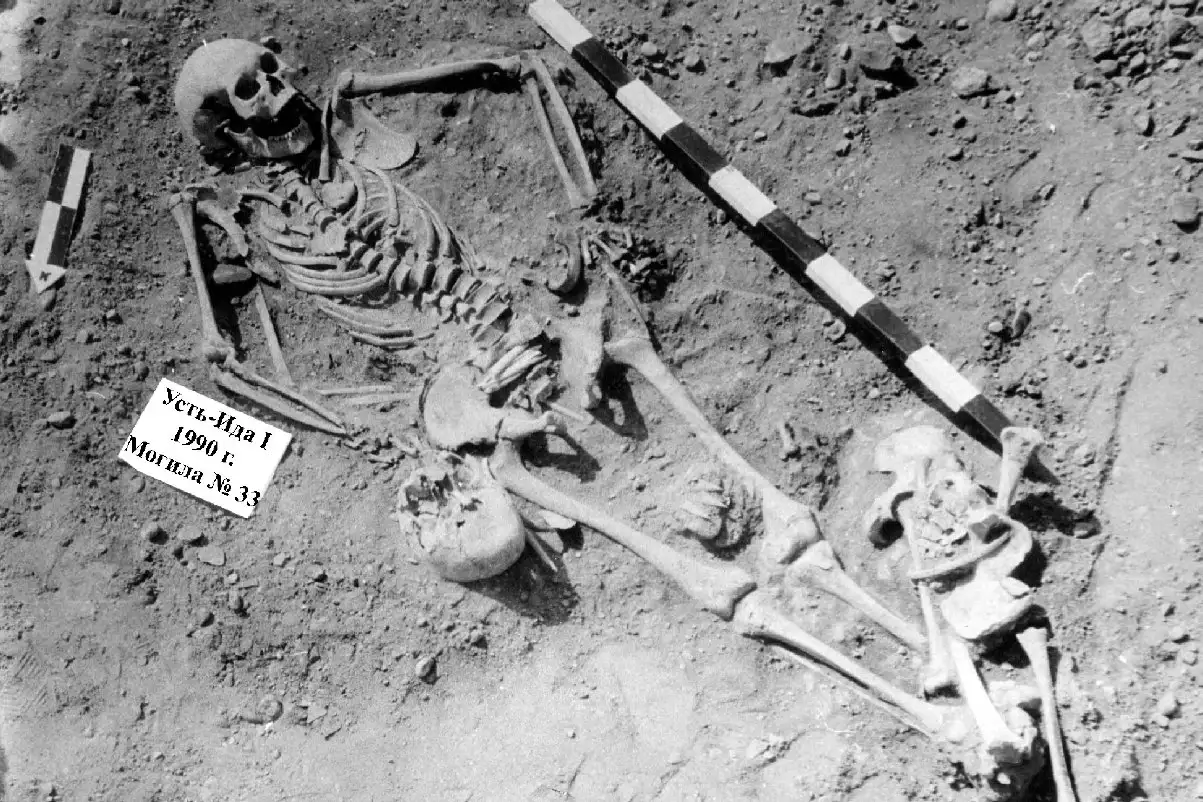
The shared grave of a boy and girl, whose remains were found to carry traces of Yersinia pestis DNAVladimiri Bazaliiskii
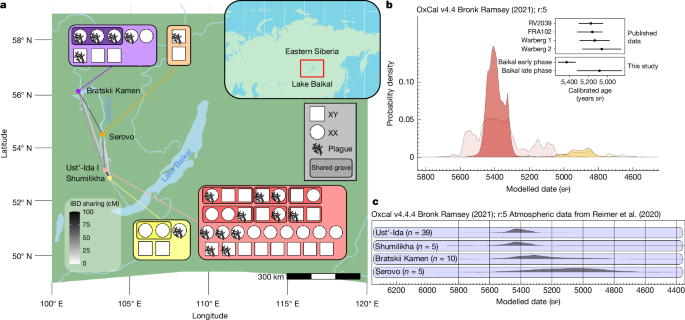
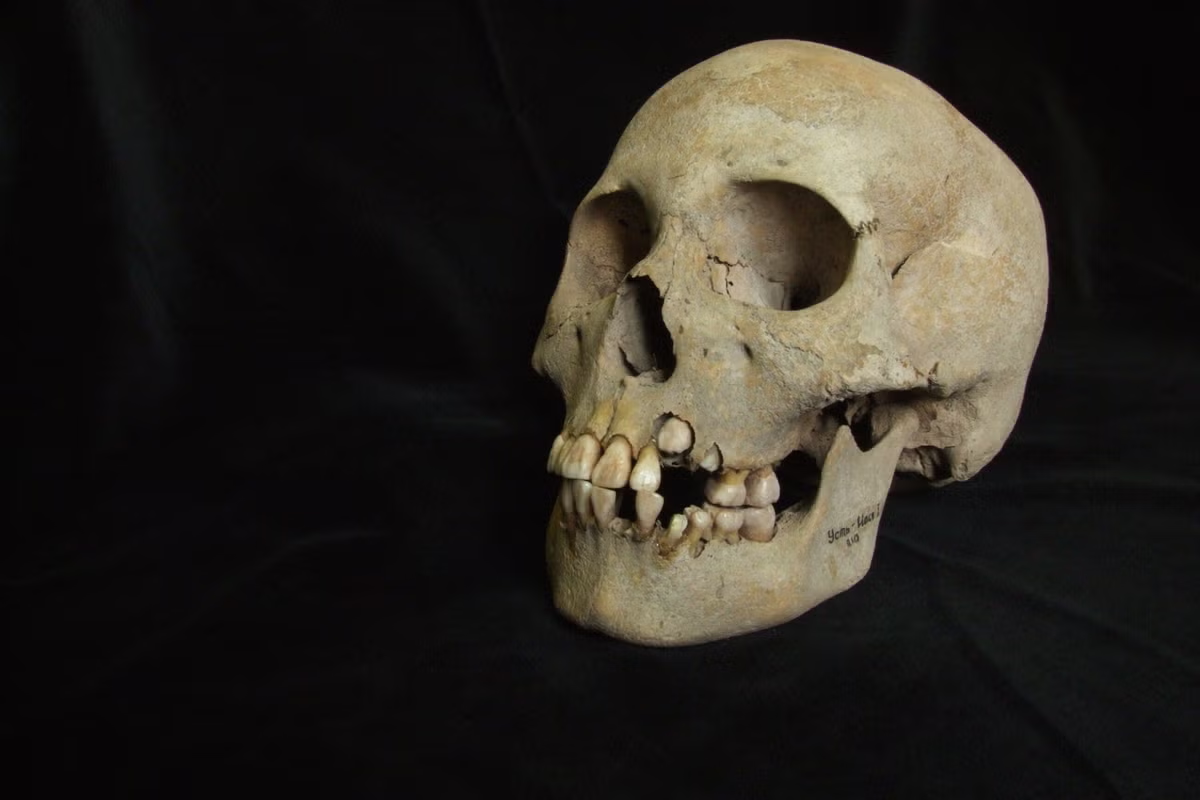
Ancient DNA from hunter-gatherers buried near Lake Baikal in what is now Siberia suggests there were deadly outbreaks of the plague as long as 5500 years ago. The finding runs counter to the long-standing idea that major disease outbreaks arose along with the adoption of farming during the so-called Neolithic revolution.
“The expectation is that big outbreaks of disease affecting entire communities didn’t exist at all before the Neolithic revolution,” says Ruairidh Macleod at the University of Oxford. “What we see here is clear evidence for a really devastating outbreak of plague that’s affecting an entire community of hunter-gatherers at Baikal, and that flies in the face of that.”
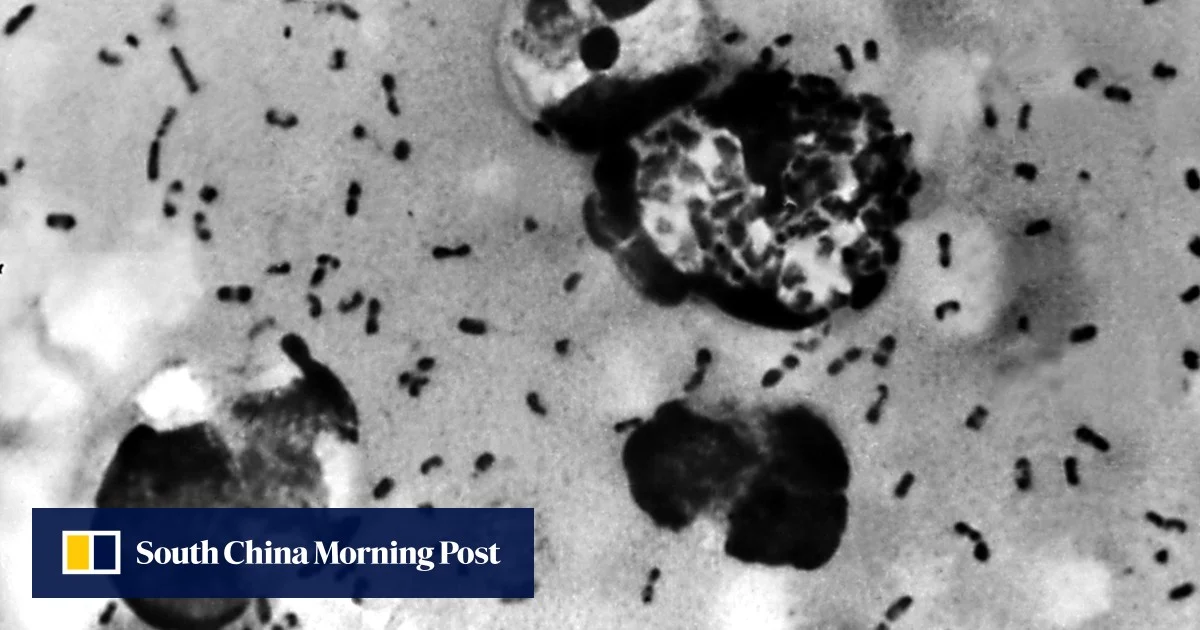
The bacterium Yersinia pestis has caused some of the deadliest pandemics in history: the Plague of Justinian that began in AD 541, the Black Death from 1346 and a third plague pandemic that began in 1855 and killed at least 15 million people worldwide.
Y. pestis can infect people’s lungs or their blood, causing pneumonic or septicaemic plague respectively. More common, however, is bubonic plague, in which flea bites enable the bacterium to infect lymph nodes, causing them to swell hugely and form large “buboes”.