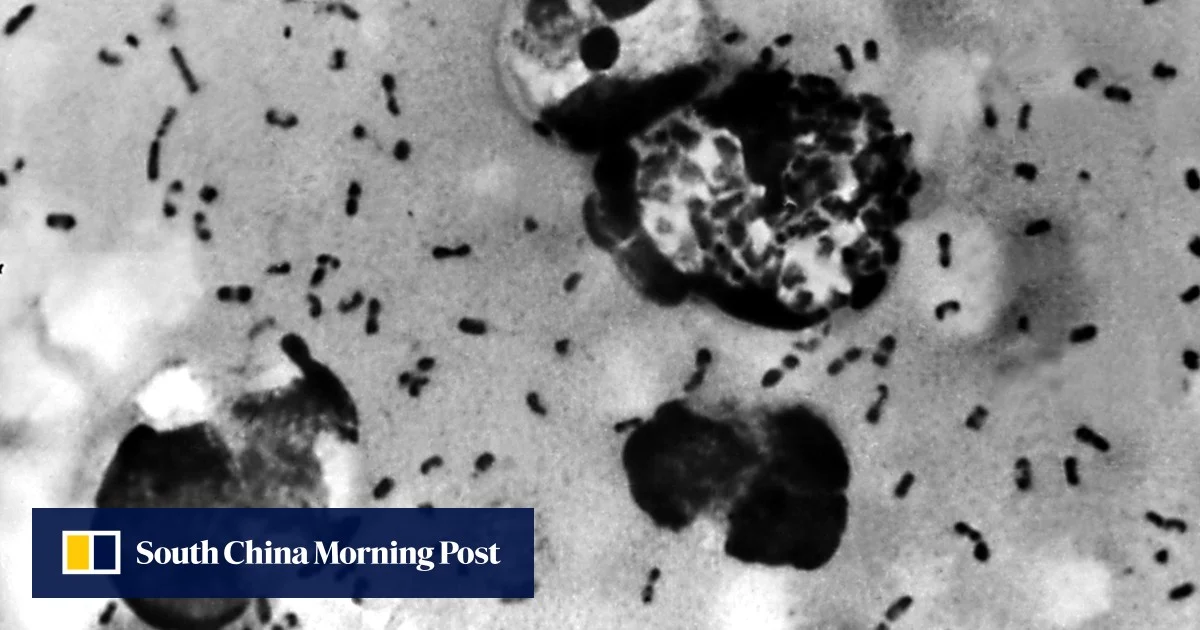
For many people, plague brings to mind rats, crowded medieval towns, and the devastating epidemics that spread across Europe during and after the Middle Ages.
New research suggests the disease's deadly history stretches back much further. A study published in Nature found that plague was already killing people 5,500 years ago in small hunter-gatherer groups, thousands of years before farming communities and cities emerged.
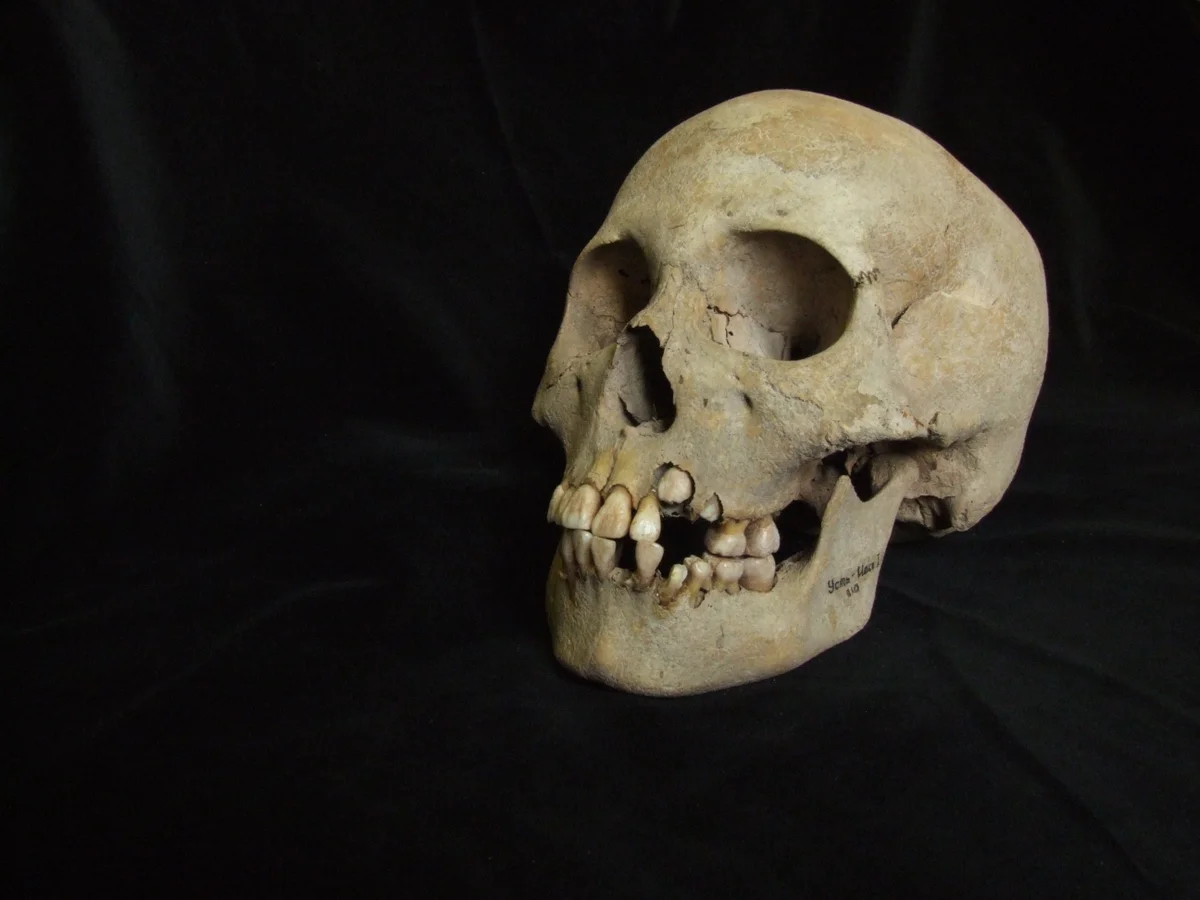
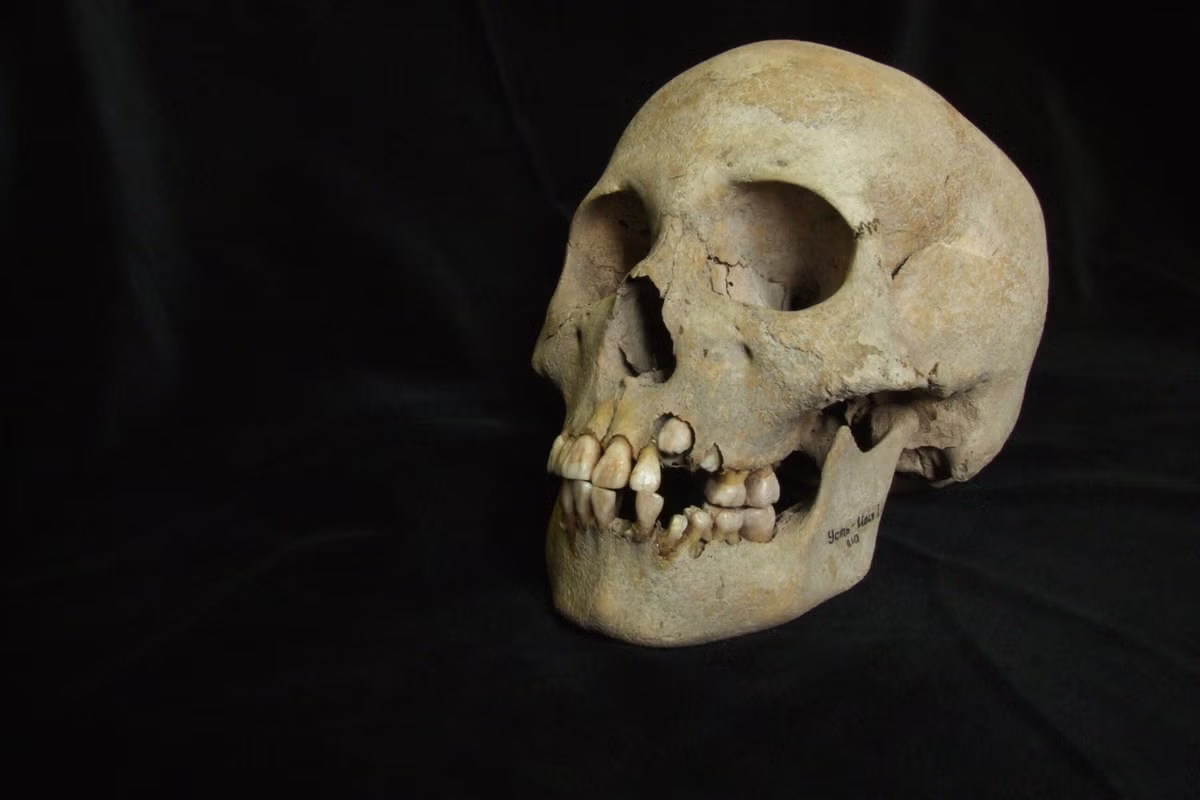
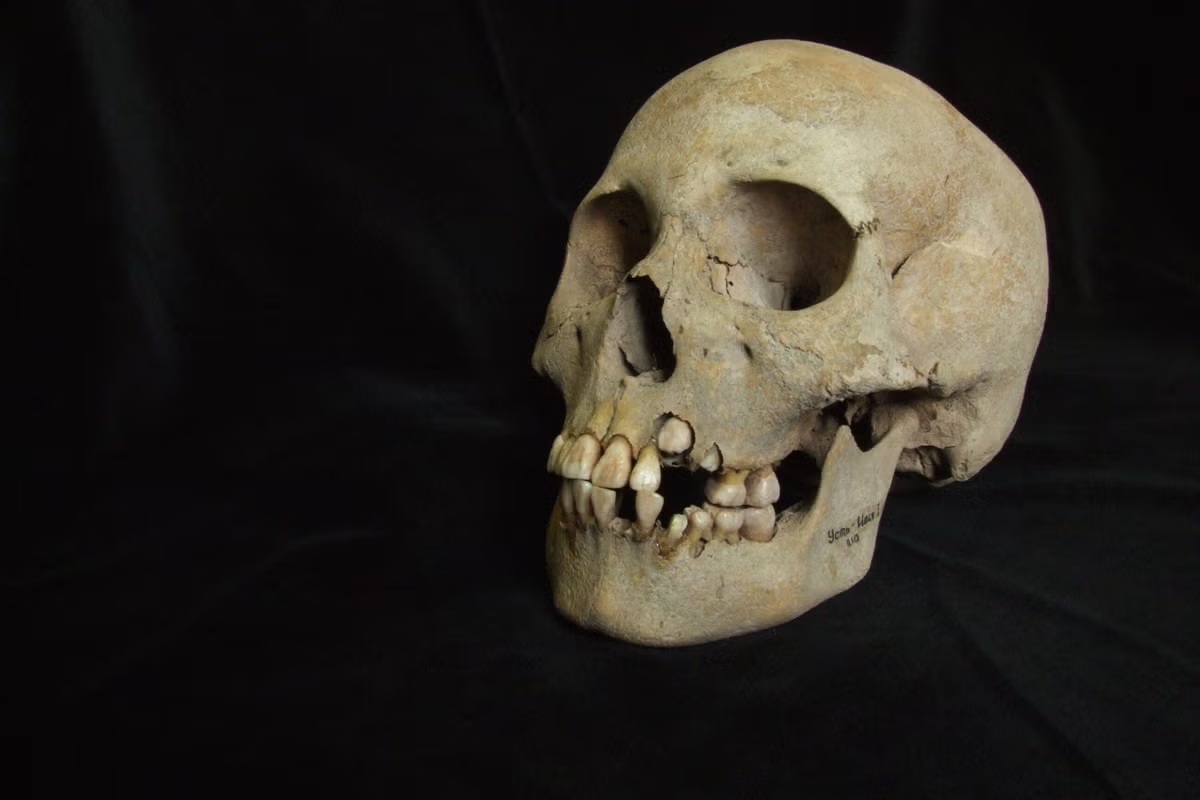
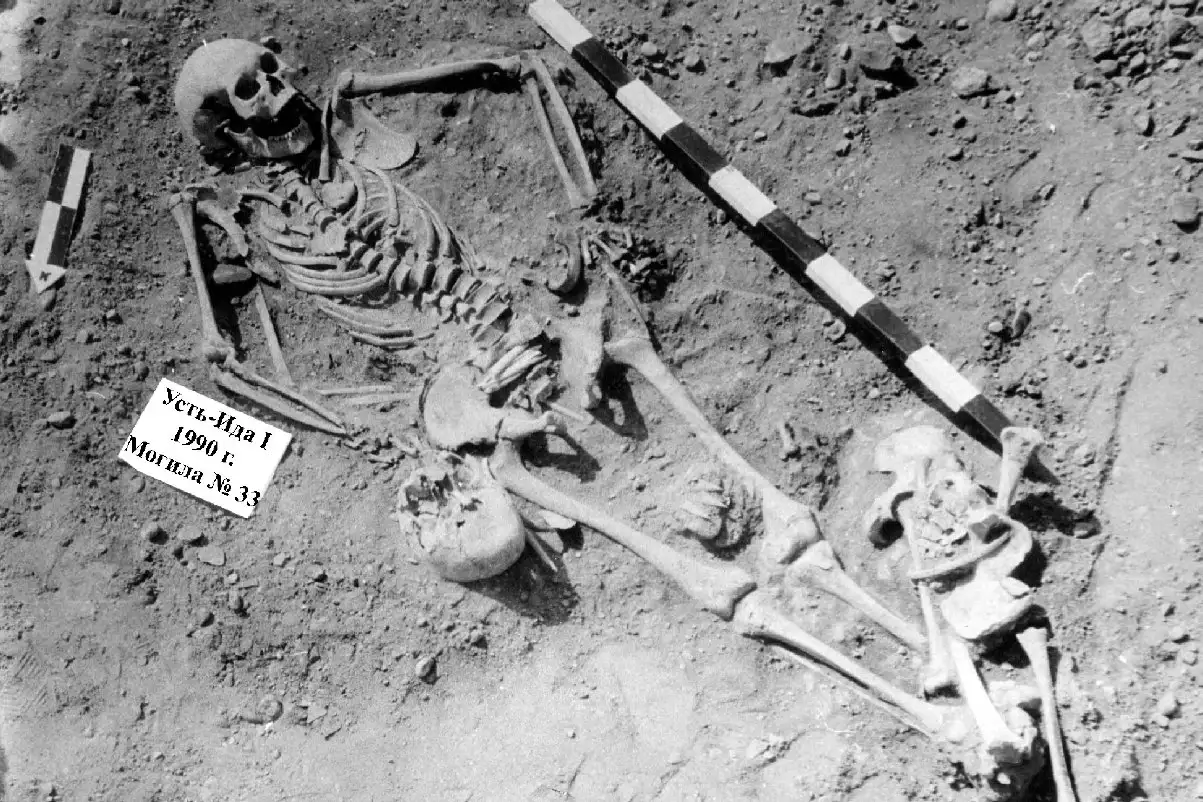
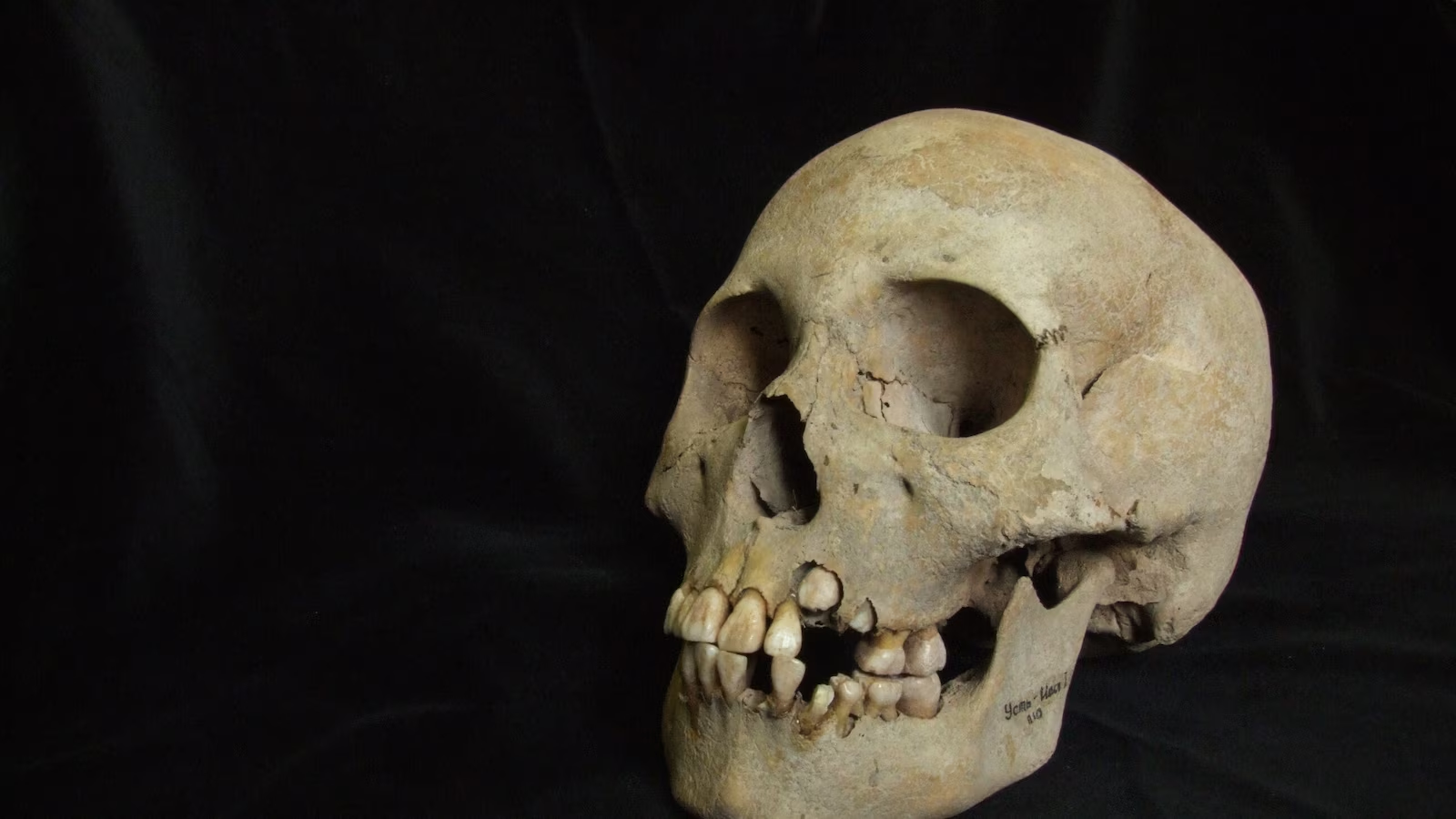
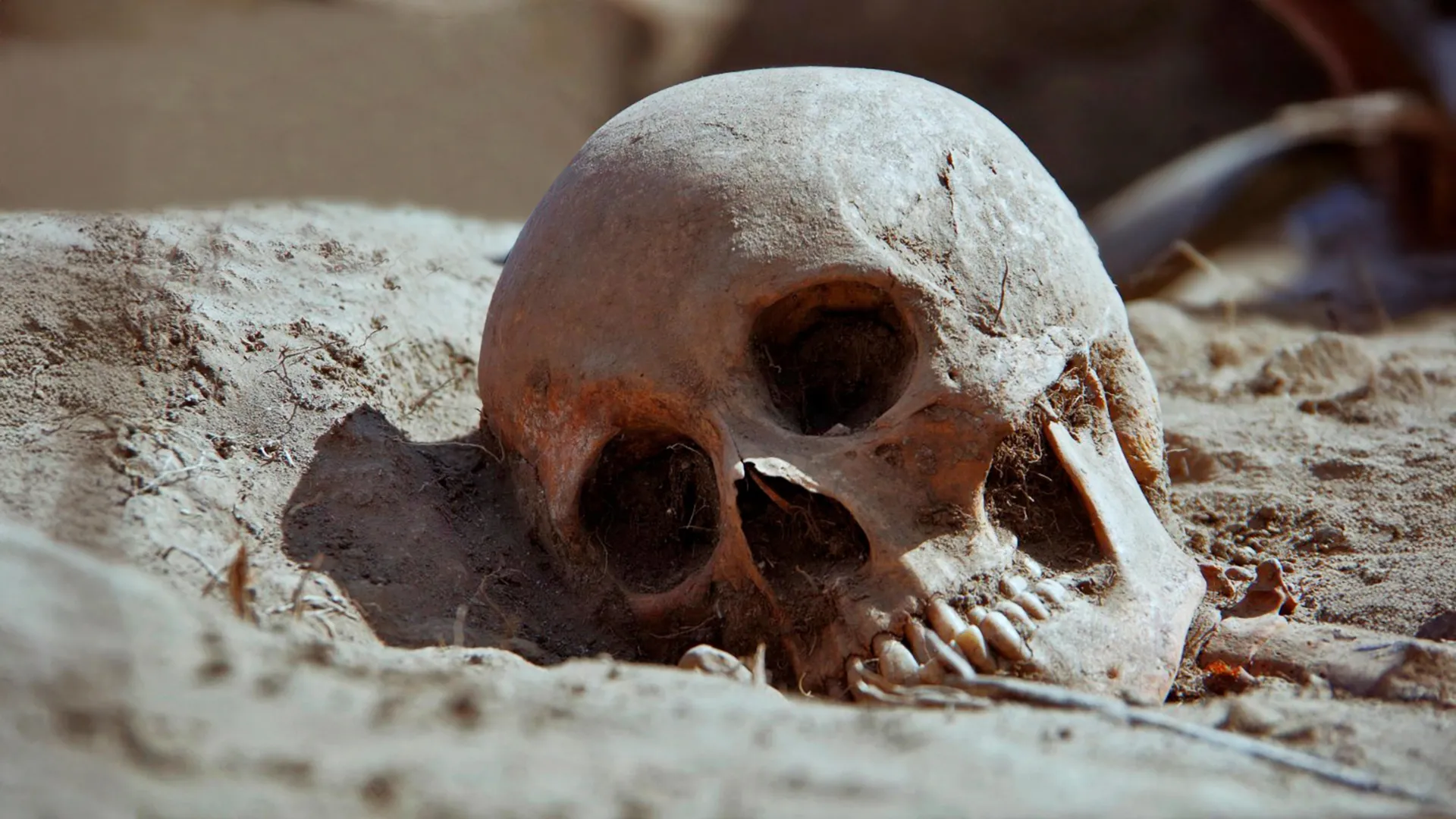
An international team of scientists examined ancient DNA from human remains recovered at four hunter-gatherer cemeteries near Lake Baikal in East Siberia. By sequencing genetic material preserved inside ancient teeth, the researchers reconstructed bacterial genomes and identified previously unknown early strains of plague.
"Whether the earliest forms of plague were mild or virulent has been a matter of debate, but our findings demonstrate that these ancient strains were already highly lethal," says senior author Eske Willerslev, Professor at the University of Copenhagen and the University of Cambridge.
Ancient DNA Reveals Prehistoric Plague Outbreaks