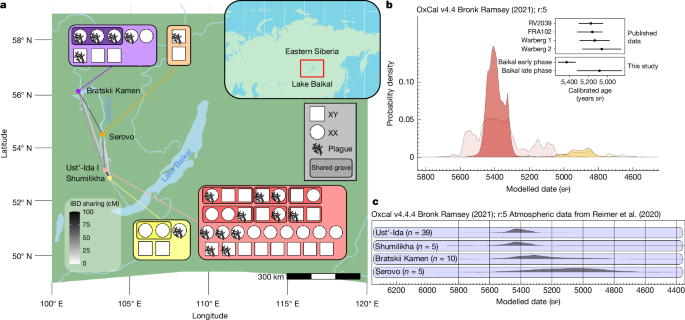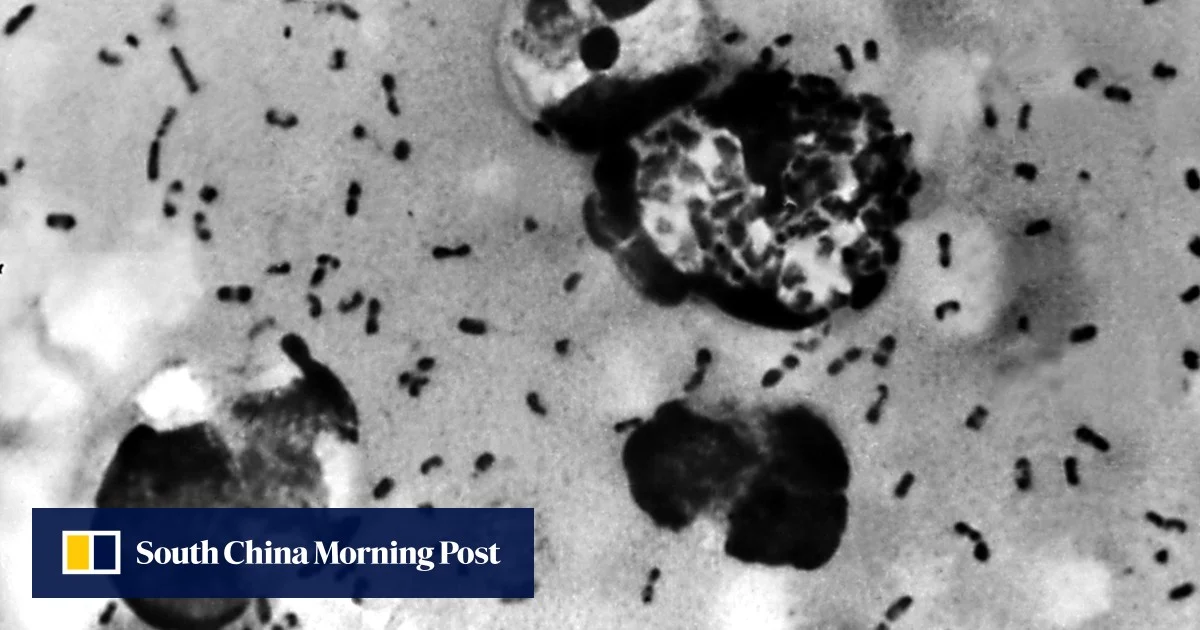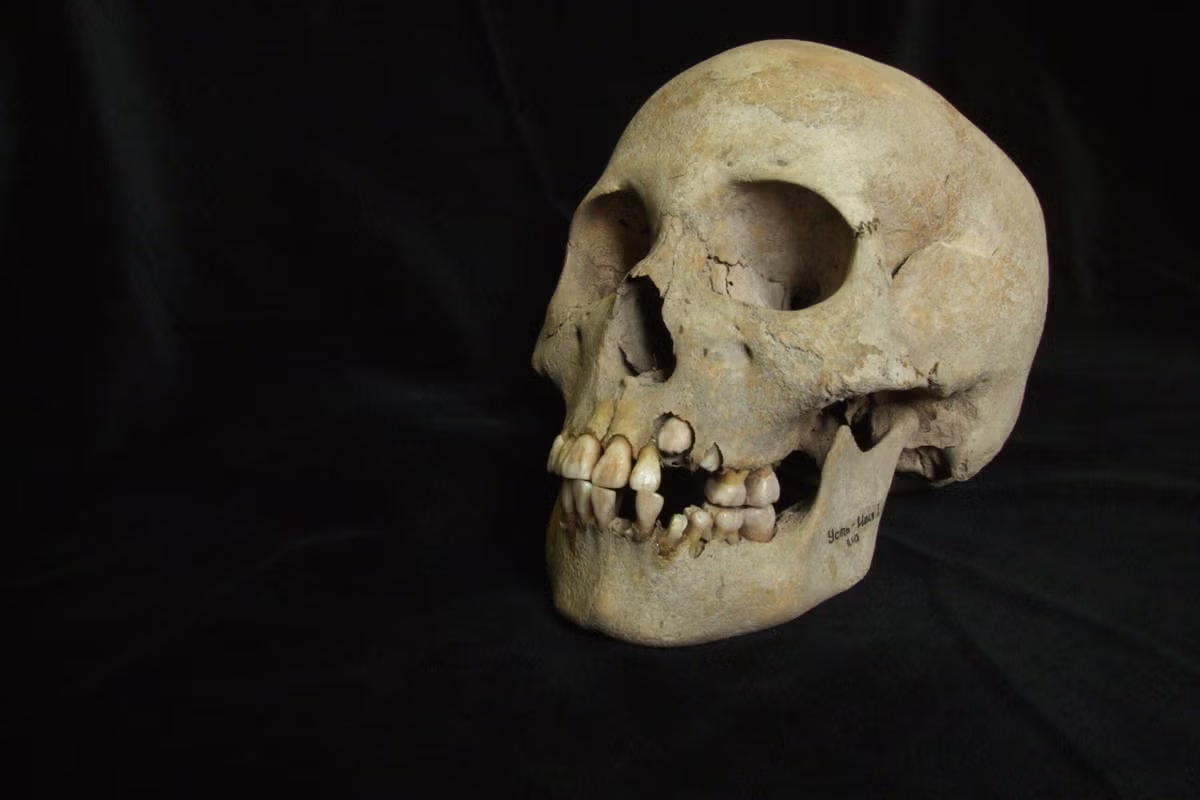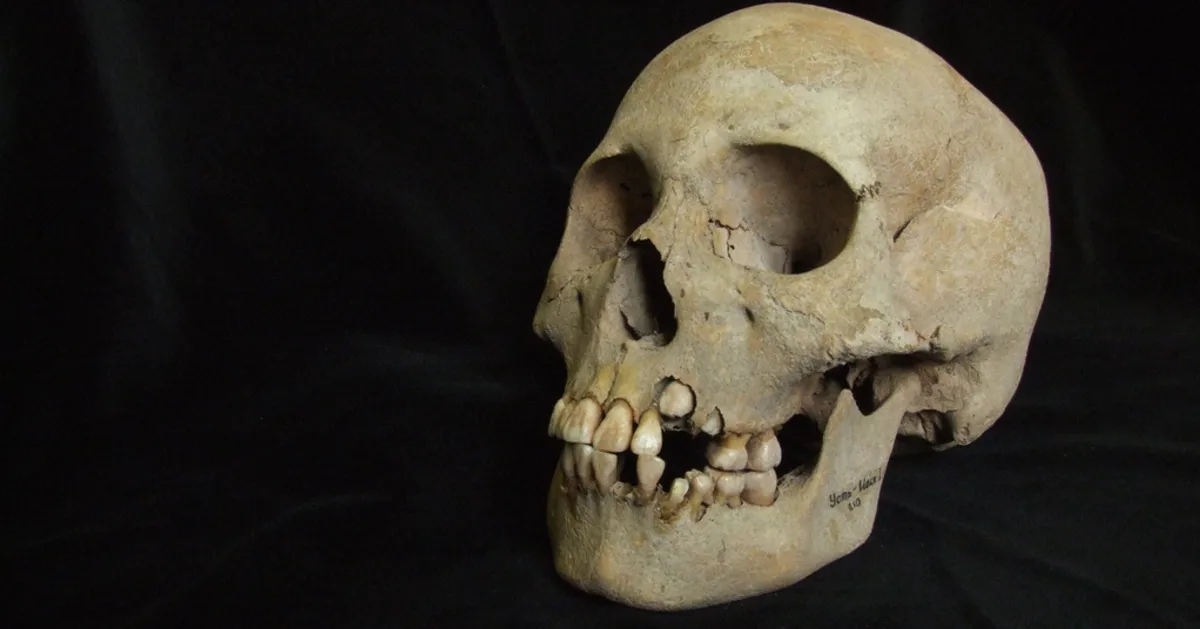
SynopsisAncient Siberian plague discovery: Ancient DNA unearthed in Siberia has rewritten the history of plague. Researchers discovered highly lethal strains of the bacterium Yersinia pestis dating back over 5,000 years, affecting early hunter-gatherer communities. Evidence suggests these ancient strains were devastatingly potent, causing widespread mortality, particularly among the young.Global DeskAncient Siberian plague discovery: A long-standing mystery buried in ancient human remains from Siberia has finally been uncovered. What was once assumed about the early history of plague has now been rewritten through genetic evidence preserved for more than 5,000 years.A new study published in Nature reveals that plague was already highly lethal thousands of years earlier than previously believed, affecting small, mobile hunter-gatherer communities in what is now the Lake Baikal region of East Siberia, as per a report.Ancient DNA Reveals Early Plague in Hunter-Gatherer CommunitiesResearchers analyzed ancient DNA extracted from human remains found in four hunter-gatherer cemeteries around Lake Baikal.Using advanced sequencing techniques, they reconstructed bacterial genomes preserved in teeth. The results revealed previously unknown early strains of Yersinia pestis, the bacterium responsible for plague.DNA from the pathogen was detected in 18 out of 46 individuals, nearly 40%, showing clear evidence of widespread infection within these communities, as per the Phys Org report.You Might Also Like:A Disease Deadlier Than Expected 5,500 Years AgoThe findings challenge earlier assumptions that early forms of plague were not capable of causing major outbreaks.Instead, the mortality patterns tell a different story. Many of the burials included a high number of children and young teenagers, a pattern that had puzzled archaeologists for decades.Radiocarbon dating also showed that many of the deaths occurred within very short time spans, sometimes involving siblings or parents and children buried together, as per the Phys Org report.Genetic Clues Point to Highly Lethal Early StrainsScientists discovered that these ancient plague strains carried a unique superantigen, a toxin-producing genetic factor not seen in later historical strains.You Might Also Like:Superantigens can trigger extreme immune responses, increasing the severity of infection and making the disease highly lethal.According to researchers, this suggests that even without flea-based transmission, early plague strains were already capable of causing devastating outbreaks, as per the Phys Org report.How Plague May Have Spread in Prehistoric SiberiaThe study also points to a possible origin of plague in Central or Northeast Asia.Evidence suggests that these hunter-gatherer groups may have had close contact with marmots, large burrowing rodents that still carry plague today.Researchers believe the disease may have spread directly from infected animals to humans in these early communities, as per the Phys Org report.Rewriting the History of One of Humanity’s Oldest DiseasesThe combination of genetic data, archaeological findings, and radiocarbon dating allowed scientists to reconstruct how these outbreaks likely unfolded.Senior researchers noted that the ancient strains carried a powerful mix of virulence factors, making them capable of causing severe and often fatal infections, as per the Phys Org report.FAQsWhat did the new study discover about plague?It found that plague was already highly lethal 5,500 years ago in Siberian hunter-gatherer communities.Where were the ancient remains found?They were found in cemeteries in the Lake Baikal region of East Siberia.Read More News on(Catch all the US News, UK News, Canada News, International Breaking News Events, and Latest News Updates on The Economic Times.) Download The Economic Times News App to get Daily International News Updates....moreless
The deadly secret locked inside ancient Siberian remains for 5500 years has finally been unearthed
Ancient Siberian plague discovery: A groundbreaking study uncovers that plague was highly lethal 5,500 years ago, affecting hunter-gatherer communities in ancient Siberia. Genetic evidence reveals early strains of Yersinia pestis, indicating widespread infection and severe mortality patterns among these populations.
TL;DRAI
Ancient DNA from 5,500-year-old Siberian remains revealed highly lethal Yersinia pestis strains with a unique superantigen that caused severe immune responses and widespread mortality in ancient communities. Historical evidence of ancient disease severity informs modern epidemic risk models and organizational preparedness frameworks.
549 words~2 min read