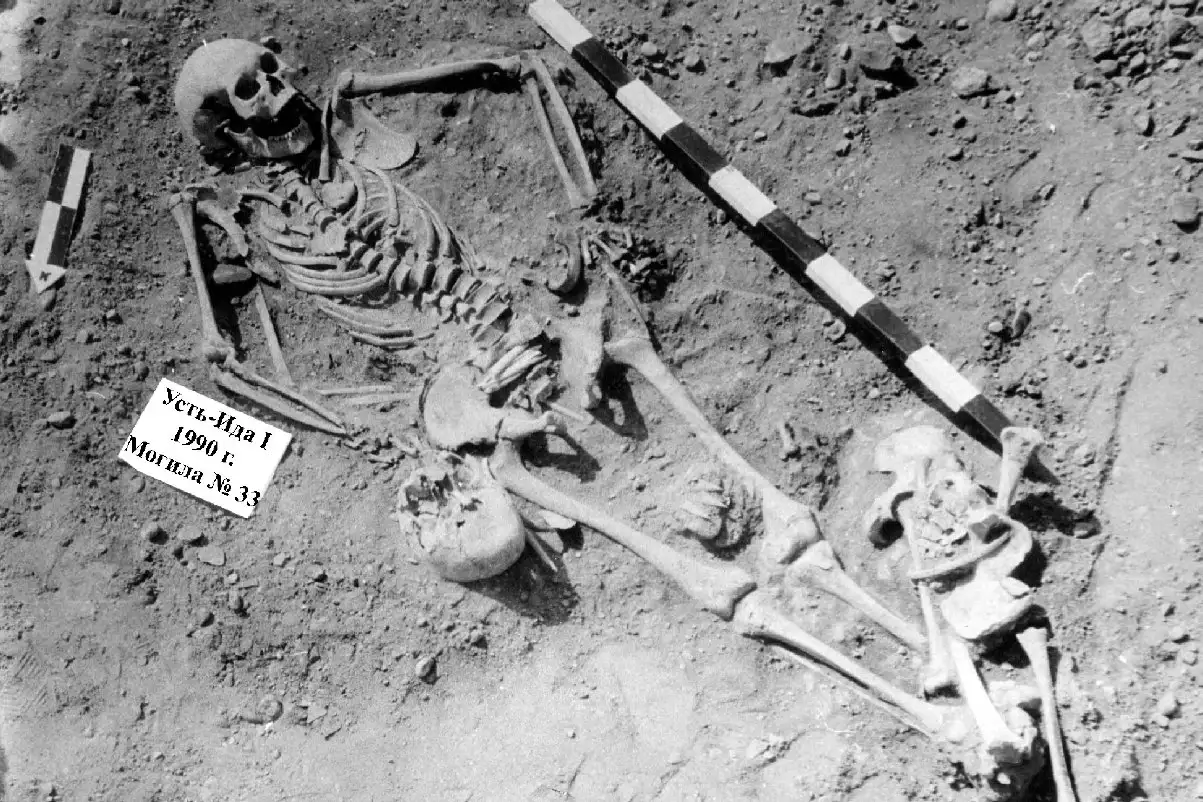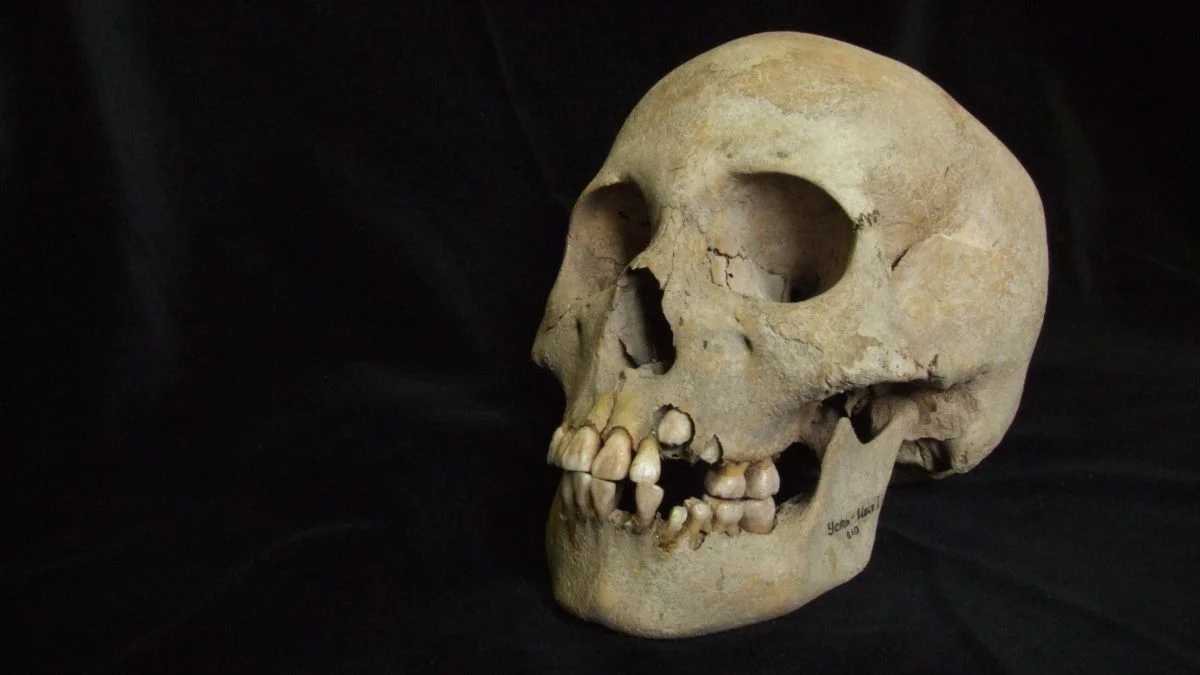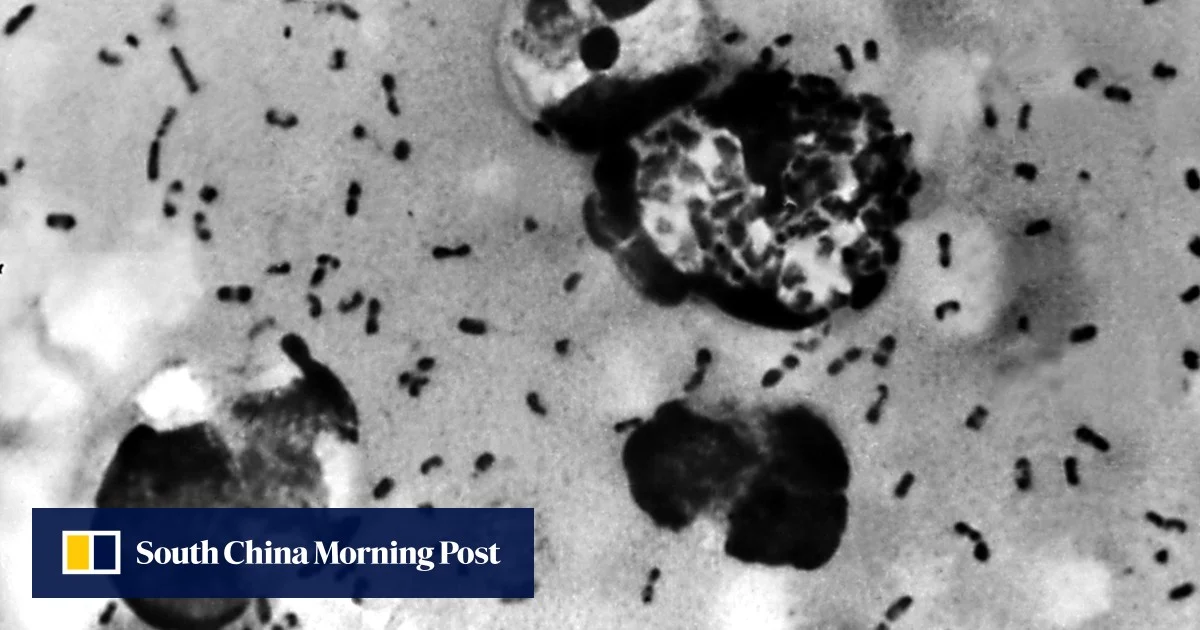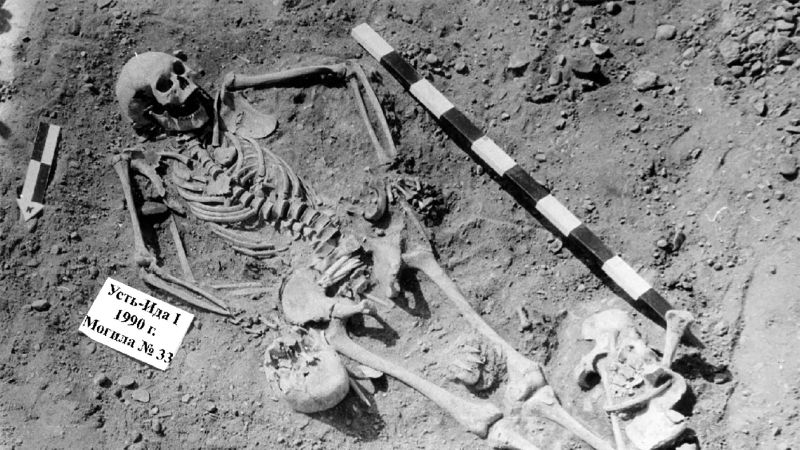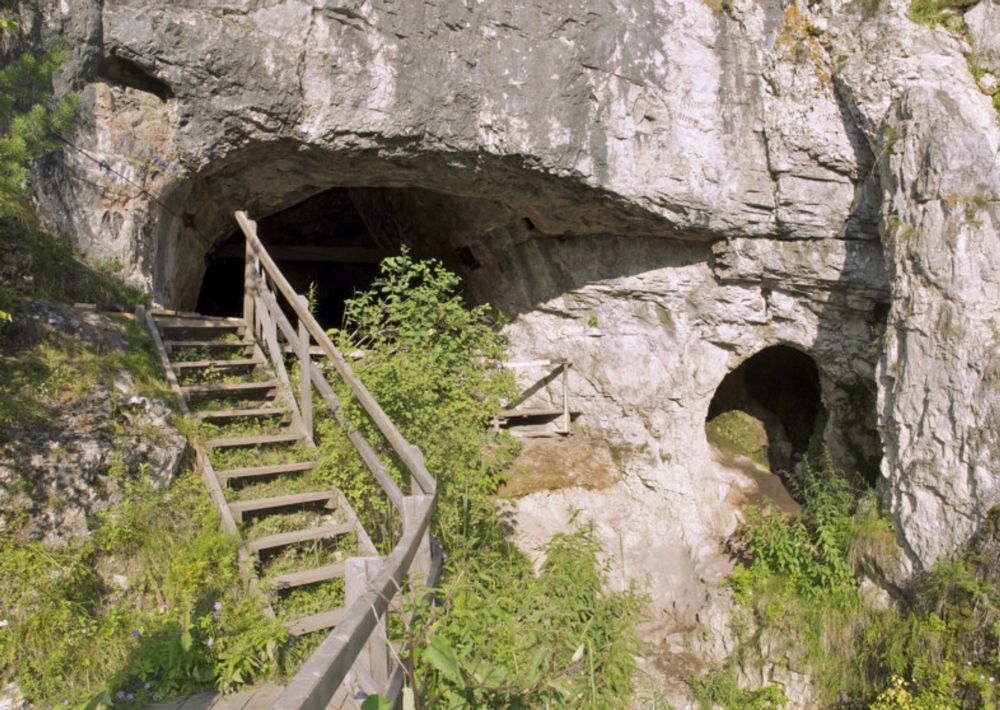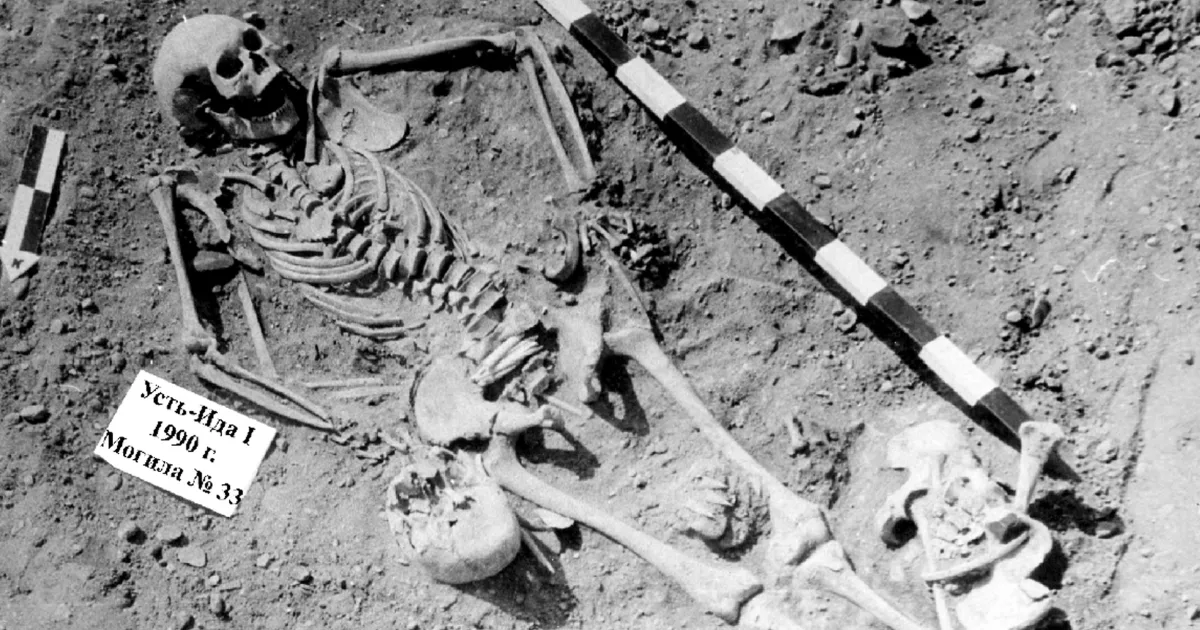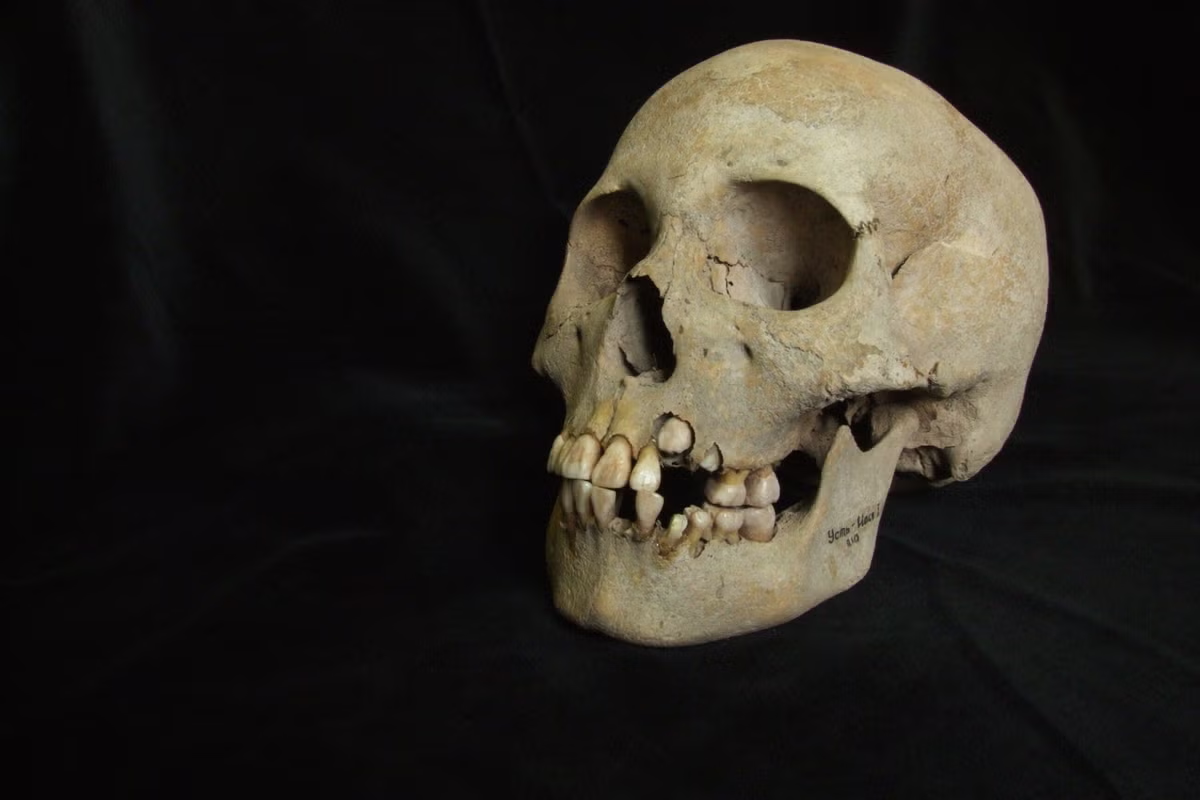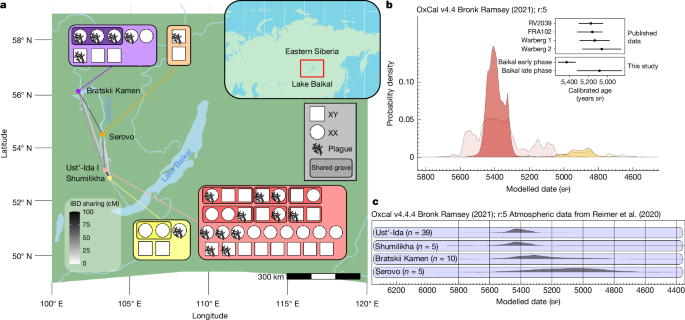
MainThe analysis of ancient pathogen genomes has significantly expanded our understanding of the evolutionary history of human infectious diseases (for example, Salmonella enterica4 and hepatitis B5), although this has principally been in the context of farming or pastoralist communities. Y. pestis, the aetiological agent of plague, is perhaps the most studied in this regard, and has had devastating consequences on human populations for millennia. Historical outbreaks of plague account for some of the most fatal events in human history1. The recovery of ancient DNA from plague victims has afforded extraordinary insights into the origins and evolution of plague at the time of these events6,7, and, remarkably, revealed infections in prehistoric individuals across Europe8. Historically and today, plague is associated with transmission via fleas from rodents, which successfully adapted to a human commensal niche in the Neolithic9. Genomic analysis of prehistoric plague indicates that in early diverging strains, key genetic adaptations required for flea-mediated transmission of the disease and bubonic infection are absent2,3, leading to uncertainty over the transmission route and severity of these strains.The detection of early plague cases across multiple generations of Late Neolithic farmers has been used to link outbreaks of the disease to a prolonged demographic decline between about 5,300–4,900 calibrated years before the present (cal bp)10,11, although an alternative explanation attributes the decline to agricultural crisis12,13. The former interpretation has been controversial, with others suggesting infections as more closely resembling benign foodborne enteritis14. The similarity or otherwise of these early strains to Y. pseudotuberculosis—the closest relative of Y. pestis—has been an important point of interest through such discussions, and based on existing ancient genomes, Y. pestis has been estimated to have diverged from Y. pseudotuberculosis some time in the past 50,000 years (refs. 8,11,15).Studies of prehistoric plague genomes from Late Neolithic and Bronze Age (LNBA) strains predominantly date to between 4700–2400 cal bp (refs. 3,8,16), and are typically defined as one of two lineages, depending on the presence (LNBA+) or absence (LNBA−) of the ymt gene3. ymt encodes Yersinia murine toxin, which enhances bacterial survival in the flea digestive tract during the transition period between rodent and human hosts, and thereby the flea bite-transmitted bubonic form of plague in humans17. Lineages of Y. pestis that diverged prior to these LNBA clades have also been identified in a handful of Neolithic Swedish individuals (5200-4850 cal bp)10,11 and a Latvian individual with western hunter-gatherer ancestry (5300–5050 cal bp)15. These genomes lack classic virulence genes (YpfΦ prophage and ymt), although pangenomic analysis revealed the presence of the locus encoding for Y. pseudotuberculosis-derived mitogen (YPM), a superantigenic toxin associated with Y. pseudotuberculosis (but not later Y. pestis strains). This raises intriguing questions about the possible severity of early strains of plague; subsequent LNBA− strains show substantial gene loss, although the virulence potential of these are unknown3. Evidence regarding the demographic impact of plague infection on prehistoric populations has so far been lacking in these studies.Middle Holocene hunter-gatherers around Lake Baikal, southeast Siberia, have been the focus of intensive archaeological study by the Baikal Archaeology Project, yielding important datasets for framing prehistoric hunter-gatherer lifeways18,19. These groups demonstrate remarkable continuity of hunter-gatherer lifeways and subsistence, evidenced by an extensive archaeological record of mortuary sites from between about 8500–3500 cal bp (ref. 20). The genomes of sampled hunter-gatherers indicate a long-term continuum of Ancient North Eurasian and North East Asian ancestry until c. 4500–4000 cal bp (refs. 21,22) (Extended Data Figs. 1 and 2). By this period, cases of plague from human remains corresponding to the LNBA− strain are documented sporadically among Early Bronze Age burials22,23. Zoonotic spillover events causing plague infections in this region remain a major health concern to this day24. These are principally associated with marmots, the primary zoonotic reservoir of plague in the region25,26. To explore health and community structure in prehistoric hunter-gatherer groups, we analysed ancient human and pathogen DNA from four cemetery sites in Cis-Baikal (the lake’s western and northern region) across two separate outbreaks dated to 5520–5265 cal bp and 5315–4235 cal bp (95.4% confidence intervals for modelled date ranges based on individuals with detected plague cases, corrected for freshwater reservoir effects; Supplementary Note 4). The long tail for the second outbreak date range (Fig. 1b) is due to this only consisting of two direct dates, although the highest likelihood date range for this is approximately 5050–4850 cal bp.Fig. 1: Overview of the spatiotemporal distribution of ancient humans and plague infections in this study.The alternative text for this image may have been generated using AI.Full size imagea, Locations of affected cemeteries on the Angara River northwest of Lake Baikal, and IBD sharing between the sampled occupants of cemeteries (pairwise sharing lines between sites; greyscale ramp indicates total IBD sharing in segments larger than 3 centimorgans (cM) totalling more than 10 cM in pairwise relationships between sites; Supplementary Note 2). Inset represent the sampled individuals at each site (31 Ust’-Ida I, 8 Bratskii Kamen, 2 Serovo and 5 Shumilkha), with plague detections indicated, and shared graves indicated by shaded areas around individuals. Maps created using Natural Earth Data. b, Kernel density estimates plotted within Bayesian models of the date ranges for the early (red) and late (dark yellow) phases of plague outbreaks at Baikal. Lighter shaded areas correspond to the summed probability distributions prior to modelling; dates used are from individuals identified with plague only. Inset, 95.4% confidence intervals for modelled date ranges at Baikal are shown compared with those from other pre-LNBA plague cases: RV2039 from Latvia15, Warberg 1 and Warberg 2 from Germany61 and FRA102 from Sweden11. c, Kernel density estimate modelled radiocarbon date distributions for the four cemetery sites, for all radiocarbon-dated post-weaning age humans (or associated deer tooth pendants), irrespective of DNA sampling. Radiocarbon date modelling undertaken with OxCal v.4.4.465,66.Outbreaks of basal plague strainsWe generated shotgun-sequenced ancient DNA from 46 Late Neolithic individuals and examined this data for presence of pathogens (Methods). This revealed a conspicuously high occurrence of Y. pestis among these individuals, more so than any other pathogen. Y. pestis was detected in 18 individuals, indicating 2 distinct phases of outbreaks of plague infection—separated by between 4 and 6 centuries—in 4 cemeteries (Fig. 1a,b). These occur across two phases at Shumilikha, Ust’-Ida I, Bratskii Kamen and Serovo (see Fig. 1c), with cases from Bratskii Kamen in both the first and second phases. These sites are all located on banks of the River Angara, a major watercourse draining from Lake Baikal, with a rich fishery27. Stable carbon and nitrogen isotopic data from individuals at Ust’-Ida I evidence consumption of both local fish and terrestrial game27. Burials at Ust’-Ida I and Shumilikha correspond to the Isakovo mortuary tradition (characterized by bodies that are typically oriented parallel to the river, and the presence of grave goods such as mitre-shaped clay vessels, lithic arrowheads and bone or antler points), whereas those at Bratskii Kamen and Serovo correspond to the Serovo mortuary tradition (with bodies frequently oriented perpendicular to the river; bifaces and egg-shaped pots as grave goods are the main features; see also Supplementary Note 1). At Ust’-Ida I, we also detect reads aligned to the zoonotic pathogen Brucella, the cause of brucellosis, in one individual (#26.04; Supplementary Note 3). The two plague outbreaks are grouped by the predominant burial practices at each cemetery: Isakovo-style graves in the first outbreak and Serovo-style graves in the second phase (Supplementary Note 1), which are contemporaneous at Lake Baikal between around 6000–5000 cal bp (ref. 27). This period is defined locally as the Late Neolithic, following Siberian archaeological terminology, where the Neolithic is defined on technological criteria such as the introduction of the bow and arrow, clay vessels and stone grinding techniques (domestic plants and animals other than dogs are absent), although these communities remain as hunter-gatherers until the encroachment of pastoralism in the Late Bronze Age. Grave sites comprise the vast majority of the Cis-Baikal archaeological record, and designations such as the Late Neolithic are later categorizations, applied to distinct sets of burial characteristics and grave goods that broadly correspond to different periods. All four cemeteries were also used during the Early Neolithic (7650–6660 cal bp) and Early Bronze Age (4970–3470 cal bp)27, although only their Late Neolithic components are considered here.Pairwise sharing of identity-by-descent (IBD) segments between individuals at these cemeteries indicates recent shared ancestry. Although they are up to 340 km apart, the Angara river would readily have facilitated travel. Very low rates of inbreeding were detected and a high effective population size based on runs of homozygosity was inferred using hapROH (maximum likelihood estimate: 18,219 individuals, 95% confidence interval 9,445–42,062). This is consistent with the scenario of highly mobile, exogamous hunter-gatherer groups.Within the hunter-gatherer individuals analysed here, the highest number of detected plague infections was at Ust’-Ida I, which is also the largest Isakovo mortuary site in Cis-Baikal. Here, we found a 35% detection rate (11 out of 31 individuals sequenced), including burials #14 and #56.01, for which human genome data were previously reported21. Across other sites, we identify one high-coverage plague genome at Shumilikha, four lower coverage genomes from Bratskii Kamen, and one medium coverage genome from Serovo. Overall, we observe a 39% detection rate across Late Neolithic individuals at these cemeteries (from dental cementum). In comparison, quantitative PCR screening of known Mediaeval plague victims at Smithfield, London, UK28 returned a detection rate of 5.7% from bone and 37% from dental pulp tissue (overall 20%), indicating a high rate of false negative plague detection using ancient DNA. To prevent misrepresentation of data, all ancient individuals with screening data from the affected sites are reported here (human autosomal genome coverage ranges from 0.001× to 1.9×, average 0.65×). Direct radiocarbon dates were obtained from nearly all the individuals within the Late Neolithic components of these cemeteries (a total of 58, including those previously reported from Ust’-Ida I29; Supplementary Data 7).Y. pestis genomes identified between the two Baikal phases of outbreaks were found to diverge ancestrally to the current known clade of ancient and modern plague strains (Fig. 2). We confidently assign these to Y. pestis from their phylogenetic position, and also the presence of virulence genes and plasmids characteristic of Y. pestis (Extended Data Fig. 3 and Supplementary Note 3). This phylogeny was built using genomes obtained from Shumilikha Burial #34 (6.4× coverage) from the first phase, and from Bratskii Kamen Burial #22 (1.6×) and Serovo Burial #10 (1.0×) from the second phase. Eight lower coverage genomes were phylogenetically placed using UShER30. The UShER algorithm finds the most parsimonious placement on the tree, selecting the node with the greatest number of descendents if multiple are equally parsimonious, and ignores missing genotypes. Placement of all low-coverage genomes at the same basal node is partly due to data missingness, although consistent with the position of the three higher coverage Baikal genomes. Bayesian inference of node dates was undertaken following an approach to account for the effects of recombination within bacterial phylogenies31,32 (Methods and Supplementary Note 3). The emergence of Y. pestis as a clonal species of Y. pseudotuberculosis occurs some time between the divergence of the lineage that gives rise to Y. pestis (labelled node A in Fig. 2) and the most recent common ancestor of available Y. pestis genomes (node B in Fig. 2). The upper bound provided by the former is likely to be substantially affected by the paucity Y. pseudotuberculosis genomes sequences, and could well be more recent if phylogenetically closer serovars were identified. Nonetheless, this lower bound (with a mean date of 5,709 years ago) revises a previous divergence estimate of 4,810–5,122 years ago33, as would be expected by including Y. pestis genomes older than this range (other estimates of this have ranged from 6,000 to 50,000 years ago8 and 7,400 years ago15). The phylogeny supports the conclusion that Y. pestis first evolved from a variant of the O:1 Y. pseudotuberculosis strain (represented by a genome from serotype O:1c, European Nucleotide Archive (ENA) accession: SAMEA7160327), consistent with previous findings34 reporting the inactivation of the O-antigen gene cluster as a step towards the evolution of Y. pestis. Between the two phases, we observe small genetic differences between strains in distinct private mutations in the first and second phase strains (with strict filters for genotype calling; Methods and Supplementary Note 3); this is also clear from the position of nodes in Fig. 2. Although mutation rates in Y. pestis are known to be highly variable within different lineages33, this result is consistent with a scenario of related strains resulting from separate zoonotic spillover events from a local animal reservoir.Fig. 2: Phylogenetic relationships and inferred internal node dates between hunter-gatherer plague samples from this study and previously published data.The alternative text for this image may have been generated using AI.Full size imageRight, the overall topology of the Y. pseudotuberculosis species complex is shown from a mutation-annotated tree based on 448 genomes (branch lengths indicate distance by mutations). Inset, a simplified version of this phylogeny, with prehistoric plague strains shown in particular (some branch lengths truncated). The three Baikal samples with higher coverage were incorporated directly into the construction of a RAxML phylogeny, whereas the eight lower coverage samples were phylogenetically placed afterwards, all of which shared their most parsimonious placement at the most basal Y. pestis node. Their placement at this node does not constitute a branching position, thus their inclusion adjacent to this node. Top left, internal node dates estimated using BactDating. BRK, Bratskii Kamen; SER, Serovo; SHU, Shumilikha; UID, Ust’-Ida I.Baikal hunter-gatherer plague mortalityTo contextualize these plague outbreaks, we considered biological kinship patterns, burial treatment and age at death within the affected hunter-gatherer cemeteries. At the site with the highest positive detection of plague (and largest sample), Ust’-Ida I, radiocarbon dates for the Late Neolithic Isakovo component are exceptionally tightly clustered for a relatively large cemetery29 (Extended Data Fig. 4). Modelled date ranges for all the early phase plague victims indicate a very narrow temporal span, on the order of a few decades (Supplementary Note 4), supporting the scenario that these burials were contemporaneous. This is further corroborated by the high similarity among plague genomes consistent with plague infections occurring in a single outbreak, or over a very brief time span. By reconstructing the most likely familial pedigrees, we find that the relationships and ages of family members are consistent with a mortality event over a time span of less than a single generation (Fig. 3). None of the age at death–relationship pairings indicate, for example, children that reached a similar age to their parents, or siblings and half-siblings with very different ages (the greatest sibling age gap is nine years, separated by a middle sibling). Where multiple generations are present, their inferred age-at-death ranges are generally consistent with those expected if all relatives had died at the same time (for example, a 12–15 year old has a 35–50-year-old father).Fig. 3: Familial pedigree groups identified from ancient genomes and the site plan for the Ust’-Ida I cemetery.The alternative text for this image may have been generated using AI.Full size imageIndividuals detected for plague are marked with bacilli silhouettes. Pedigrees are drawn from 30 sampled individuals at Ust’-Ida I and 8 from Bratskii Kamen; only close familial relationships are shown; although many other third- or fourth-degree relationships are detected at Ust’-Ida I (see Supplementary Note 2). Pedigrees are reconstructed based on deaths occurring contemporaneously. The two samples from Serovo (not shown) were found to be fourth-degree relatives. y.o., years old.The Isakovo mortuary group at Ust’-Ida I is unusual in several other ways among Cis-Baikal hunter-gatherer cemeteries. In addition to the tightly clustered radiocarbon dates, childhood mortality is disproportionately high (also observed at Bratskii Kamen, see Fig. 4), and there is a high incidence of multiple-interment graves (more than half at the site) with no evidence of subsequent grave opening and addition of new burials. This suggests co-occurrence of deaths within shared graves, consistent with a catastrophic mortality event. An avuncular relationship was also detected using KIN35 between the Ust’-Ida I and Shumilkha cemeteries, but this was not substantiated by the expected IBD-sharing pattern (Supplementary Note 2). Nonetheless, the high degree of IBD sharing between individuals (Fig. 1) across a distance of only 37 km along the Angara river, suggests that the concurrent plague outbreaks might be linked to the groups being in close contact at this time point.Fig. 4: Mortality profiles at Bratskii Kamen and Ust’-Ida I compared with other Baikal hunter-gatherer cemetery populations.The alternative text for this image may have been generated using AI.Full size imageKernel density plot of modelled age-at-death probabilities, based on a null model of a continuous probability of death at any age (see Supplementary Note 5). All relevant assemblages of human skeletal remains from the Cis-Baikal region studied by A.L. with more than 20 individuals are shown. Sample sizes for sites depicted: Bratskii Kamen (Late Neolithic (LN)), n = 20; Khuzhir-Nuge XIV, n = 81; Lokomotiv, n = 101; Shamanka II, n = 156; Shumilikha, n = 36 (Early Bronze Age); Ust’-Ida I, n = 48; Verkholensk, n = 27. Individuals are only included from the predominant period of mortuary use at each site. Outlier individuals from later or earlier mortuary traditions are excluded.In terms of plague detection within grave groups, we find no statistically significant pattern of plague co-occurrence among relatives (Supplementary Note 3), although affected individuals appear to be associated in a number of cases. The burial at Bratskii Kamen features a shared grave of 3 young girls, aged between 4 and 9 years (Fig. 3, left), with similar radiocarbon dates (Supplementary Note 4). Two of them (#19.01 and #19.03) were inferred as third-degree related (most probably cousins); the third had insufficient DNA preservation to confidently infer relatedness, but all three shared a mitochondrial haplotype with three rare private mutations and so were likely to be close maternal relatives. Genome data for Y. pestis were identified in all three, suggesting an outbreak of plague infection in a family, with synchronous deaths of the three children. Similarly, at Ust’-Ida I, a nephew and aunt (#20.01 and #20.02) are buried in a shared grave, with Y. pestis identified from both (Fig. 3, orange pedigree). The teenage niece of the aunt, however, is buried in a different shared grave with an unrelated teenage male (possibly suggesting non-biological kinship); his father in turn (green pedigree) is buried in an entirely separate grave.Additionally, some pairs of siblings who are buried together in shared graves show only one individual detected as positive for plague, as is the case with the siblings in grave #25 (Fig. 3, red pedigree). In another example, for a sister (#26.01) and brother (#26.04), the sister is inferred as positive, whereas the brother is not (although Y. pestis reads are detected at just below the threshold for confident identification; Supplementary Data). These observations are consistent with a high false negative detection rate in the palaeogenomic analysis of plague28. The brother was also infected with probably non-lethal brucellosis (Supplementary Note 3). In several cases close family members are found in different graves within the cemetery, for example, Burial #8, the third sibling of the pair in Grave 26. A pattern is visible, where two closely related family members are buried together, and one or more others are buried further away. This may be consistent with a more drawn-out sequence of deaths instead of a single mortality event if shared graves indicate concurrent deaths, reflecting a scenario of delayed person-to-person disease transmission. No causes of death were apparent other than genetically detected plague infection (although other microbes detected might reflect bacterial coinfections at the time of death; Supplementary Note 3). Notably, survivors must have existed to bury the deceased, with the typical Isakovo mortuary treatment and grave goods as well as acknowledgement of biological kinship suggesting a more prolonged sequence of mortality events.Epidemiological implicationsAt Baikal, the principal contemporary zoonotic reservoir of plague is the marmot (Marmota sibirica), and marmot hunting for meat and fur has historically resulted in perennial plague infections especially in young men, who are exposed during skinning and butchery36. Since the nineteenth century, marmots were the most targeted game species by Indigenous hunters in this region, originally by trapping37, and there are extensive historical accounts of ‘tarbagan plague’ from consumption of infected marmots around Lake Baikal38. Prehistoric hunter-gatherer marmot procurement is clearly evidenced by the presence of numerous marmot teeth as grave goods in Early Neolithic Kitoi graves19,39, although these have not been found in Late Neolithic graves. Consumption of raw or undercooked marmot organs results in the septicaemic form of infection following the faecal–oral transmission route, whereas close contact with marmots infected by present-day Y. pestis strains causes bubonic or pneumonic plague (or often both), with the latter often occurring secondarily to septicaemic infection40 or inhalation of infectious blood droplets during, for example, skinning41. The incidence of detected infections among co-buried kin described above would be consistent with the transmission of plague among humans, particularly via pneumonic transmission in the scenario of concurrent deaths.A striking aspect of the osteological age-at-death data at Ust’-Ida I and Bratskii Kamen—the two cemeteries with multiple instances of plague detected—is that their demographic profiles are highly skewed towards childhood mortality. These both show a peak in mortality at the age range of 7.5–11 years—that is, in children before puberty (Supplementary Note 1). In an analysis of mortality profiles across mid-Holocene Cis-Baikal hunter-gatherer cemeteries, these two cemeteries are clearly outliers in terms of the proportion of childhood deaths (Fig. 4). This result was found to be highly statistically significant given a null model of mortality profiles (Supplementary Note 5). Conversely, the 20–25-year age range shows the lowest mortality at Ust’-Ida I, and deaths between 20–35 years of age are completely absent at Bratskii Kamen (Supplementary Fig. 4). Parents are also conspicuously absent from the pedigree groups; although there are many sibling and cousin relationships, there is only one instance of a parent–offspring relationship. The sex ratio in these individuals appears unaffected however (22 XY and 24 XX).In the context of widespread infection with a plague strain of unknown virulence, this differential mortality between children and adults might be interpreted in a number of ways, given the available bioarchaeological data and current understanding of human immunity. First, adults could largely consist of those who had already been exposed to and recovered from the plague as children, and consequently acquired protective immunity, preventing reinfection or death. This would imply that outbreaks were regularly recurring, which our findings are not able to attest to, and would also imply that older individuals would be more likely to have acquired immunity, yet mortality actually increases slightly after the age range of 20–35 years (after the primary peak around 10 years of age). Alternatively, variation in mortality due to behavioural differences between age groups (for example, division of group tasks or roles by age, resulting in higher childhood exposure to marmots) cannot be ruled out, although there is little analogous precedent for this with regard to marmots specifically, and this is not supported by the lack of heightened childhood mortality in any other Baikal hunter-gatherer cemeteries (Fig. 4). Finally, it is possible that children could be at a greater risk of death owing to inherent differences in immune responses between adults and prepubescent children. Children are known to be more susceptible to infection from Gram-negative bacteria42, as evidenced by the epidemiological profile of Yersinia enterocolitica and Y. pseudotuberculosis infections today43.Functional variants in basal Y. pestis
Lethal plague outbreaks in Lake Baikal hunter-gatherers 5,500 years ago - Nature
Analyses of ancient DNA from hunter-gatherers near Lake Baikal in southeast Siberia around 5,500 years ago indicate that highly virulent Yersinia pestis emerged earlier than previously estimated, far from the next known cases of infection in Late Neolithic Europe.
12,026 words~55 min read