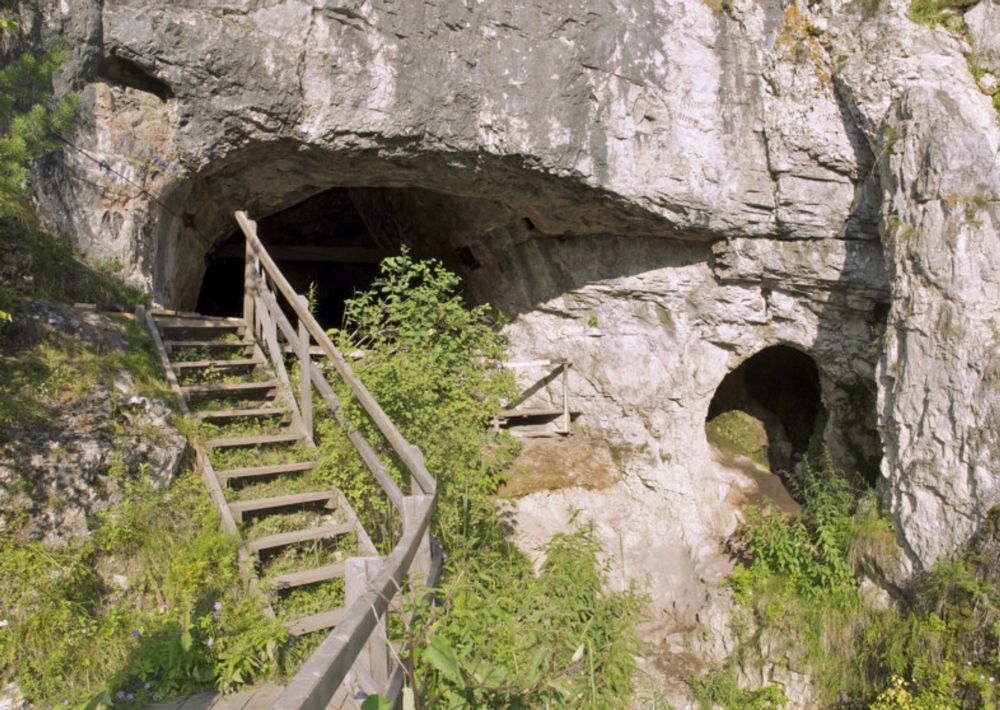
The entrance to Denisova Cave in the Altai Mountains in southern Siberia where the remains of a female Neanderthal were found. New research from a prehistoric cemetery near Siberia's Lake Baikal that the plague has affected humanity far longer than previously thought.
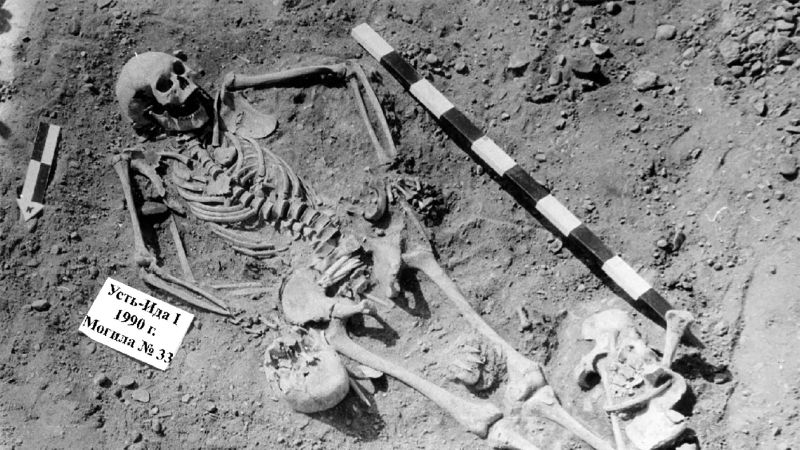
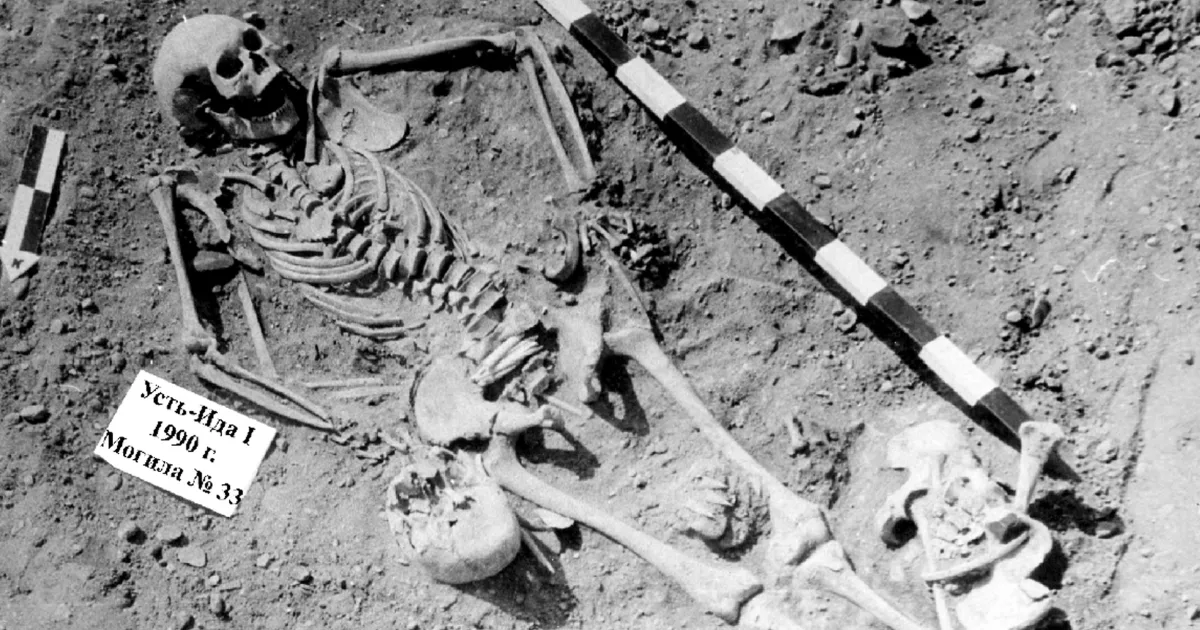
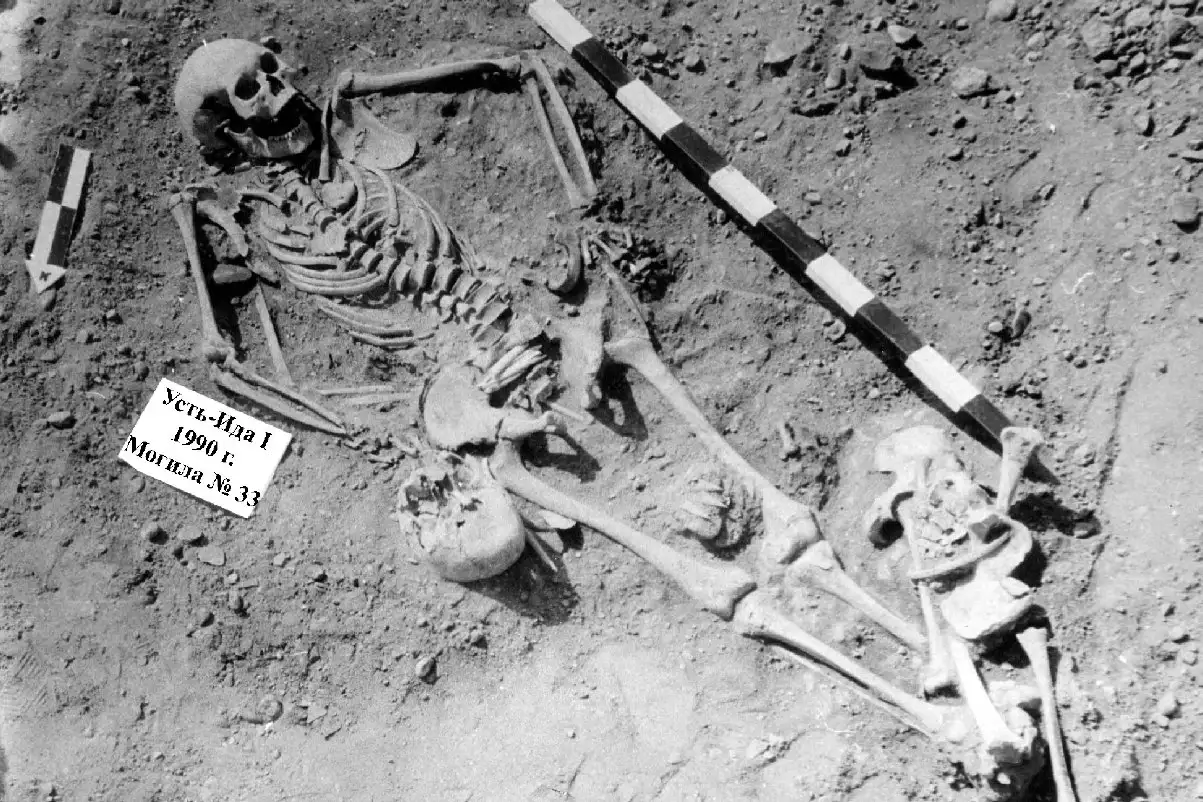
For years, an ancient hunter-gatherer cemetery near Lake Baikal in southeast Siberia has posed a tragic puzzle: an unusual number of children and adolescents.
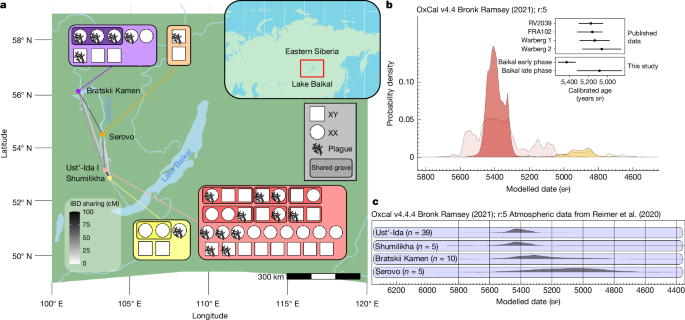
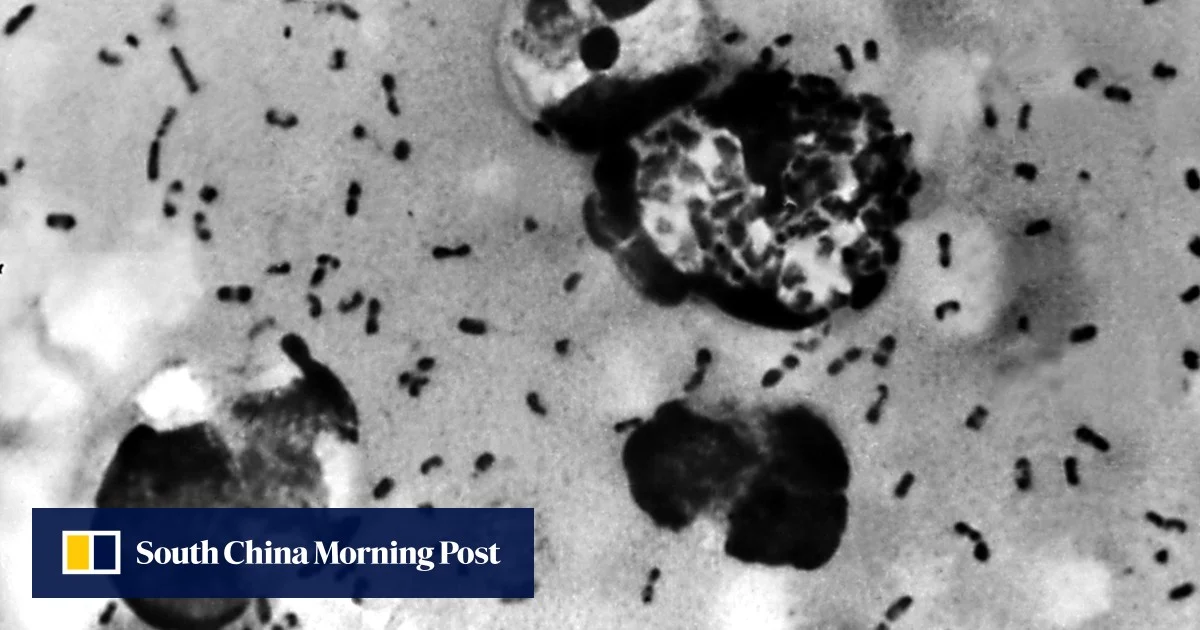
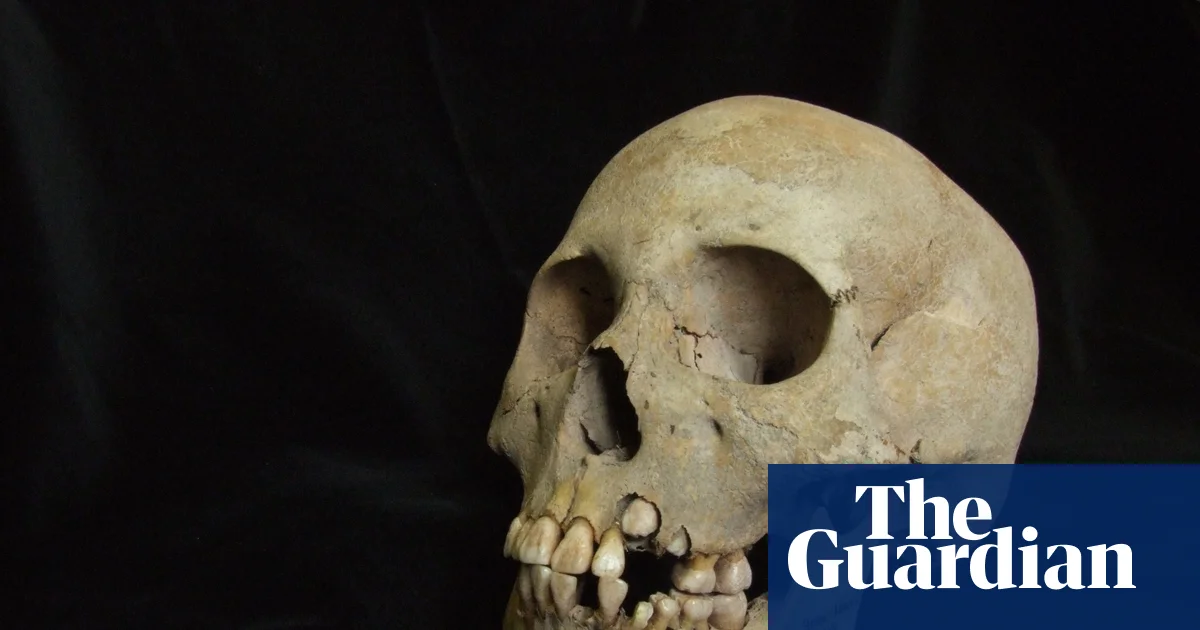
By examining DNA extracted from the teeth of 46 people buried at this and nearby cemeteries, scientists have discovered the likely culprit: the earliest known plague outbreaks. In a study published Wednesday in the journal Nature, researchers recovered genetic fragments of the plague-causing pathogen Yersinia pestis in more than a third of the individuals - marking two phases of an outbreak, starting about 5,500 years ago.
The new find pushes back the timeline on how long the bacterium that causes plague has been jumping from rodents into humans by a couple of centuries, unearths the earliest known plague strains yet, and helps resolve an open debate about whether those early versions of plague were lethal.
“I think what is particularly interesting here is the age profile (kids are often not included in ancient DNA studies because their bones are more fragile and less likely to preserve well) and the human genomic data showing the relationships among individuals,” Anne Stone, an anthropological geneticist from Arizona State University who was not involved in the study wrote in an email. “This provides a really interesting portrait of how this pathogen was affecting communities.”