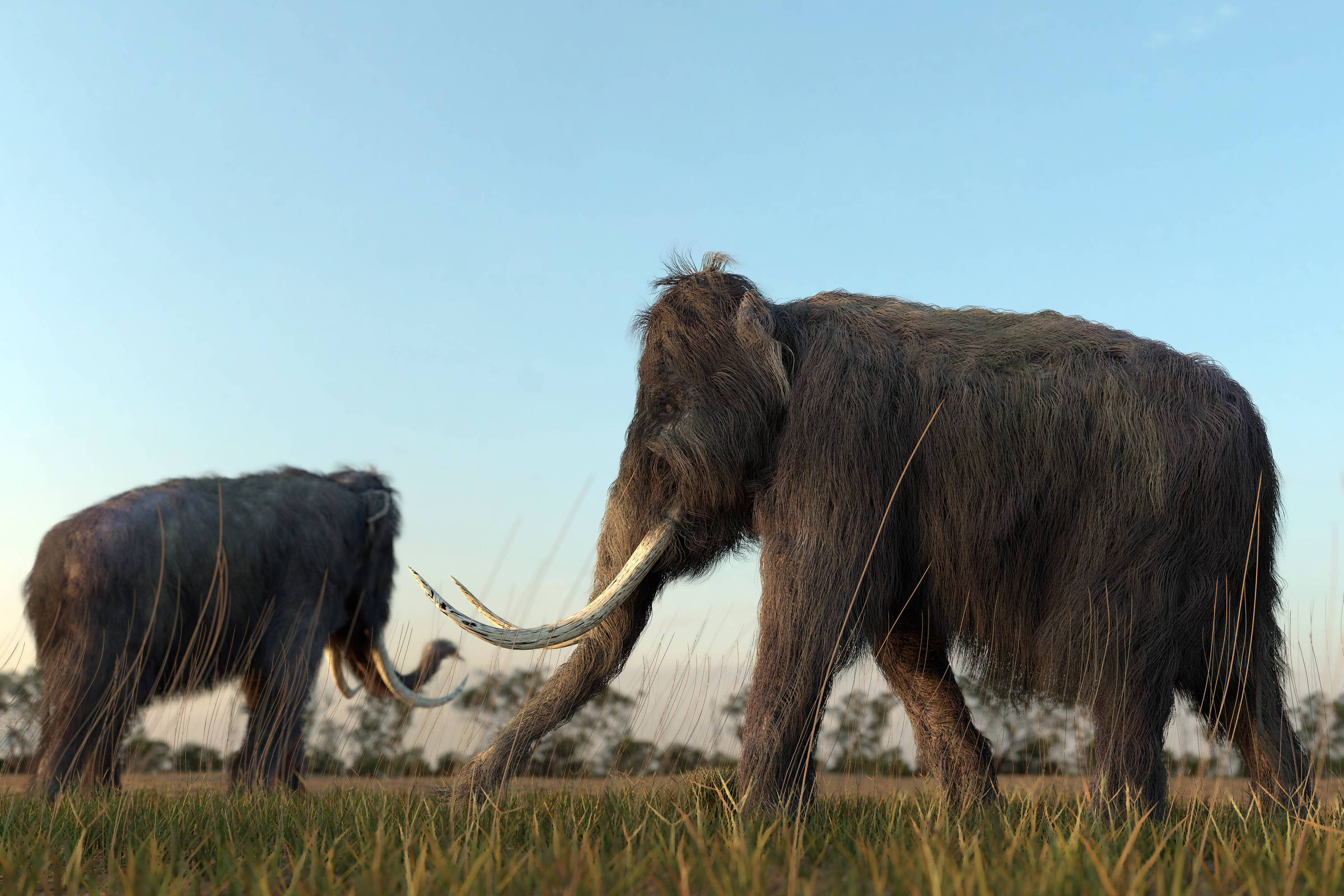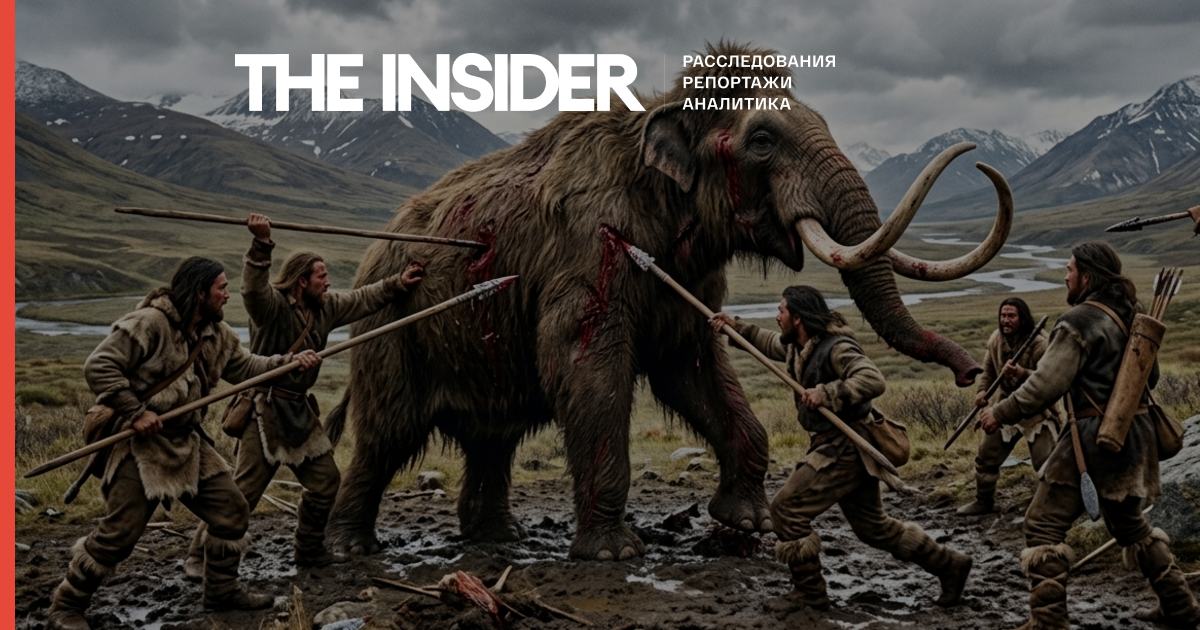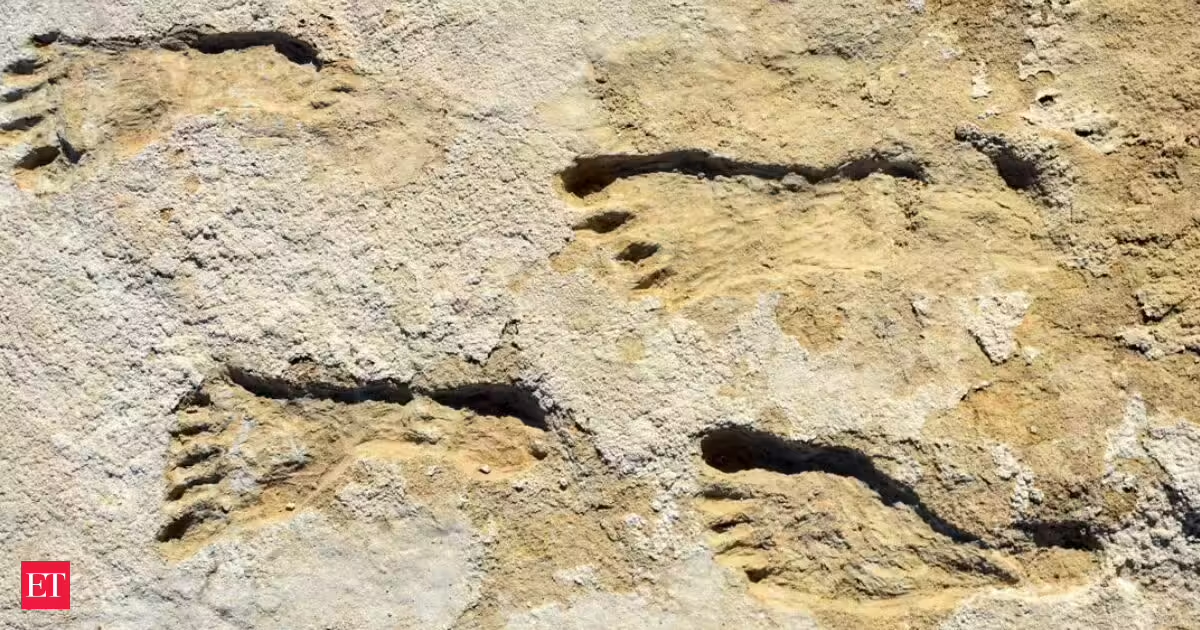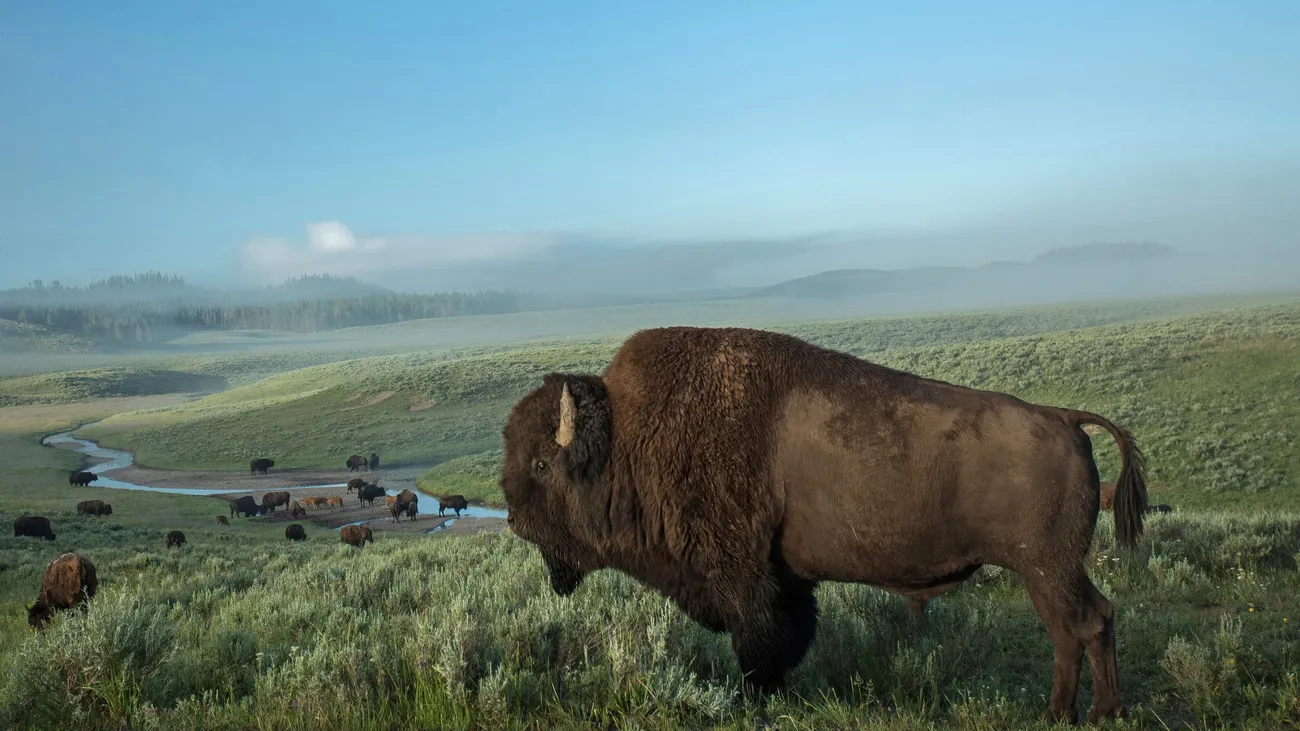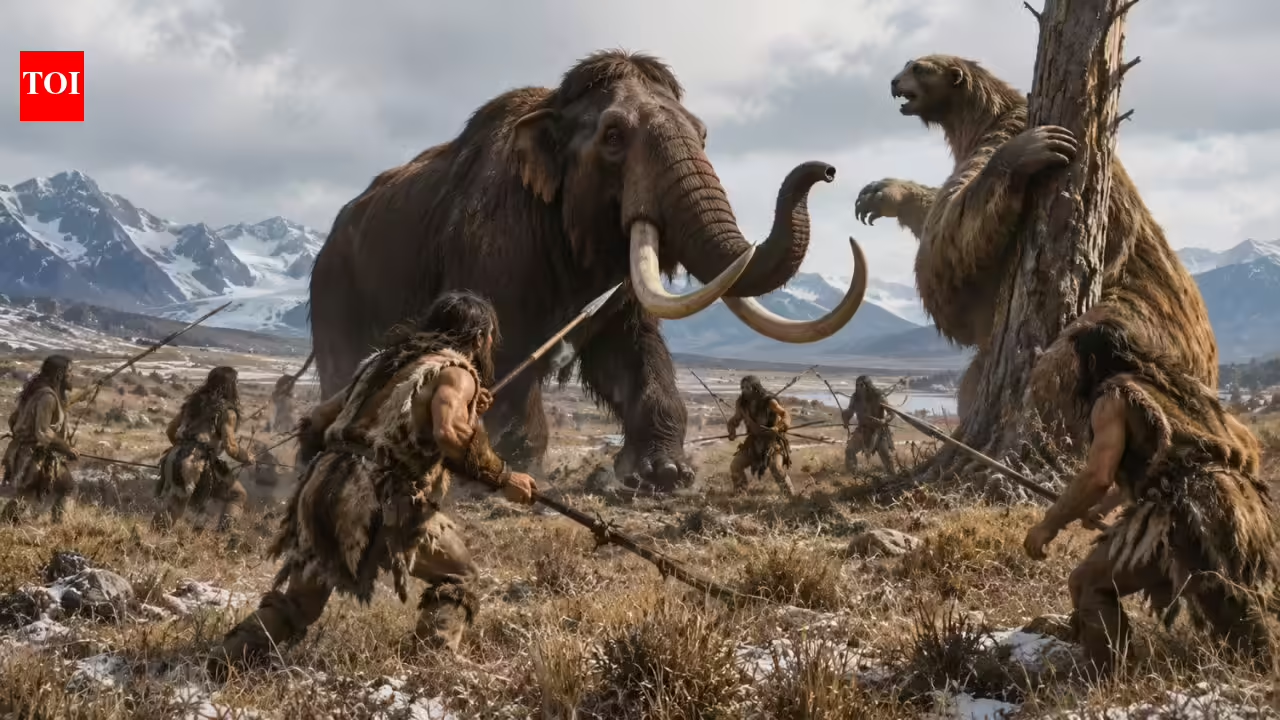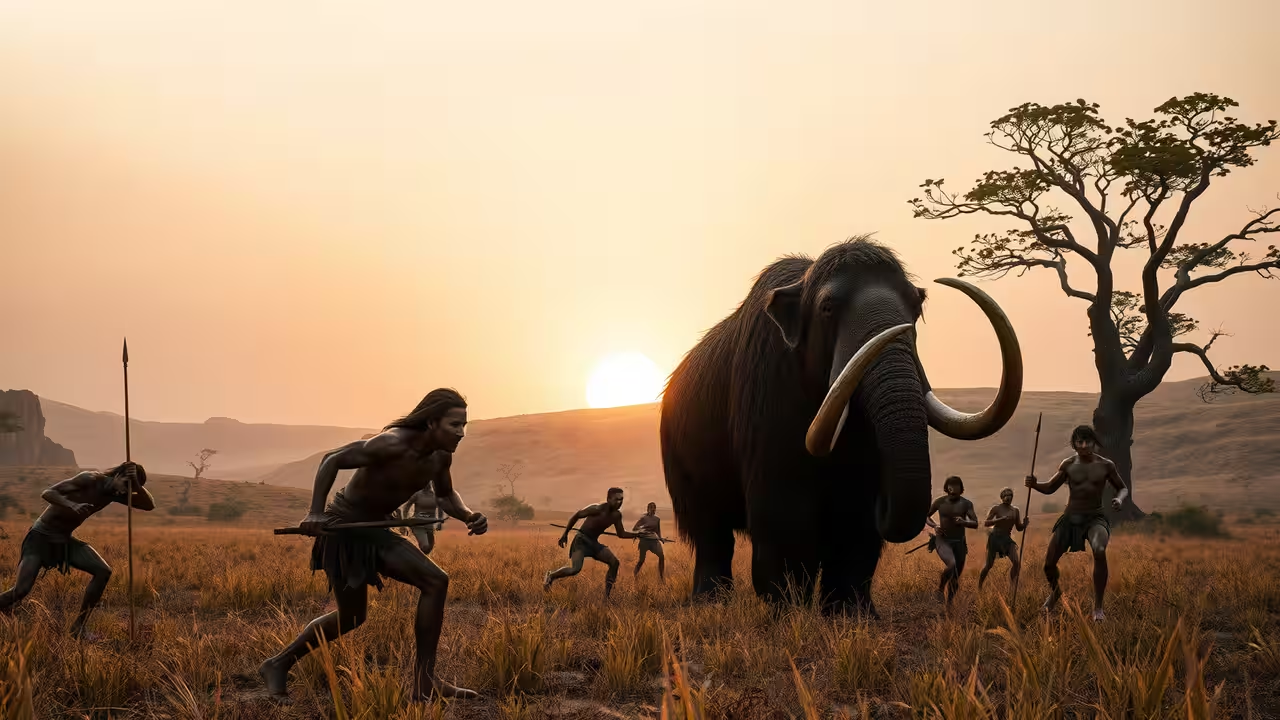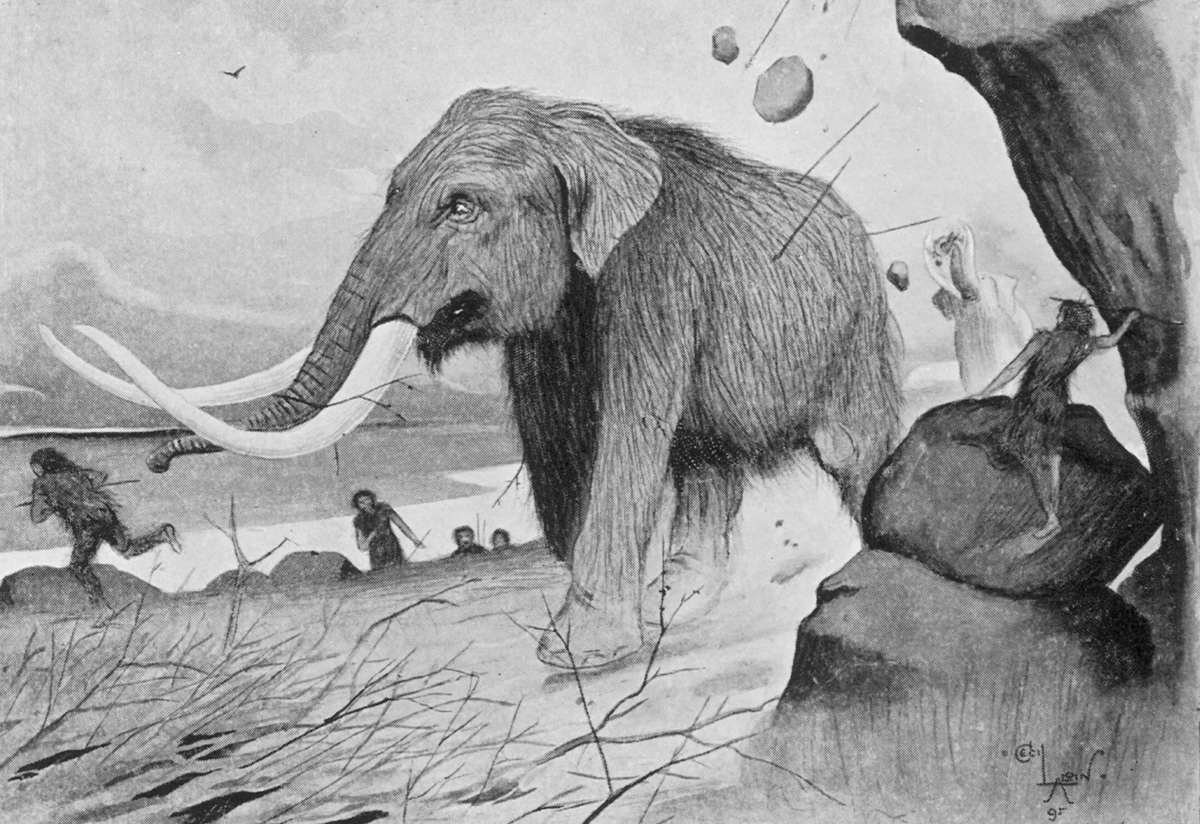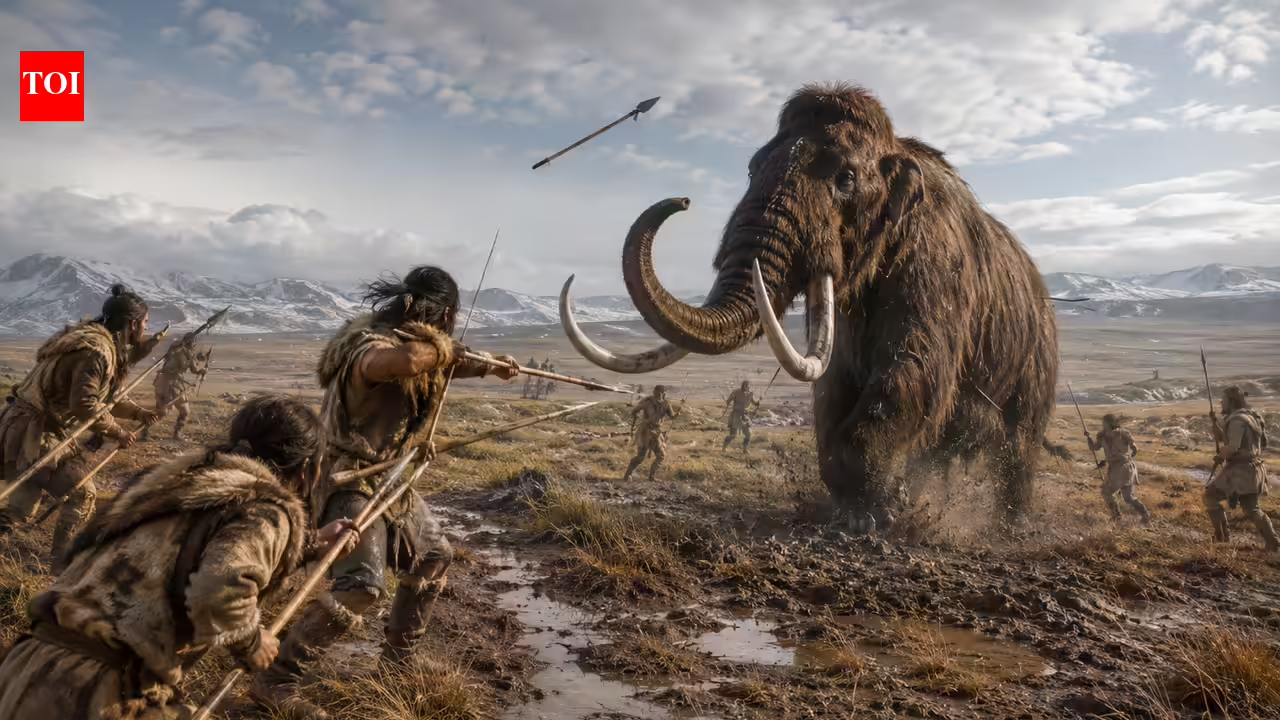
Ancient Americans weren't cautious settlers but bold hunters, a new study reveals. Instead of small game, early humans across the Americas primarily hunted massive herbivores like mammoths, comprising up to 88% of their diet. Image Credit: ChatGPTToday, the vast plains of the Americas often evoke images of agriculture or modern development. We picture massive fields of wheat blowing gently in the wind, long highways stretching into the horizon, and small herds of domestic cattle grazing on quiet hillsides. For generations, traditional history books have taught us to view this massive landscape as a territory that was only settled through slow, painstaking adaptation. A common view is that the earliest migrants moved cautiously from region to region, learning local plants and game as they adapted to new environments.But a closer look into the archaeological remains of the ancient world introduces a completely different narrative of bold, rapid movement and high-stakes hunting. Long before permanent villages appeared, the landscape was home to giant animals such as woolly mammoths, mastodons and ground sloths. Rather than tiptoeing through these unfamiliar territories and eating whatever small berries or rodents they could find, the earliest human groups behaved like highly focused hunters. What looks like a harsh landscape from a modern perspective was a route rich in big game that supported a shared lifestyle across thousands of miles of changing terrain.This profound prehistoric migration pattern was recently clarified in a study published in Science Advances, titled Hemisphere-wide evidence of Early Paleoindian megaherbivore specialisation. Led by researchers including Ben Potter of the University of Alaska Fairbanks, the paper adds evidence to a long-running debate about the diet of the first Americans. By conducting a massive analysis of animal bone records from fifty distinct archaeological sites stretching all the way from the frozen expanses of Alaska down to the southern tip of South America, the authors presented extensive evidence indicating that these early societies frequently specialised in hunting the largest animals on the planet.Uncovering the lopsided menu of the ice ageTo fully understand why this discovery has fundamentally shifted our view of early human history, it helps to look at the sheer scale of the evidence the team gathered. For the past decade, a popular theory among archaeologists suggested that the first Americans were generalists who survived by eating a varied mix of small game, fish, and seasonal plants. However, when the researchers synchronised the data across fifty key sites belonging to the earliest widespread cultural groups—including the Eastern Beringians in Alaska, the Clovis people of North America, and the Fishtail Projectile Point users of South America—an incredibly consistent, lopsided pattern emerged.The analysis suggests that 83% to 88% of the food supply across the three regional groups came from herbivores weighing more than 1,000 kilograms. At the Kimmswick site in eastern Missouri, where bones have been recovered for decades, rabbits, birds and small rodents account for less than a quarter of one per cent of the calculated edible meat. Instead, the deposits are overwhelmingly dominated by the massive skeletal remains of woolly mammoths, Columbian mammoths, giant gomphotheres, and prehistoric ground sloths that were targeted and butchered by human hunters.The data suggests that targeting these giant animals was a deliberate economic strategy. In terms of energy efficiency, the immense amount of effort required to track and bring down a single multi-ton mammoth using stone-tipped spears was minimal when compared to the astronomical reward of thousands of pounds of calorie-rich meat and fat. These massive creatures were also incredibly easy to spot across long distances moving through open terrains, making them an ideal, highly visible target for human groups moving into completely unfamiliar geographical territories.This specialization in big game provided abundant calories and acted as a 'map,' enabling rapid expansion across continents with consistent hunting strategies and technology. Image Credit: Hemisphere-wide evidence of Early Paleoindian megaherbivore specialisationHow big-game hunting may have aided expansion across the AmericasThe findings offer one explanation for how humans spread across two continents in a few hundred years. Normally, when human populations move into a completely new ecosystem, their migration slows down dramatically as they spend generations learning which local plants are safe to eat and how to hunt unfamiliar local wildlife. By focusing almost entirely on giant migratory mammals, the first Americans bypassed this learning curve completely, using the predictable behaviour of megafauna as a literal map to explore the New World.According to the study, this specialisation may have helped early human populations expand into different ecosystems without major changes to their technology or hunting habits. Because mammoths and other large animals roamed from the subarctic north to the grasslands of the south, human hunters could travel thousands of miles using the same tracking skills and stone weapons. This shared, highly mobile lifestyle may have contributed to the spread of human genetics and culture across the Western Hemisphere.This research highlights the relationship between large animals and early human societies in the Americas. By suggesting that the spread of the first Americans was linked to the presence of giant game, the study indicates that human movement may have been tied to the natural distribution of the ice age wilderness. Recognising that these ancient hunters may have followed a highly specialised strategy offers a clearer view of how early people adapted to the New World.
Scientists say the first Americans mostly hunted giant animals, and evidence from 50 sites suggests the practice may have aided their spread across the continents
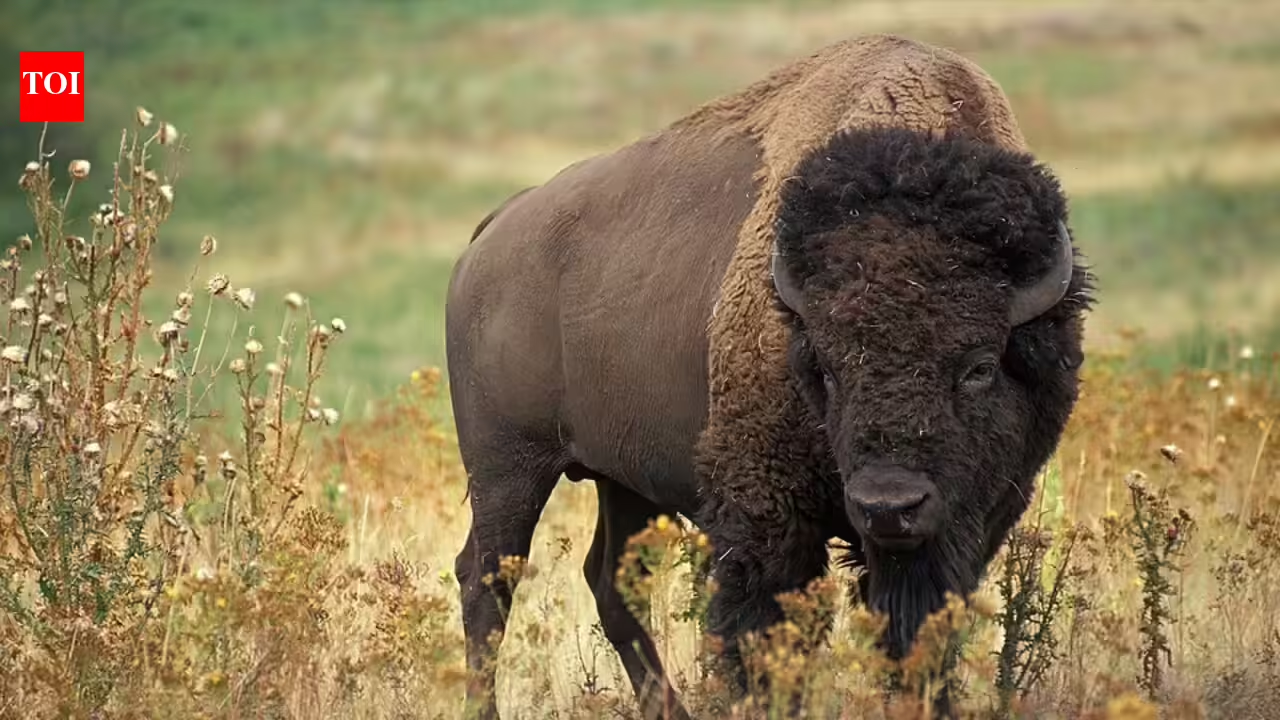
Today, the vast plains of the Americas often evoke images of agriculture or modern development. We picture massive fields of wheat blowing gently in the wind, long highways stretching into the horizon, and small herds of domestic cattle grazing on quiet hillsides.
878 words~4 min read