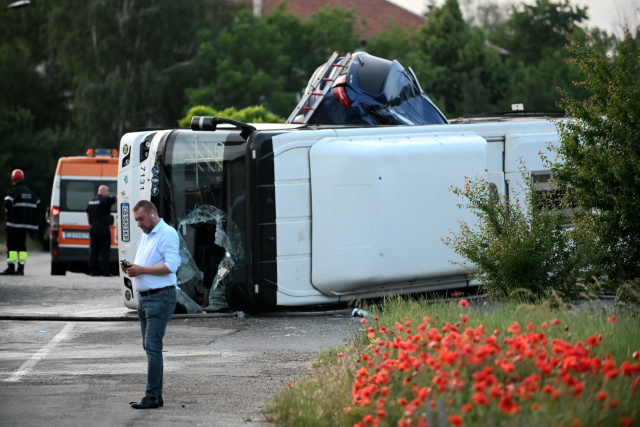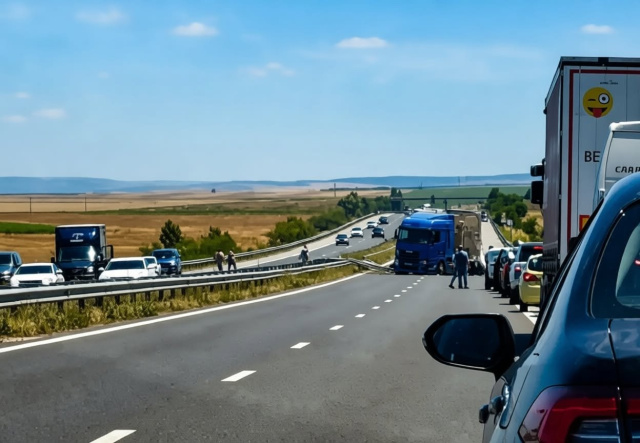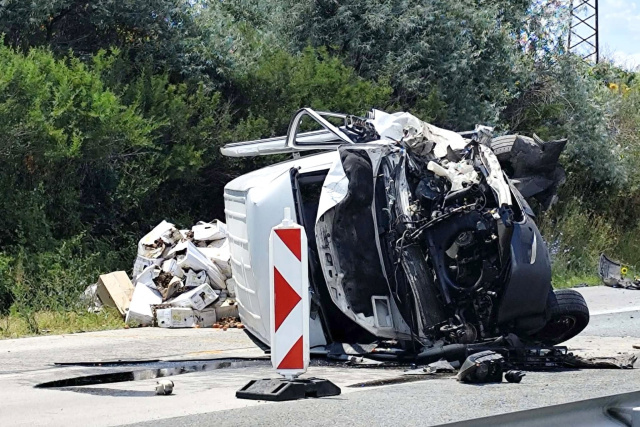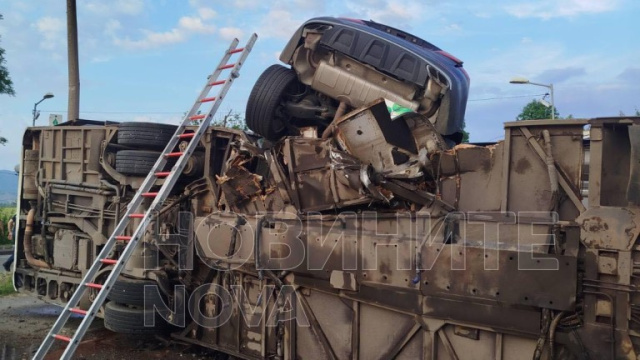
Four dead on Chelopeshko Shose after two cars raced each other at roughly 150 km/h into a city bus. Two teenagers killed near Mezdra by a driver with five months behind the wheel. Two nine-year-old footballers and a father dead on the Trakia highway after a truck with twenty prior violations on its record crossed the median. A truck tearing through guardrails on the Struma highway less than a day later. All of this happened within about three weeks of each other, in June 2026 alone.
This is the most predictable season in Bulgaria and the country keeps acting surprised by it.
The pattern is well documented, even if nobody seems to act on it. By the European Commission's preliminary 2025 figures, Bulgaria now has the highest road fatality rate in the European Union, at 71 deaths per million inhabitants, well above the EU average, which stood at 44 the year before. Bulgaria did not reach that ranking by getting worse. Its rate fell from 74 per million in 2024, but Romania's dropped faster, from 78 to 68, and that was enough to push Bulgaria into first place. When the 2024 numbers came out, the reassuring line from responsible institutions was that Bulgaria ranked second rather than first, as if not leading the deadliest category in Europe were an achievement, and within a year even that small consolation had expired. The seasonal pattern within the numbers is just as well established. The country's own statistics institute found that August was the deadliest month of 2023, with 61 road deaths, nearly double the 32 recorded in April. Bulgarian officials have acknowledged for over a decade that July, August and September produce the highest death tolls, the months when people travel for vacation, when more cars are on the road, and when, it seems, something shifts in how people drive. Every year the numbers climb through summer. Every year they recede by autumn. Every year the conversation about why resets to zero.