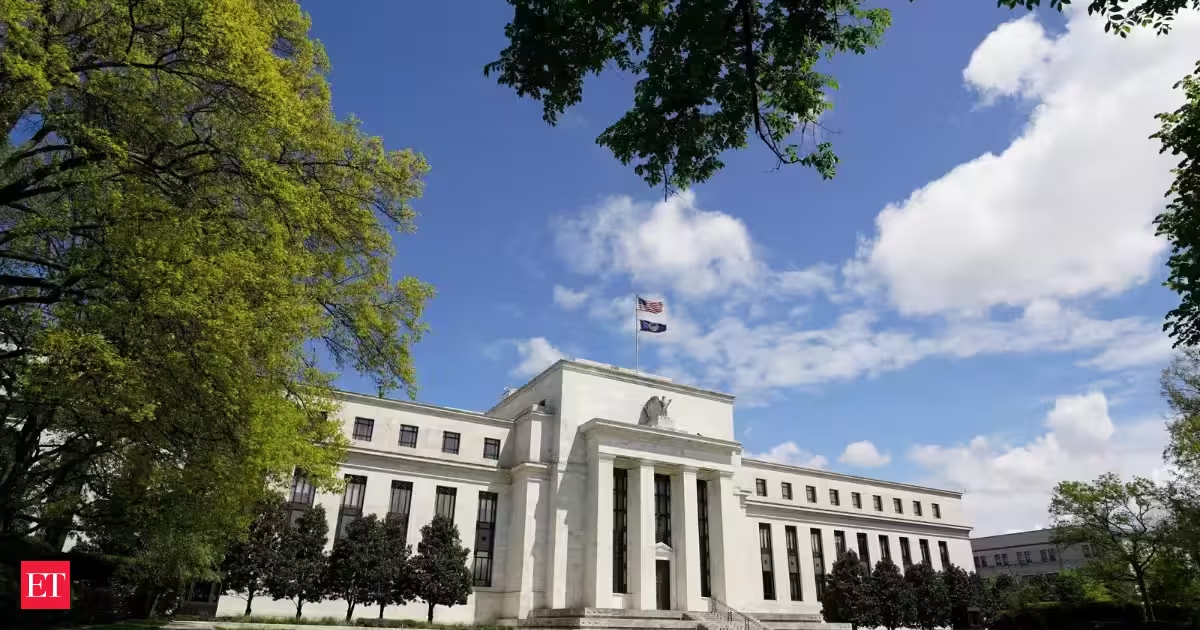
The Federal Reserve used to tell markets exactly what it planned to do next. Now it’s saying less, and the IMF’s top economist thinks that’s the right call.
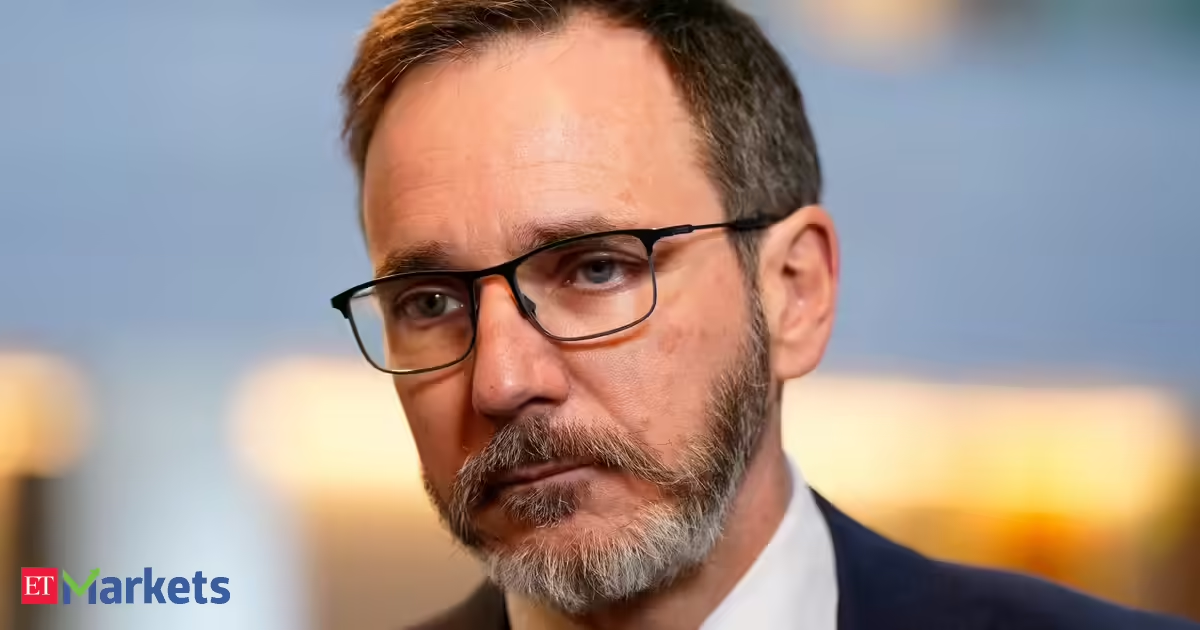
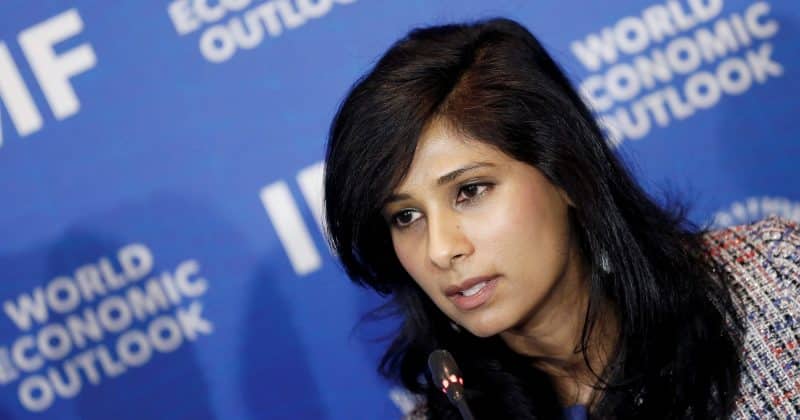
Pierre-Olivier Gourinchas, the IMF’s chief economist, said on June 26 that the Fed’s decision to scale back its forward guidance is “entirely appropriate.” But he added a caveat that matters more than the endorsement itself: central banks still need to give markets enough signal to form reasonable expectations about where long-term rates are headed.
What the Fed actually changed
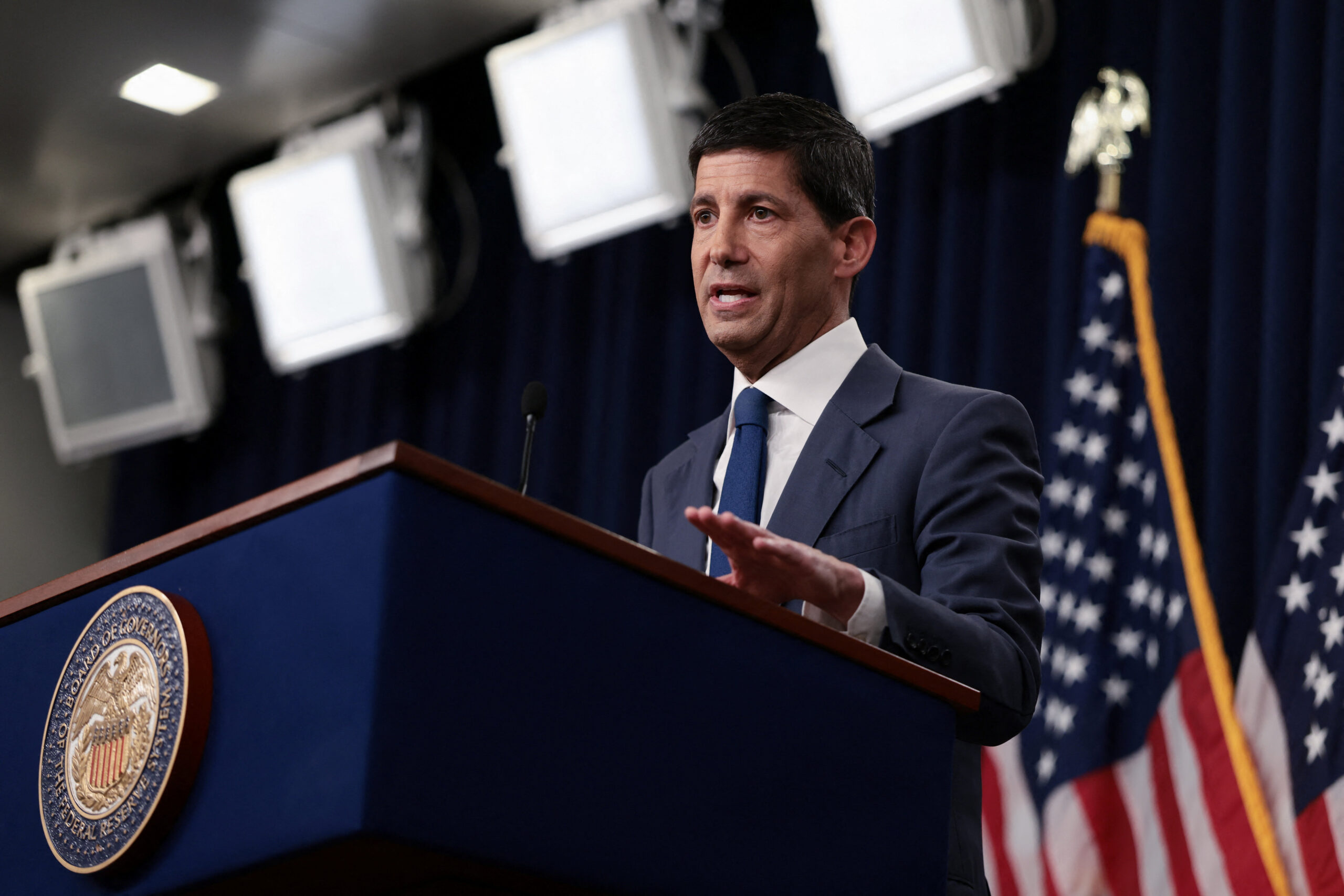
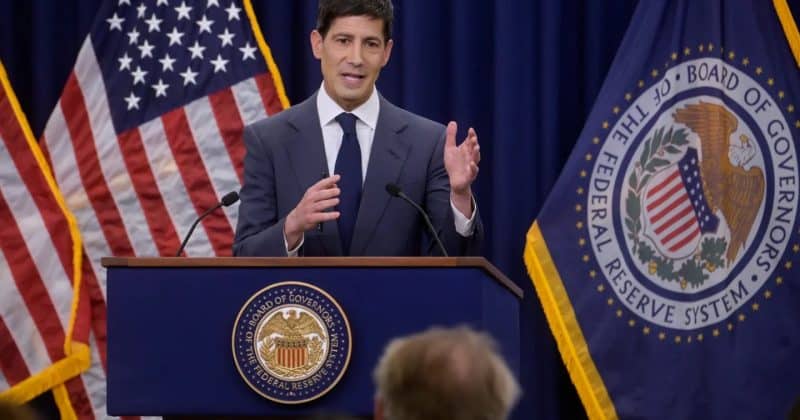
The June 17 FOMC meeting was the first chaired by Kevin Warsh, who took over as Fed chair in May 2026. The committee held the policy rate steady in the 3.5%-3.75% range, which wasn’t the surprise.
The surprise was the statement itself. It was noticeably shorter than what markets had grown accustomed to, and it stripped out the kind of explicit near-term forward guidance that had become a hallmark of Fed communication over the past decade-plus.