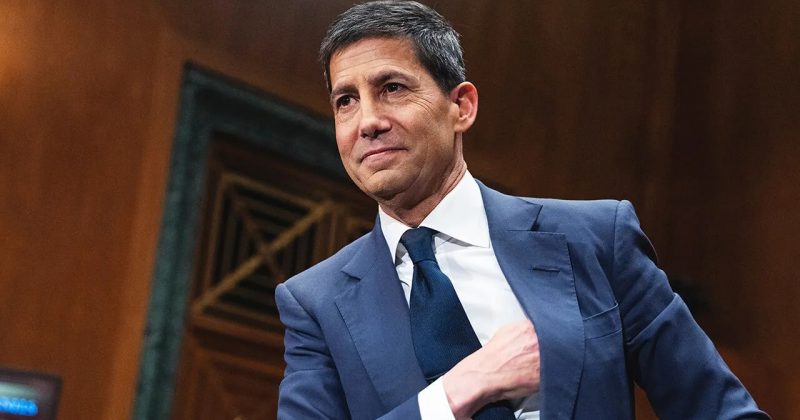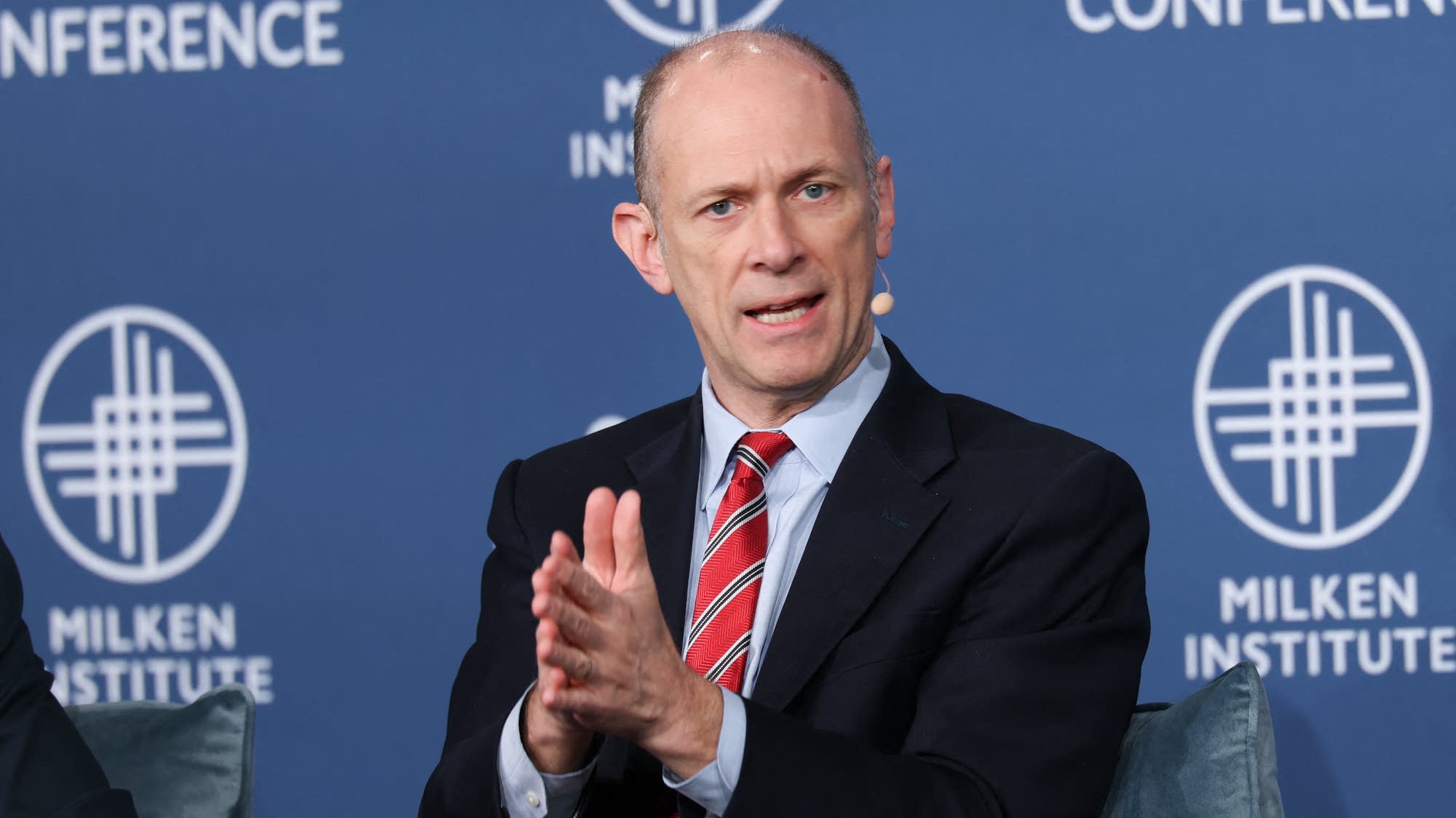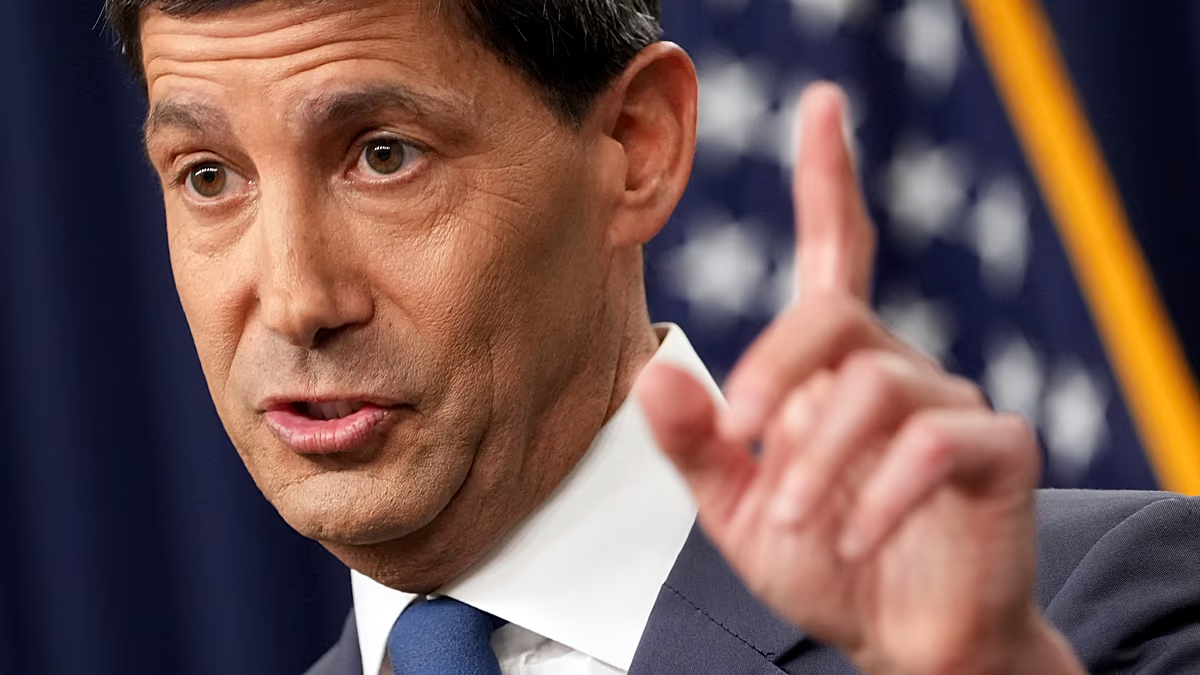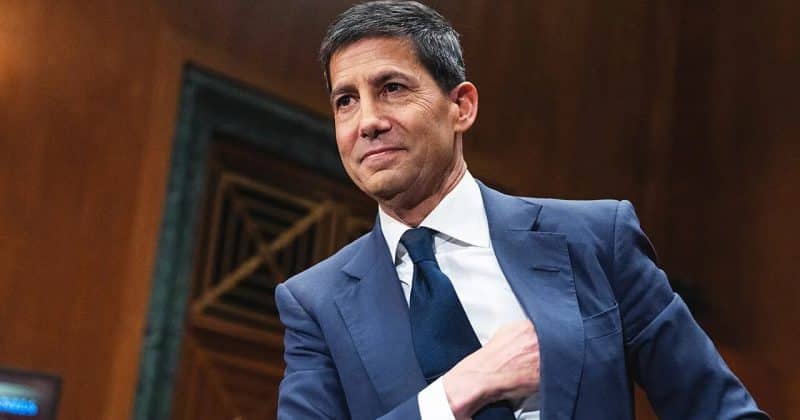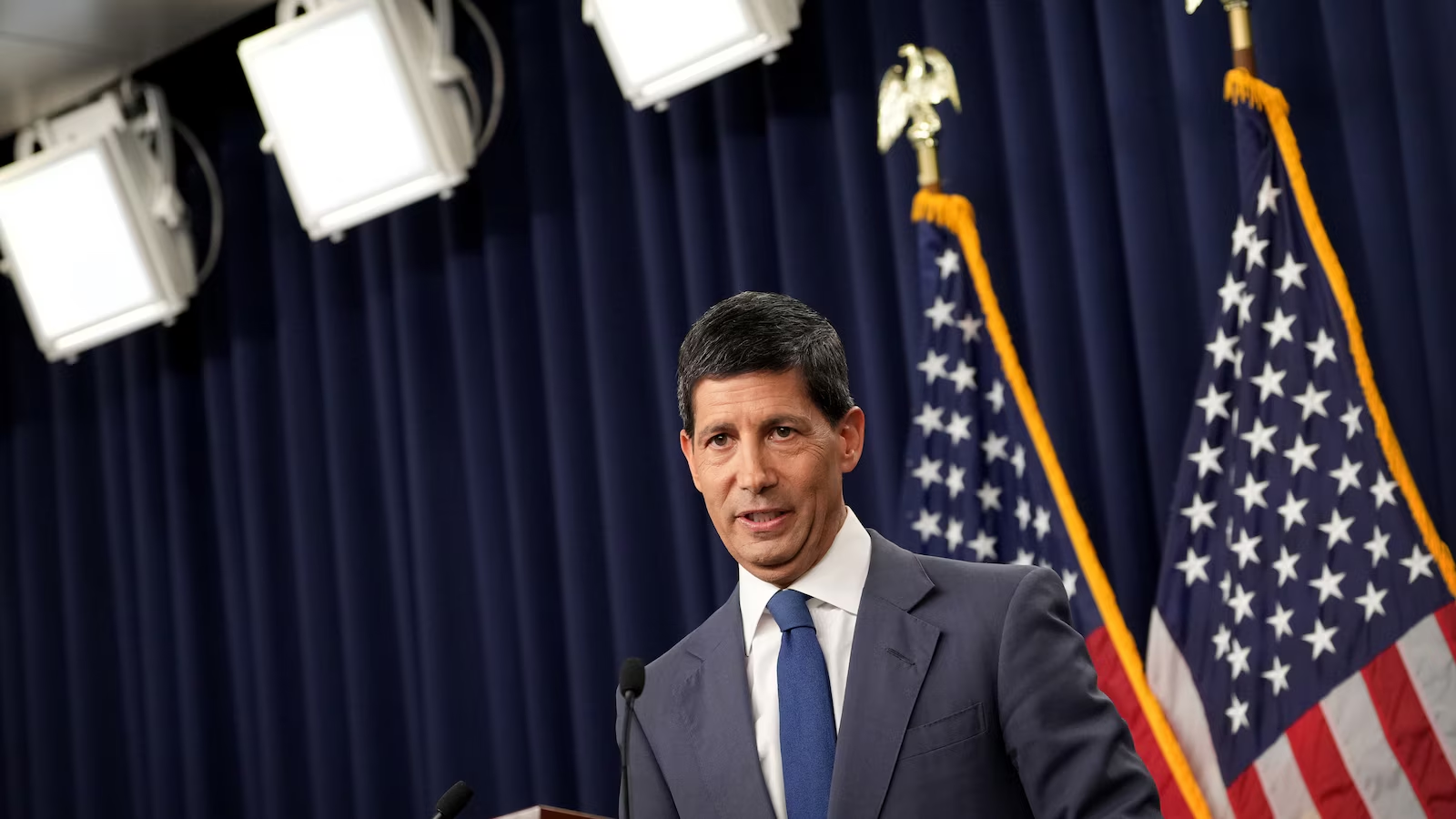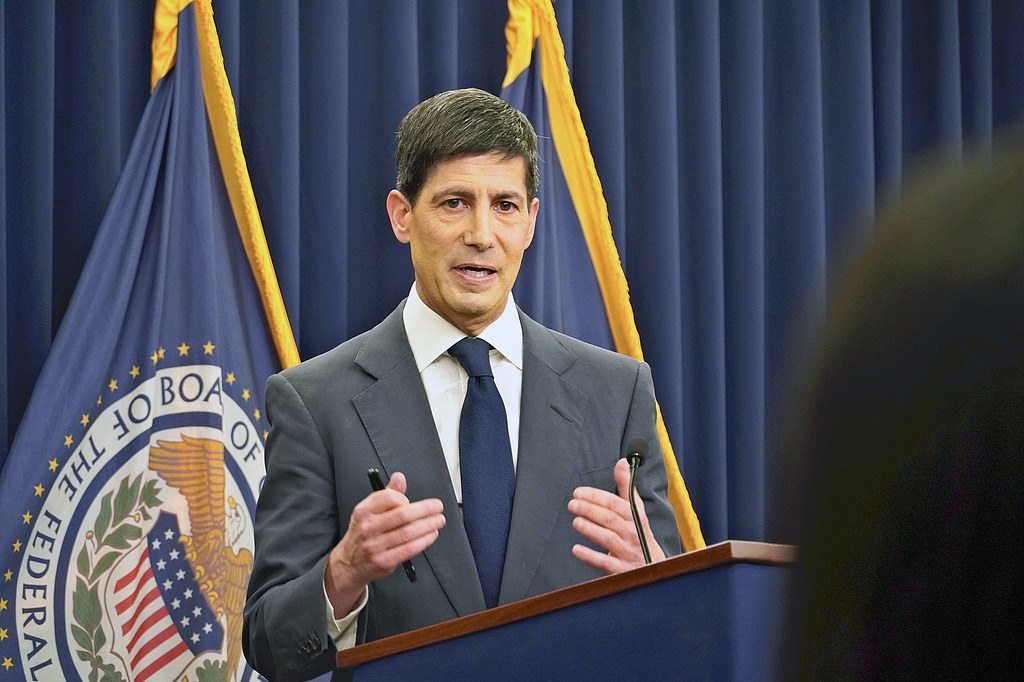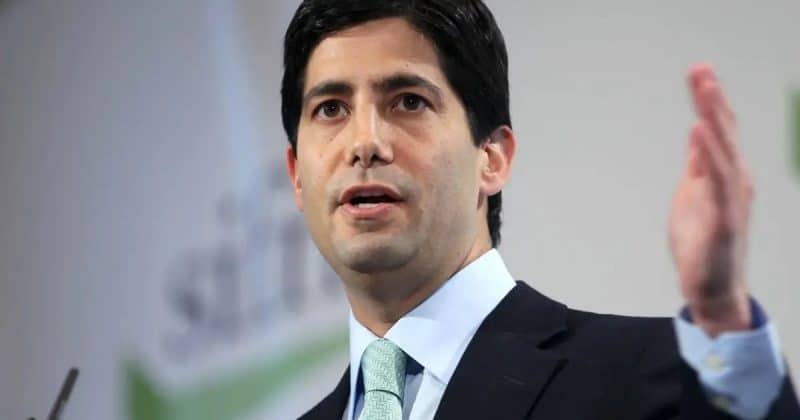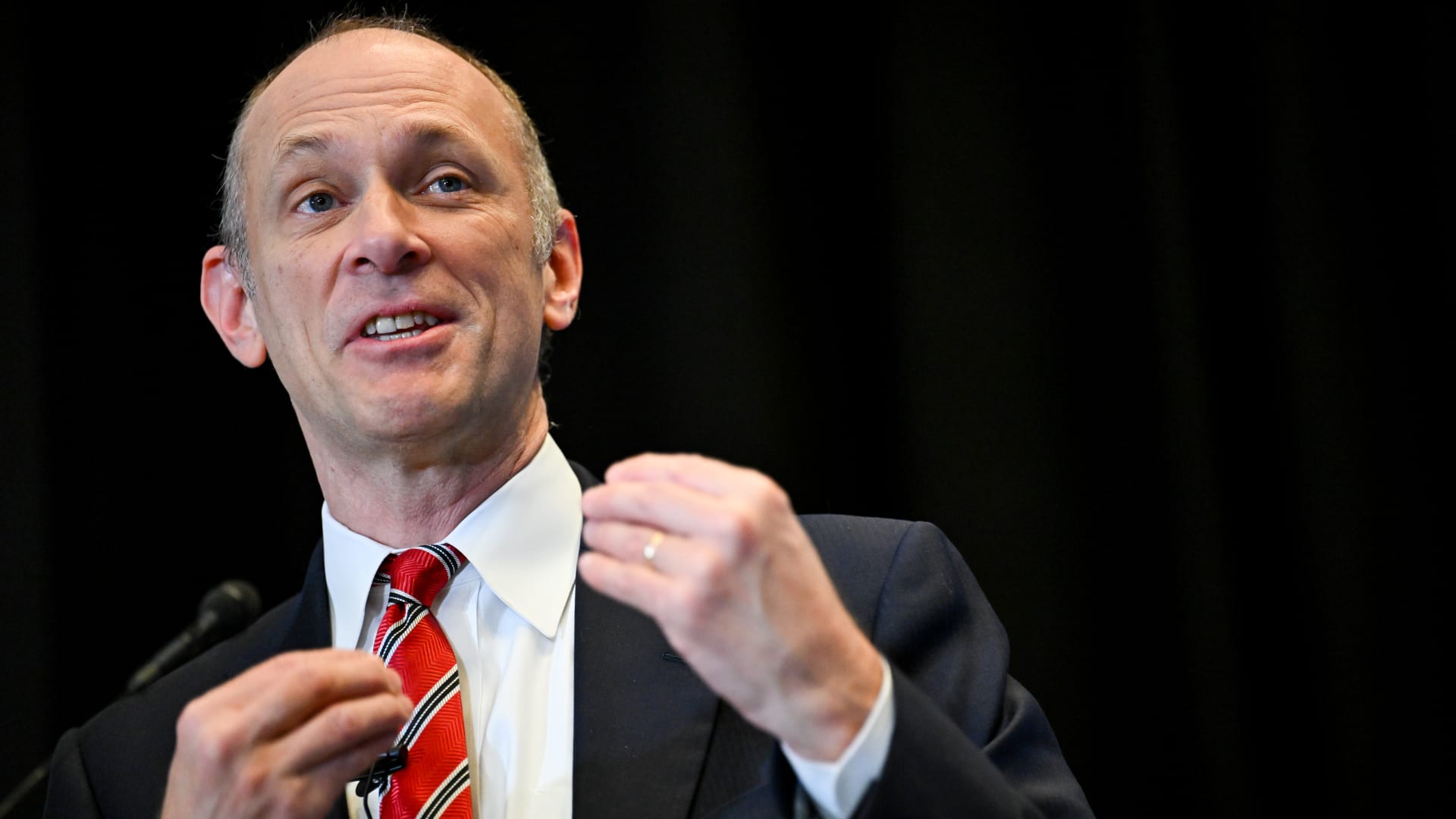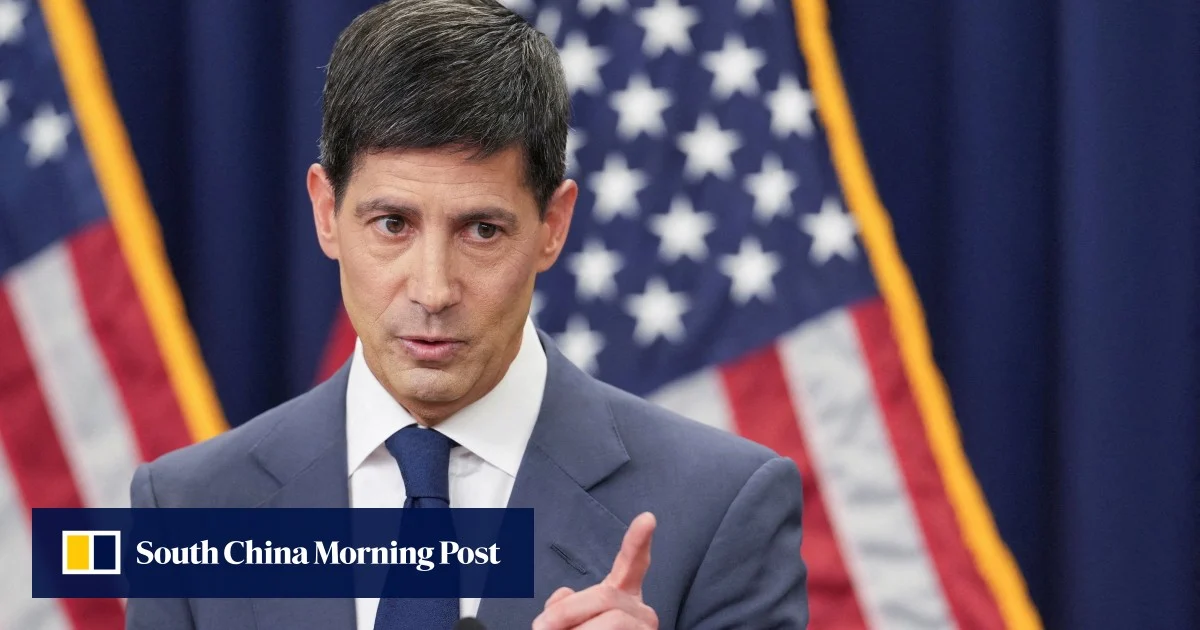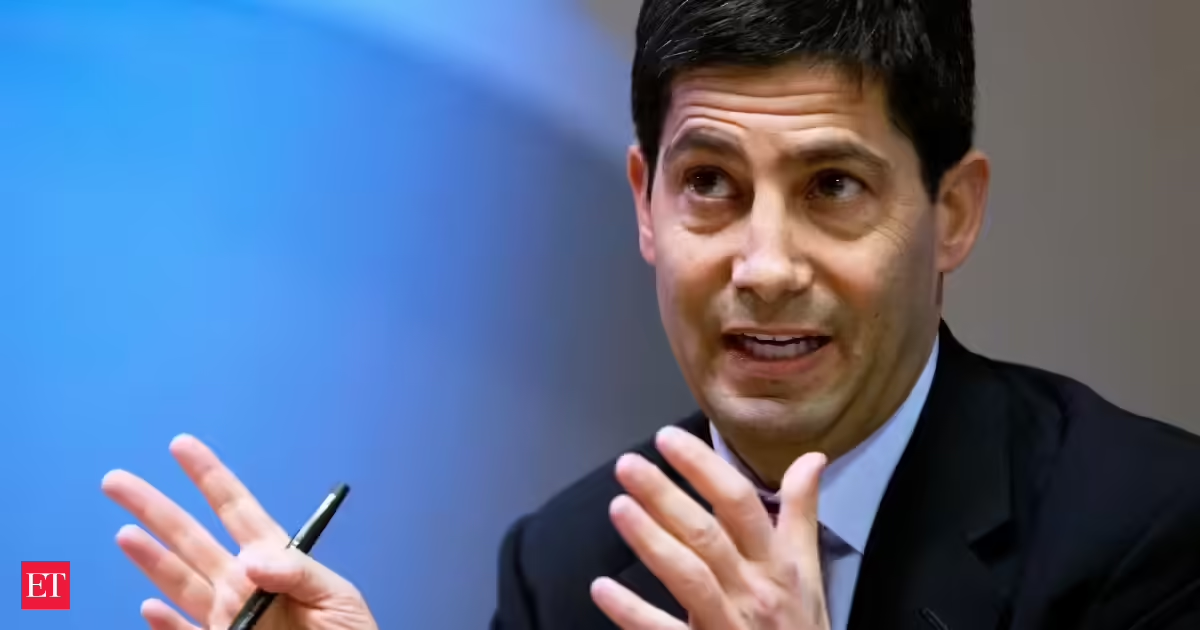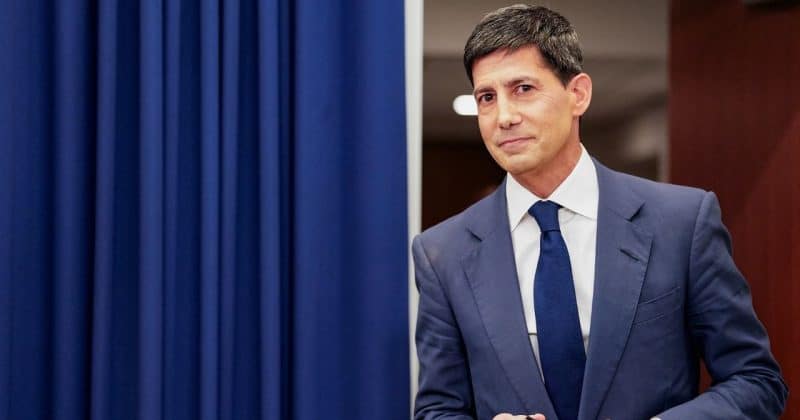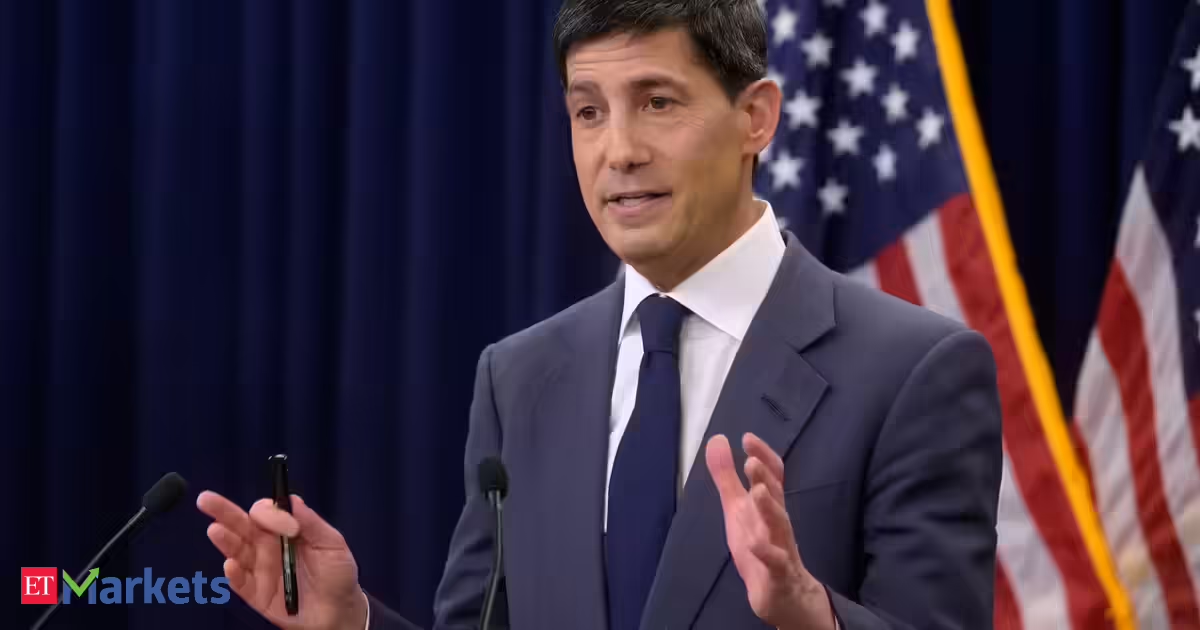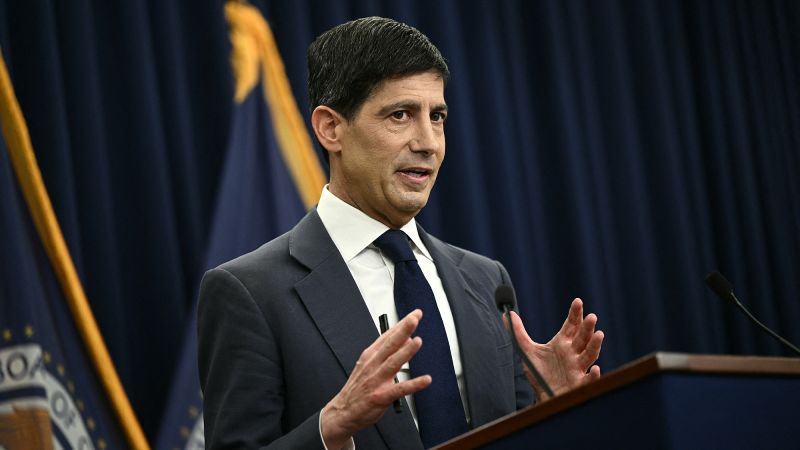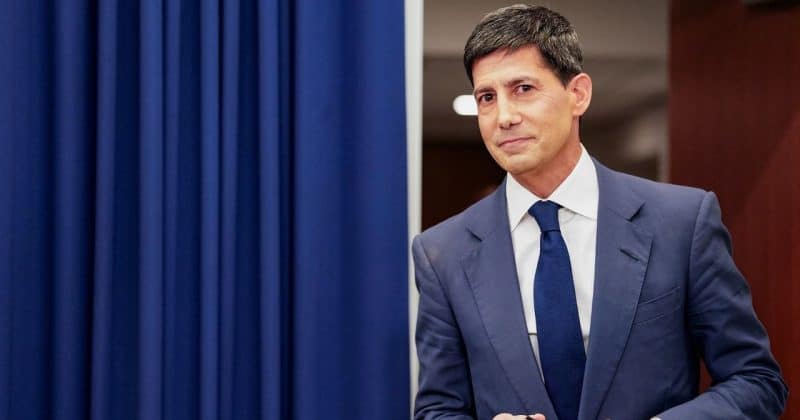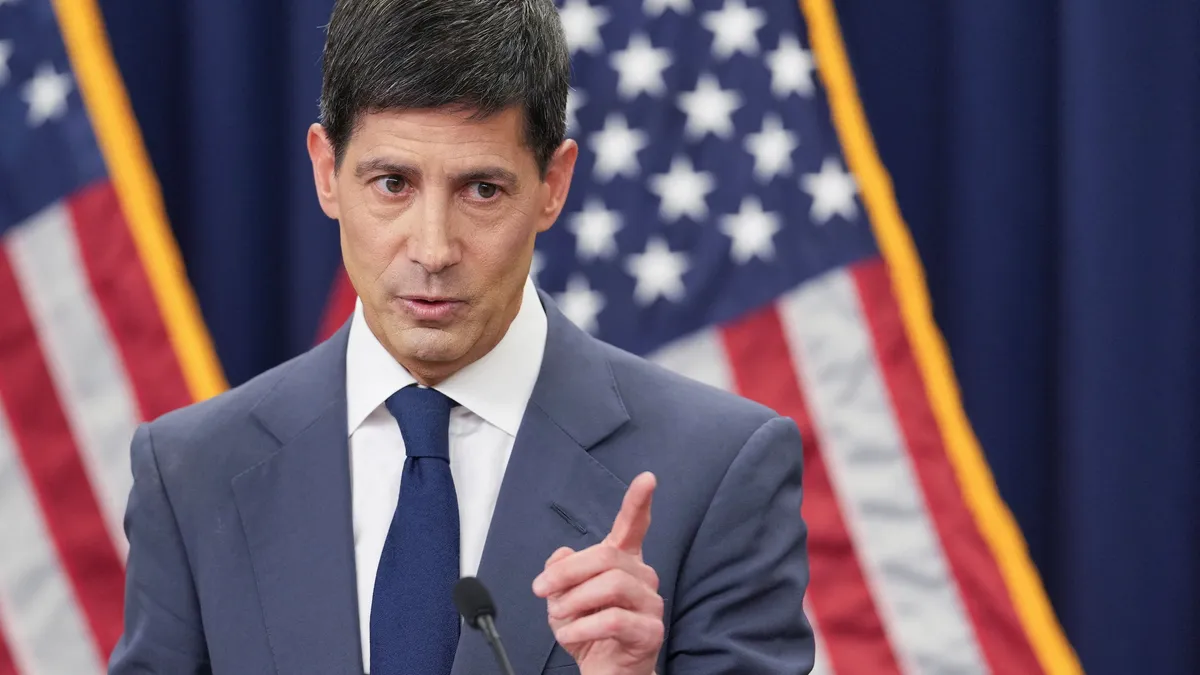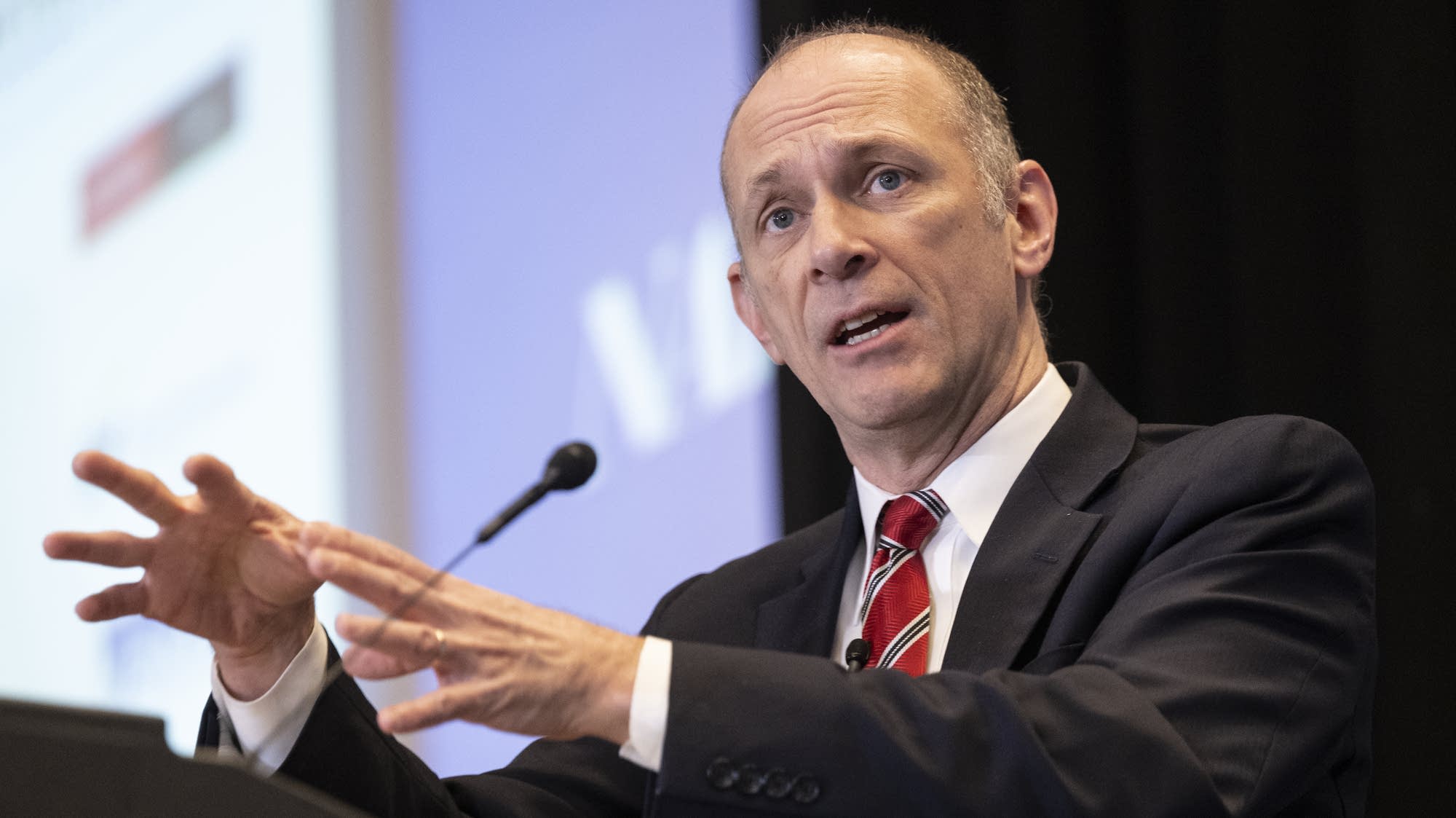
While Chairman Kevin Warsh assumed his new position as head of the Federal Reserve at the end of May, in many ways, his first FOMC press conference last Wednesday felt like the true beginning of a new era.Austan Goolsbee, President of the Federal Reserve Bank of Chicago, joined “Marketplace” host Kai Ryssdal to talk about the passing of the baton, as well as the larger economic headwinds that the Federal Reserve is facing. An edited transcript of their conversation is below.Kai Ryssdal: Let's start where we left off last time, which was October-ish of last year. Your general through line was that inflation was your big concern; the labor market, maybe not so much. I guess I wonder if your thinking has changed at all. Goolsbee: Hasn't changed that much. I ended up, as you know, dissenting at the last meeting of the year. I was a voter last year and not this year, on those same grounds that I wanted to get some more information to make me feel better about inflation before front-loading too many rate cuts. I don't regret that dissent. I think we've continued to have a pretty stable labor market, and we've continued to be dealing with — and it's not a surprise to anybody, you look out the window of your car, or go to the grocery store — we've been dealing with an inflation problem that's well above the target and has been going the wrong way.Ryssdal: So let's talk about it going the wrong way. You know, to sort of paraphrase what happened at Chairman Warsh's press conference, the number to the left of the decimal here is four, and I guess I wonder, with inflation going the wrong way and economic growth going the other way — right, GDP is at 1.6% in the first quarter — stagflation on your mind? You said it in an interview the other day. Goolsbee: Stagflation, as you know, has been, the stagflationary shocks, as I would call them, which make both sides of the Fed's job worse at the same time, are the nightmare scenario — a nightmare scenario — for any central bank, because there's not an obvious playbook of what you do. Now the only thing that I will caveat with is, this hasn't actually been a stagflationary shock, in the sense that the job market has been pretty stable. This has mostly just been an inflationary shock. And so what's been on my mind is, what is the evidence that this is going to be temporary, and that we're going back, that we're going to get back on path to 2%, which is what we've promised. And there are some signs, like the fact that some of the inflation came from tariffs, and that's supposed to be one and done, that we could get some resolution in the Middle East, and maybe that inflation would go away. Those parts are good. The fact that we've seen it in services, which historically is pretty persistent, is a little more disturbing. Ryssdal: So, where are you in the “look through” school? Do you subscribe, or do you not subscribe to this idea that the Fed should look through what's going on? Goolsbee: Well, some of both, you know, I guess I'd say some of both. I understand the argument in principle that you want to “look through” temporary shocks. What I've been highlighting for a year is, are these shocks going to end up being more persistent than we've initially thought, certainly than we wanted, and given that — I wasn't there, so don't blame me — but given that the Fed dealt with that error in the very recent past, where it thought, “Hey, these shocks are supposed to go away quickly,” and they did not, I do want us to, at least in terms of our credibility, let's acknowledge the possibility that these things are lasting longer than we wanted them. Ryssdal: Well, I'm glad you mentioned the word credibility, because I do want to play a piece of tape for you from the chairman's press conference a week ago, and the understanding here, of course, is that you speak for yourself in the seventh district and not the board of governors, but it does seem germane, and I'm going to play the tape, and then we'll come back. Reporter: Chairman Warsh, you've said repeatedly, credibility is earned by delivering. If credibility requires delivering, the move would be to tighten, or at least to threaten to. Now, you didn't do that today. Why not? Warsh: That judgment you expressed was not expressed by any of the 19 people around the table. Ryssdal: So, I got to tell you, I was watching that press conference live, and when Chairman Warsh said that, I literally screamed at my TV, “Really?!” Goolsbee: Well, look, you know that this is, on four different layers, I can't answer your question. I'm not allowed. I'm allowed only to speak for me, and I'm not allowed to speak for anyone else on the committee, or for the chair, or for the committee. I will say I found refreshing the new approach that the chair, that Chairman Warsh, has brought, which is let's try to not purge, but let's try to boil down and boil off some of the accumulated statements and regular use of forward guidance of what the committee thinks.I kind of think it's like a caffeine cleanse: Even if you think that there are uses of forward guidance, the effectiveness of speculating about future rates and and the use of forward guidance is more effective when you really need it, if you're not drinking three cups of coffee every day. So I kind of welcome the, “let's not speculate about rates.” In my view, the critical through line that we must determine is, in a situation in which the left of the decimal place number is a three or a four, how concerned are we that it's going to remain a three or a four versus, this is not going to be persistent, and there are natural reasons why it would be coming down. That's a crucial factor to consider in my mind, and that's where I, you know, that's what I express, and have been expressing for some time. Ryssdal: So, speaking of you expressing things, you know, Chairman Warsh has made no secret of the fact that, that he doesn't, how to put this to be fair to him … He wants less communication from the central bank. Let's just put it that way. And I guess my question to you is, you're among the most prolific, if not the most prolific members of that group of people, and I wonder how you feel about that. Goolsbee: Well, I think his main insight is about rates. I feel like you left that important phrase off, which he — my understanding is his approach is let's have less speculation about rates, less forward guidance about what the committee is going to do, and as you know, I'm pretty sympathetic to that approach. I've always had some concerns about expressing speculative sentiments, which might end up being proven wrong by facts on the ground, and I think every time the committee makes statements about the future that end up not being true, that our credibility takes at least a kick or a ding of some kind. So I kind of welcome thinking in that space, and he's formed an entire task force that's going to try to think through some of those communication issues, and at the same time I think one of the strongest things about the Federal Reserve system is that it's not just a central government-controlled entity. There are independent voices from all throughout the country. There's 12 reserve banks. Out here in Chicago, we're in the heart of the Midwest. We have the most manufacturing of all the districts. It's extremely important that when I come to the FOMC meetings, or when I'm out talking to you or anyone else, that we reflect that diversity that's in the economy, that if manufacturing is having particular issues — When I just got back a couple weeks ago from Rockford, Illinois, and them talking about the supply chain at a moment like this, that's crucial information that we get that shows up from the business leaders and small businesses before it ever shows up in the data. I don't think it's wise to not get that information out into the bloodstream. Ryssdal: Last thing, and then I'll let you get back to your day job. A word here about Chairman Greenspan. You must have known him and worked with him. Goolsbee: I did, and I was friends with him, and my heart goes out to his wife and his family. A legendary figure in the Fed, for sure. In many people's mind, the iconic Fed chair. A lot has changed about the way the Fed does its business and about the economy since he was there, but a lot remains timeless, and is his processing through, how do you think through monetary policy when productivity growth rates are changing, when you have big expansions of the tech sector. How monetary policy responds when fiscal policy is going up or down, all of those are lessons that we should go study at moments like this. Ryssdal: History matters, history matters.
Chicago Fed President: Inflation is "well above the target and has been going the wrong way"
Austan Goolsbee, president of the Chicago Fed, says Chair Warsh’s new policy to cut back on forward guidance could prevent dings to Fed credibility.
1,575 words~7 min read