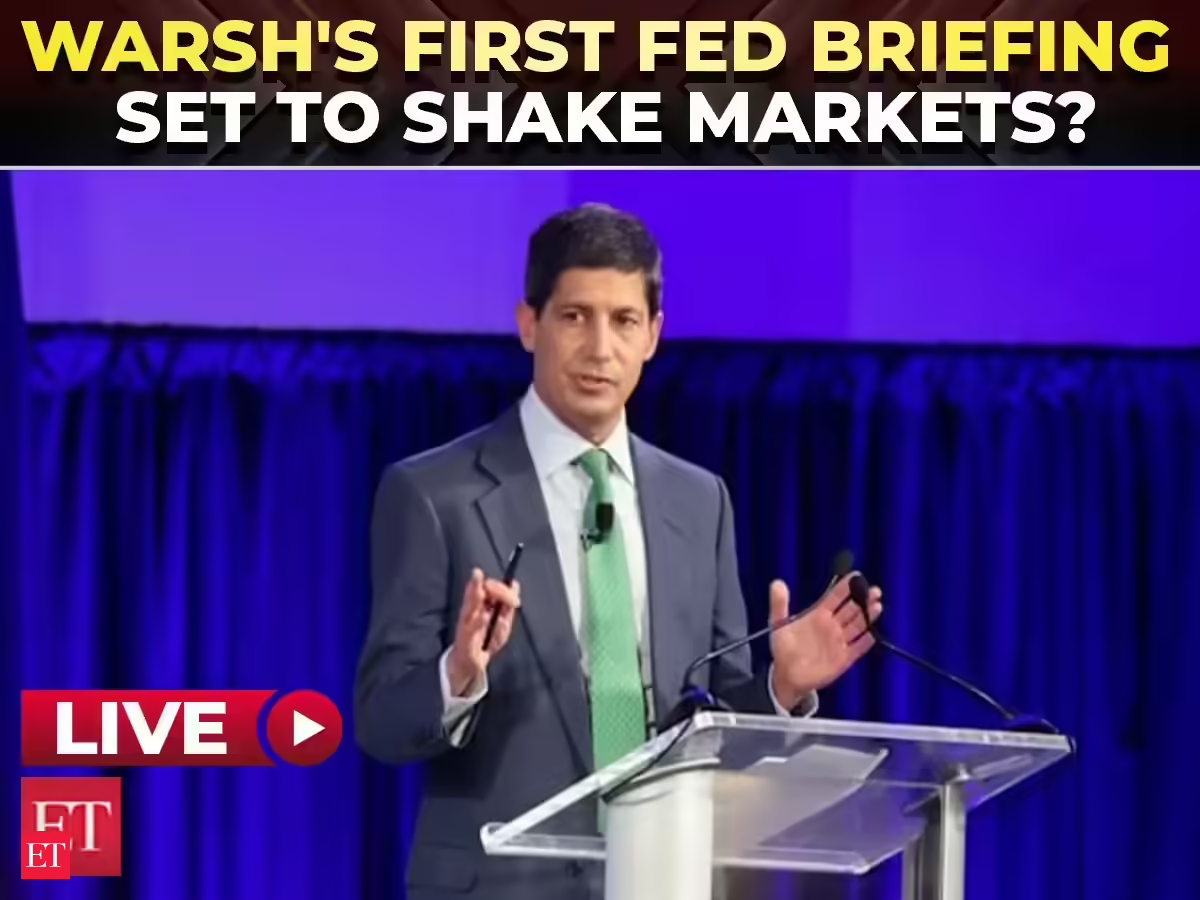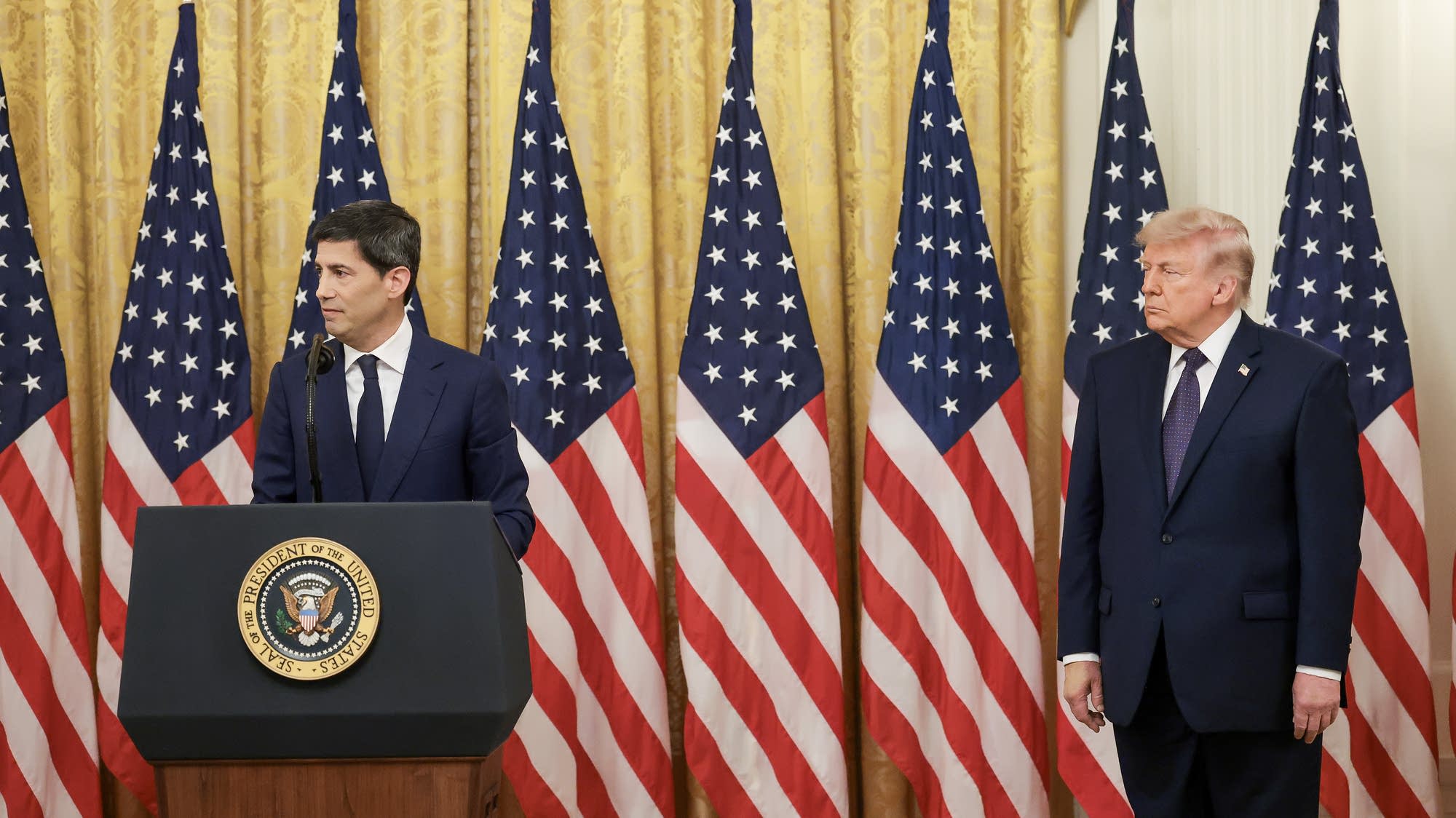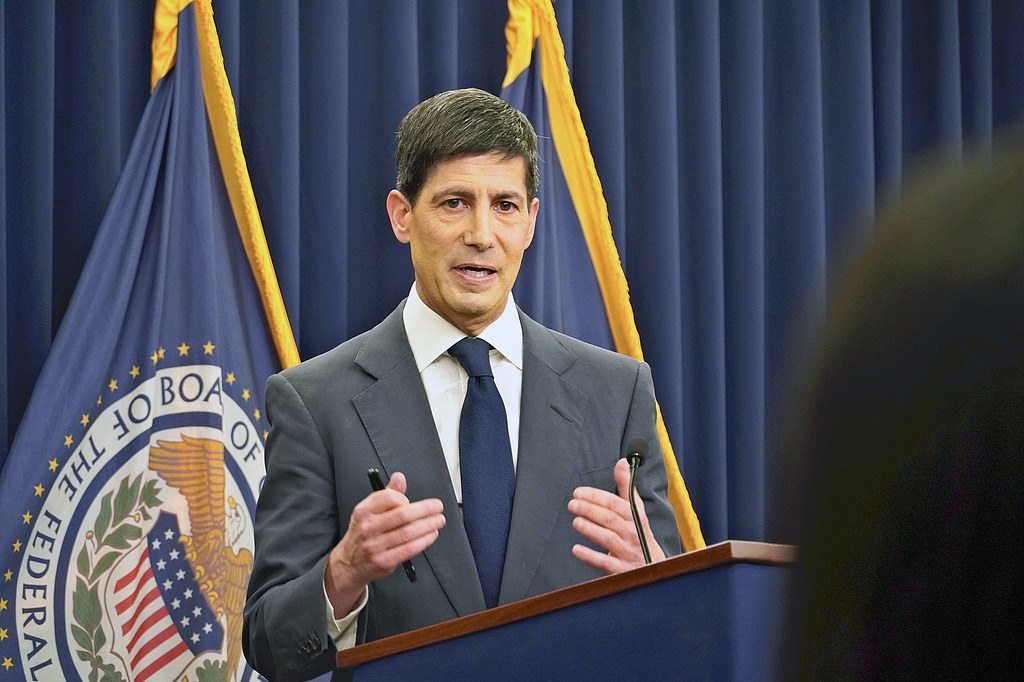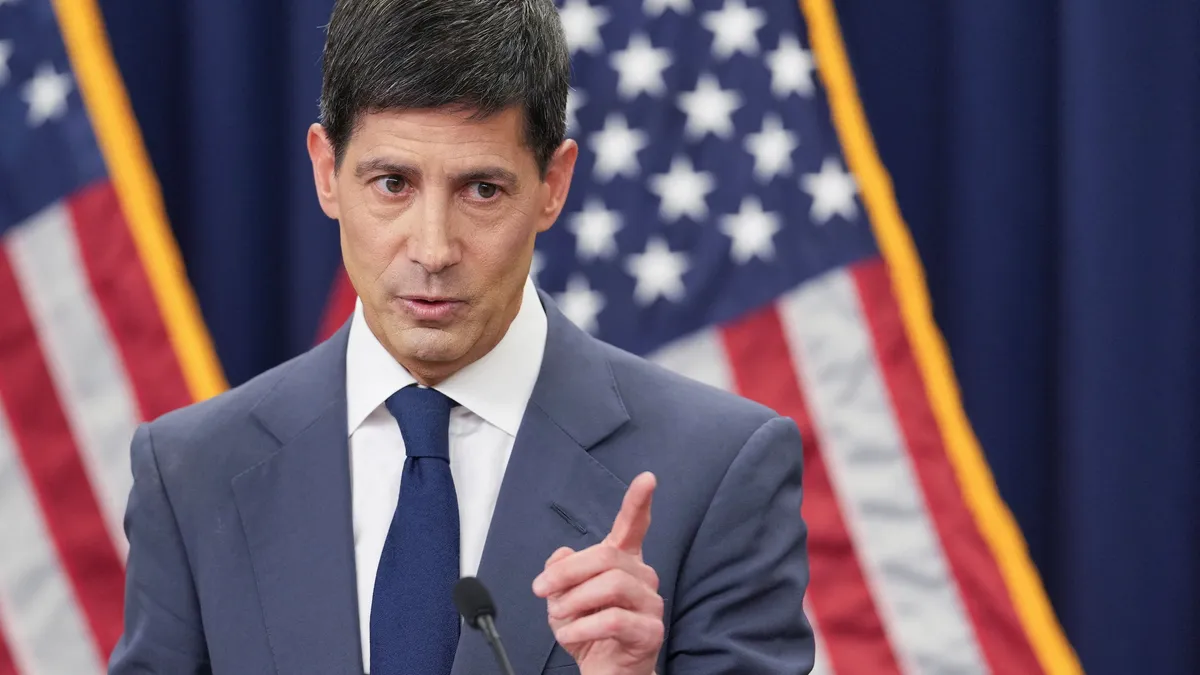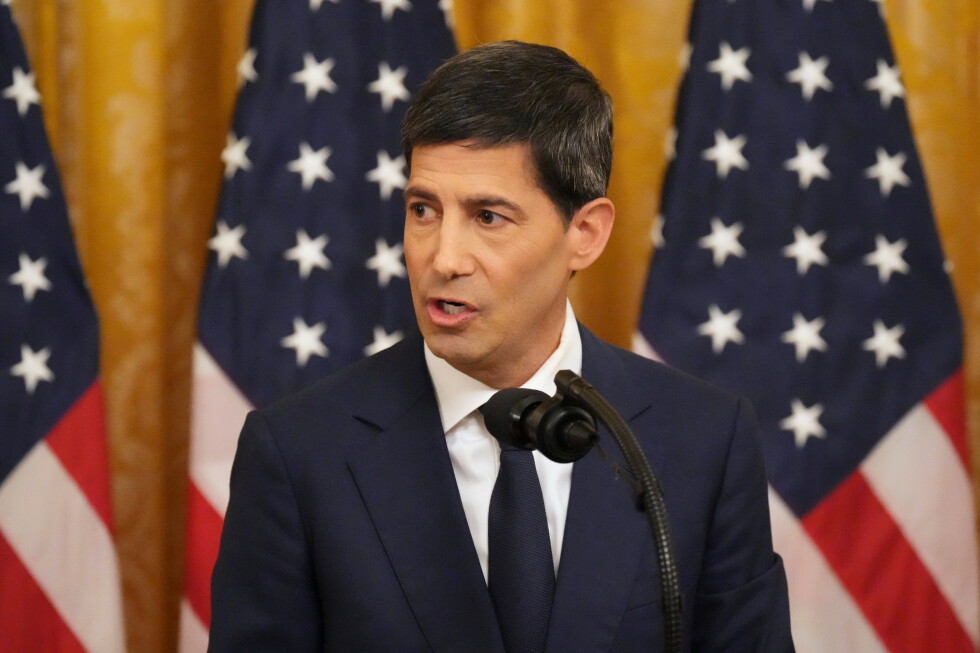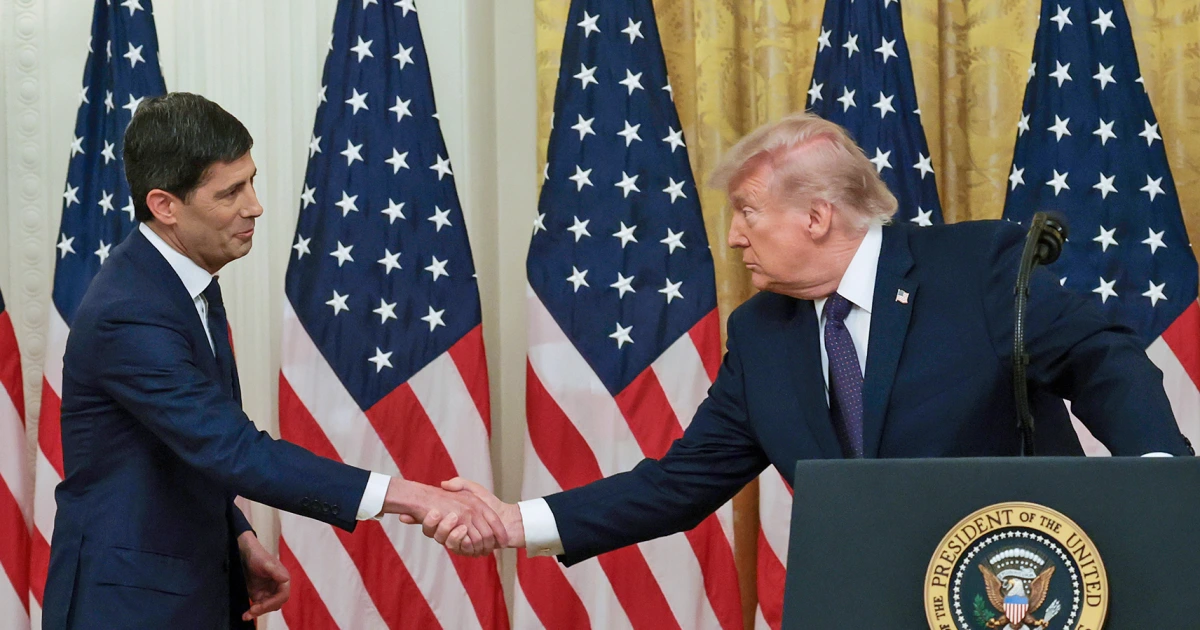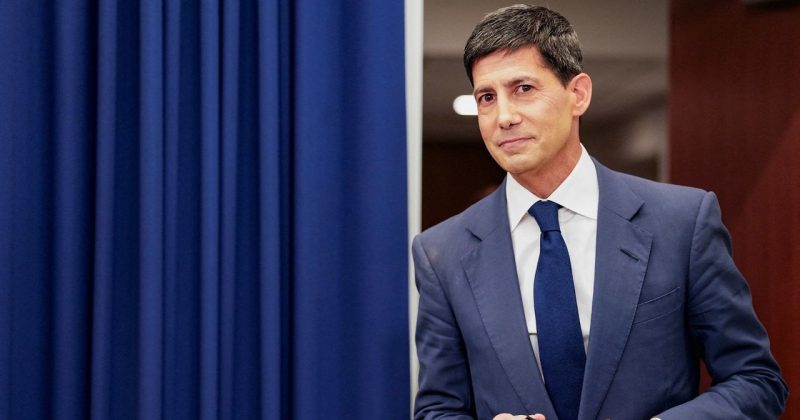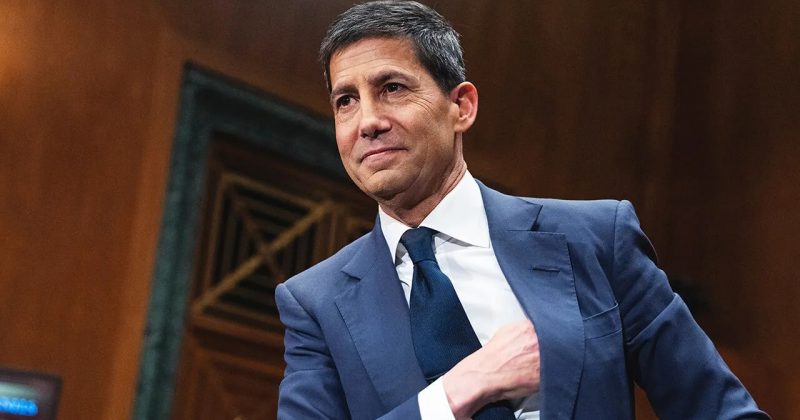
Kevin Warsh’s debut as Federal Reserve chair comes amid a dramatic reversal in monetary policy expectations. Although he was selected after advocating lower interest rates, the economic environment now points toward tighter policy.
Earlier this year, investors expected a series of rate cuts because weakening employment and moderating inflation suggested the Fed’s inflation fight was nearing completion. Those assumptions have since unraveled. Employment growth has rebounded, while inflation has accelerated above 3%.
The shift is the result of several developments. Rather than boosting productivity and lowering costs, the AI investment surge has generated heavy demand for semiconductors, electricity, and construction materials, creating new inflationary pressures. Strong equity markets have also supported spending.
In addition, the war with Iran increased fuel and commodity prices, further complicating the inflation outlook.
The Fed is expected to leave rates unchanged today, but officials are preparing to signal a more balanced stance between cuts and hikes. The removal of the Fed’s easing bias and a more hawkish dot plot would indicate that policymakers no longer view lower rates as the most likely next step.