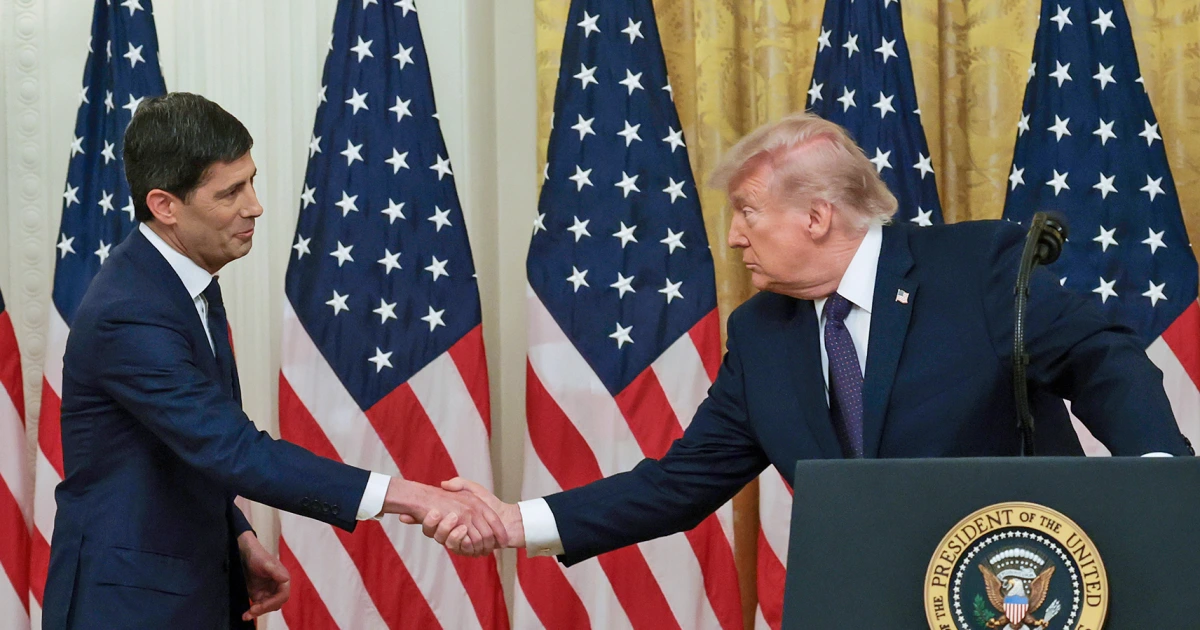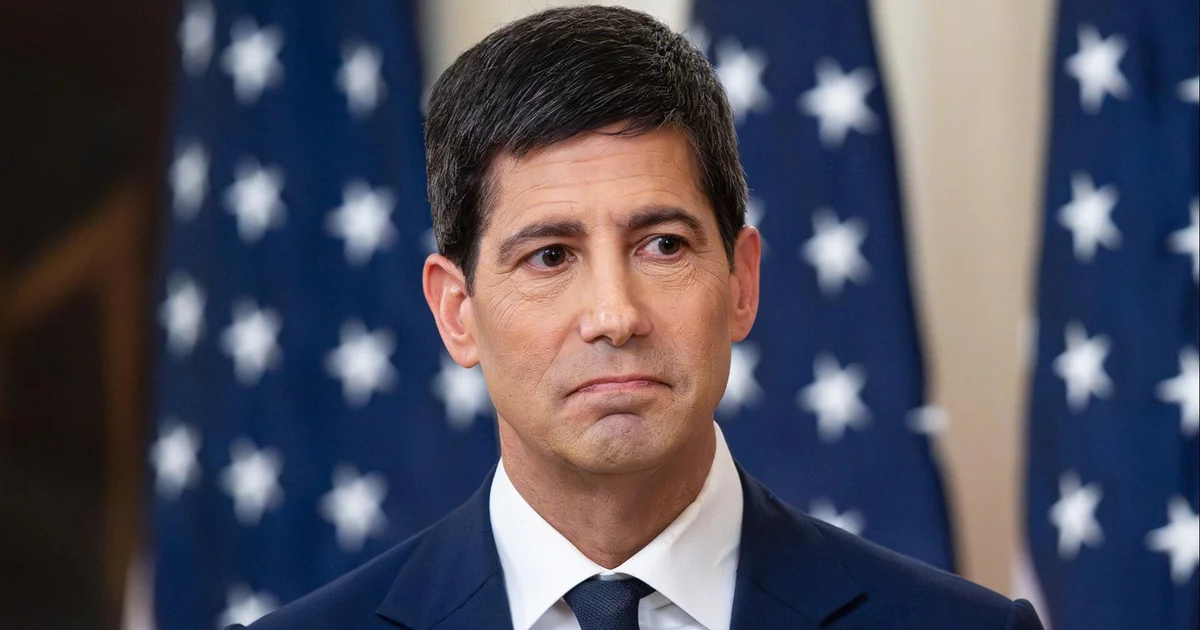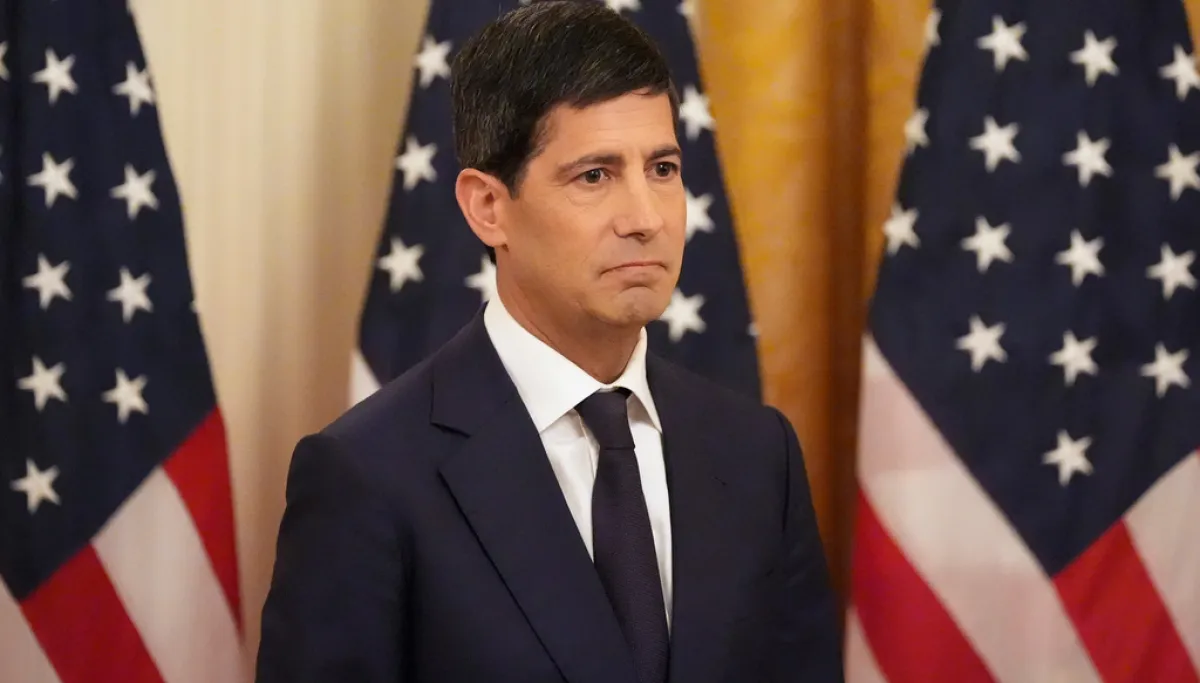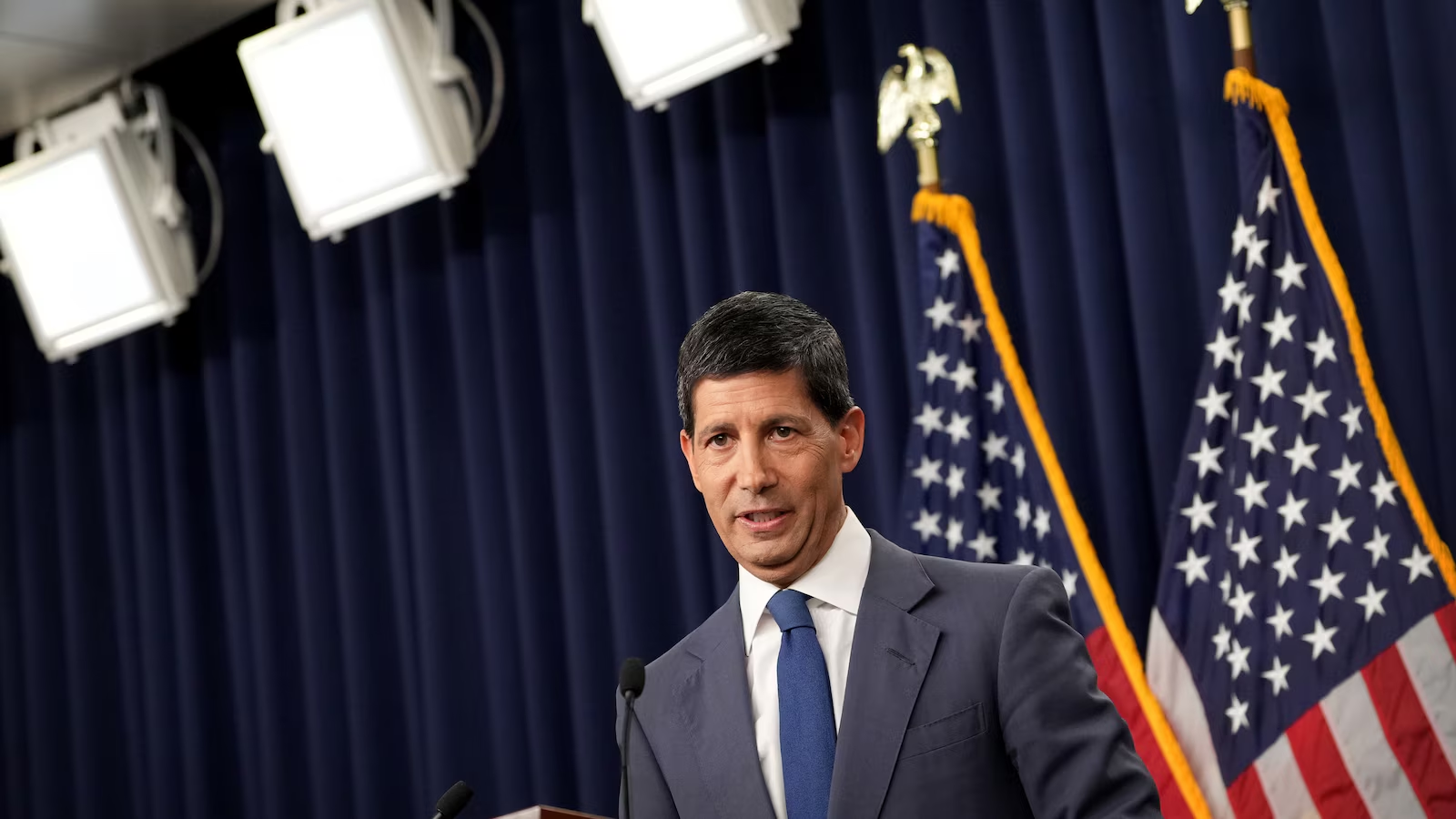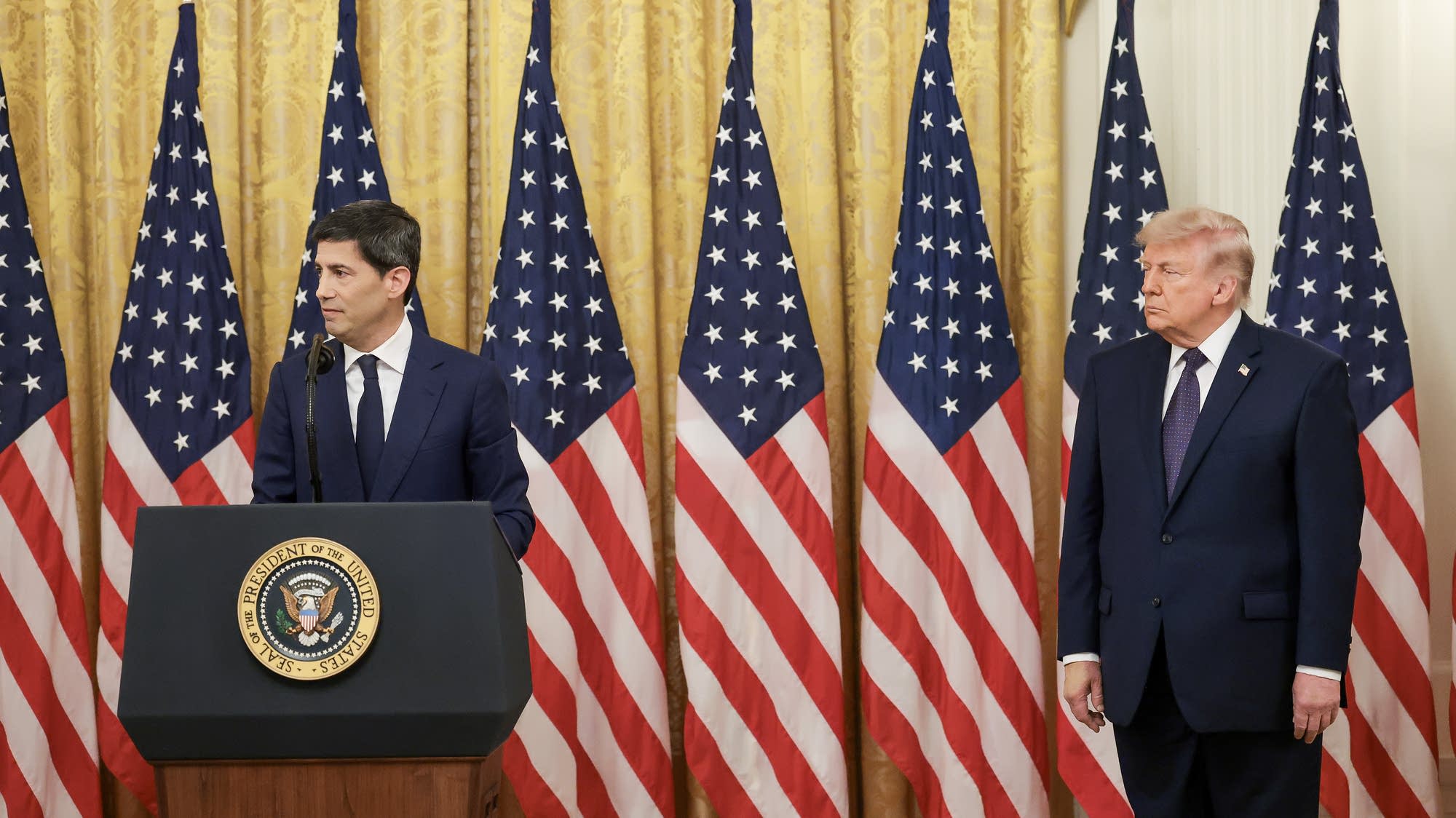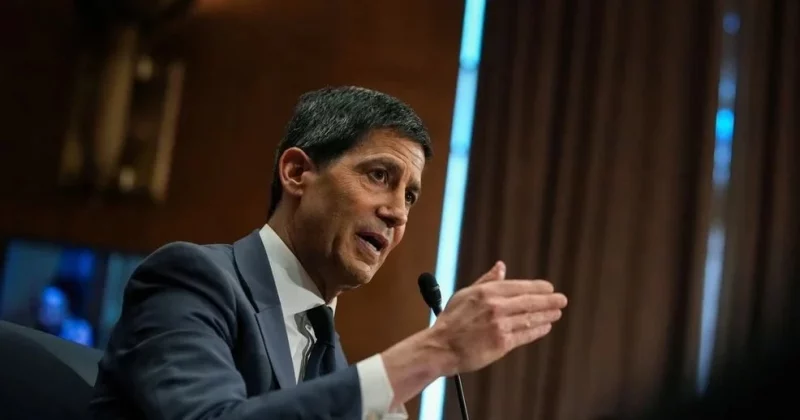
Kevin Warsh walked into the Federal Reserve’s top job with two big promises: lower interest rates and a more restrained central bank that talks less and does more. He’s about to learn that the economy doesn’t care about campaign pledges.
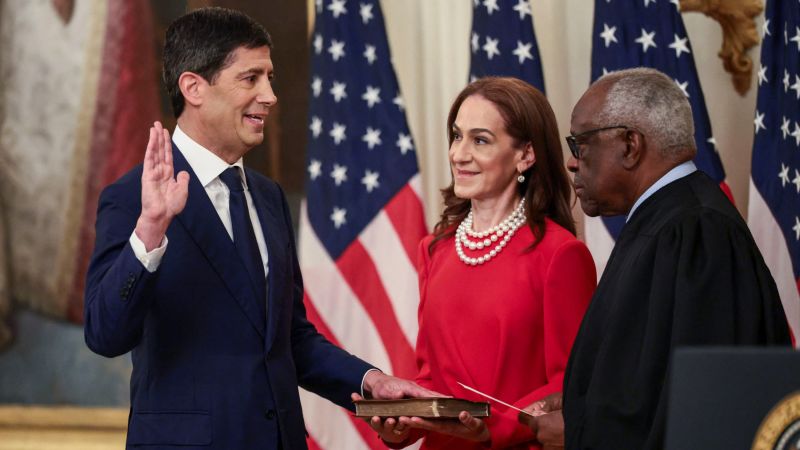
Sworn in as Federal Reserve Chair on May 22, 2026, following a Senate confirmation vote of 54-45, Warsh now faces an inflation backdrop that makes his pre-appointment advocacy for rate cuts look increasingly awkward. His first FOMC meeting, scheduled for June 16-17, will serve as the first real test of whether conviction or pragmatism wins out.
The rate cut problem
Warsh spent the lead-up to his confirmation arguing that artificial intelligence would deliver productivity gains significant enough to justify easing monetary policy. The logic was straightforward. If AI makes the economy more efficient, you can run things hotter without sparking inflation.
That thesis hasn’t aged well in recent months. Inflation pressures have surged to the point where some FOMC members are now openly discussing rate hikes, not cuts. The gap between Warsh’s stated preferences and what the economic data appears to demand is widening.