By
Updated on: May 26, 2026 / 3:38 PM EDT
/ CBS News
Add CBS News on Google
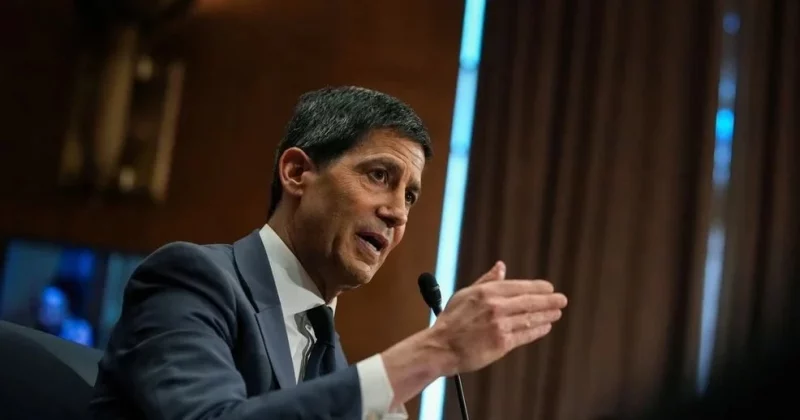
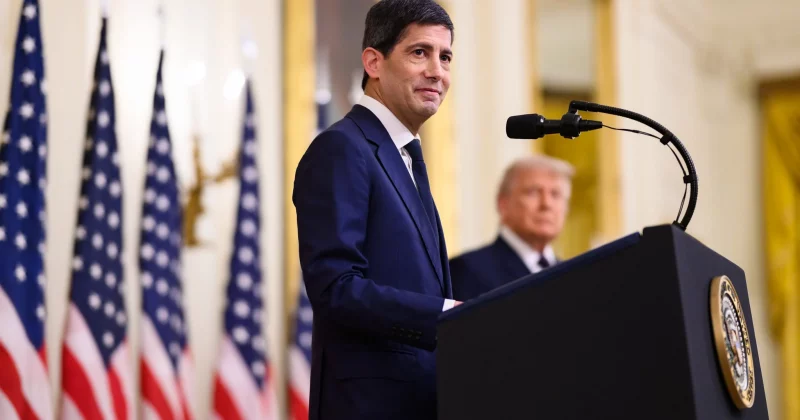
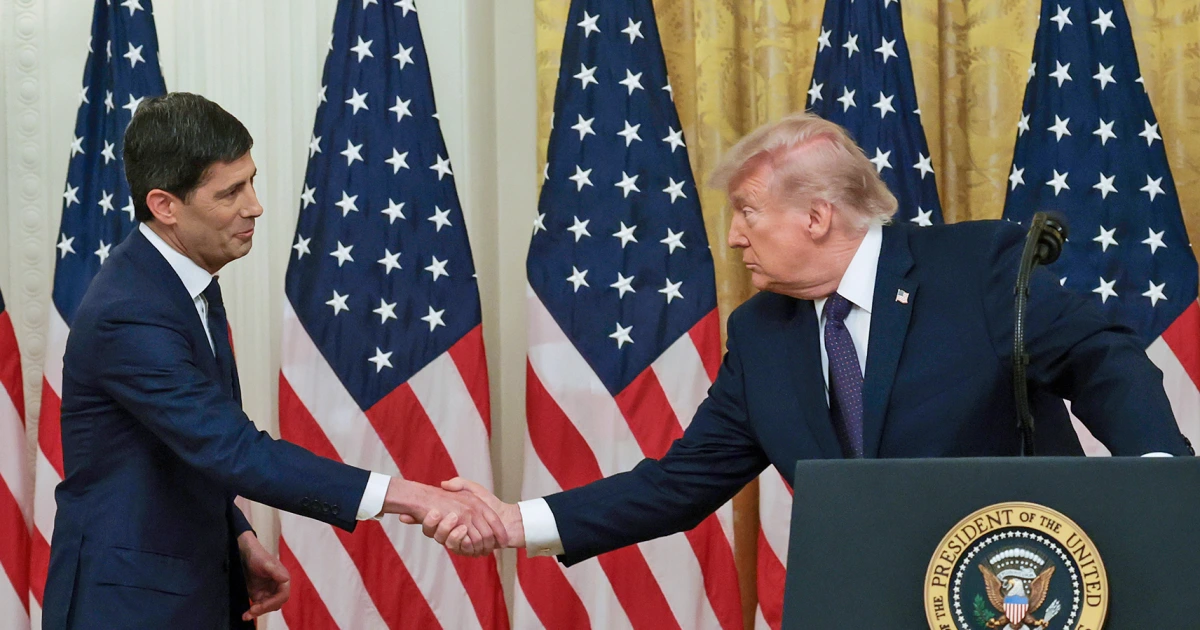
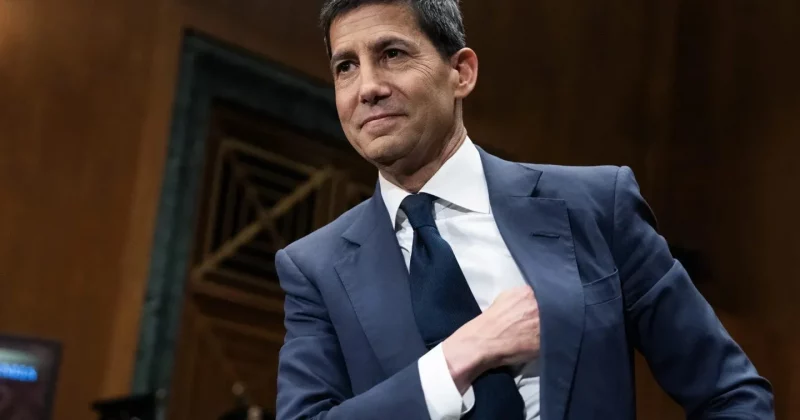
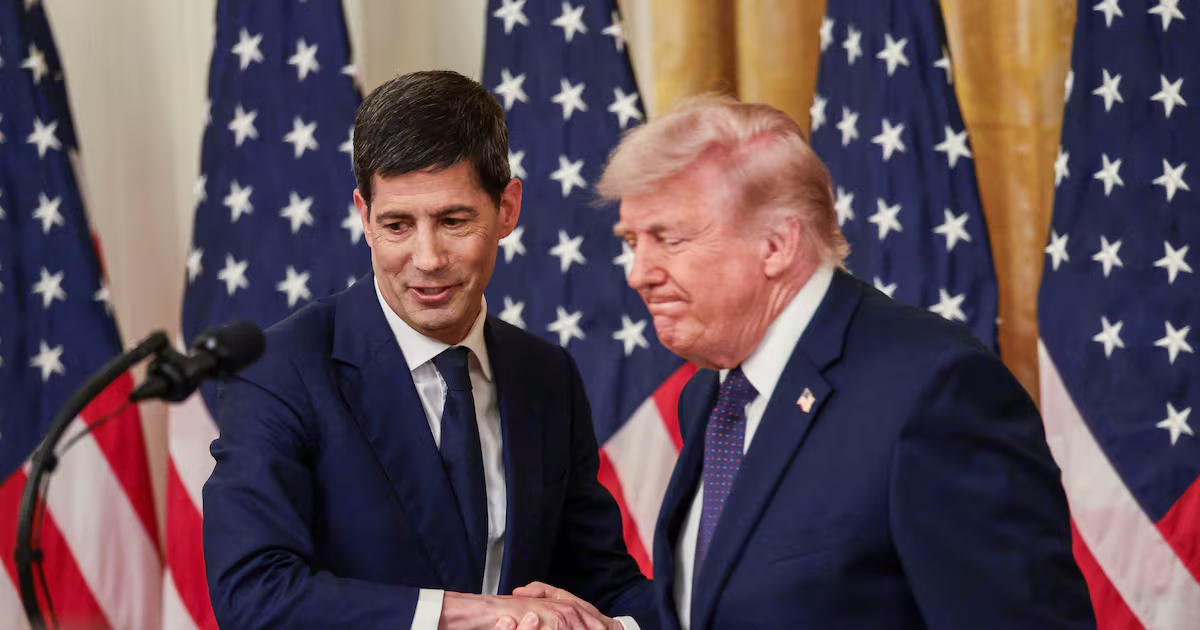
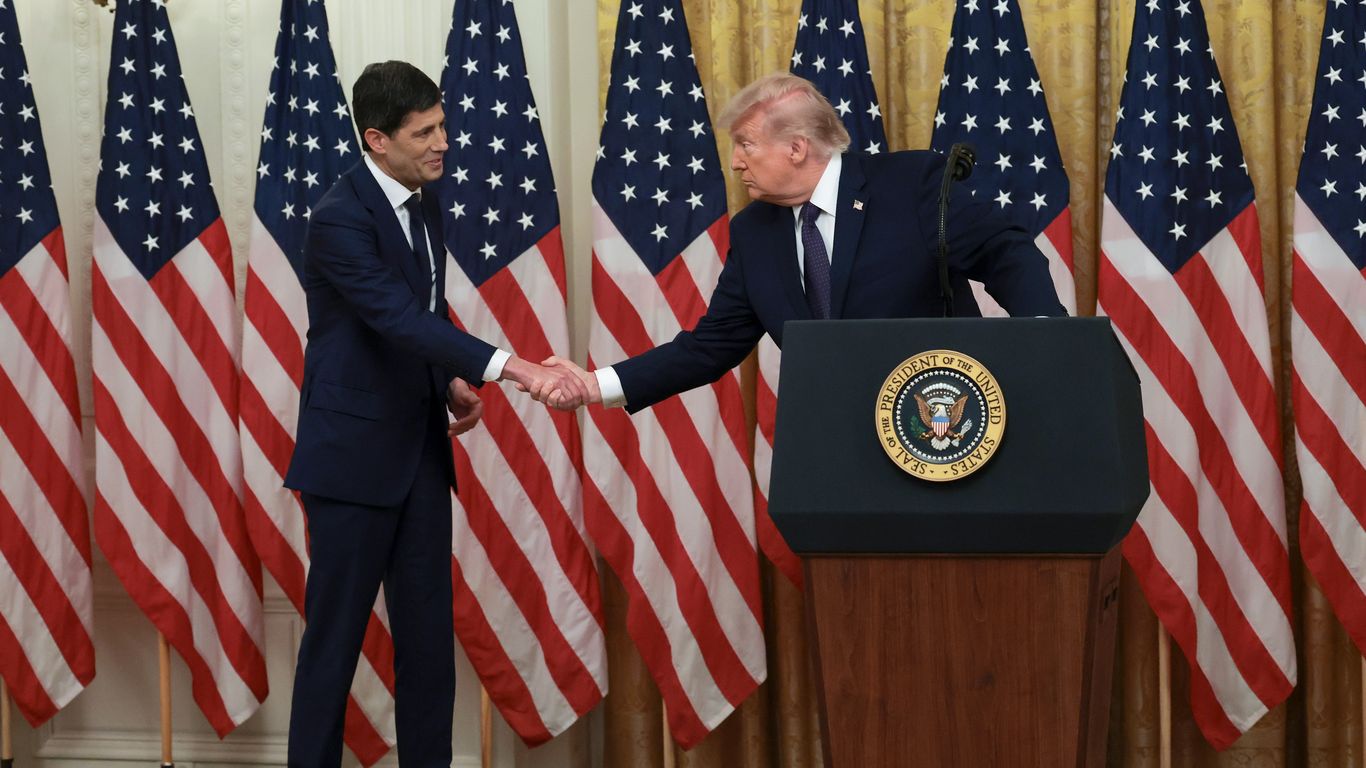
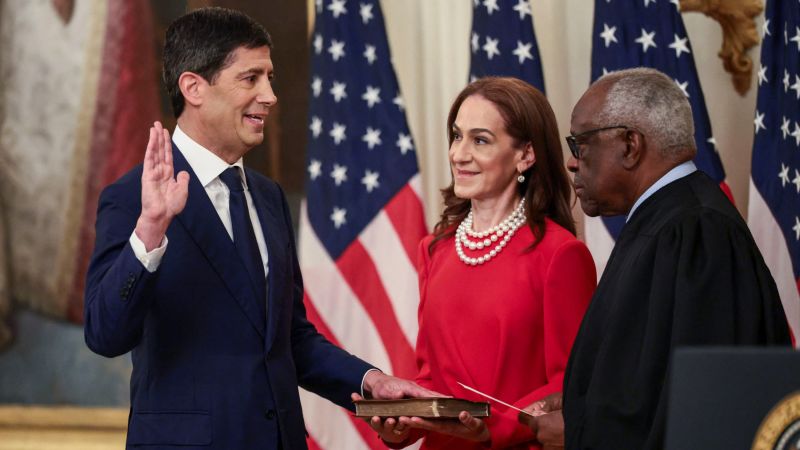
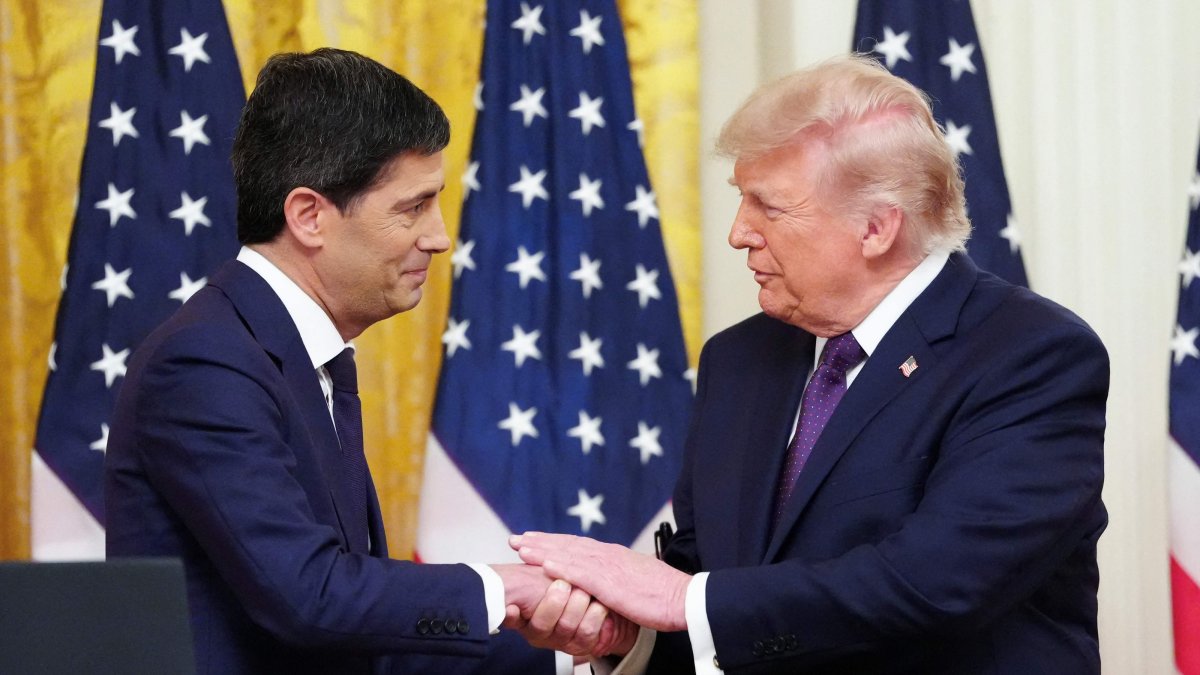
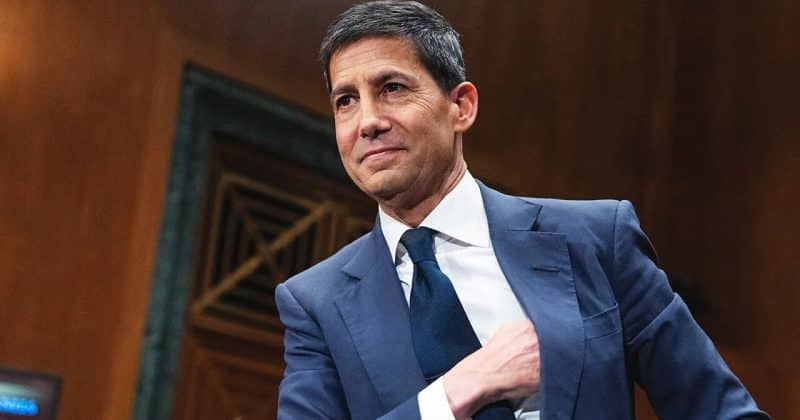
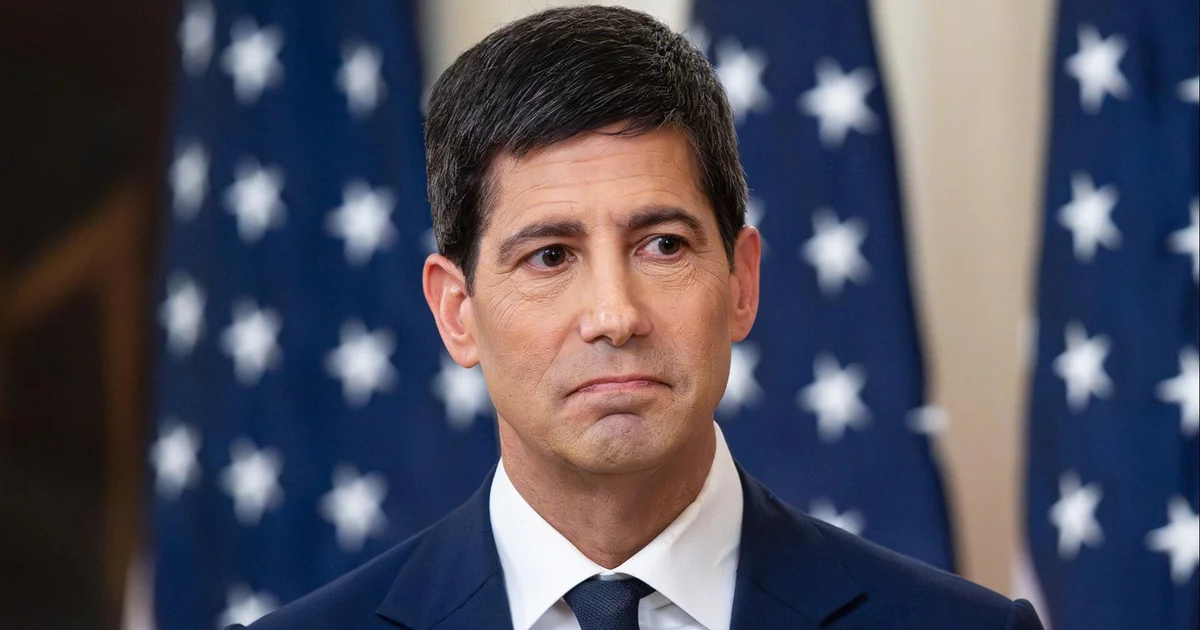
New Federal Reserve Chair Kevin Warsh could face a rude awakening this week with the release of key inflation data that economists expect to show consumer prices continuing to surge in April. Another hot month for inflation would make it harder for the Fed to deliver the interest rate cuts policymakers were projecting earlier this year and that President Trump aggressively demanded from former Fed chief Jerome Powell. On Thursday, the personal consumption expenditures price index, or PCE, is expected to show April inflation rose at an annual rate of 3.9%, according to economists surveyed by FactSet. That would mark the highest level for the Fed's preferred inflation gauge since May 2023 as oil prices tied to the Iran war push up gasoline prices. After being sworn in Friday as Fed chair, Warsh's most pressing order of business will be to rein in rising inflation. Complicating that challenge is Mr. Trump's eagerness for the central bank to ease borrowing costs, which would boost economic growth. At the same time, Warsh has also signaled he wants to significantly reshape how the central bank operates and communicates with financial markets. "Warsh faces a challenging backdrop as steady labor market conditions alongside rising inflation risks increase the odds of a rate hike as the next policy move," EY-Parthenon chief economist Gregory Daco said in a report.Daco also said that the Federal Open Market Committee — the Fed panel that sets its benchmark interest rate — could acknowledge at its June 17-18 meeting that it may have to hike rates if inflation remains above the central bank's 2% annual target. With inflation at its highest level in nearly three years, some economists on Wall Street now predict the Fed will hold rates steady throughout 2026. A rate hike is seen as more likely as the year progresses, with a 40% probability that the Federal Reserve will hike rates at its December meeting, up from 3% at its June meeting, according to CME FedWatch, which bases its predictions on 30-Day Fed funds futures prices.