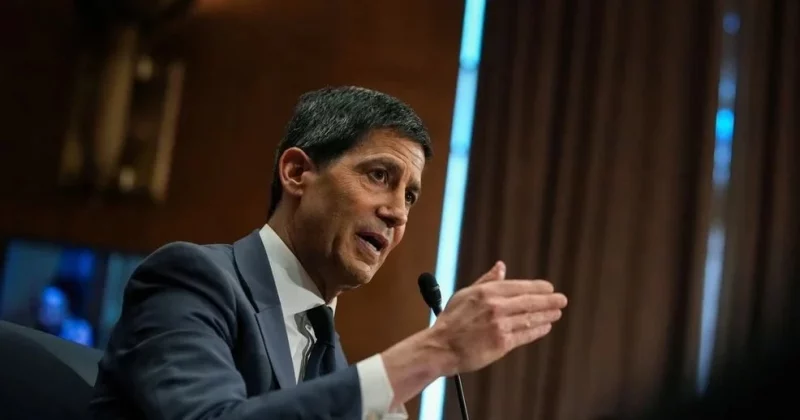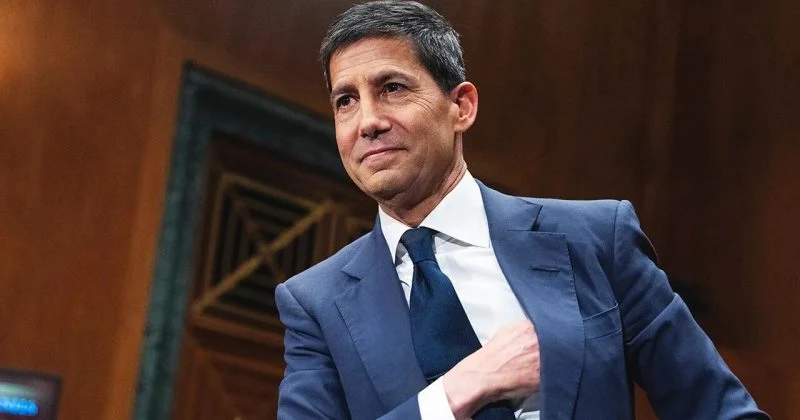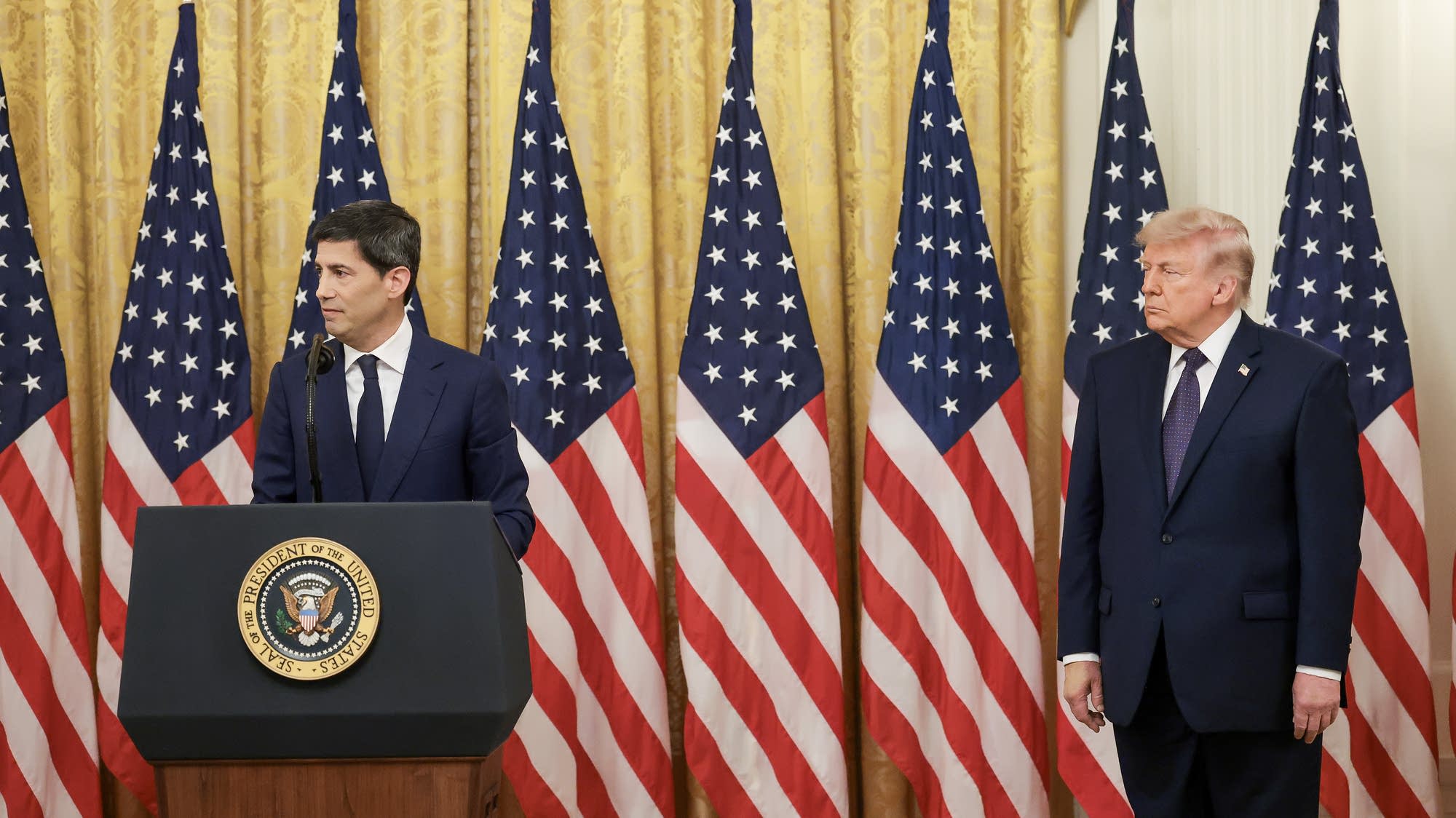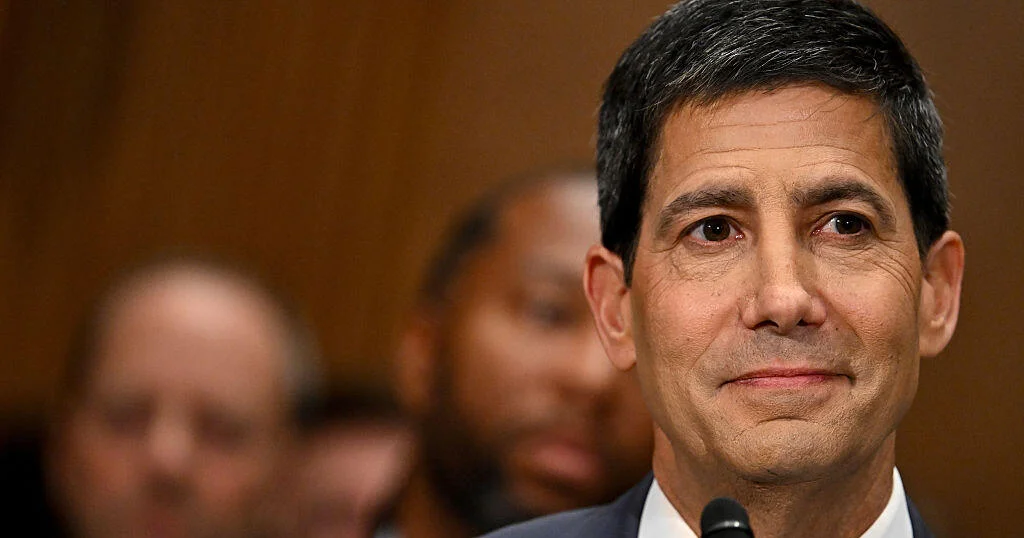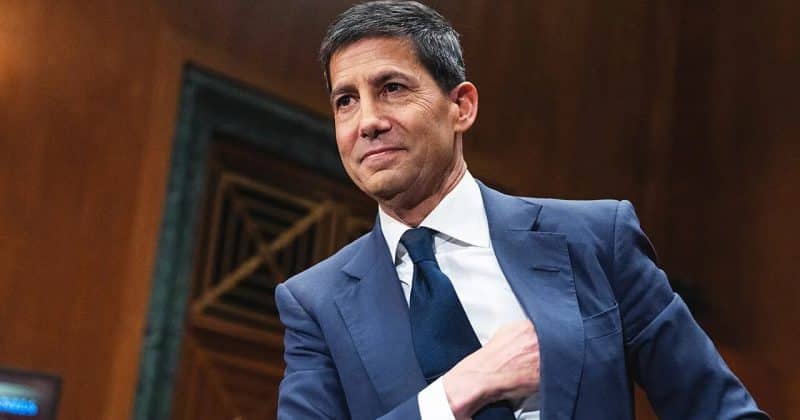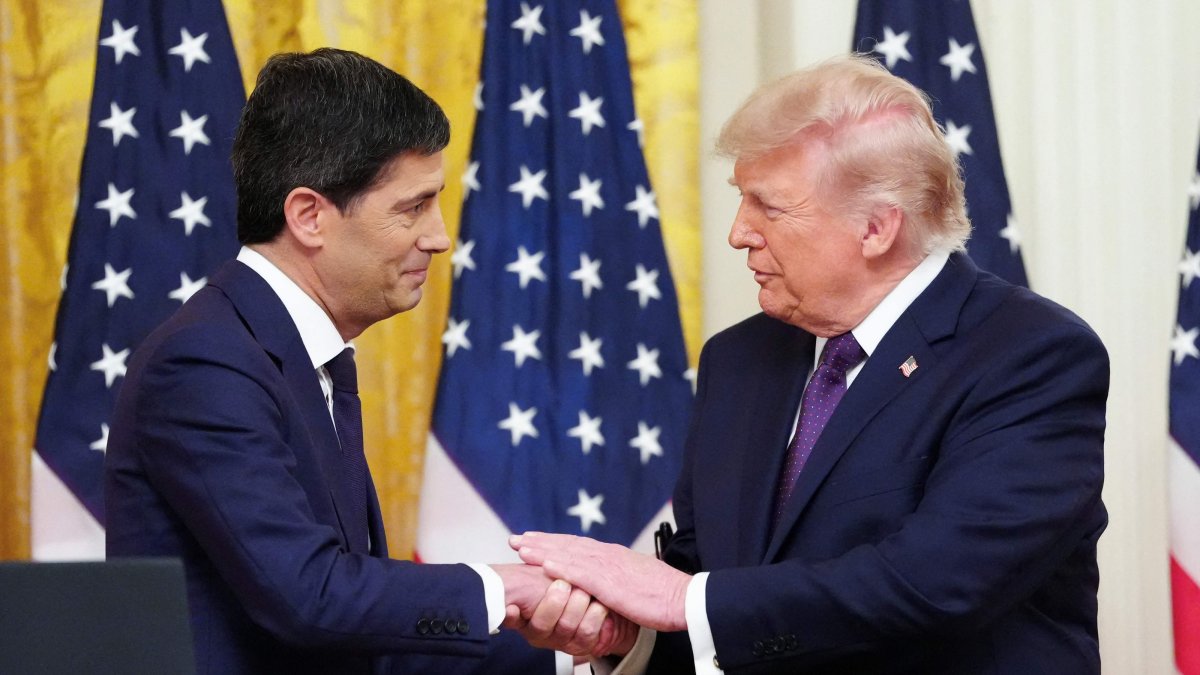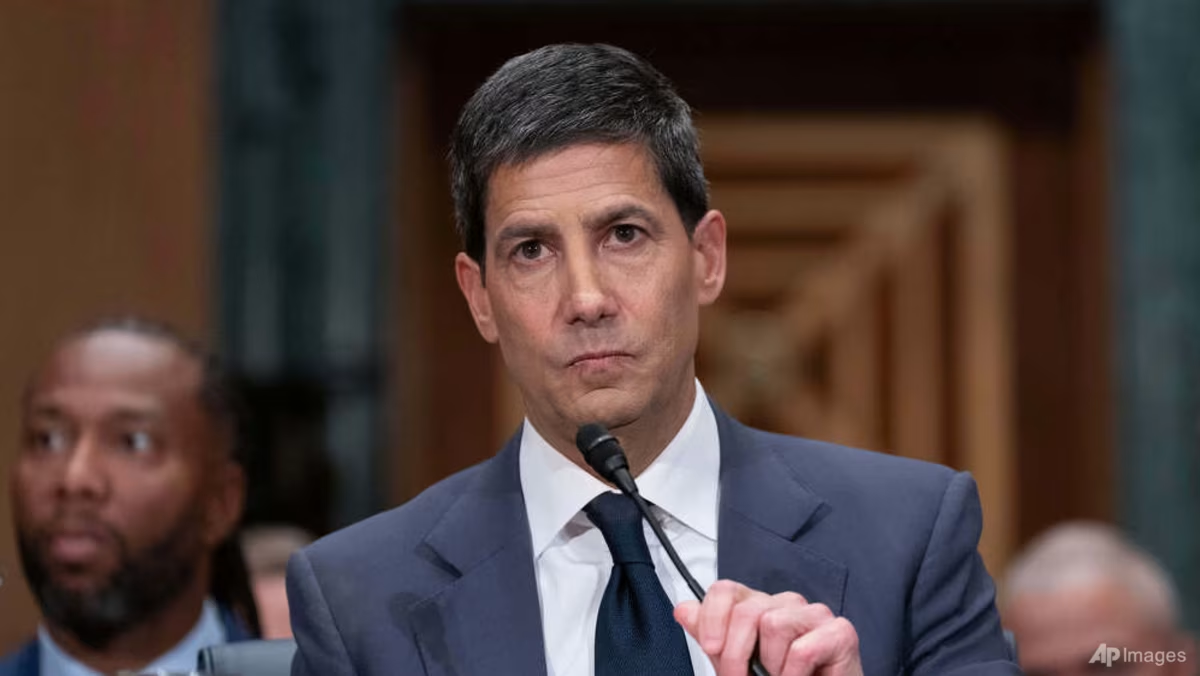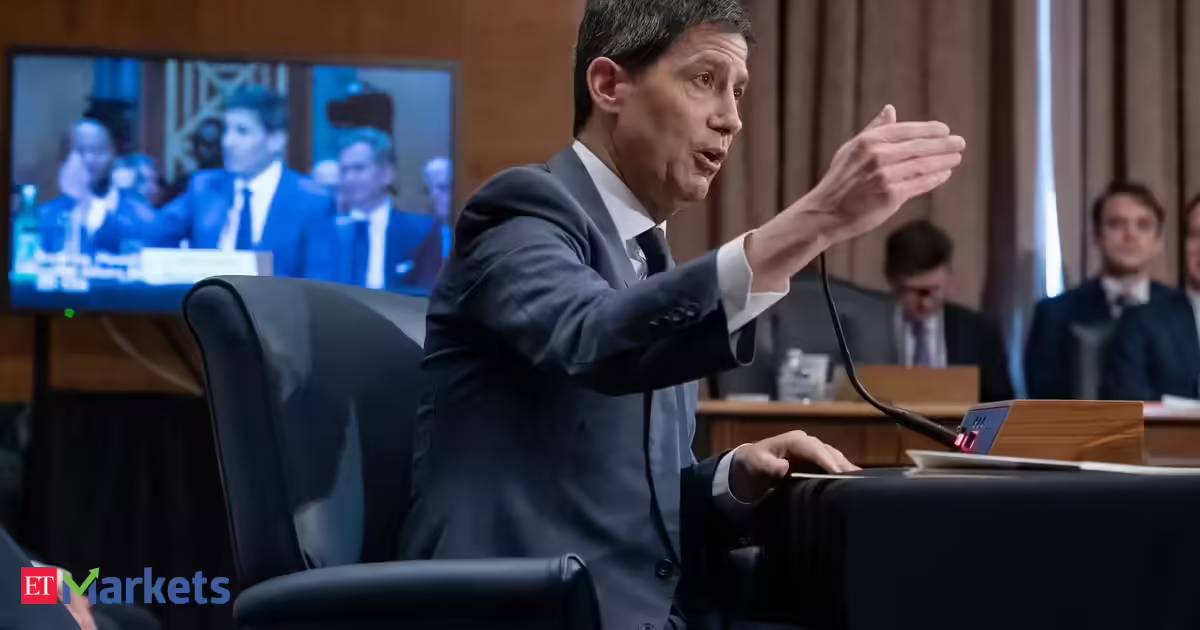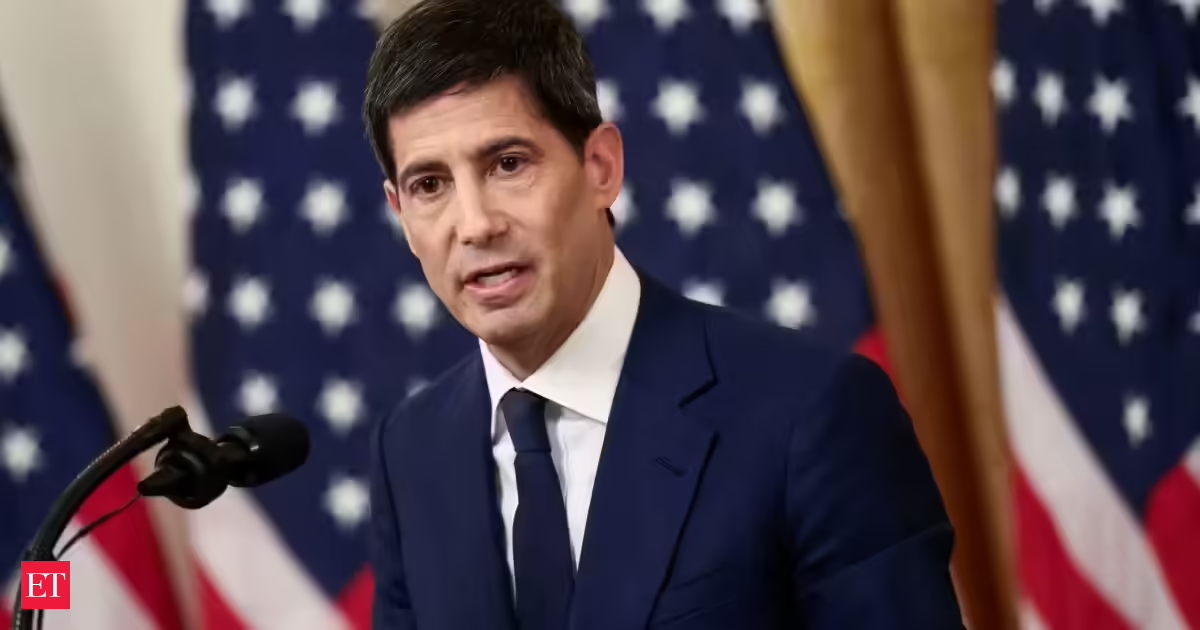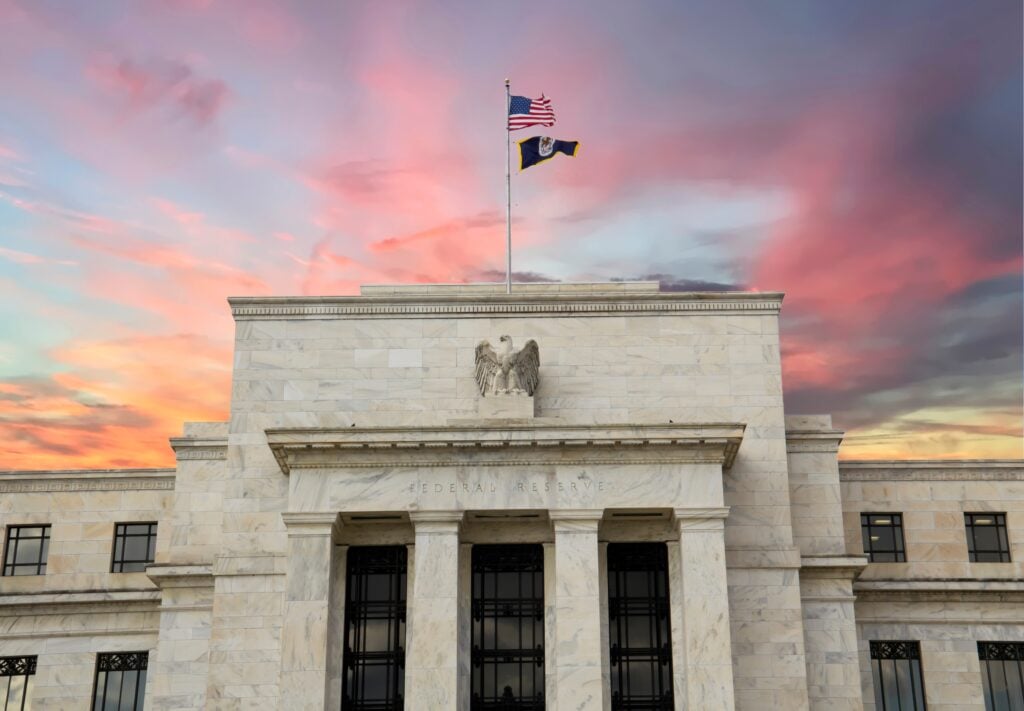
Kevin Warsh, sworn in as the 17th Chair of the Federal Reserve on May 22, 2026, is heading into his first Federal Open Market Committee meeting on June 16-17 with a uniquely uncomfortable data cocktail: inflation at a three-year high and a strong May jobs report that gives the Fed little cover to ease monetary policy.
A narrow mandate from a divided Senate
Warsh’s path to the chair wasn’t exactly a coronation. The Senate confirmed him on May 13 with a 54-45 vote, one of the tighter margins for a Fed chair in modern history. President Trump nominated him on March 4, 2026, selecting a figure with institutional knowledge, having served as a Fed Board Governor from February 2006 to March 2011, but also someone perceived as more sympathetic to the White House’s economic vision.
The Trump administration has made no secret of its preference for lower interest rates. Warsh, meanwhile, has signaled that inflation control falls squarely within the Fed’s monetary authority.
His term runs until May 21, 2030.