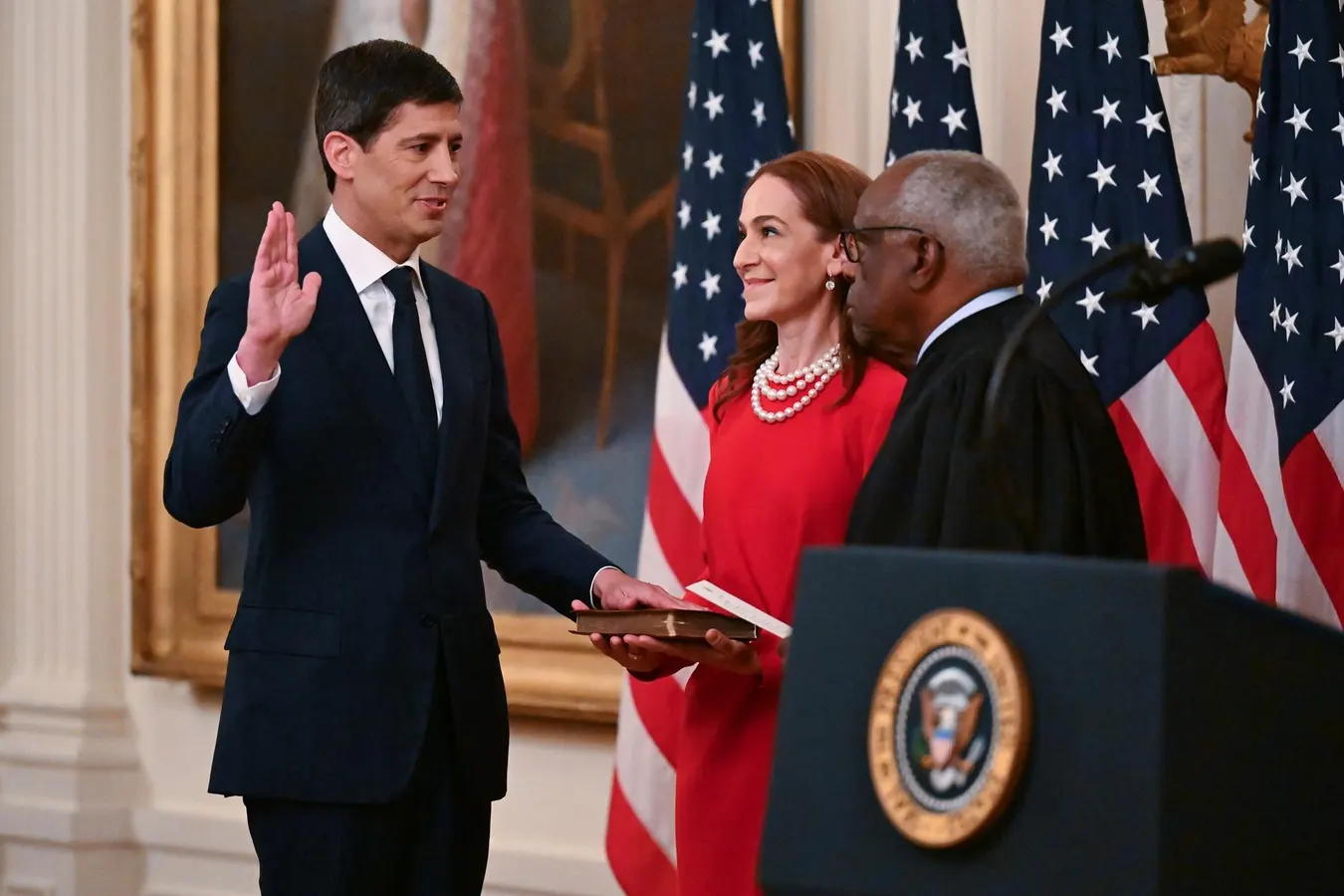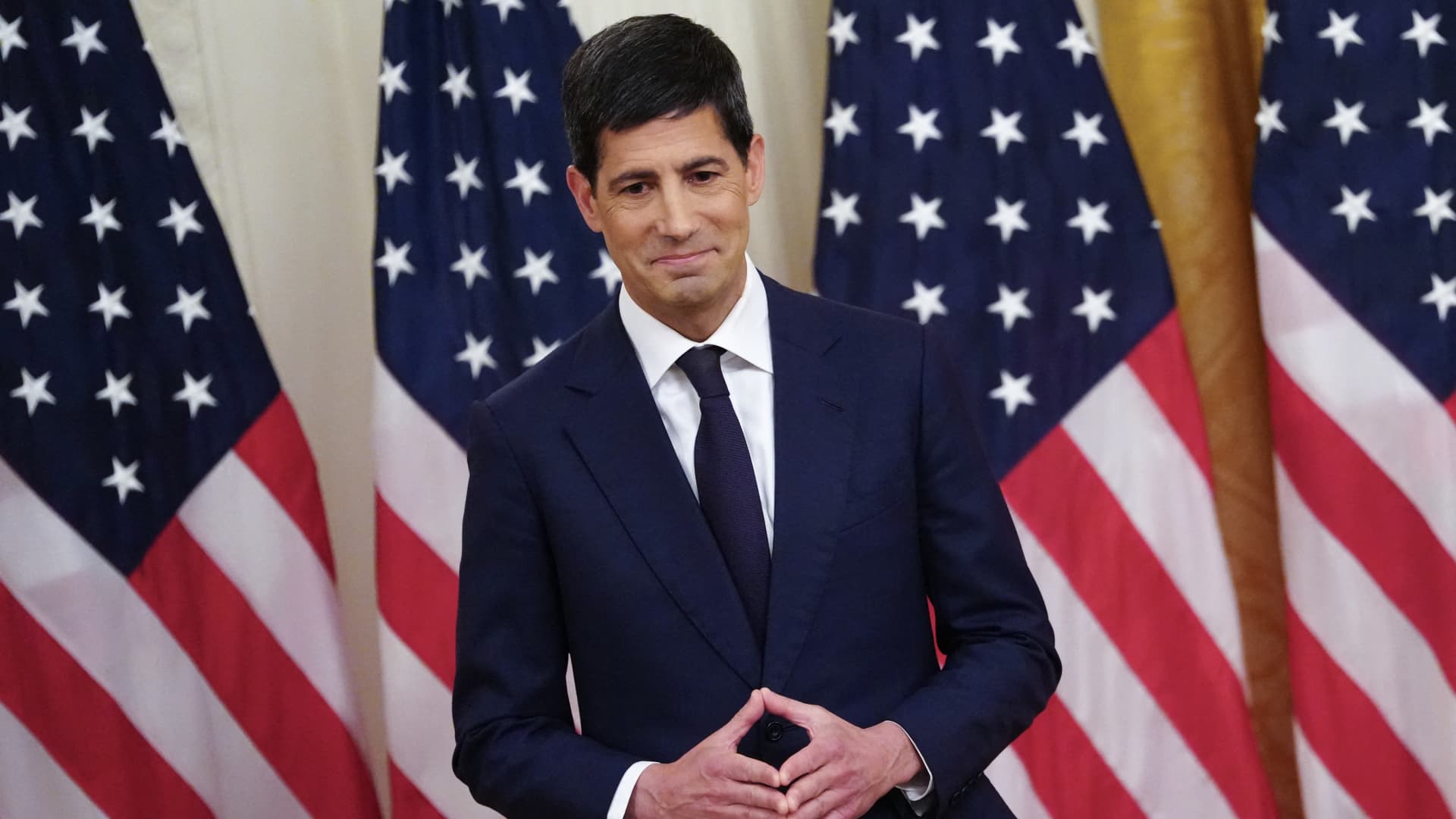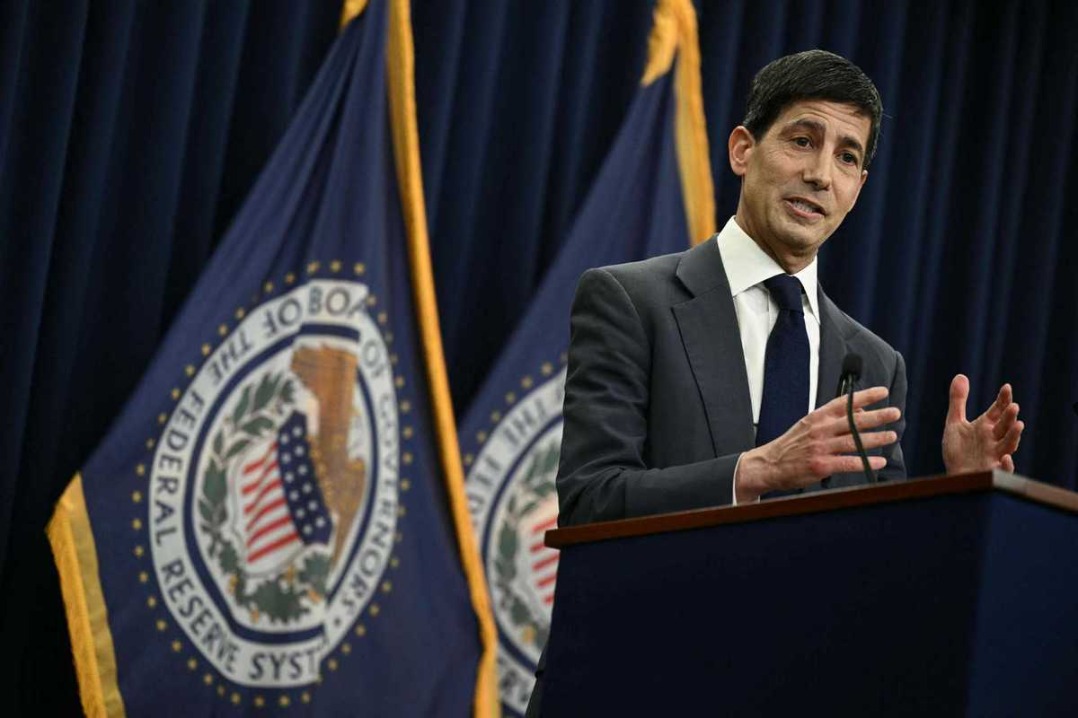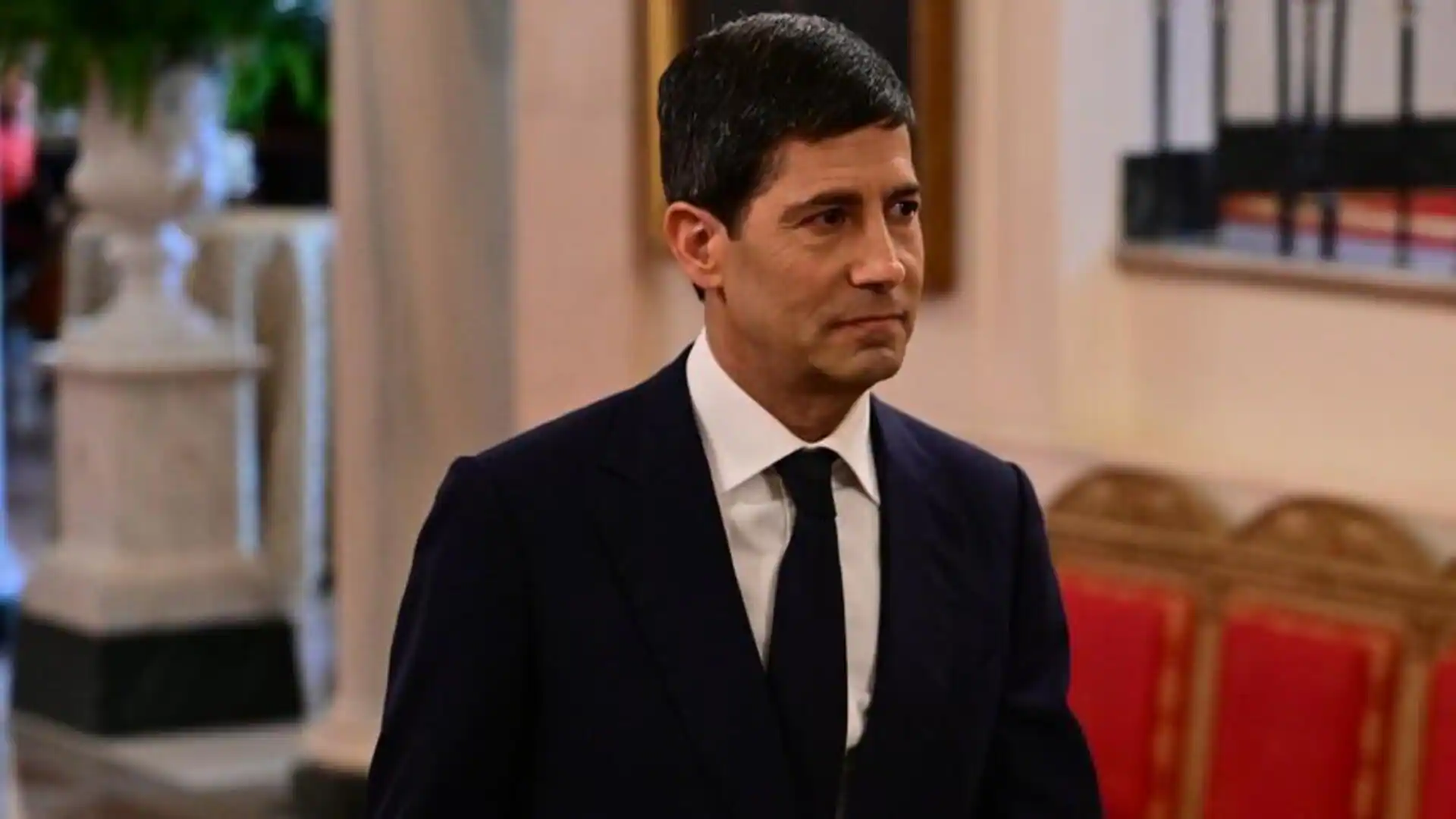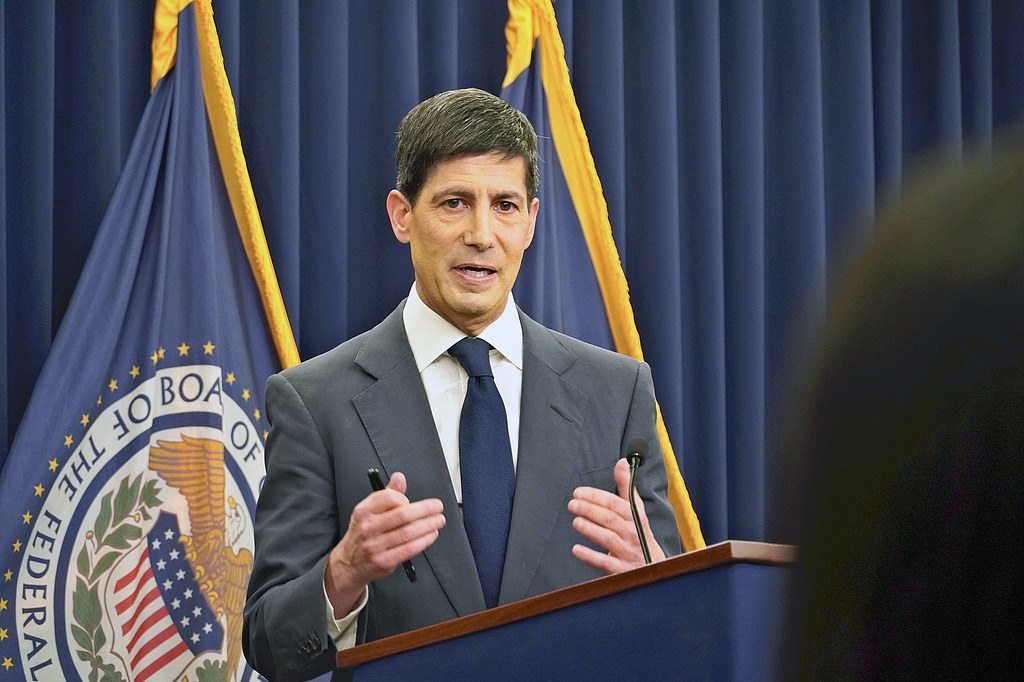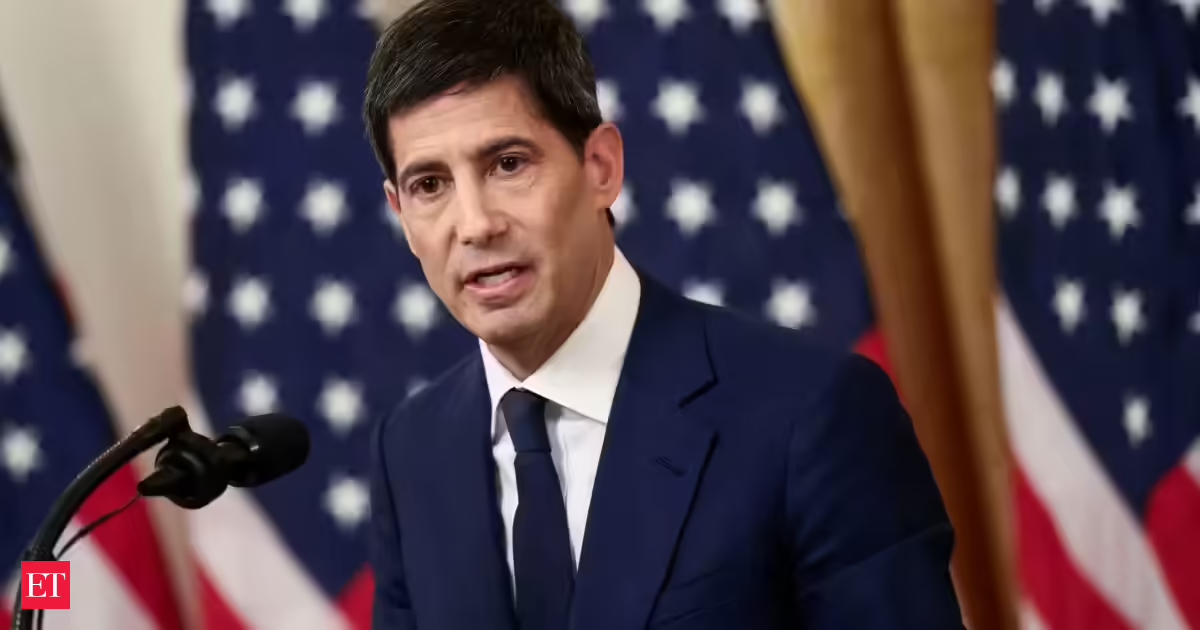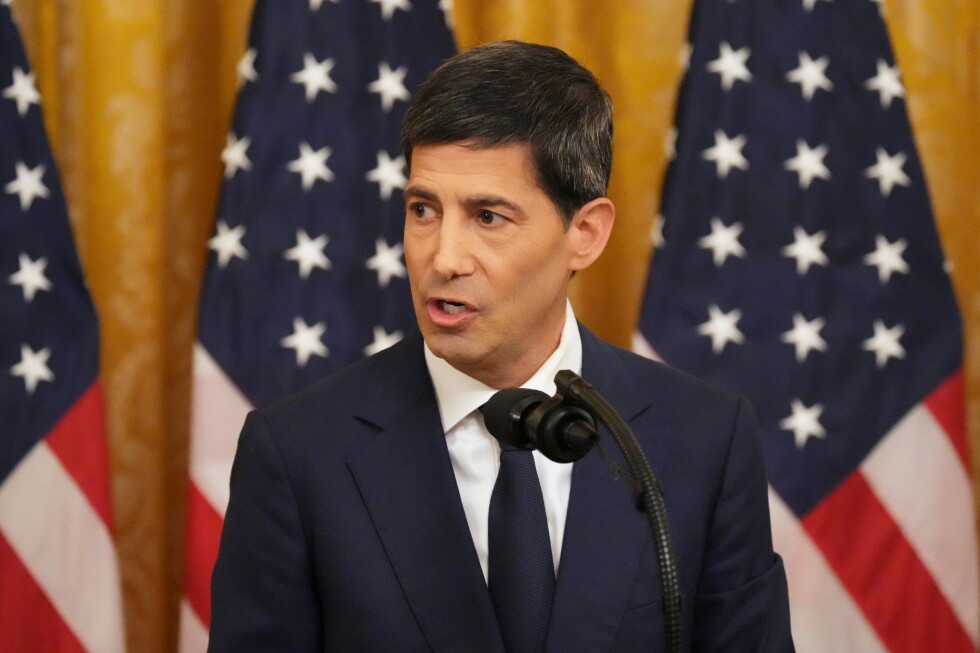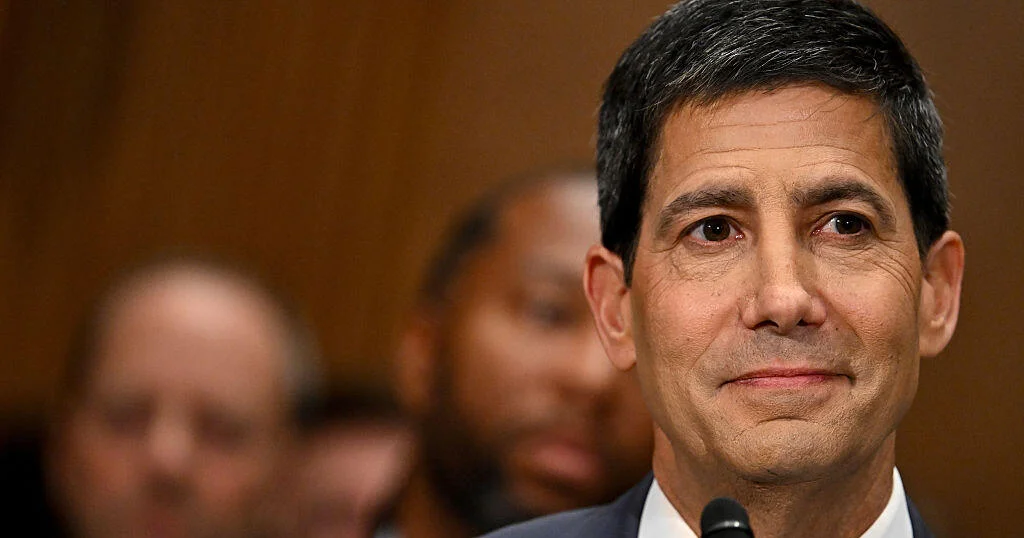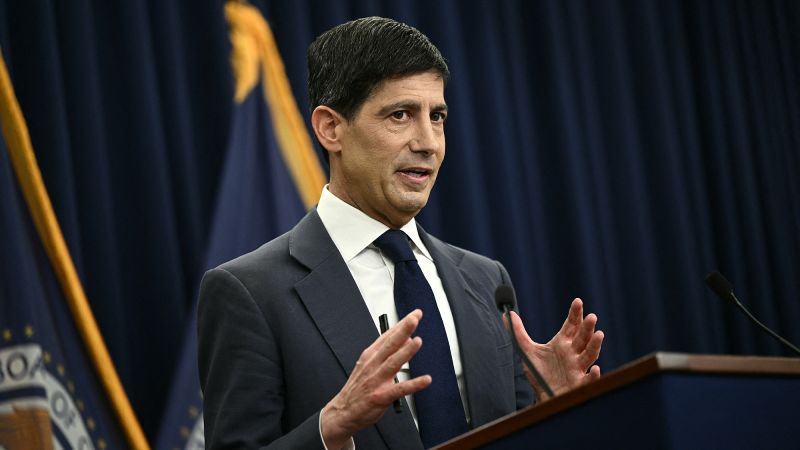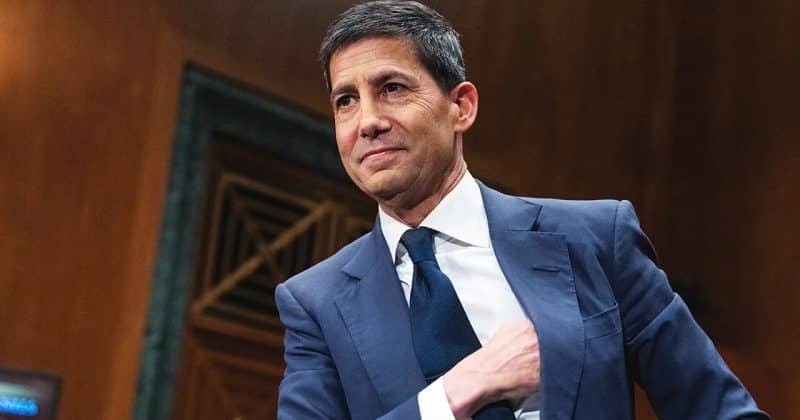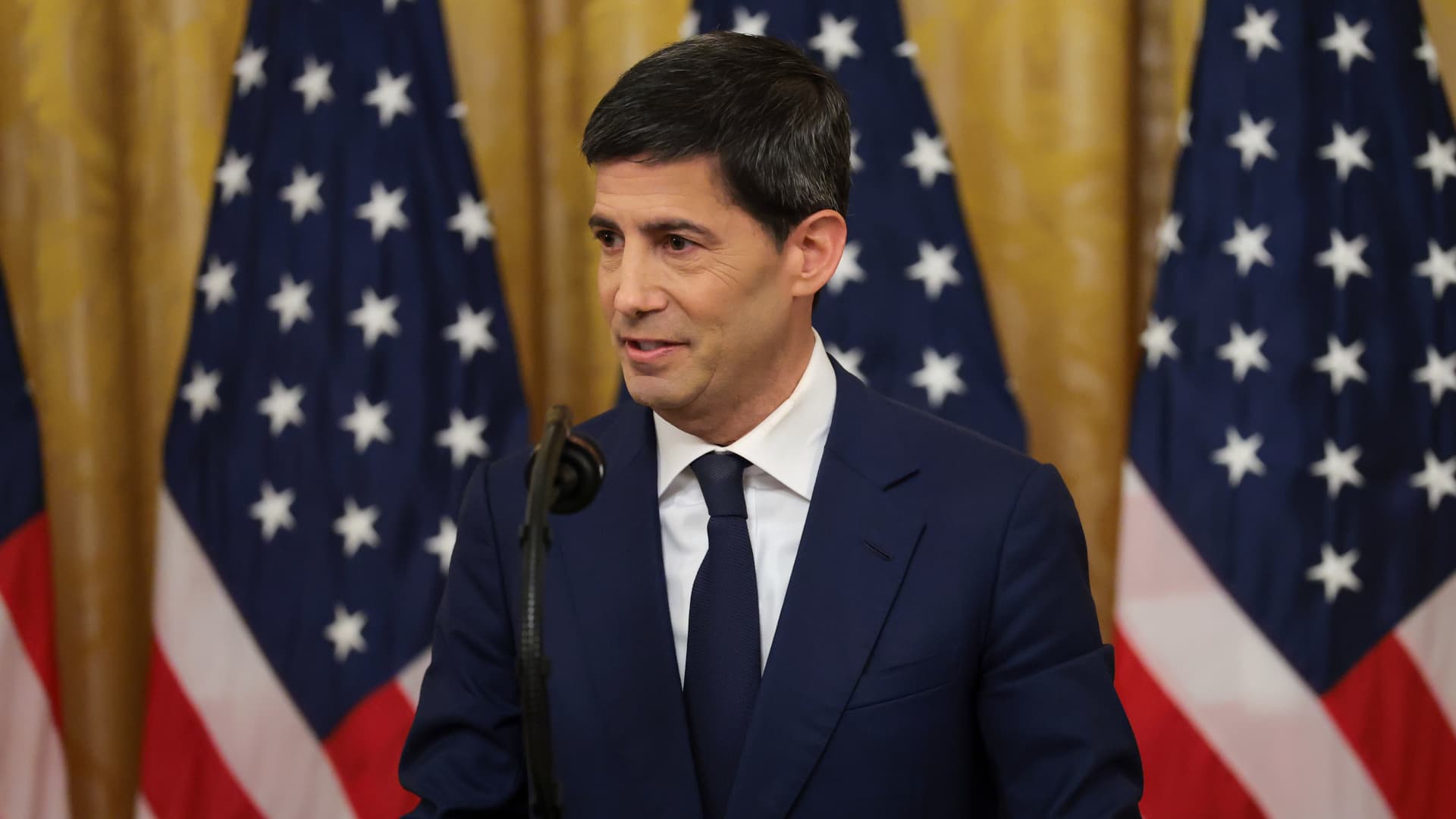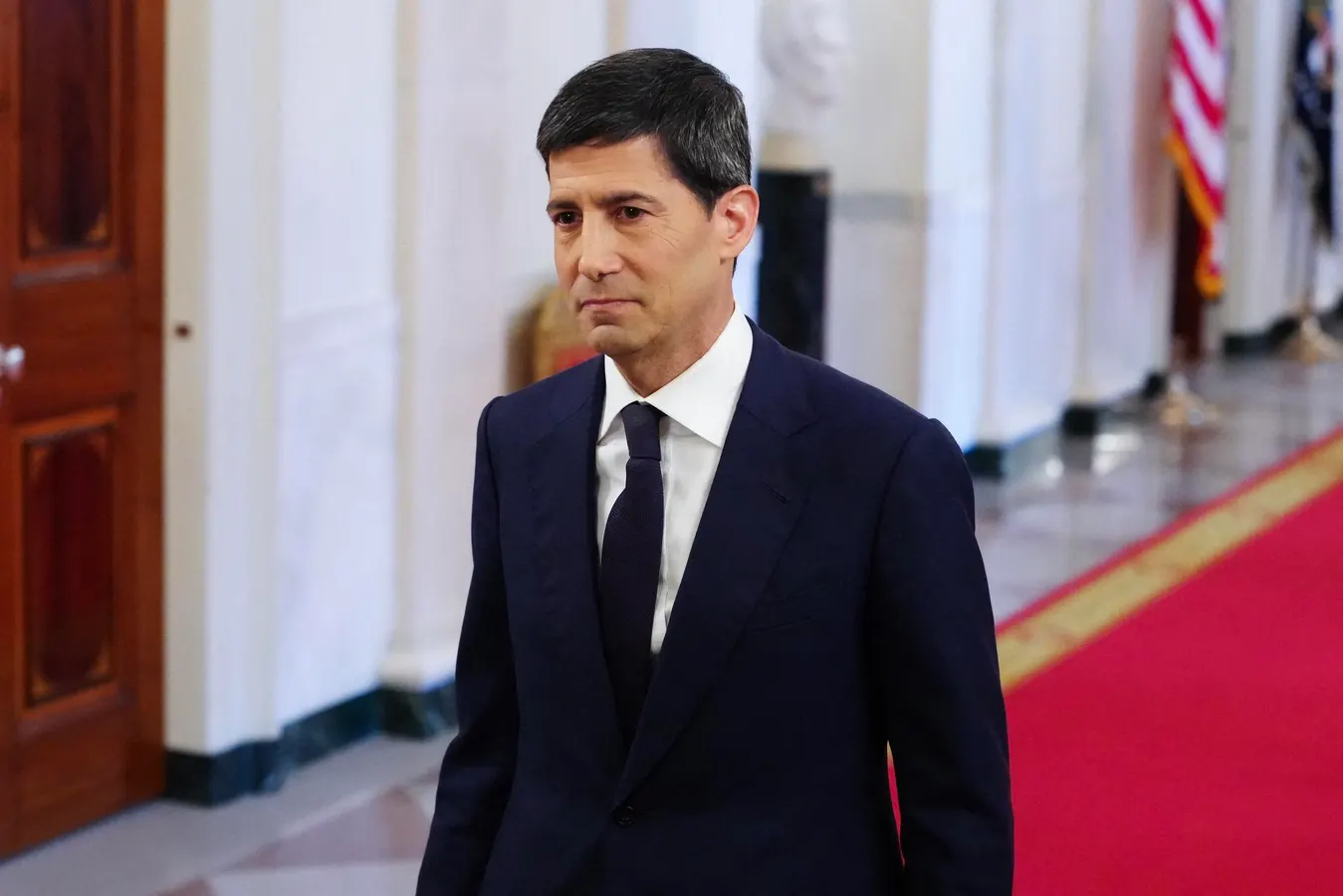
The new Chairman of the Federal Reserve Kevin Warsh arrives in the East Room of the White House for a swearing in ceremony in Washington, DC on May 22, 2026. The US Senate confirmed Kevin Warsh as the new Federal Reserve Chairman on May 13 to lead a central bank whose independence is under attack and with inflation at a three-year high. (Photo by Aaron Schwartz / AFP via Getty Images)AFP via Getty ImagesThe Federal Reserve held rates steady at its Wednesday meeting, but the real story was Chair Kevin Warsh’s move to overhaul how monetary policy is communicated. By shortening the policy statement and dropping forward guidance, Warsh signaled a shift toward a data‑first approach that could leave markets with less advance warning on future rate moves.Why Warsh Dropped Forward GuidanceThe Federal Open Market Committee’s unanimous statement holding rates steady was shorter than usual — about one‑third the length of April’s statement. Most notably, it omitted forward guidance, which typically outlines how policymakers expect rates to move. Although policymakers released their usual Summary of Economic Projections, Warsh chose not to provide projections of his own.Warsh also established five wide-ranging task forces to examine how the Fed conducts monetary policy, consistent with views he shared before becoming chair. He expects these task forces to lead to further changes.What Warsh Said About The ShiftWarsh highlighted the changes during his first press conference as chair. “You might have already noticed something: a difference in today’s policy statement. It’s a bit shorter, a bit simpler — and it dispenses with some older language. That statement just gives you the facts, as best we can judge it. Absent, also, is so-called ‘forward guidance,’ which we agreed was not well-suited to the current policy conjuncture.”He added that while Committee participants submitted their usual projections, he refrained from offering his own, consistent with his long-held views on the SEP "as currently structured.” In essence, Warsh wants markets to interpret policy based on economic data rather than relying on Fed guidance. That reflects today’s environment: forward guidance was a communication tool introduced when inflation ran below target for an extended period, which is no longer the case.MORE FOR YOUWarsh’s Task Forces Aim For Broader ChangesWarsh proposed task forces to review potential changes to the Fed’s processes, including communication practices, the balance sheet and detailed analysis of inflation, jobs and data sources. He expects these groups to propose potential changes by the end of 2026, if not sooner. During the press conference, Warsh suggested more changes are likely across how the Fed operates and communicates. For example, he noted that many CEOs receive data in real time, while the Fed often receives data with significant lags and frequent revisions. He referred to some of this data as “an echo of history.”What This Means For Future Rate MovesAlthough Warsh declined to offer forward guidance and did not provide his own projections, other policymakers did. Their projections implied that rates will most likely move up or remain steady through the remainder of 2026. Warsh avoided commenting on that outlook, consistent with his desire to move away from forward guidance. However, he emphasized that the Fed intends to deliver on price stability, which could imply future rate increases given currently elevated inflation. Markets expect that possibility as well. Still, if Warsh has his way, future interest rate moves will not be signaled to markets far in advance.
Warsh Launches Major Fed Communication Shift At First Meeting
Warsh ends forward guidance and shortens the Fed statement at his first meeting, signaling a shift toward data‑driven policy and potential changes ahead.
566 words~3 min read