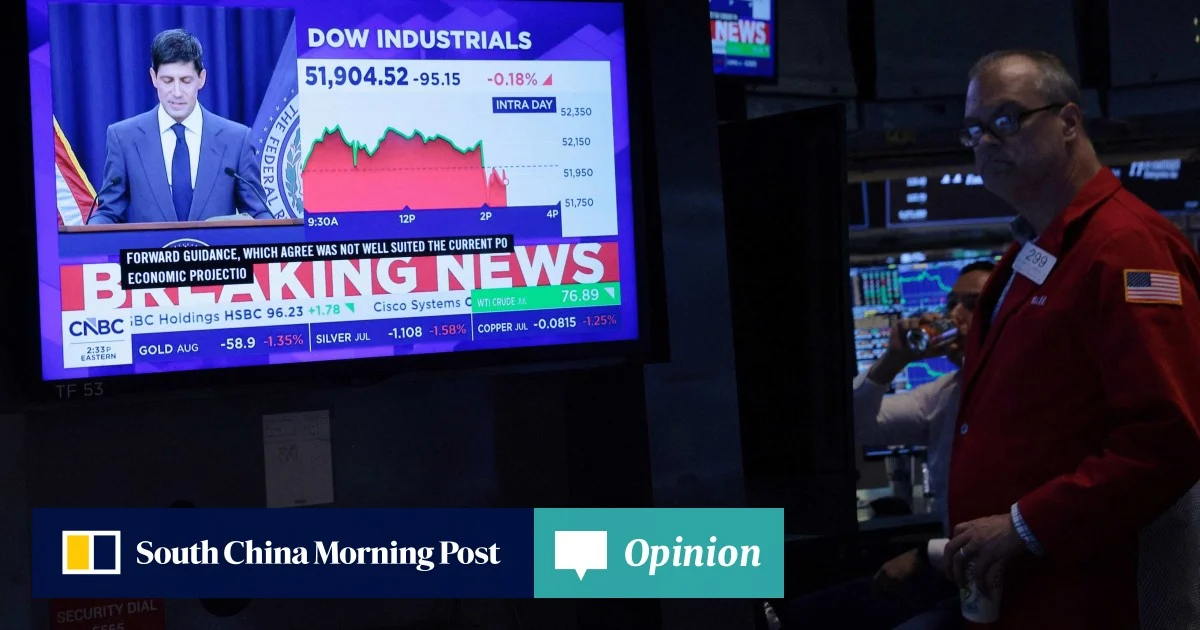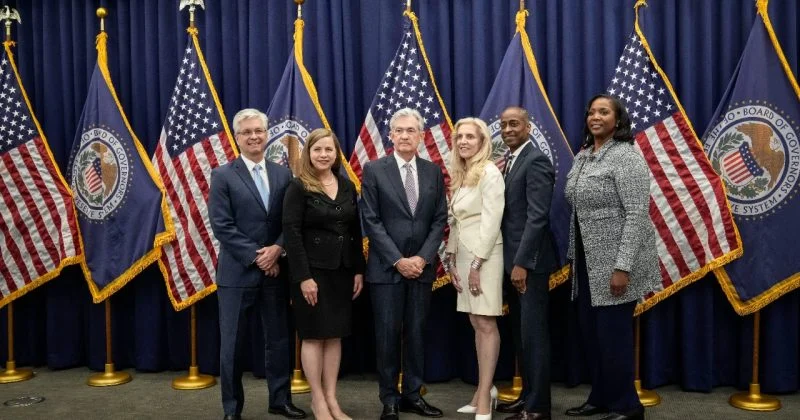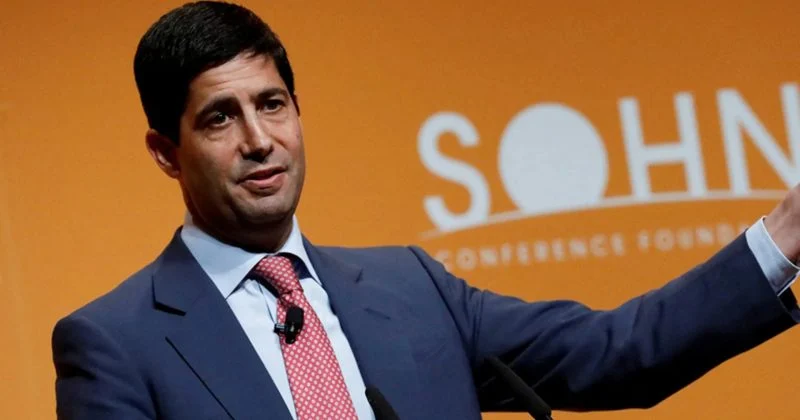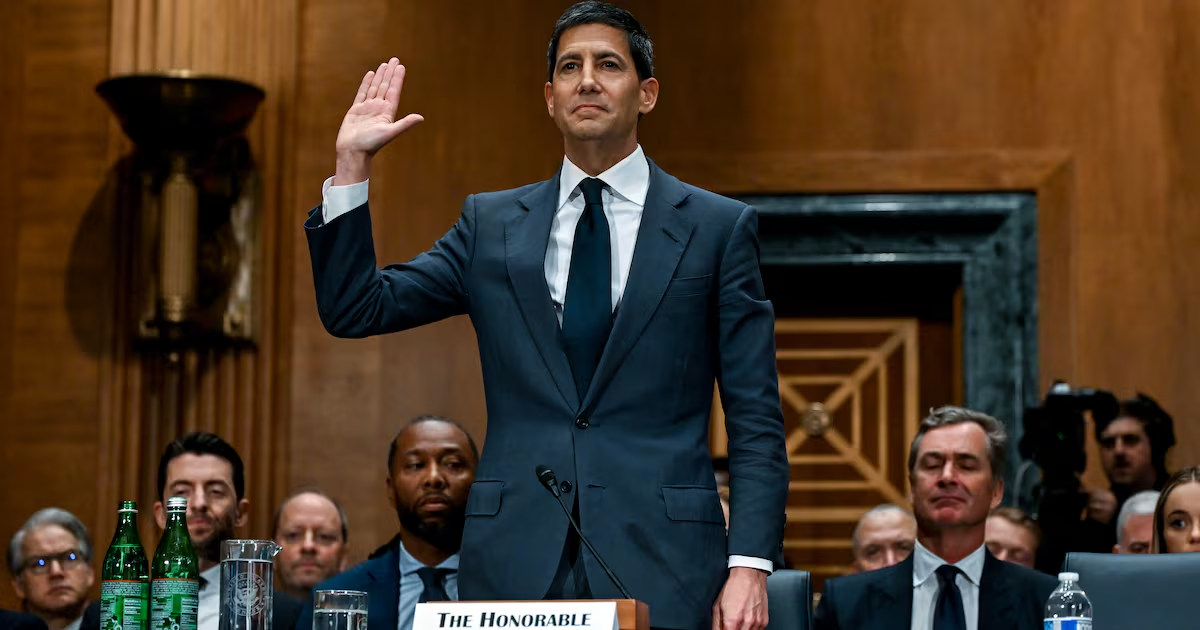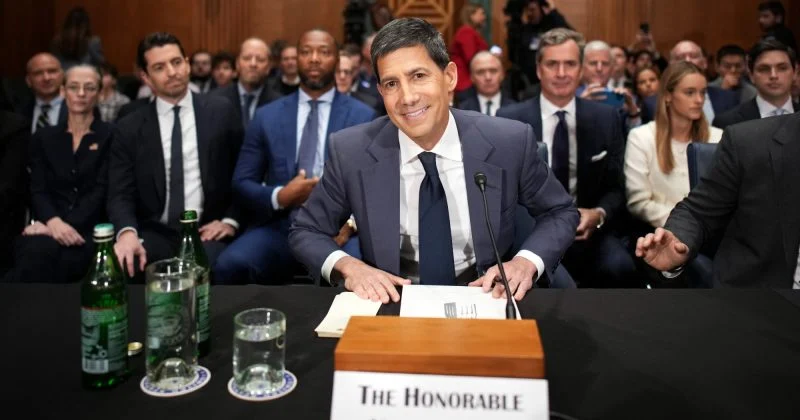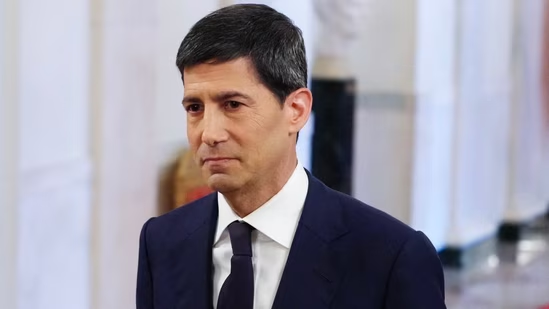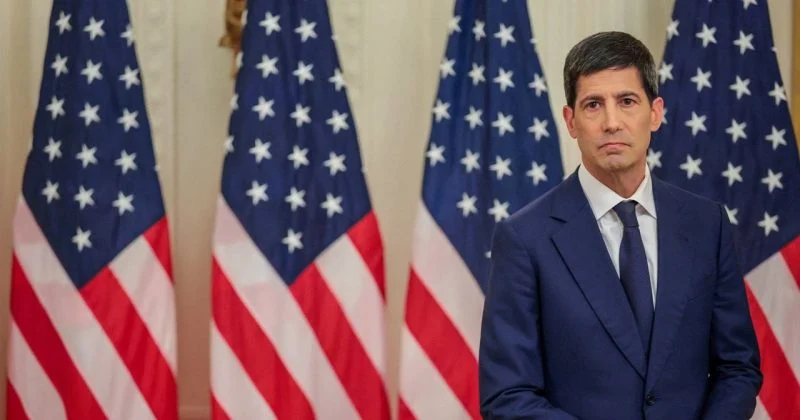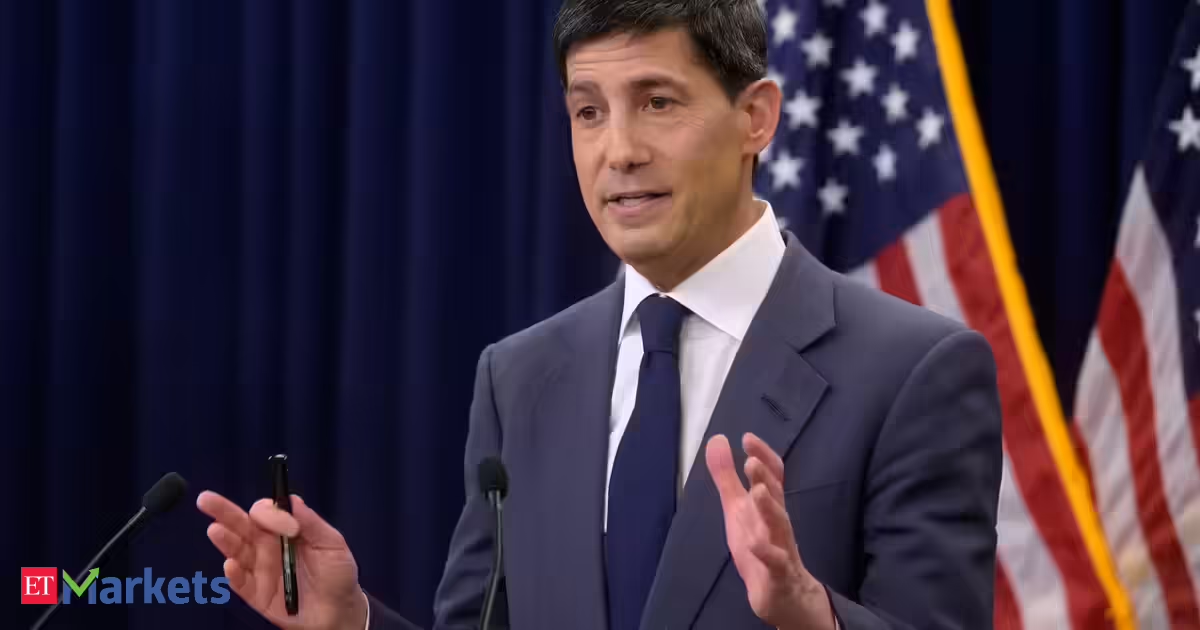
LONDON: Federal Reserve chief Kevin Warsh's push to scrap forward guidance is gaining traction at the central bank. Curbing the stream of Fed commentary may benefit everyone, given the erratic U-turns by many senior officials over the past year.The apparent lack of conviction among many of the Fed's top officials is unnerving. It also risks focusing attention on individual personalities, if not their politics, rather than the hard-nosed data they all claim to live and die by. If such swings on the economy and inflation are part of what Warsh calls a "family fight" over decision-making, it may be best to keep them behind closed doors.Others may conclude that such ostensibly fickle shifts in policy opinion, without major changes in the underlying data, suggest the Fed should leave policy on hold for much longer.Take Fed Governor Chris Waller, who seems to disagree with Warsh on limiting policy guidance, as a case in point.Also read | China's oil fortress will reshape the global orderEarlier this week, Waller completed his transition from a persistent dove through last year to an outright hawk. In a colorful speech, Waller - who regularly called for credit easing last year and even dissented against the committee's decision 12 months ago - now insists that rising core inflation has been a problem all year, even before the Iran war and subsequent energy shock. He said it was unlikely to return to the Fed's target on its own."Sternly staring at inflation until it melts before our withering gaze is not an option," he said, signaling a vote to raise interest rates unless elevated core inflation shows signs of subsiding soon.Those comments came before this week's surprisingly soft June inflation reading, though the durability of that relief remains in question.To be sure, Fed officials are entitled to change their minds, and they agree they should if the data warrants it. But it's rare to see positions change so sharply when neither core inflation trends nor the unemployment picture strictly demands it.Also read | Iran overplaying its hand on Hormuz? A new game has just begun in West Asia oil sceneAfter all, the core personal consumption expenditures (PCE) inflation gauge never fell below 2.6% last year and has been rising steadily since April 2025 - even as Waller was calling for more cuts and the rest of the Fed delivered two rate cuts in the second half of last year. Meanwhile, the unemployment rate has been falling since November and has already returned to April's 4.2%.For some, the biggest development in the interim was that Waller - once the favorite to be nominated by President Donald Trump to fill the vacant Fed chairmanship and a Trump appointee in 2020 - did not land the top job in January.While Waller would no doubt refute the idea, there's a feeling that displaying a dovish bias may have been deemed necessary while interviewing to please a president demanding lower interest rates. Perhaps the decision to choose Warsh allows Waller to return to his more typically hawkish hue from the post-pandemic period.Waller was not alone in making sudden, sharp changes of opinion.Fellow Fed Governor and Trump appointee Michelle Bowman also made a dramatic shift. Once one of the resident hawks on the Fed board - pointedly becoming the first governor to dissent against a rate decision in 20 years by opposing a pre-election rate cut in September 2024 - she became one of the most ardent doves by the middle of last year. She and Waller dissented against the Fed's decision to hold rates last July in favor of moving faster with more cuts. Furthermore, she was still calling for more cuts as recently as January, but is now cautioning about the pass-through of energy prices as a possible reason to change her stance.MONEY TARGETSPerhaps most curious of all is the case of temporary Fed Governor Stephen Miran, Trump's former economic adviser who was appointed to the board for eight months through this May and was a consistent uber-dove throughout that time.Miran's first dissent was against the quarter-point cut in September last year in favor of an even bigger easing, and he dissented against every Fed decision in the interim - always pushing for deeper rate cuts.Yet barely two months after leaving the Fed, he co-authored a note for Hudson Bay Research with economists Nouriel Roubini and Peter Ireland that advocates reintroducing monetary aggregates and money supply targeting into the Fed's toolkit - something Warsh is believed to favor.The research delves into the whys and wherefores of money supply targeting and its history, arguing the Fed's abandonment of it prevented it from anticipating the gravity of the 2021-2022 inflation spike.But monetary aggregates are running at an annual pace of more than 5%, which is far from an argument to slash rates as Miran repeatedly voted to do over the past year.Even if, as Miran and the paper suggest, that level of monetary growth is sustainable historically - especially in a presumed productivity boom that lifts potential economic growth - it still makes little or no case for deep rate cuts of the magnitude Miran advocated.The biggest question of all may be whether Warsh ends up being the hawk he traditionally appeared to be or the dove he was perhaps required to ape when seeking the job.His first congressional testimony this week gave little away, apart from some tough talking on meeting the Fed's 2% inflation goal come what may. Relatively soft June inflation readings take the pressure off him to reveal too much at the next Fed meeting later this month.But if personalities or politics are influencing Fed thinking and pronouncements, Warsh would do well to limit them and let the committee reach a consensus, with voting records available for the public to see.(The opinions expressed here are those of Mike Dolan, a columnist for Reuters. )
A case for less talk? Making sense of Fed's flip-flops over past one year
The call from Federal Reserve chief Kevin Warsh to curtail policy guidance is gathering momentum, with Fed Governor Chris Waller making a notable leap from dovish to hawkish stances. Michelle Bowman has also shown a marked transformation in her policy views. Meanwhile, Stephen Miran is advocating for a focus on money supply targeting following his departure from the Fed.
973 words~4 min read