For more than a decade, the Federal Reserve operated like a GPS for financial markets, telling investors not just where interest rates were but where they were headed. That GPS just got unplugged.
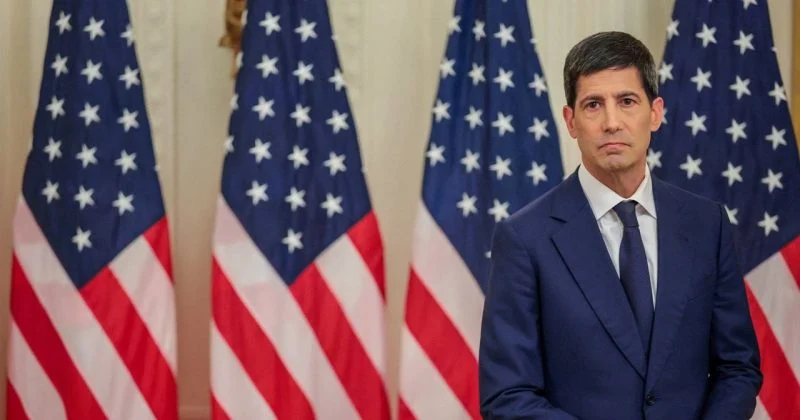
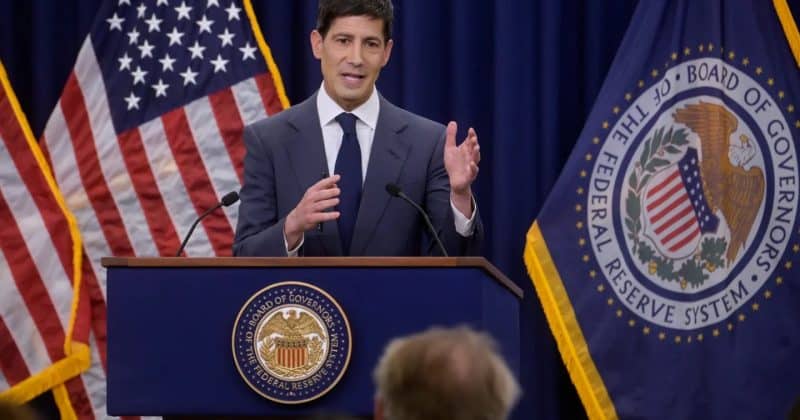
At the June 17, 2026, FOMC meeting, newly appointed Chair Kevin Warsh oversaw a policy statement that was remarkably short by Fed standards. The committee held the federal funds target range steady at 3.5%-3.75%, but the real story wasn’t the rate decision. It was everything the Fed chose not to say.
The end of hand-holding
Forward guidance, the practice of telegraphing future policy moves, became the Fed’s signature communication tool during the 2008 financial crisis. During the pandemic, the Fed leaned into this approach even harder, practically drawing a roadmap for rate decisions months in advance.
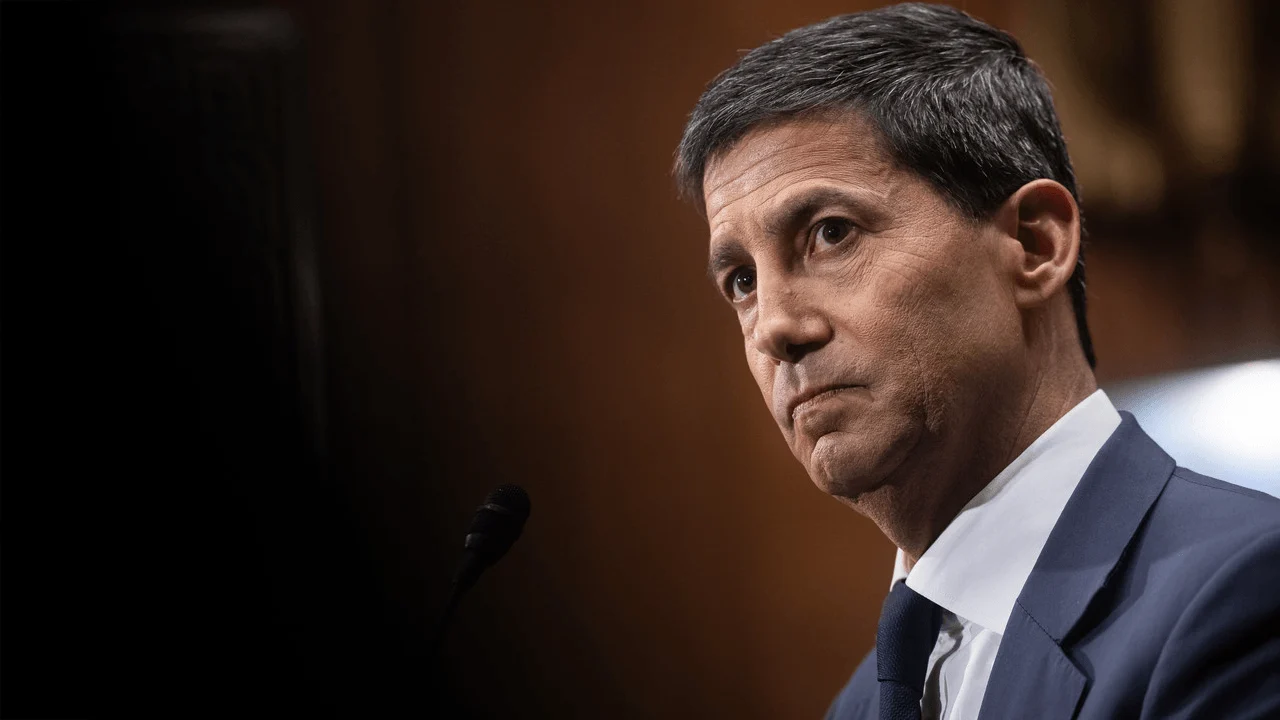
During his press conference, Warsh stated that forward guidance “may no longer be helpful” and is not the appropriate focus for the central bank. This marks the first major official break from the detailed guidance framework in over a decade. Warsh has been a vocal critic of excessive forward guidance for years, arguing it constrains the Fed’s ability to respond effectively to changing economic conditions.