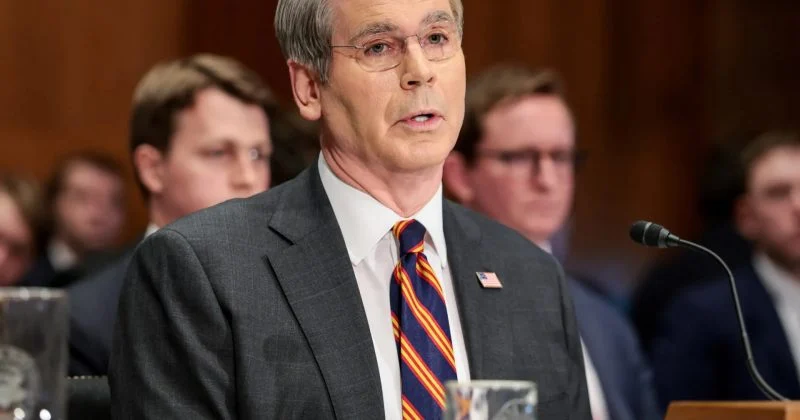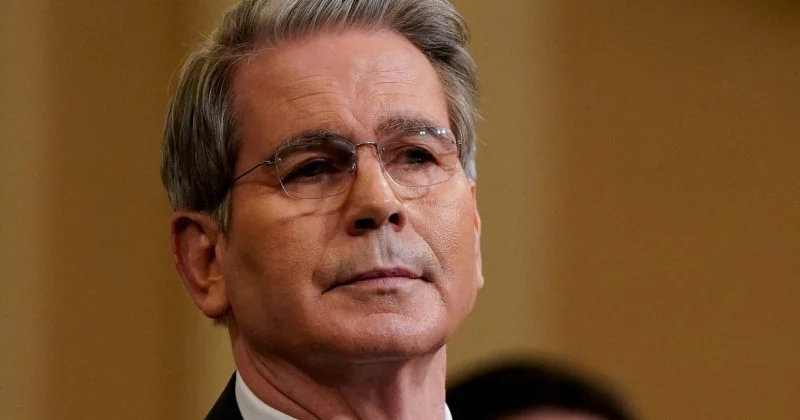
Treasury Secretary Scott Bessent has publicly endorsed the Federal Reserve’s elimination of forward guidance, a communication tool the central bank has used for years to telegraph its policy intentions to markets. Bessent made the remarks on April 29, explicitly tying the shift to the diminished relevance of outgoing Fed Chair Jerome Powell’s previous statements.
What forward guidance actually is, and why it matters
Forward guidance is the Fed’s way of giving markets a heads-up about where interest rates are likely headed. When the Fed says “we expect rates to remain elevated for some time,” that’s forward guidance. It helps investors, banks, and businesses plan accordingly.
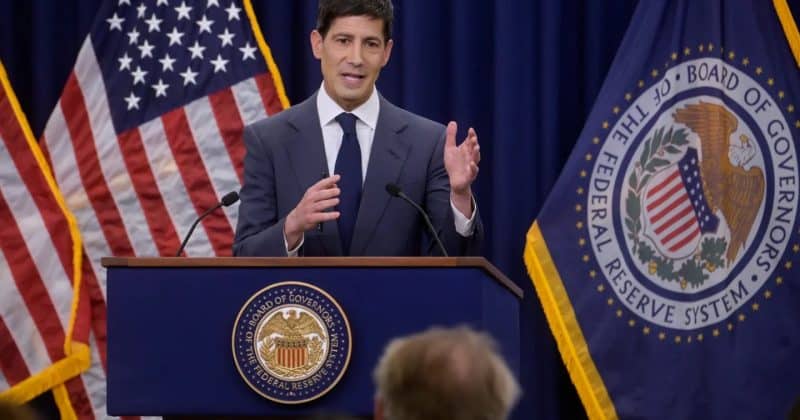
Kevin Warsh, Trump’s nominee to succeed Powell as Fed Chair, has been one of the loudest voices against the practice. During Senate hearings, Warsh argued that forward guidance acts as an impediment to policy flexibility. His core claim: the approach contributed to significant inflation errors in the past, essentially boxing the Fed into slow reactions when prices were surging.
Bessent’s endorsement of this view is notable because it aligns the Treasury Department with the incoming Fed leadership’s philosophy before Warsh even takes the chair. Powell’s term runs until mid-2026, but the policy ground is already shifting beneath him.