The Federal Reserve just did something it hasn’t done in nearly two decades: it kept its mouth shut about what’s coming next.
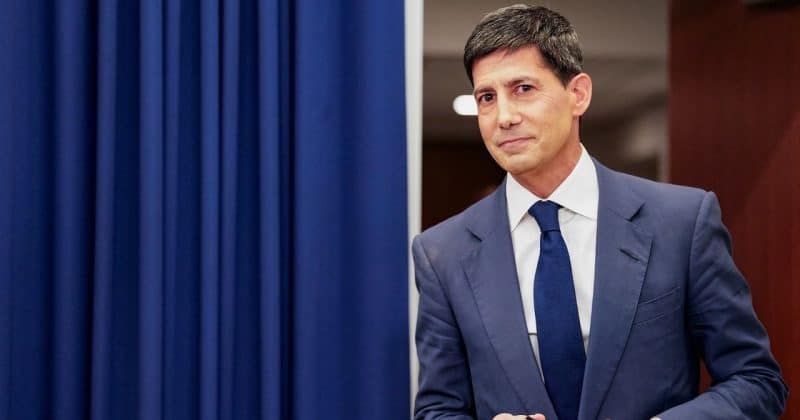
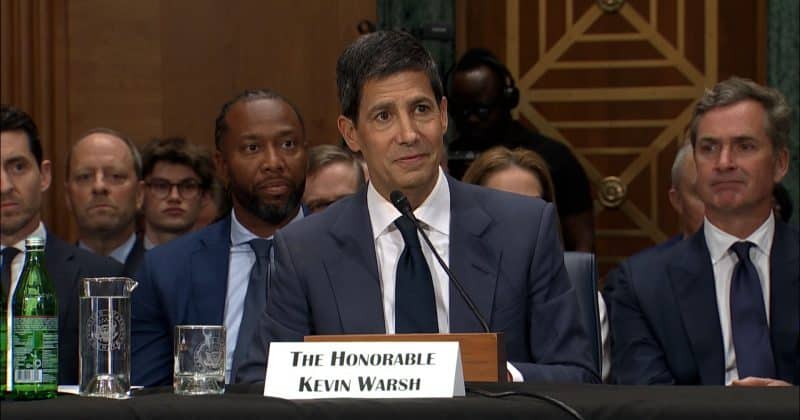
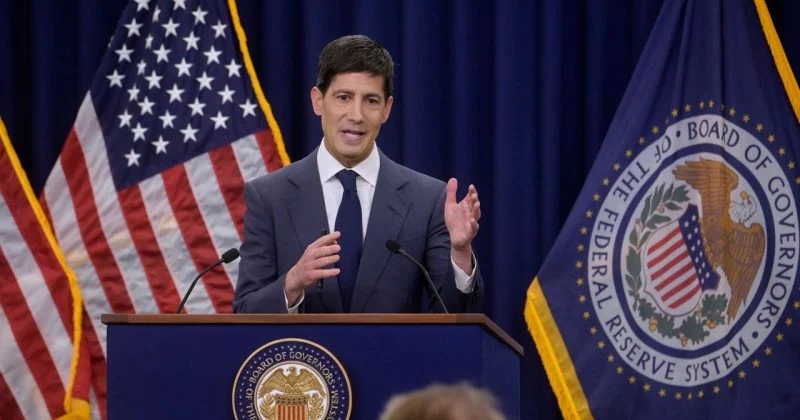
Kevin Warsh, who took over as Fed Chair on June 17, 2026, used his first FOMC meeting to deliver a notably shorter policy statement. The key omission was any forward-looking language about the direction of interest rates, which were held steady at a target range of 3.5-3.75%. For a central bank that has spent the better part of 18 years essentially narrating its next moves in advance, that silence spoke volumes.
The end of the Fed’s open book exam
Forward guidance is the practice of a central bank telling markets what it plans to do before it actually does it. The idea, which took root after the 2008 financial crisis when interest rates hit zero, was that if the Fed couldn’t cut rates any further, it could at least promise to keep them low for a long time. The practice gained serious momentum after the crisis but its intellectual roots stretch back to the 1990s, when the Fed started embracing transparency as a core principle.
Warsh is firmly in the critic camp. His position, distilled to its essence: “more thinking, less talking.” At the July 2026 ECB forum, he declined to preview any future policy decisions, saying policymakers would debate the data internally rather than in public.