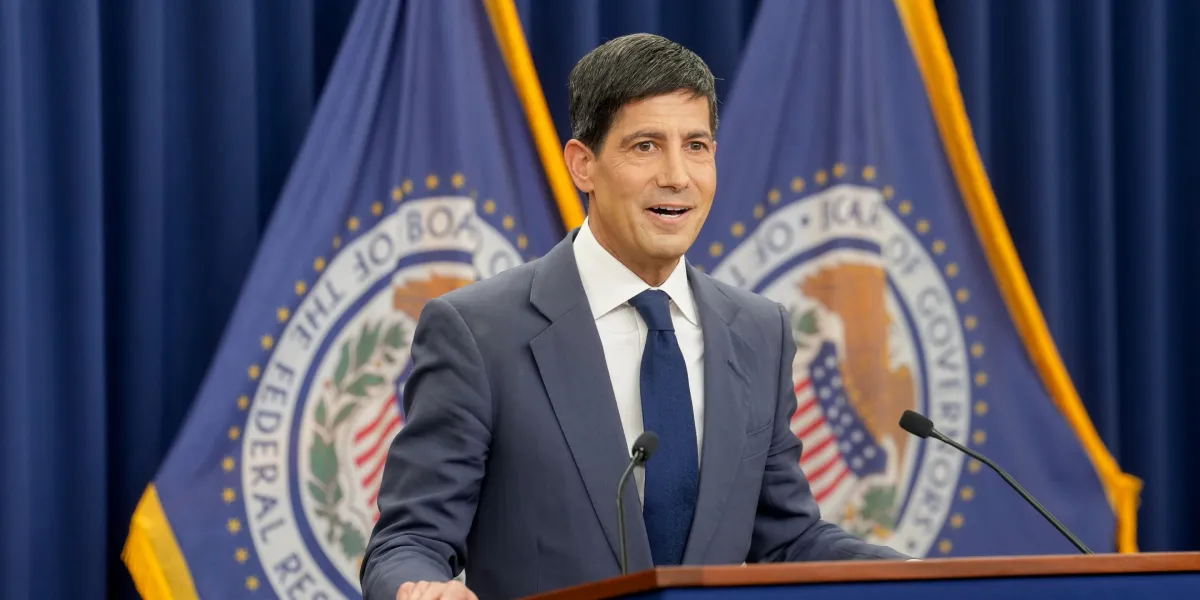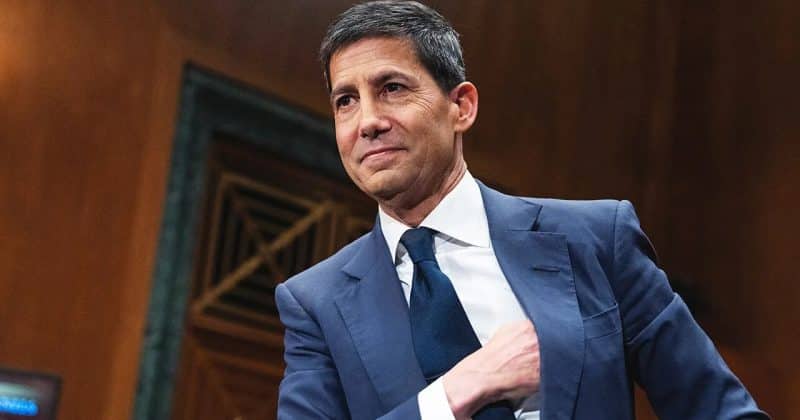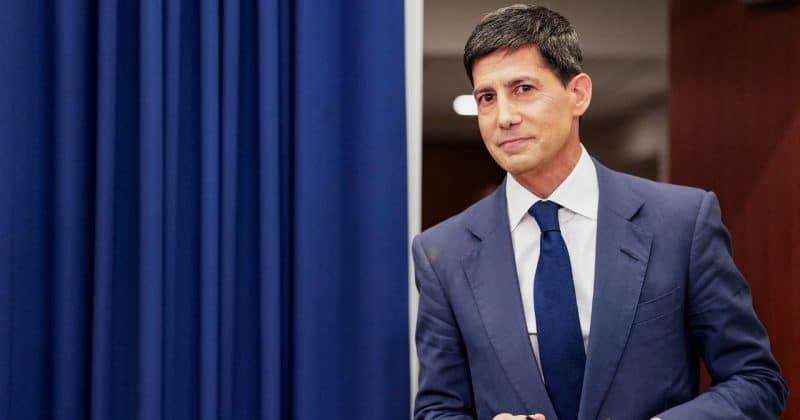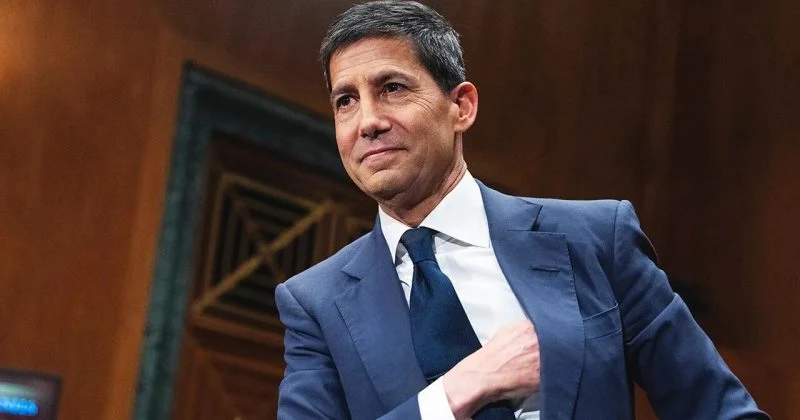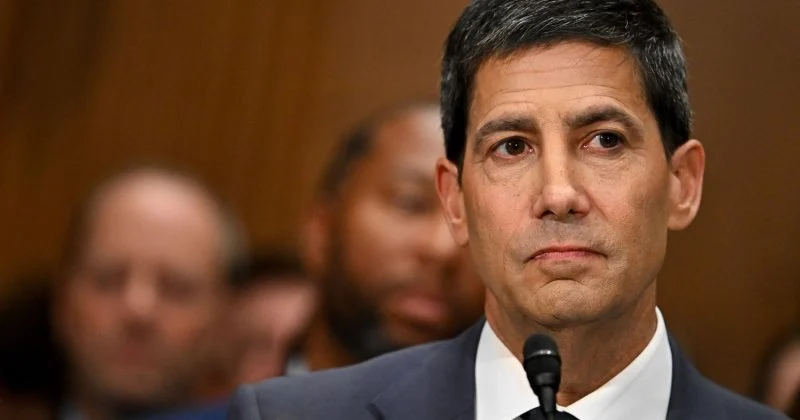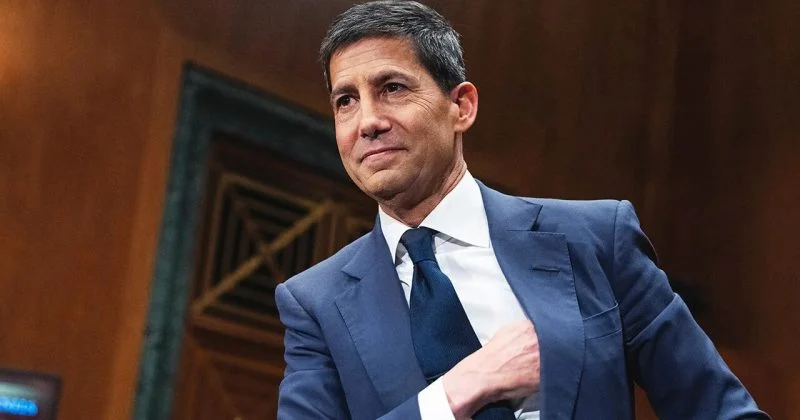
Kevin Warsh takes the chair at the Federal Reserve’s June 16-17 FOMC meeting with a mandate that sounds straightforward: do nothing. Markets are pricing in roughly 99% odds that the Fed holds its benchmark rate at 3.5% to 3.75%.
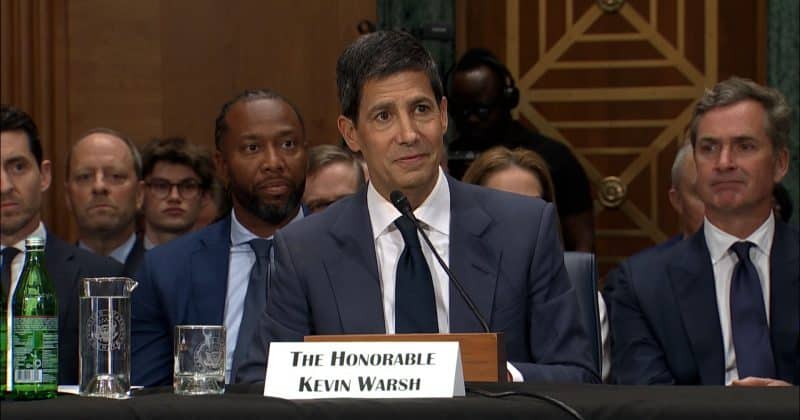
Confirmed as Fed Chair on May 22, 2026, Warsh inherits an inflation problem that makes the “hold” decision feel less like patience and more like a coiled spring. The Consumer Price Index has climbed to 4.2%, its highest reading in three years, and the conversation on Wall Street has quietly shifted from “when do we get rate cuts” to “how many hikes are coming.”
The Warsh era begins with a hawkish backdrop
The dot plot is the chart where each Fed official anonymously projects where they think rates should be at various points in the future. The expectation heading into this meeting is that the dots will shift noticeably hawkish, with analysts anticipating the removal of easing biases that lingered from the prior regime and a meaningful shift in rate-cut expectations through 2027.
Market pricing currently reflects a 66% probability of at least one rate hike before the end of 2026. That’s a dramatic reversal from earlier this year, when easing was still the base case for many investors.