Imagine an animal that began its life centuries before the Roman Empire reached its height and has quietly continued its daily routine ever since.
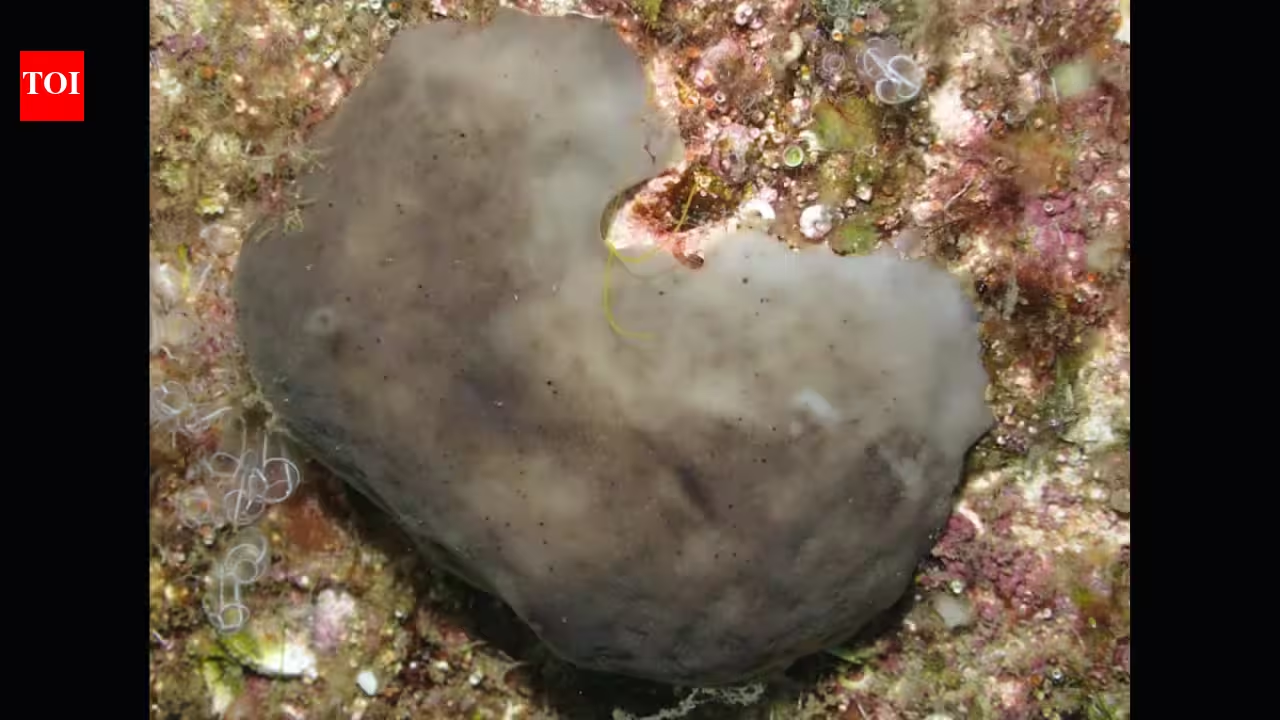
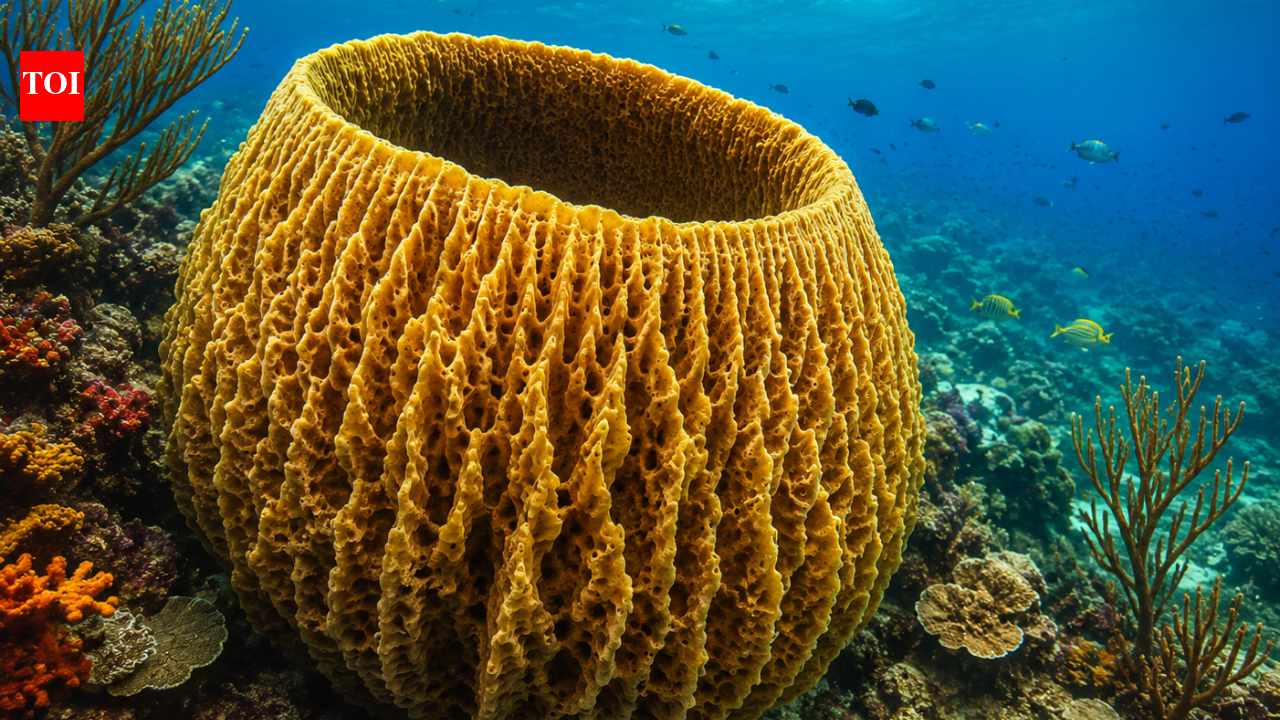
According to recent reports, scientists have identified a giant Caribbean sponge believed to have lived for around 2,300 years, making it one of the oldest animals ever documented.
The sponge is thought to have settled on the seabed as a microscopic larva around the time the Carthaginian general Hannibal had yet to cross the Alps.
If confirmed through further research, the discovery would provide remarkable insight into how some marine organisms can survive for millennia while continuously filtering seawater, supporting coral reef ecosystems and recording changes in Earth's oceans over thousands of years.A living animal that may have witnessed more than two millennia of historySponges are among the oldest groups of multicellular animals on Earth, with fossil evidence suggesting their ancestors appeared more than 600 million years ago.
Unlike most marine creatures, they remain fixed to the seabed throughout their lives, drawing seawater through intricate canal systems to extract microscopic food particles and oxygen.According to research titled ‘Redwood of the reef: growth and age of the giant barrel sponge Xestospongia muta in the Florida Keys,’ the Caribbean specimen is reported to have survived for approximately 2,300 years.