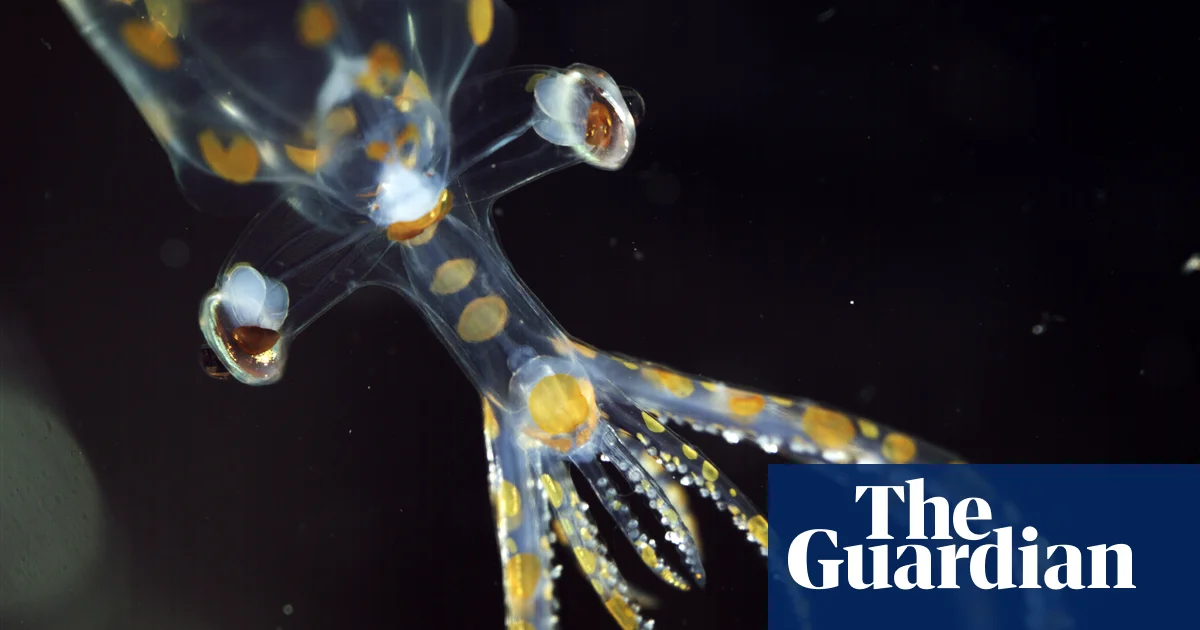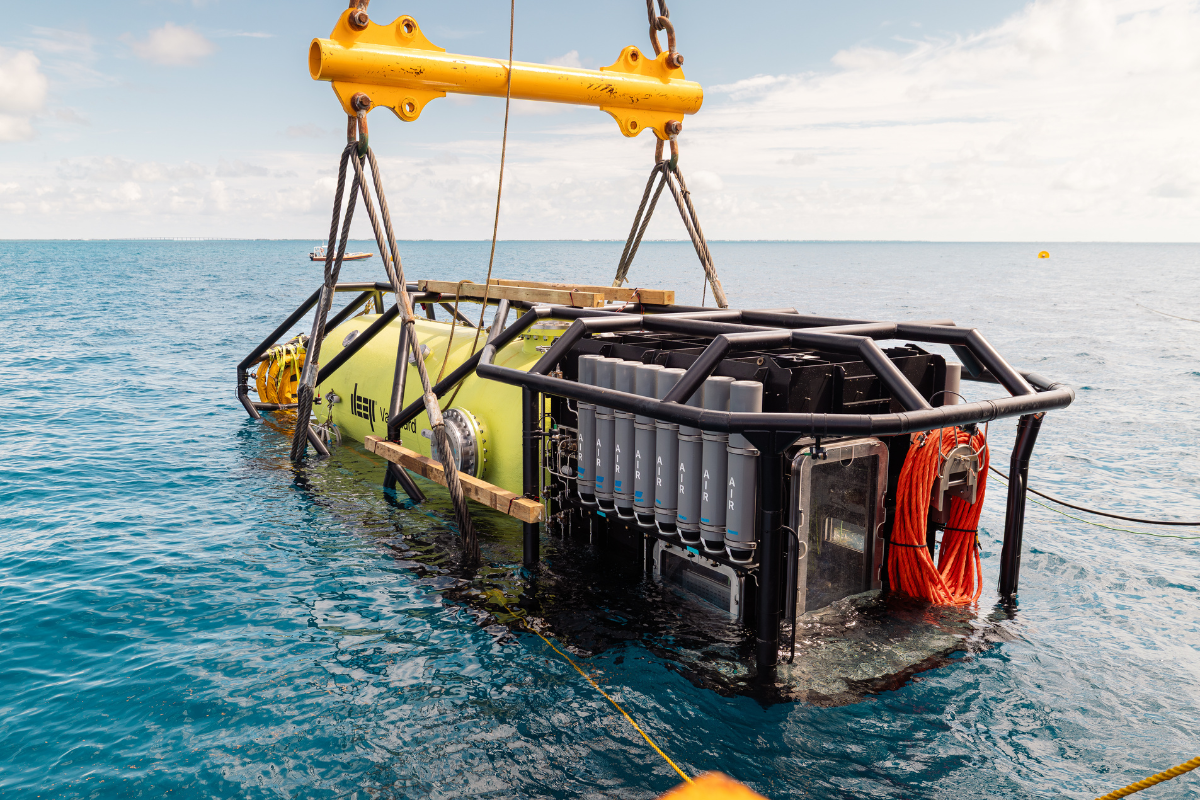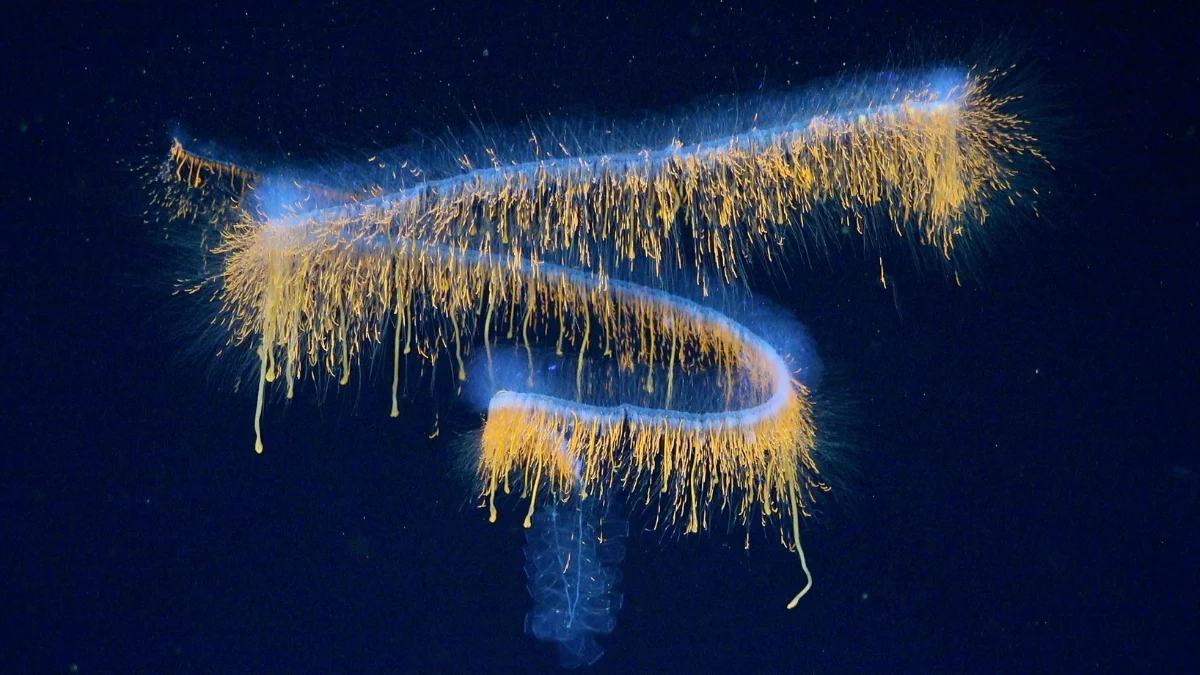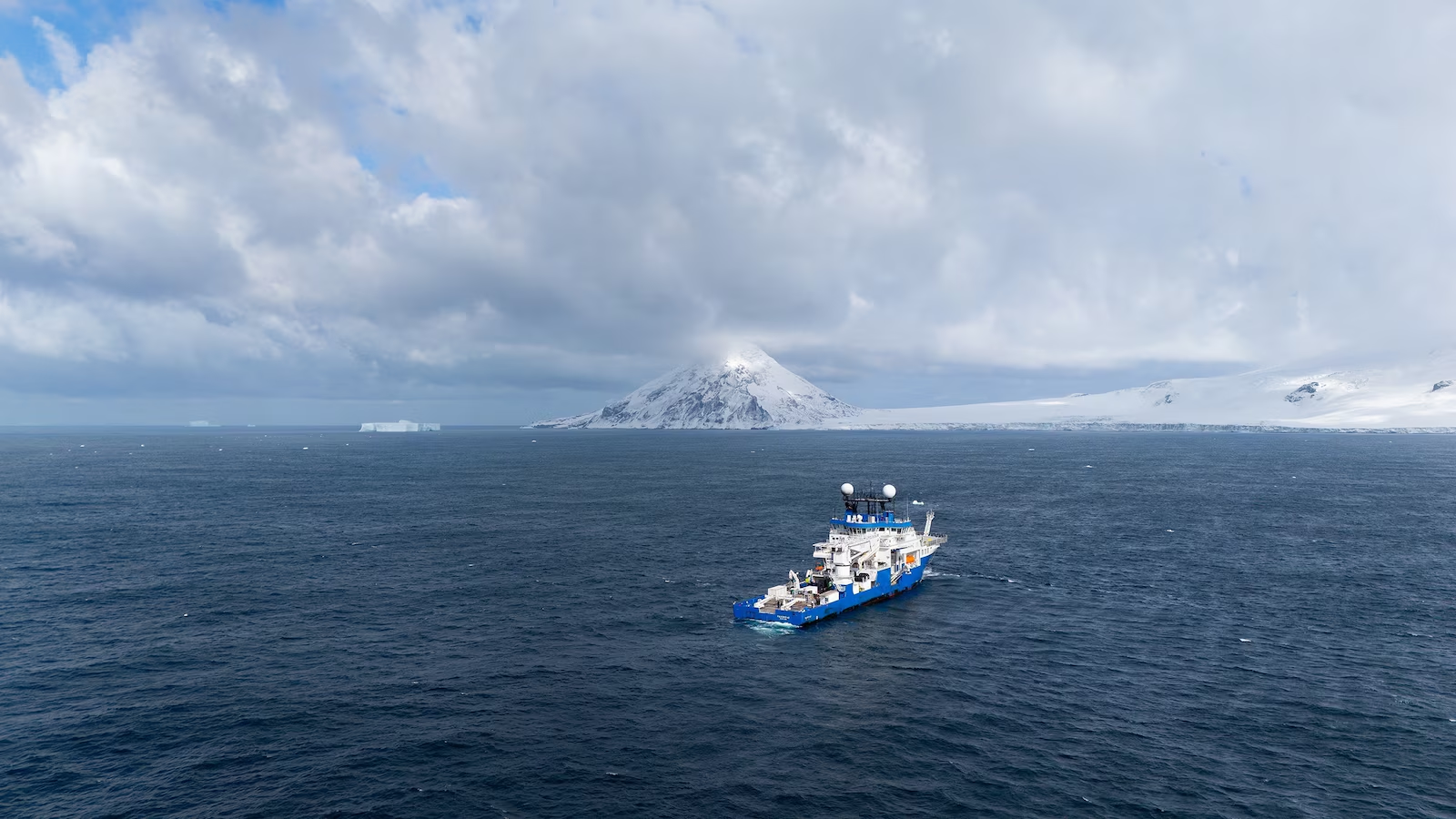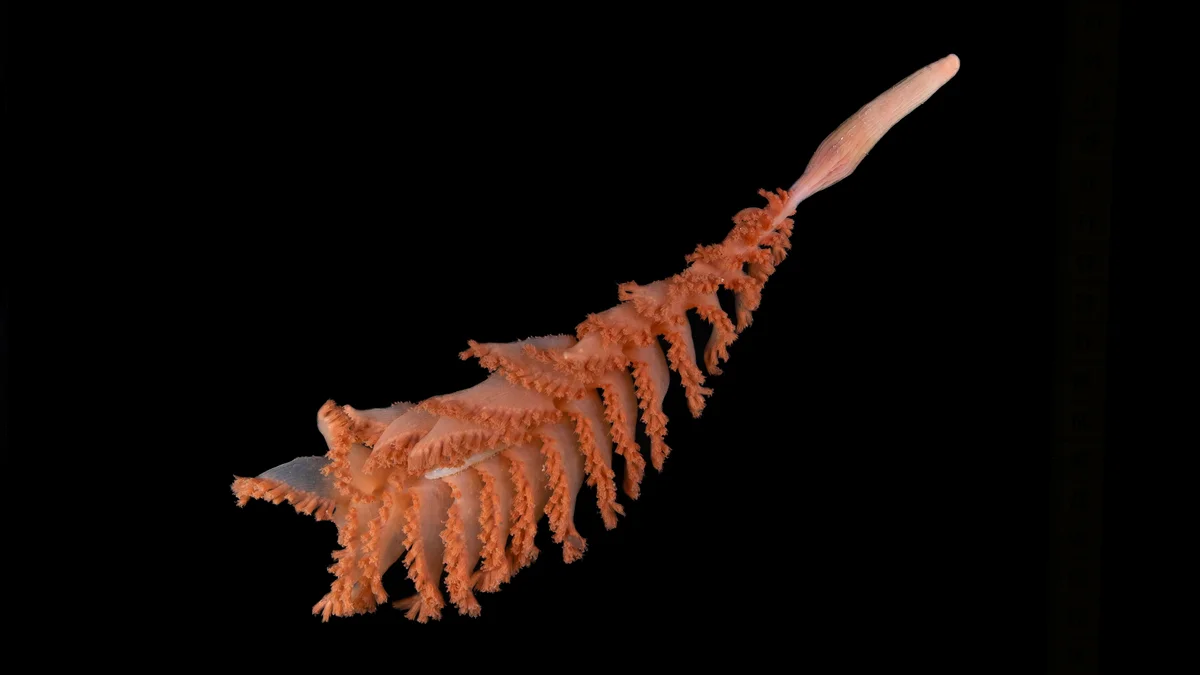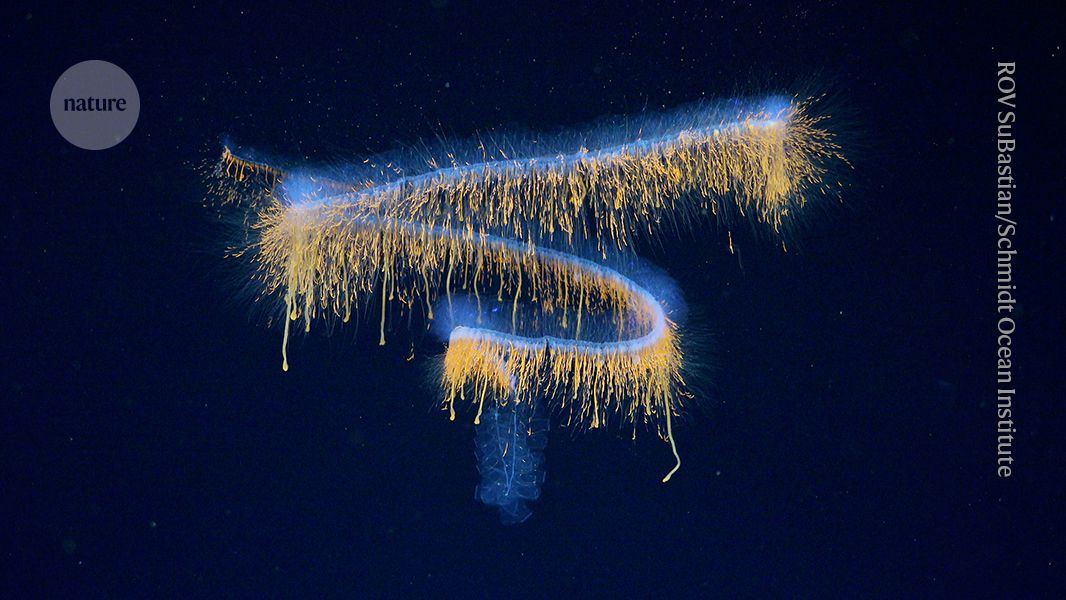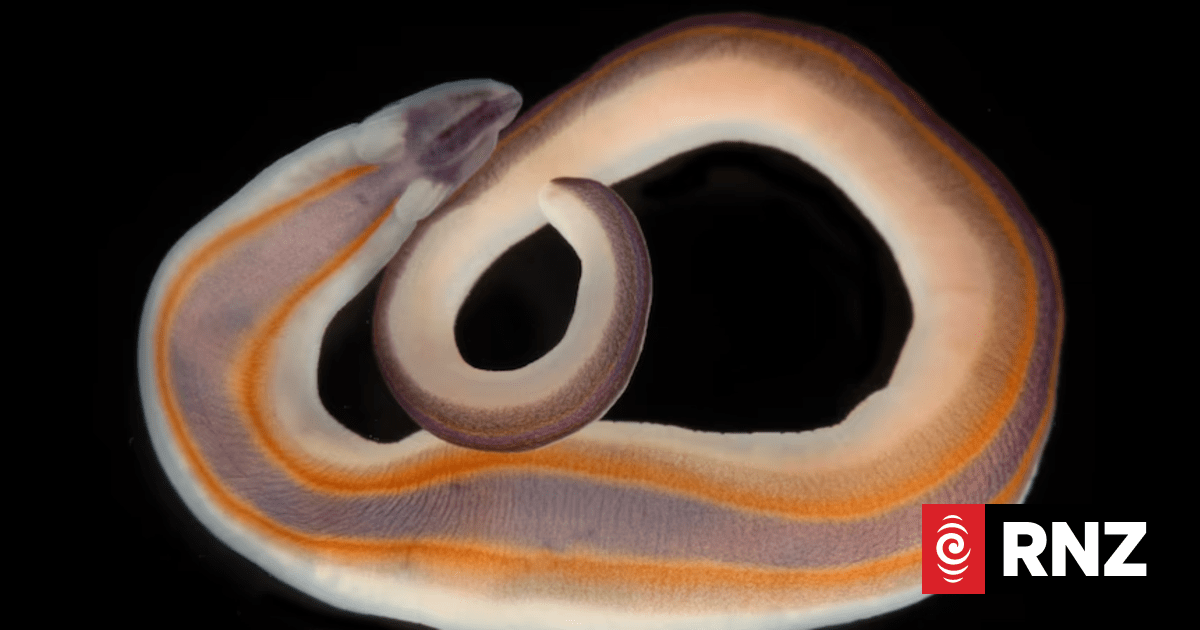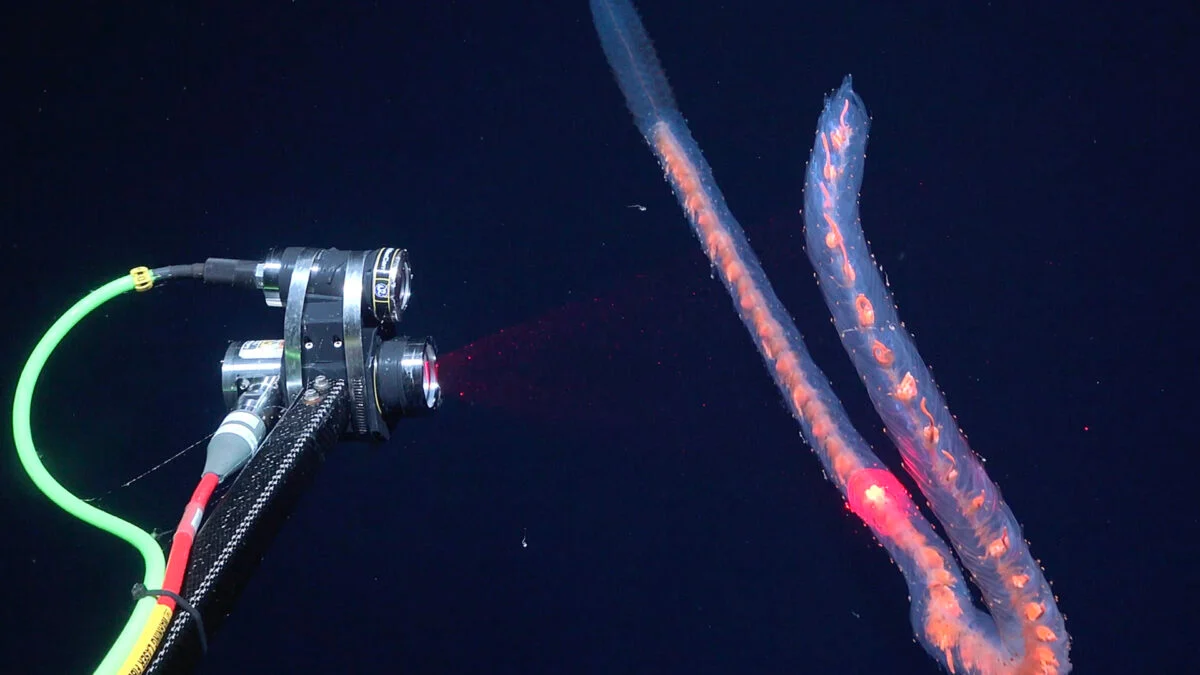
The deceptively bland name for the world’s ocean “midwaters” hides a dark, high-pressure, alien world just below the sea’s sunlit layer, starting over 13,000 feet (roughly 4,000 meters) below the surface. It’s the largest ecosystem on planet Earth—but its many denizens simply aren’t equipped for a journey up to the sea’s low-pressure regions or really anywhere near where scientists could study them up close. Fortunately, a team of marine scientists on the Schmidt Ocean Institute’s research vessel (R/V) Falkor (too) has come to them, discovering a potential record of 31 new species in just two weeks via a new suite of microscopes, deep-sea imagers, and onboard genetic sequencing. According to the institute, the expedition’s researchers managed the first-ever 3D imaging of the internal cellular structures of an organism at sea: documenting how a protist’s microbial architecture leverages its glass skeleton. Among the new species, the team has brought to light a new type of amphipod cousin to crabs and lobsters, an unusually fast-swimming gossamer worm, nine new species of jellyfish, and two gigantic single-celled organisms called rhizarians that can be seen with the naked eye. “The ocean never let up with surprises in every pocket of water that we explored,” as one of the Falkor (too) crew’s lead scientists, molecular biologist John Burns of the Bigelow Laboratory for Ocean Sciences in Maine, said in a statement.
Marine Biologists Discover 31 Potential New Species in Just 2 Weeks at Sea
An advanced research vessel off the coast of Brazil has ID’ed a new cousin to crabs and lobsters, nine new jellyfish, and two gigantic single-celled organisms visible to the naked eye.
670 words~3 min read