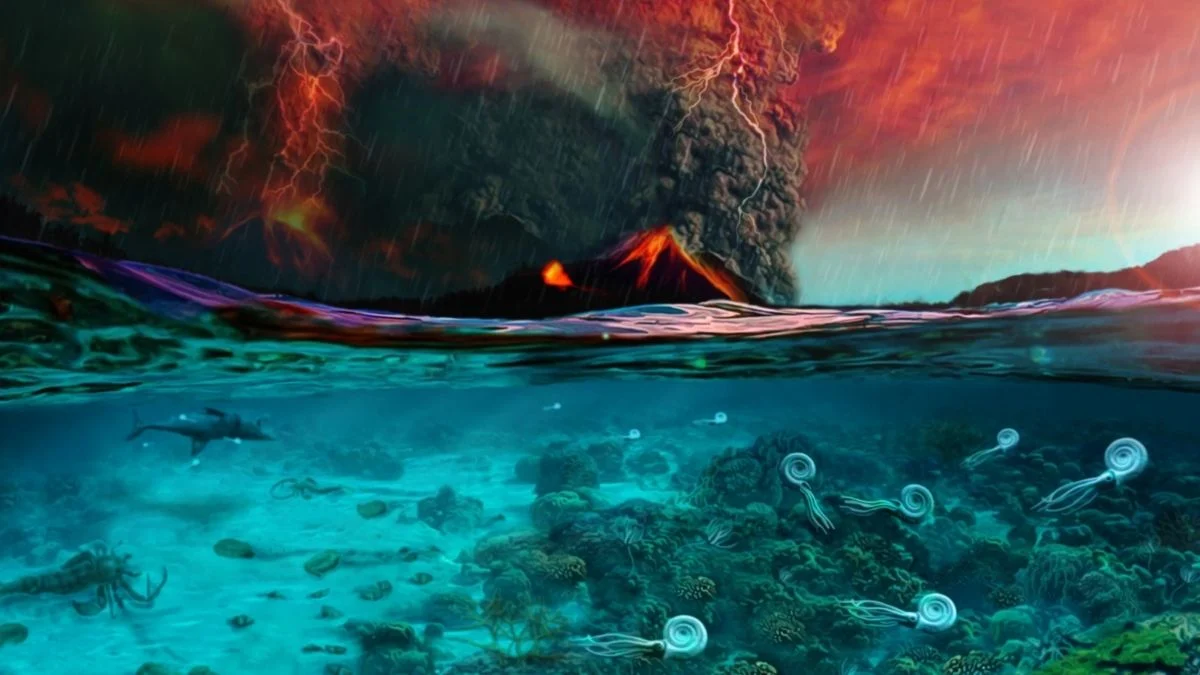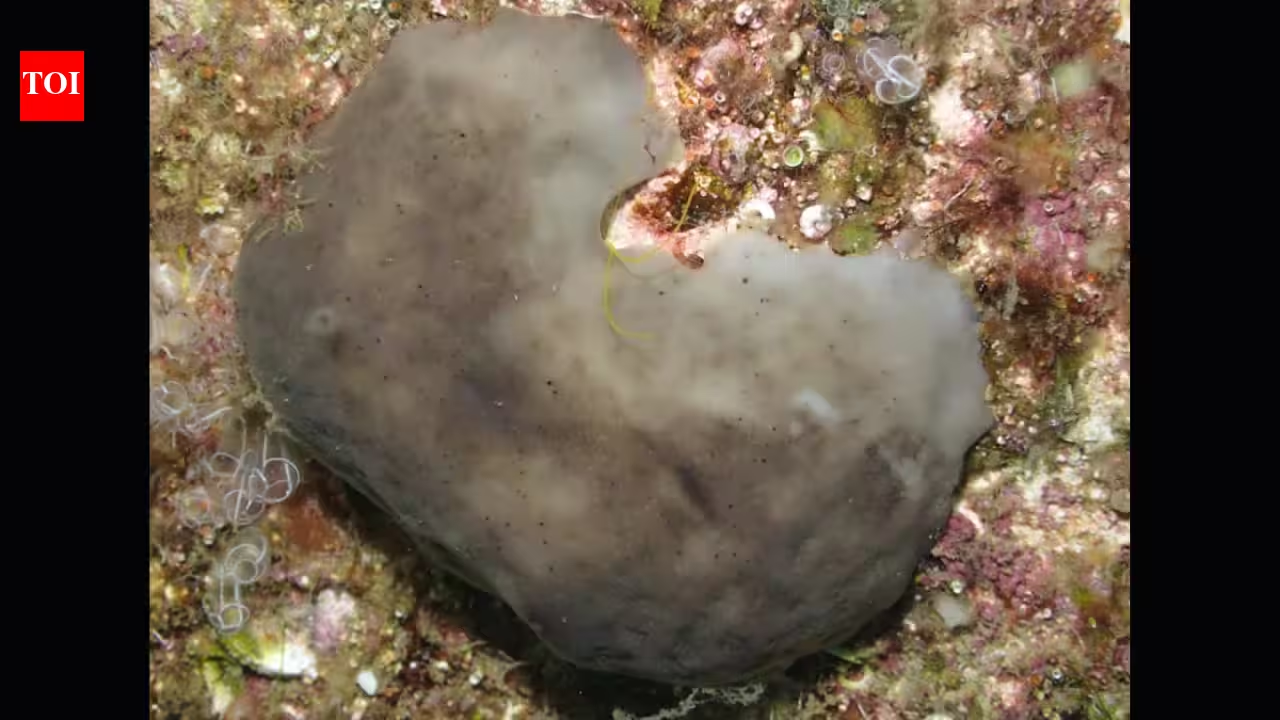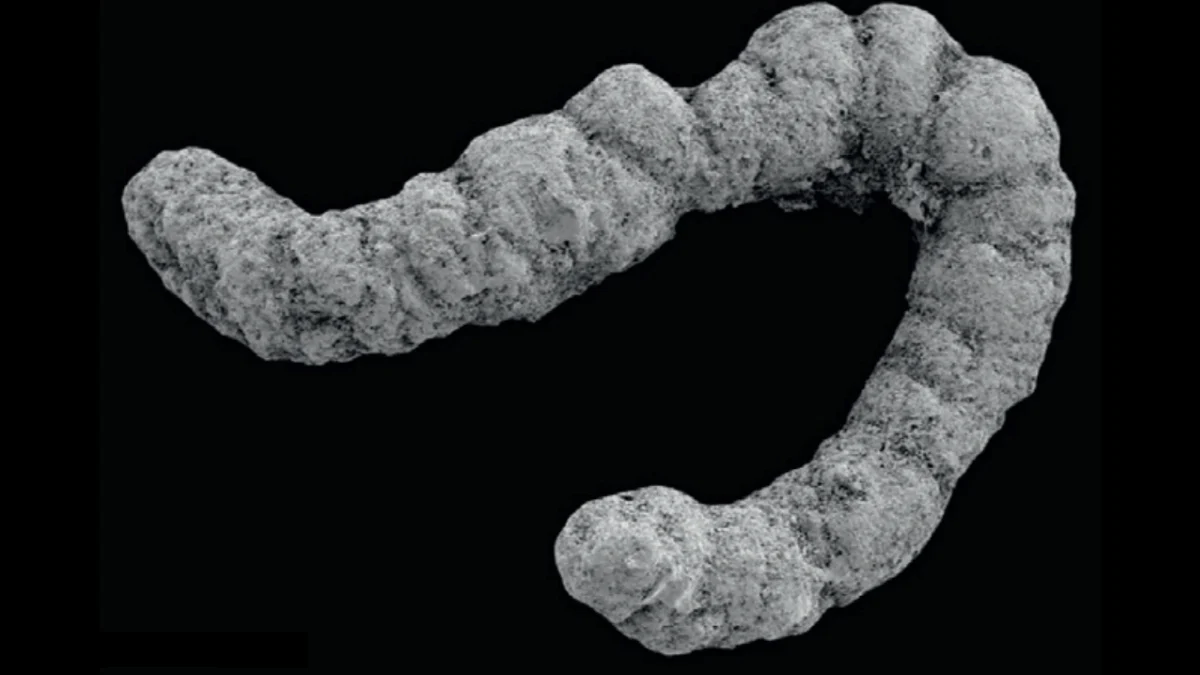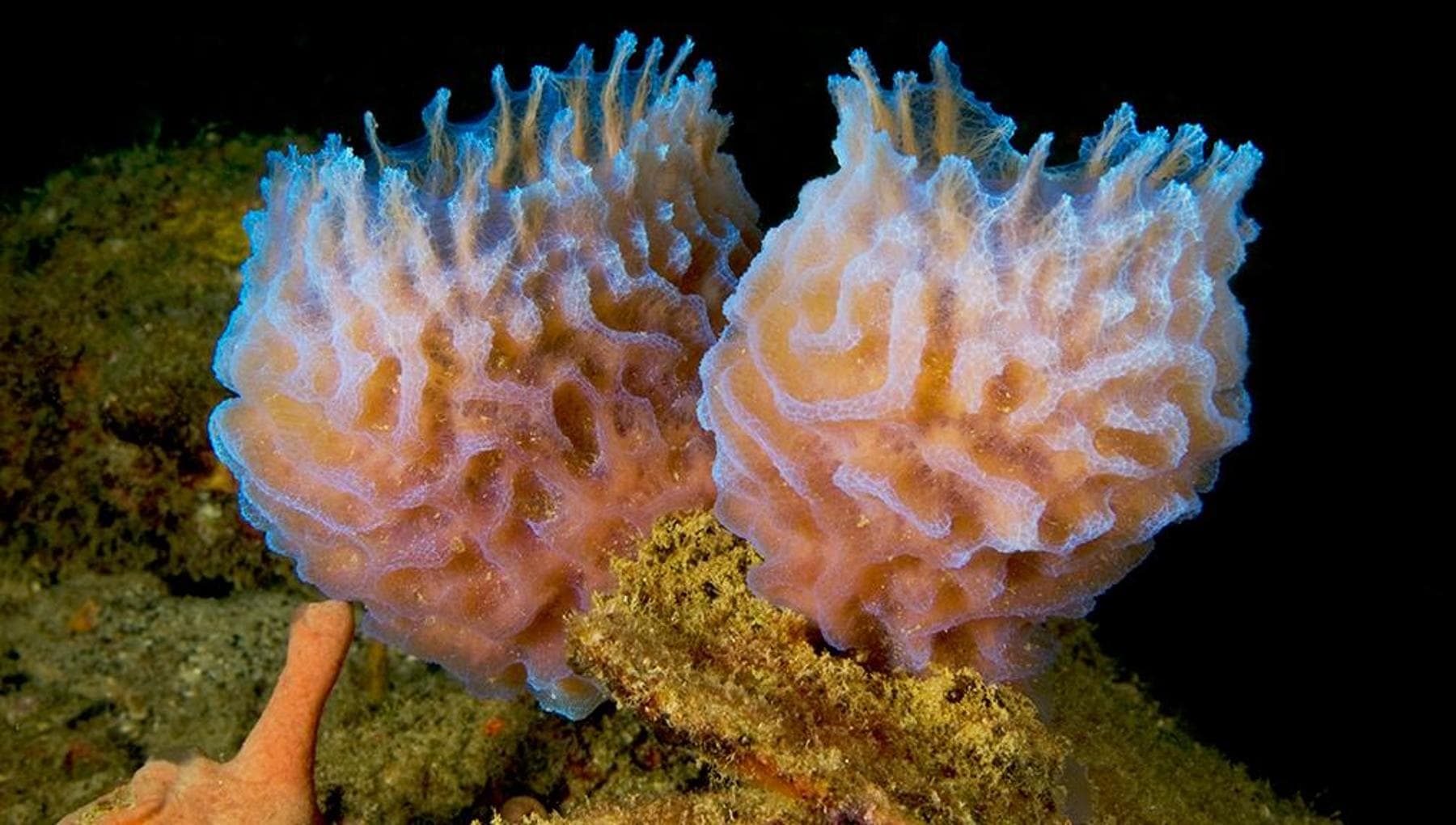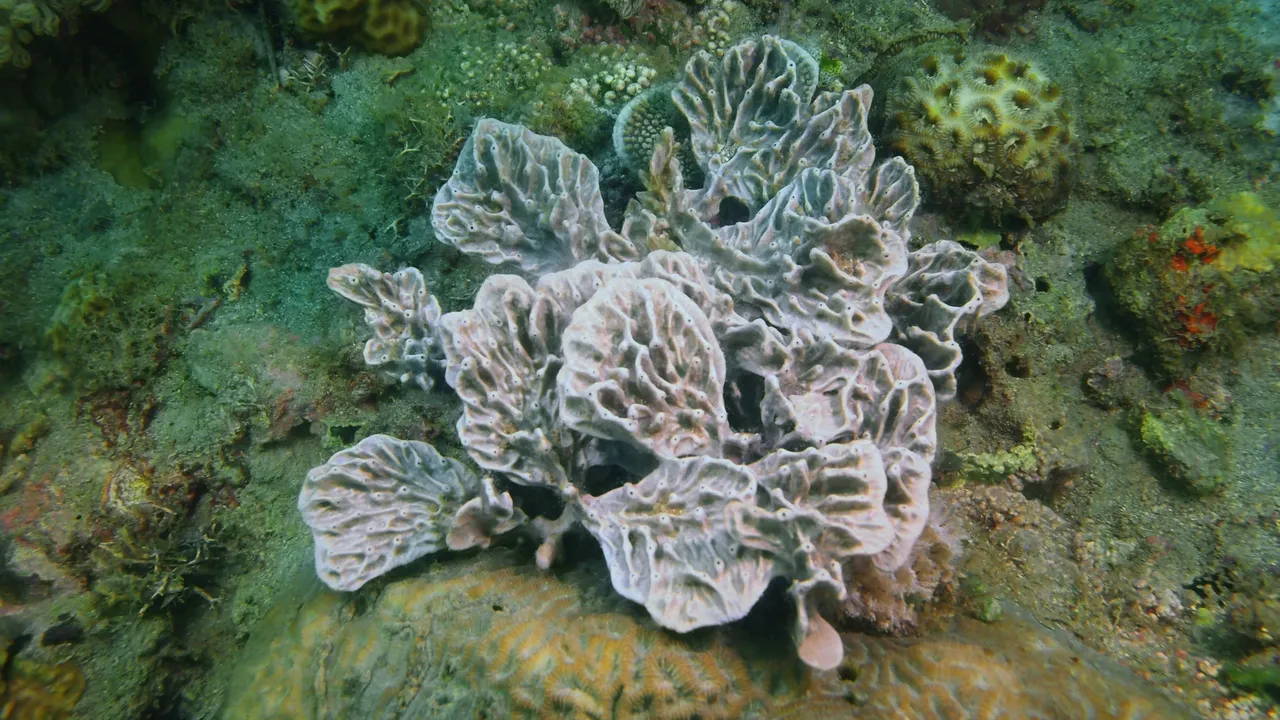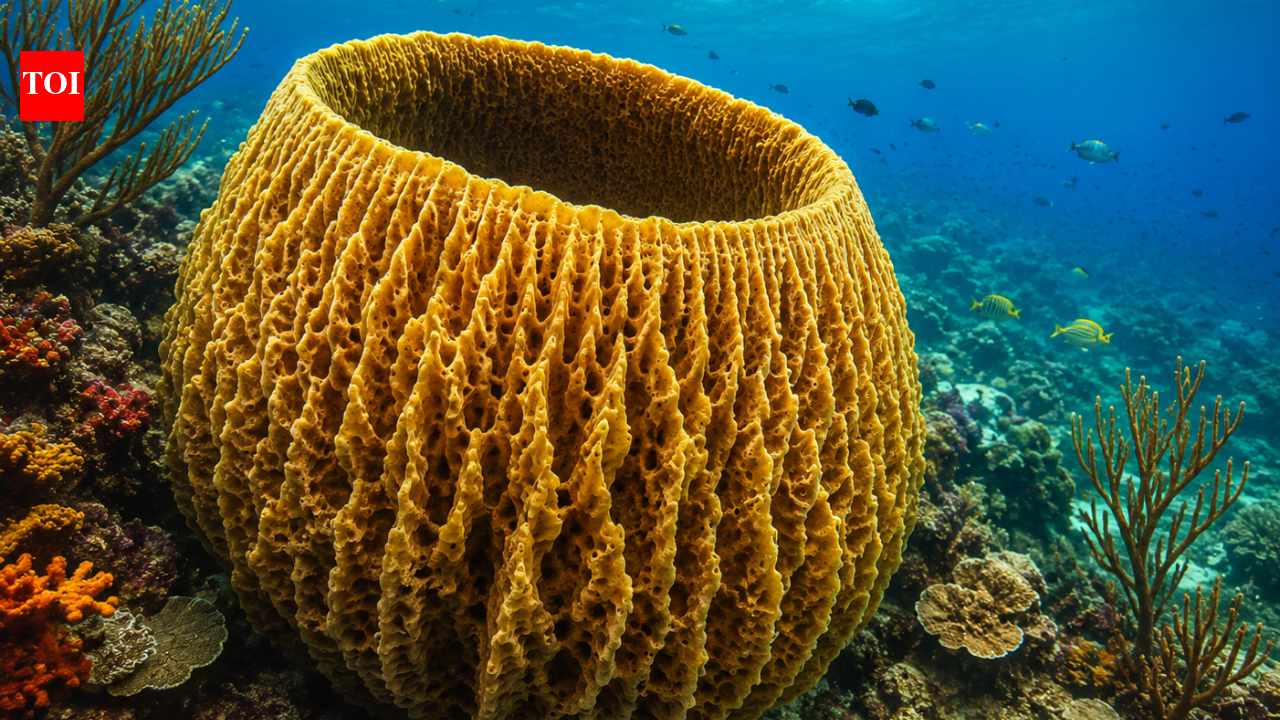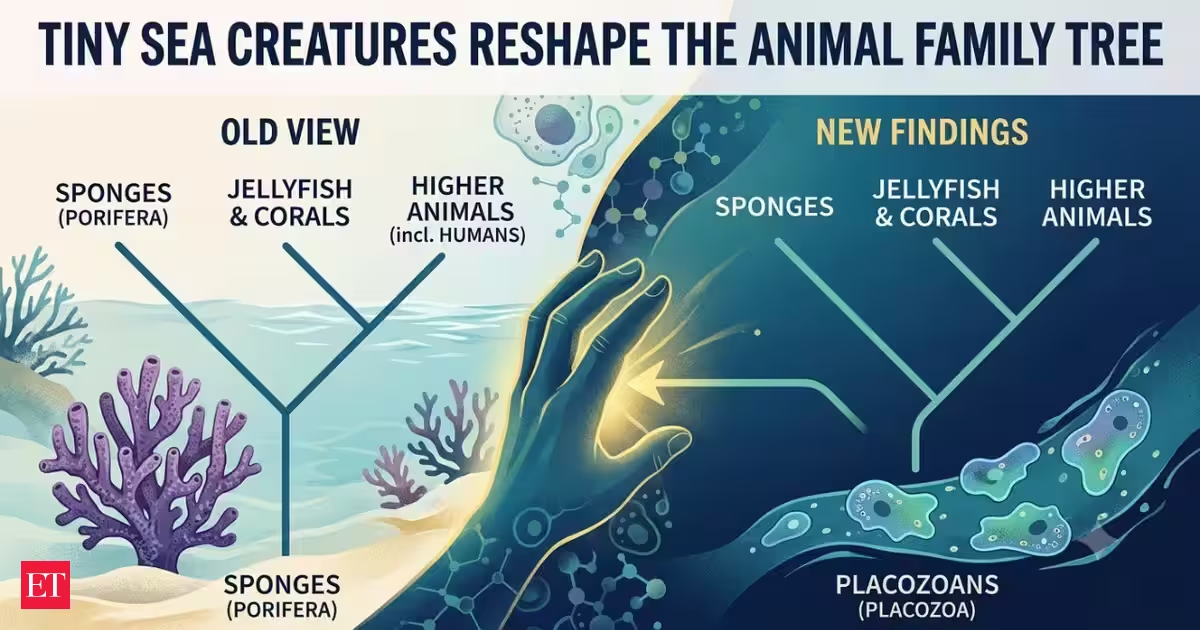
Scientists revealed first animal on Earth: For years, sea sponges were widely regarded by many scientists as the earliest animals to have evolved on Earth. But in 2009, a new analysis challenged that long-held view, suggesting that tiny, amoeba-shaped marine creatures known as placozoans may be even closer to the base of the animal tree of life.The findings suggested these simple multicellular organisms, found on rocks and corals in temperate seas, may sit closer to the base of the animal tree of life than sea sponges, as per a report.Placozoans challenged the long-standing viewSea sponges had long been considered the most primitive living animals and the closest living approximation of Earth's original animal. However, researchers reported that placozoans appear to occupy an even earlier position on the animal tree of life, as per a LiveScience report.Placozoans are simple, sheet-like animals that move by gently undulating across surfaces despite having no muscles. Although little known outside scientific circles, they were first discovered about 100 years earlier growing on the side of a laboratory aquarium in Germany before later being found living in the wild.The analysis also suggested that so-called lower animals, including placozoans, sponges, corals, jellyfish and comb jellies, evolved in parallel with higher animals such as flatworms, insects, mollusks and chordates, the group that includes humans.You Might Also Like:The study raised new questions about evolutionThe proposed evolutionary tree also led researchers to reconsider how nervous systems evolved.Because nervous systems are found in both jellyfish and higher animals, the analysis suggested they may have evolved independently twice during the history of animal evolution.Rob DeSalle, a biologist at the American Museum of Natural History who conducted the analysis with Sergios-Orestis Kolokotronis, said structures that appear similar are not always inherited from a common ancestor, as per the LiveScience report.You Might Also Like:He also noted that placozoans and sponges possess genes associated with nervous systems even though they do not develop them. According to DeSalle, many lower animals other than jellyfish lack nervous systems, but they may still possess rudimentary components that have not yet been identified.Other research also pointed to placozoansAccording to DeSalle, several other recent studies using large datasets had also placed placozoans at the base of the animal tree of life.He said the new analysis was strengthened because it included key species omitted from previous studies, examined a large number of traits and found very strong support for its conclusions.The study was designed by Bernd Schierwater of the Tierärztliche Hochschule Hannover in Germany, with contributions from DeSalle and Kolokotronis. It was published in PLoS Biology.You Might Also Like:Later research strengthened the case for ancient sea spongesLater research revisited the question using chemical fossils preserved in rocks more than 541 million years old.Researchers at MIT reported finding sponge-specific chemical fossils and linked rare sterane molecules preserved in ancient rocks to demosponges, as per a Sciencedaily report. They said the chemical evidence strengthened the case that ancestors of modern sea sponges were among the earliest animals to evolve.The study built on earlier work published in 2009 that identified rare 30-carbon steranes in Precambrian rocks from Oman. The newer research also identified 31-carbon steranes in rocks from Oman, western India and Siberia. By comparing the ancient molecules with compounds produced by living demosponges and laboratory experiments, researchers concluded that the chemical signatures most likely originated from early sponge ancestors, according to the Sciencedaily report.The researchers said the combined evidence from rock chemistry, living sponges and laboratory experiments supports the conclusion that ancestors of demosponges were among Earth's earliest animals. They said they plan to examine rocks from other parts of the world in the hope of determining more precisely when some of the earliest animals first emerged.
In 2009, scientists revealed which animal came first on Earth, and the answer was right at the bottom of the sea
Scientists revealed first animal on Earth: In a groundbreaking study, scientists have suggested that placozoans, simple multicellular organisms, may be the earliest animals to evolve on Earth, challenging the long-held view of sea sponges as the most primitive animals.
614 words~3 min read