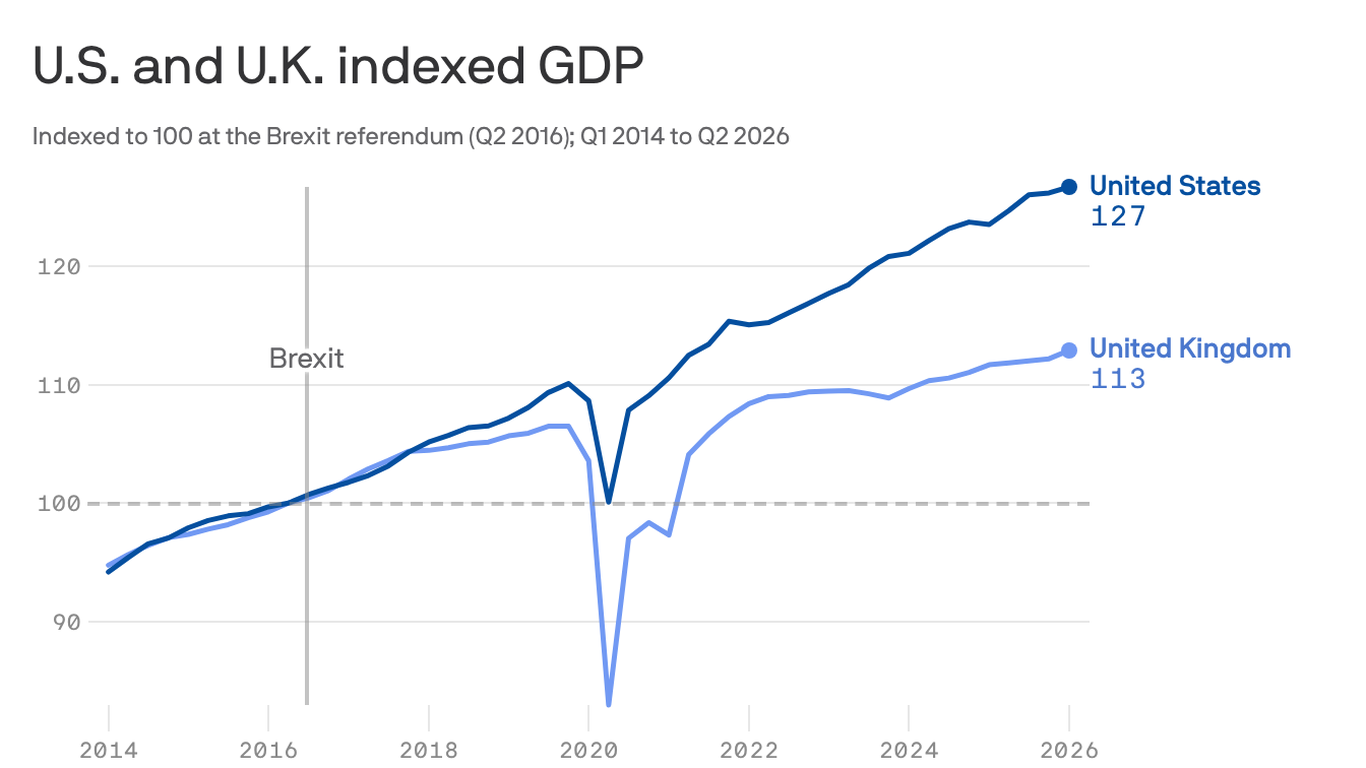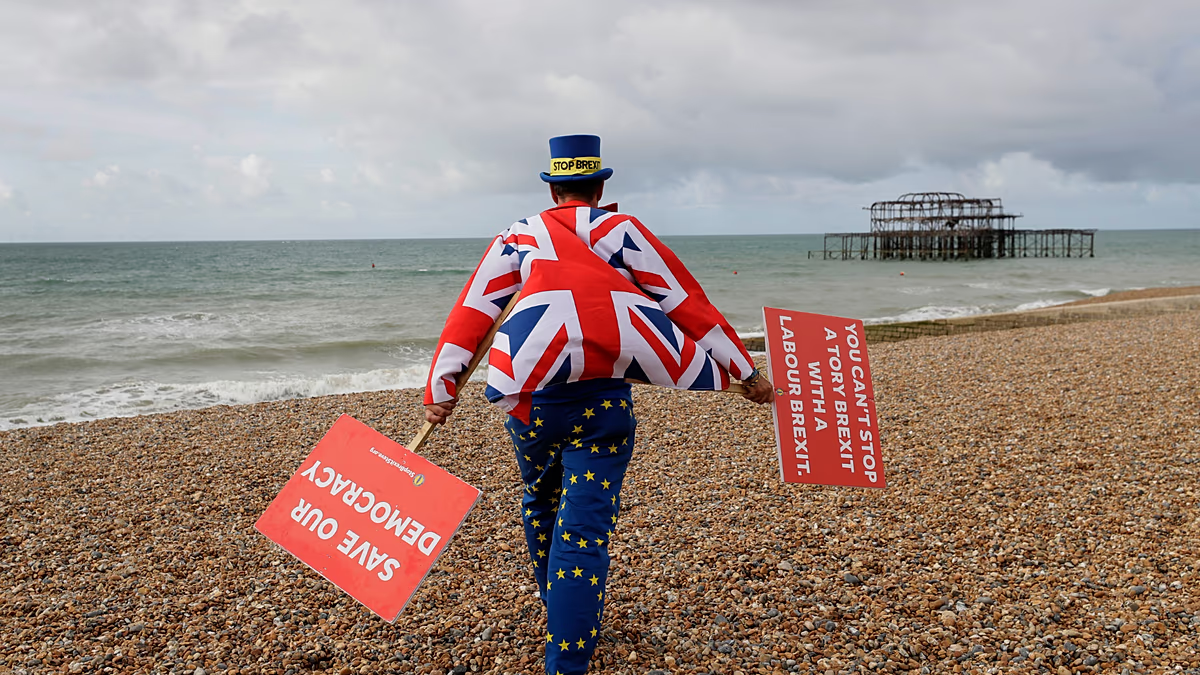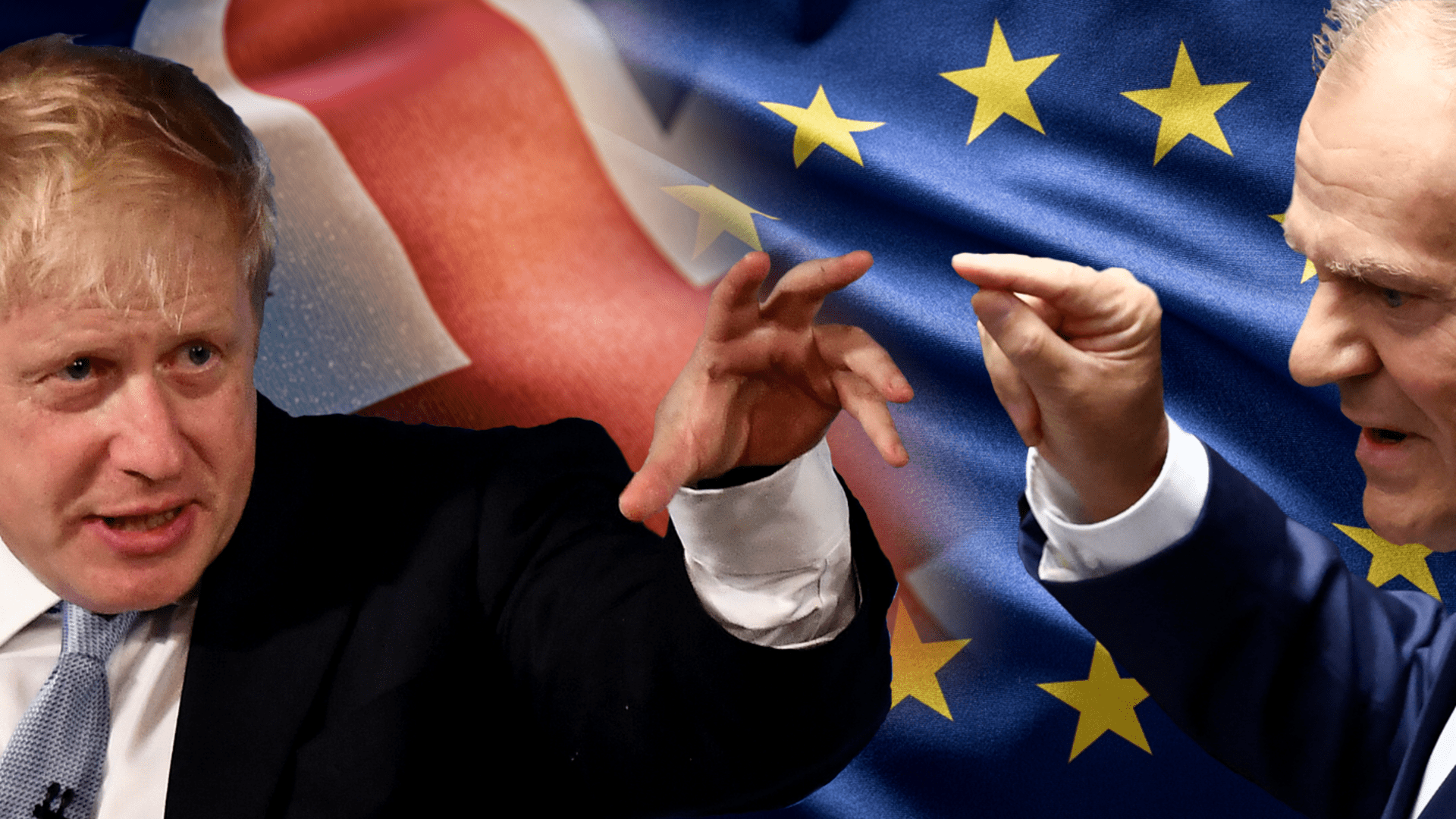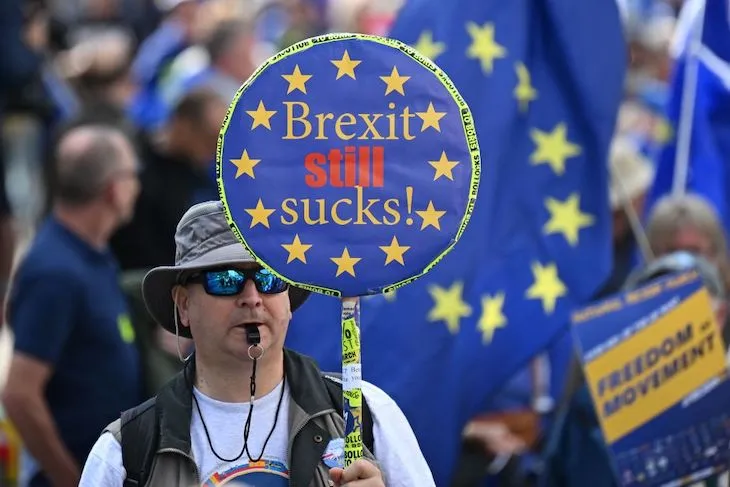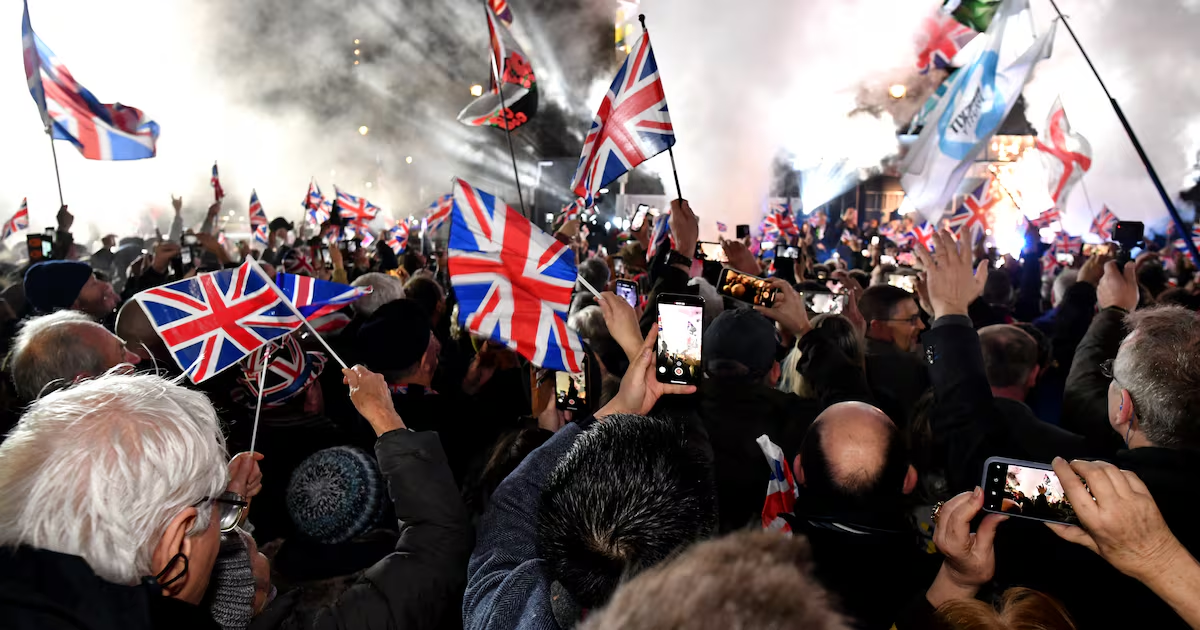
Remember all the dire predictions a decade ago about the damage the Irish economy would suffer as a result of Brexit? Experts queued up to forecast that the State would be hit even harder than the UK by the decision of the British people to leave the EU. But guess what? There was no hit at all. Not alone has the Irish economy boomed over the past decade but trade with the UK has risen steadily. Exports of goods from the Republic to the UK have more than doubled from just under €11 billion at the time of Brexit to €24.5 billion last year.Food and drink exports to the UK, which were widely touted as facing a collapse after Brexit, were worth a record €6.7 billion last year, almost three times their value before the referendum in June 2016, still accounting for 35 per cent of the total. Trade between the Republic and Northern Ireland has also reached record levels, with about €5.5 billion worth going in either direction last year. So why were economics experts so wrong? Was it simply another example of the futility of economic forecasting or were there unforeseen upsides to the referendum decision? To be fair, economists were right about the damage Brexit would do to the UK. One reason they were so wrong was that Irish political leaders and public servants played a blinder in protecting the State’s interests right through the Brexit process. Politicians rarely get much credit from the public for their achievements while they get dogs abuse for all the problems of society.[ Fintan O'Toole: Brexit launched a new era of ‘not even wrong’ politicsOpens in new window ]That is why it is important for our democracy that we do acknowledge political achievement when it happens – so that the corrosive cynicism that led to Brexit in the first place, and the success of Trump in the United States, does not become endemic in this societyEnda Kenny and Leo Varadkar, who led the government through much of the Brexit process, get most of the credit, but the support they got from Michéal Martin as leader of the opposition was vital. And Sinn Féin leader Mary Lou McDonald never sought to undermine the national interest in the way that a whole range of British political figures, from right to left, did to their own government. The inability of so many British politicians to grasp what was at stake during the Brexit process was a shocking indictment of the “mother of parliaments”. The consequences of that dysfunction are still playing out as the UK prepares for its seventh prime minister in 10 years.The backup from the Irish public service team, led by John Callinan in the taoiseach’s office and Rory Montgomery in the Department of Foreign Affairs, was crucial in ensuring that the best possible outcome for Ireland was achieved.[ John FitzGerald: UK government is still paying the cost of BrexitOpens in new window ]Of course the support of our EU partners, particularly German chancellor Angela Merkel, was critical. In all previous stand-offs with the UK, the Republic was a minnow, but in the Brexit talks we had complete solidarity from the rest of the EU and the backing of the formidable commission team led by Michel Barnier.Speaking at the west Cork history festival in 2019, as the talks reached a critical stage, Cambridge historian Brendan Simms confidently predicted that the EU would ditch the State’s interests and do a favourable deal with the more strategically important UK. It is not only economists who get it spectacularly wrong. At the end of the tortuous negotiations in 2019, the government in Dublin succeeded against the odds in its core objectives of avoiding a hard Border on the island of Ireland, the retention of the Common Travel Area with the UK, with the whole island remaining in the EU single market and customs union. The inclusion of Northern Ireland in the EU economic area was the icing on the cake.On the economic front it was critical that when Boris Johnson finally got Brexit done, the final deal avoided a tariff war between the EU and the UK. The Trade and Cooperation Agreement facilitated the continuation of free trade, which was crucial for Ireland. The State also benefited from the fact that the costly customs formalities were not imposed on Irish imports until the end of January 2024, which gave exporters ample time to prepare for the new regime.[ ‘I feel like a museum piece’: Meet the ‘Brexit refugees’ who stayed working in EU institutions after UK leftOpens in new window ]A key element of the positive outcome has been the resilience of the Irish economy. Not only was it able to survive the Brexit disruption but it coped with the trauma of Covid thanks to the prudent handling of the public finances by Paschal Donohoe and Michael McGrath.Of course there were negative consequences too. Brexit was a large setback for Irish–British relations which had improved beyond all recognition in the decades before 2016. Things improved significantly in the Starmer era and there are grounds for confidence that the warming in the relationship will continue when Andy Burnham becomes prime minister.The benign outcome of Brexit for Ireland shows that predicting the future is a mug’s game. What the next decade will hold is anybody’s guess.
Stephen Collins: Why did economists get the impact of Brexit on Ireland so wrong?
The consequences are still playing out in the UK, as it prepares for its seventh prime minister in ten years. Yet Ireland is thriving
889 words~4 min read