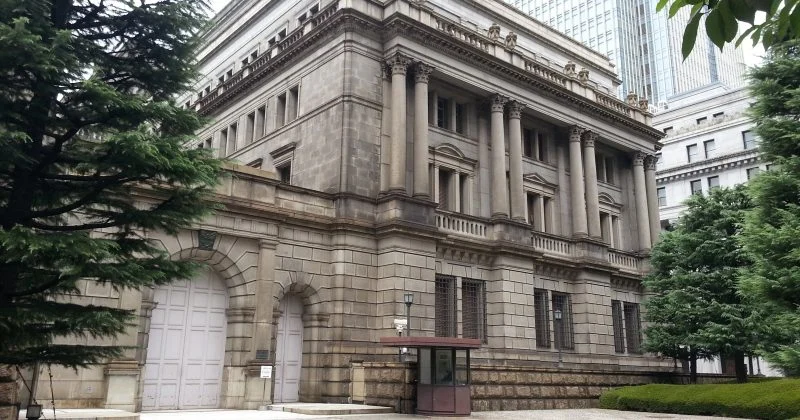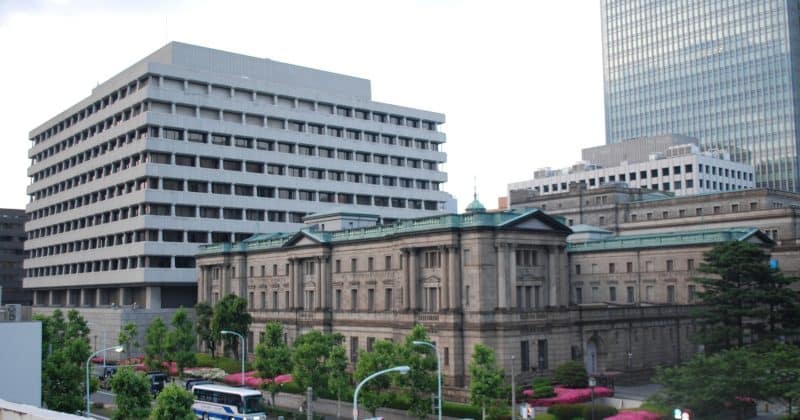
The Bank of Japan just raised interest rates to their highest level since 1995. And it’s not done yet.
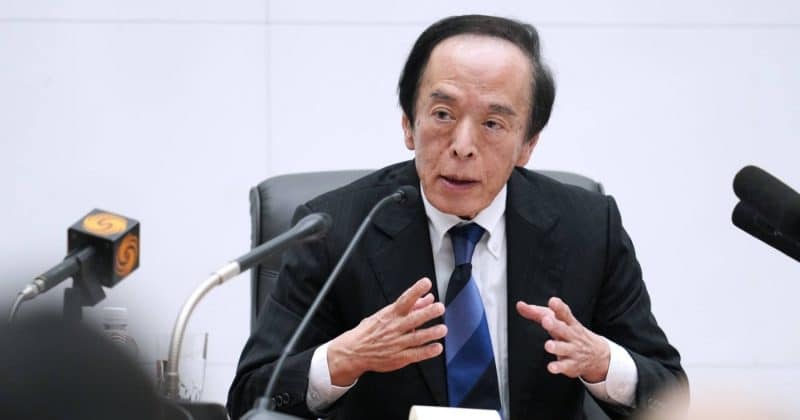
The BOJ hiked its short-term policy rate to 1% during its June 15-16 meeting, a move driven by persistent inflation risks that have been building across the Japanese economy. Now, a summary of opinions from that meeting, released June 24, reveals that some policymakers are pushing for even faster rate increases, with a potential hike to 1.25% before the end of 2026.
The inflation picture is more complicated than it looks
Tokyo’s core consumer price index rose 1.3% year-over-year in May 2026. That’s actually down from 1.5% in April, and it marks the fourth consecutive month that the reading has come in below the BOJ’s 2% target.
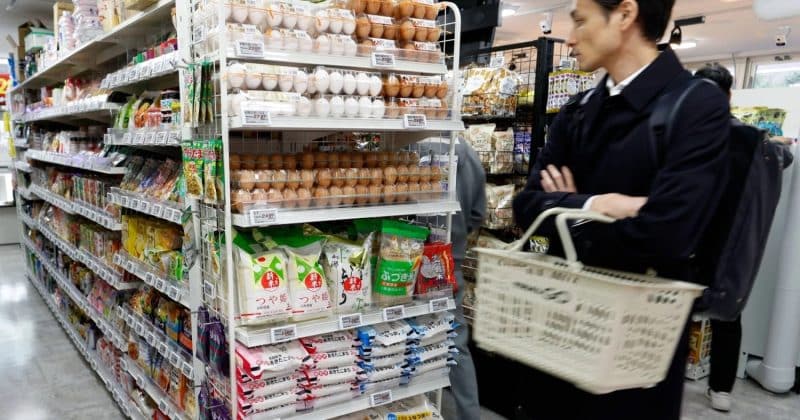
But wholesale prices tell a very different story. Japan’s wholesale inflation surged to 6.3% in May, hitting a three-year high. The primary culprit is energy costs, which have been climbing amid the ongoing conflict between the US and Iran. Those upstream price pressures haven’t fully filtered into consumer prices yet, but the gap between wholesale and retail inflation is the kind of thing that keeps central bankers up at night.