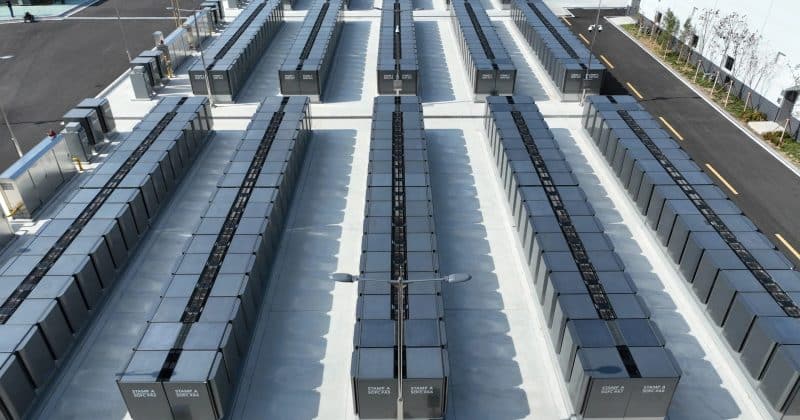
The fuel cell market is about to have its moment. Rystad Energy projects revenues in the sector will surge from roughly $2.8 billion in 2025 to approximately $30 billion by 2030, a near-tenfold increase driven almost entirely by one thing: AI data centers need power, and the grid can’t deliver it fast enough.
The grid problem nobody can fix fast enough
US grid interconnection timelines have tripled since 2015. What used to take a year or two now averages three to six years. On-site fuel cells, which generate electricity directly at the data center, are emerging as the preferred workaround. Rystad estimates that about 40% of projected 2030 US data center capacity may rely on dedicated on-site power solutions.
The contracted order book already totals approximately 9 GW, with a projected cumulative demand of 10.4 GW in data center fuel cells from 2026 to 2030. Companies like Oracle, AEP, Equinix, and Brookfield have signed agreements contributing to that pipeline.
North America is expected to dominate, accounting for 91% of global on-site fuel cell capacity. The reasons are straightforward: interconnection delays are worst in the US, federal tax incentives sweeten the economics, and the supply chain for fuel cell components is more developed domestically than in most regions.