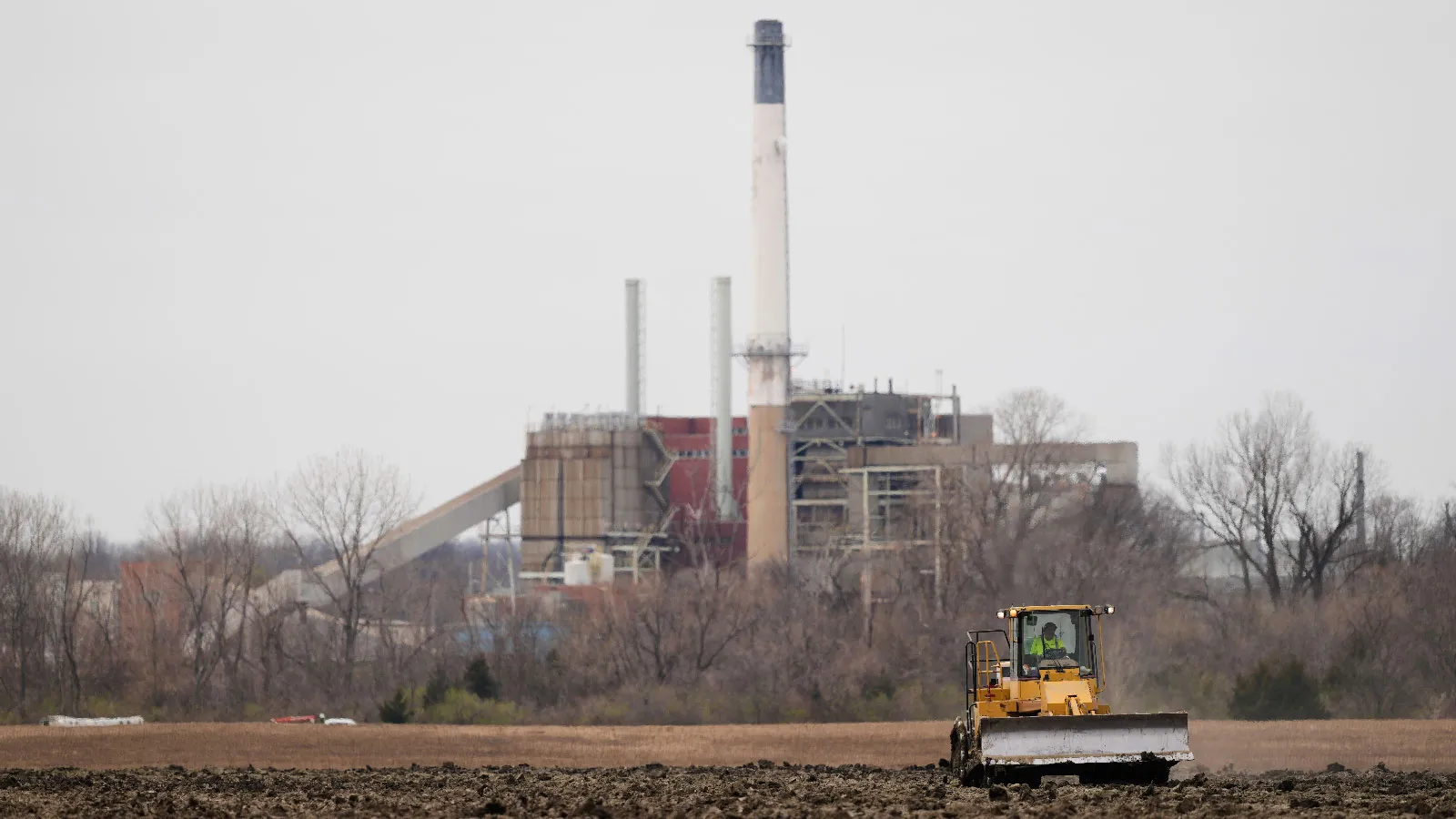
For years, the American power grid was a bastion of predictable stability. Throughout the 2010s, U.S. electricity demand remained flat as efficiency gains and declines in energy-intensive sectors such as manufacturing helped obscure the dawning digital age.
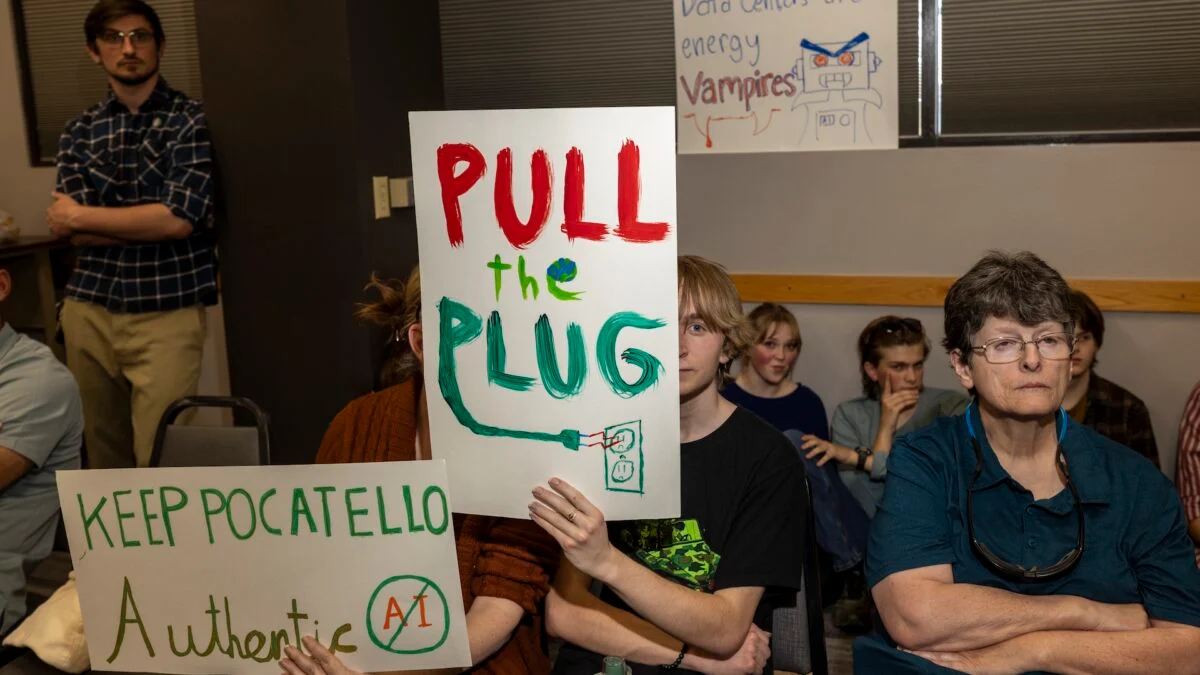
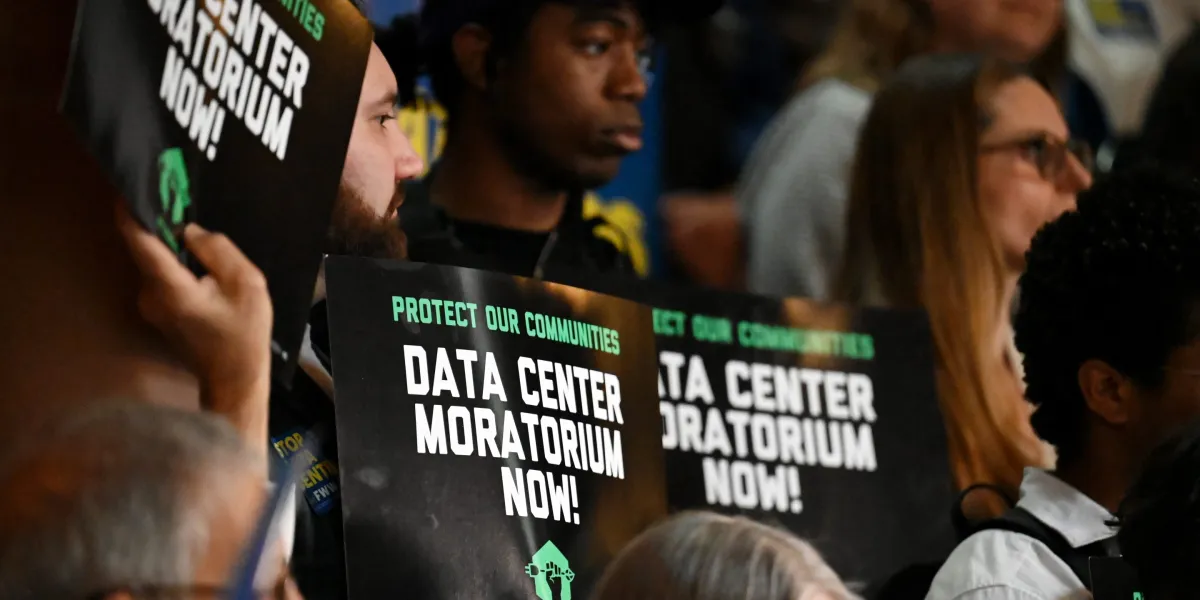
But the power grid as it once was might be no match for the technological demands of the 2020s. Retail electricity prices have soared in recent years, an increase fast outpacing inflation over the same period, in part due to the rising power costs associated with the artificial intelligence-driven infrastructure boom. Electricity costs have been one of the factors fueling the recent nosedive AI has taken in public polling, and a new study suggests residential utility pain tied to the technology needs of this decade might be just getting started.
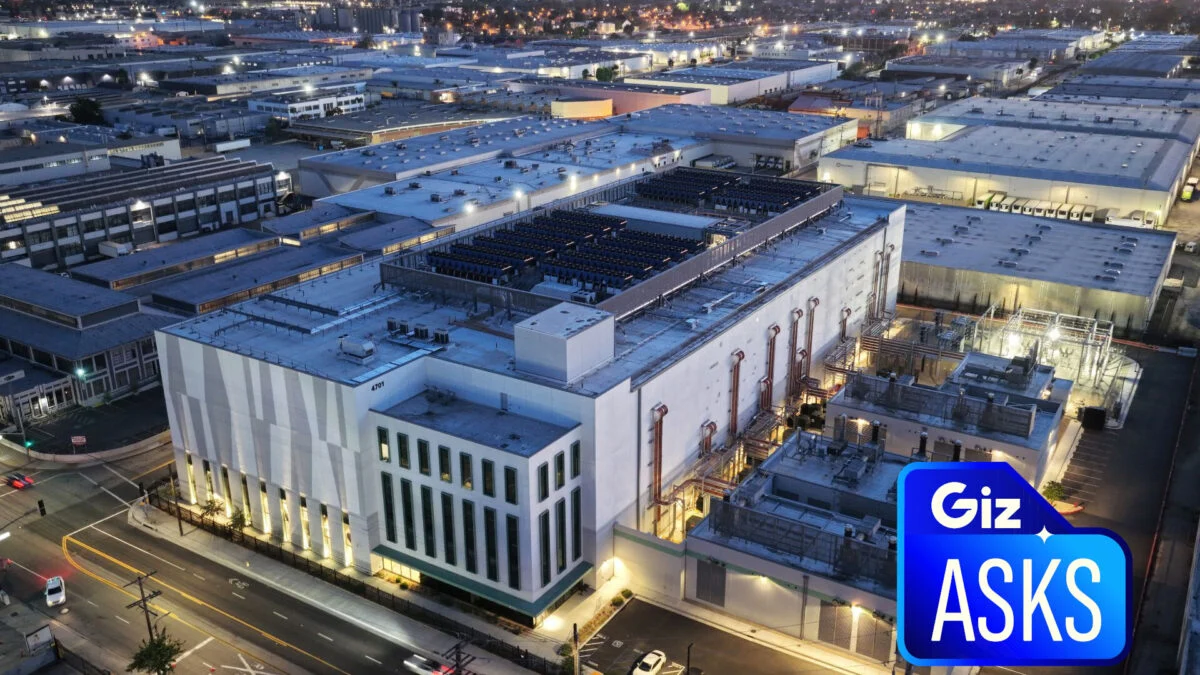
Between 2018 and 2023, the share represented by data centers in total U.S. electricity use rose from 1.9% to 4.4%, according to a study published last week in the journal Environmental Research Letters.
By the end of the decade, the national average wholesale electricity cost could rise between 6% and 29%, according to the study, which modeled several different energy use scenarios based on existing power demand forecasts. This increase in utility prices is primarily tied to data center expansion, with cryptocurrency mining also included in the modeling of higher costs.