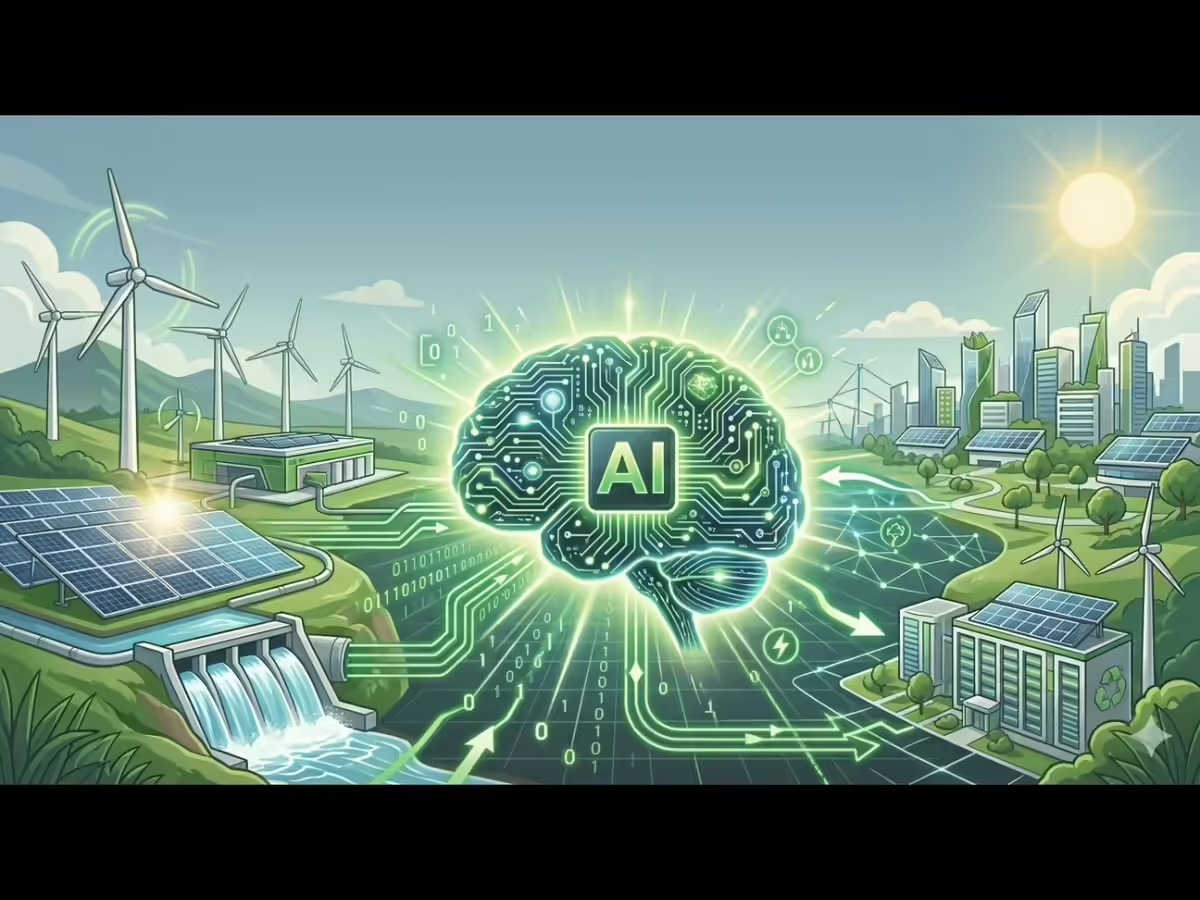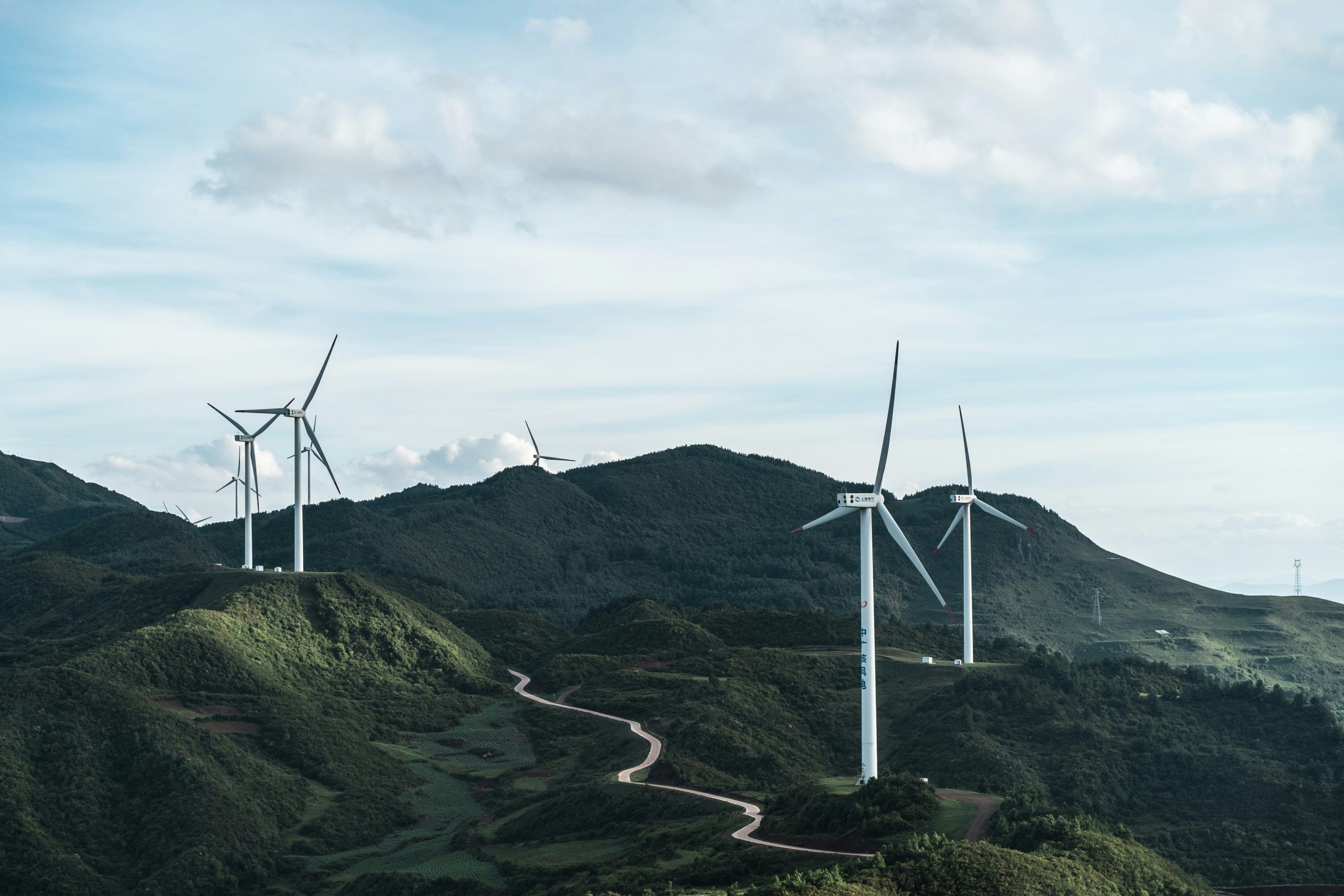
The cleanest way to power a data centre is also the least predictable. The sun sets, the wind drops, and a server hall full of AI accelerators does not care: it wants the same steady draw at three in the morning that it wanted at noon.
That mismatch is the problem now sitting between China’s climate ambitions and its computing ambitions, and according to industry experts cited by Reuters, it is proving harder to solve than the targets imply.
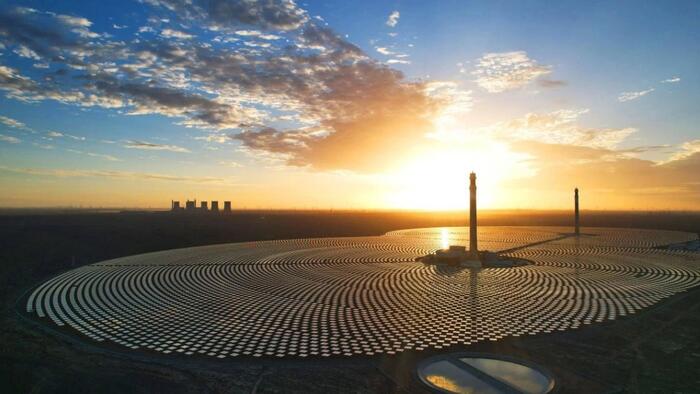
Beijing has made the goal explicit. Authorities want renewables to supply roughly four-fifths of the AI data-centre sector’s total power consumption by 2030, a steep climb from around 11 per cent in 2023.
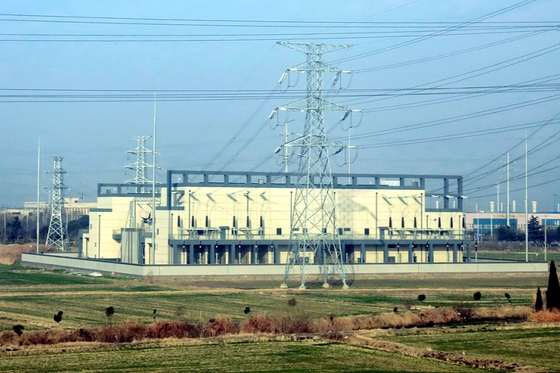
The country’s 2026 government work report named tighter integration between computing infrastructure and the power supply as a priority, and a green-data-centre action plan requires new projects in the national computing hubs to source most of their electricity from clean sources. On paper, the direction is set.
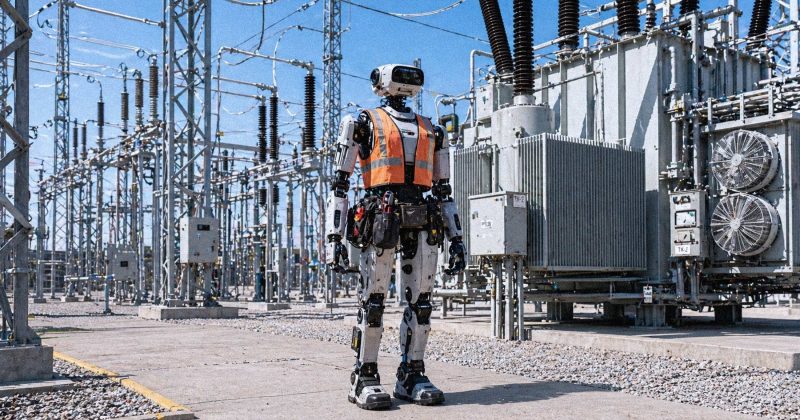
The 💜 of EU techThe latest rumblings from the EU tech scene, a story from our wise ol' founder Boris, and some questionable AI art. It's free, every week, in your inbox. Sign up now!The hurdles are practical rather than political. Forecasting peak demand from AI clusters is genuinely difficult, because the load profile of a training run looks nothing like the steady hum of a traditional data centre, and grid operators are wary of taking on the added risk of balancing intermittent supply against a customer that cannot tolerate interruption.