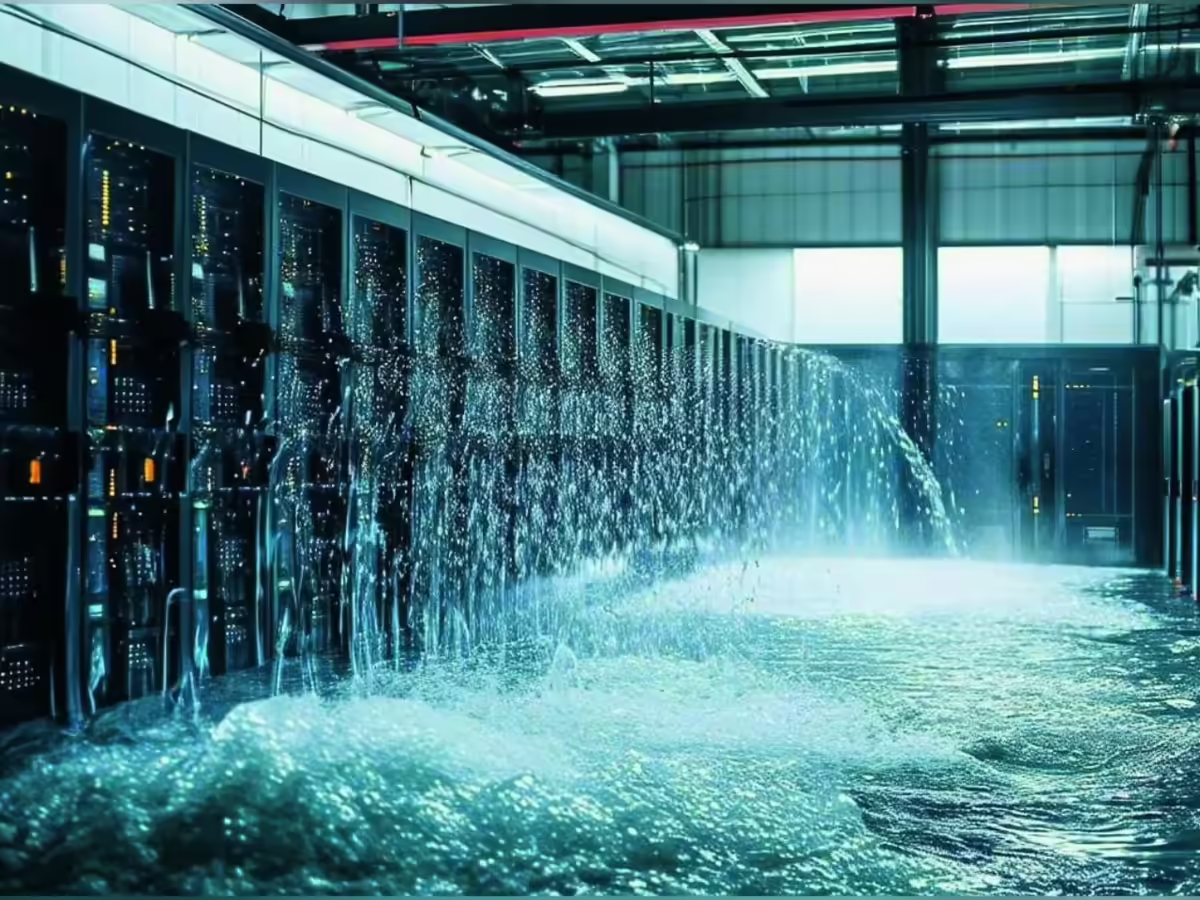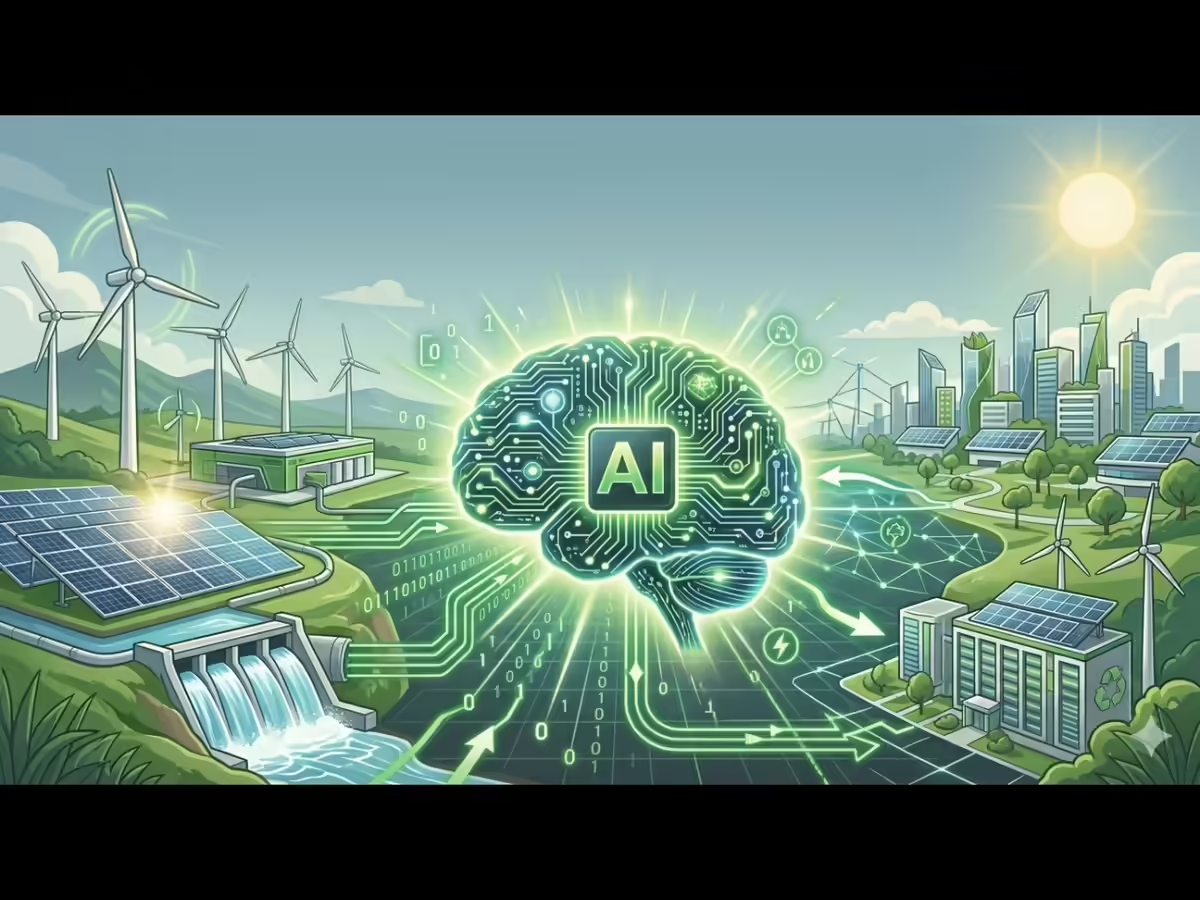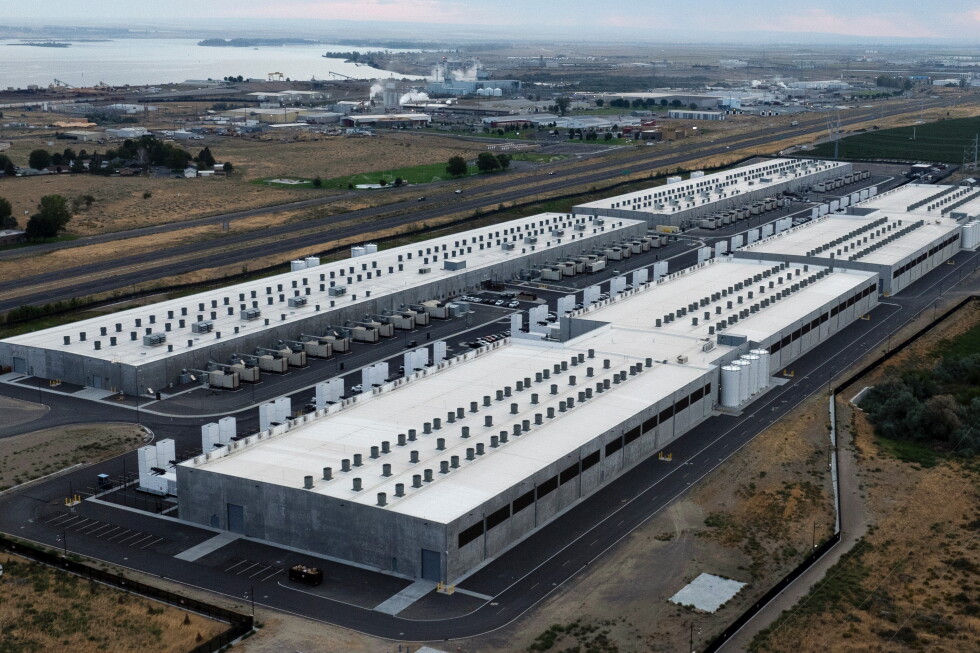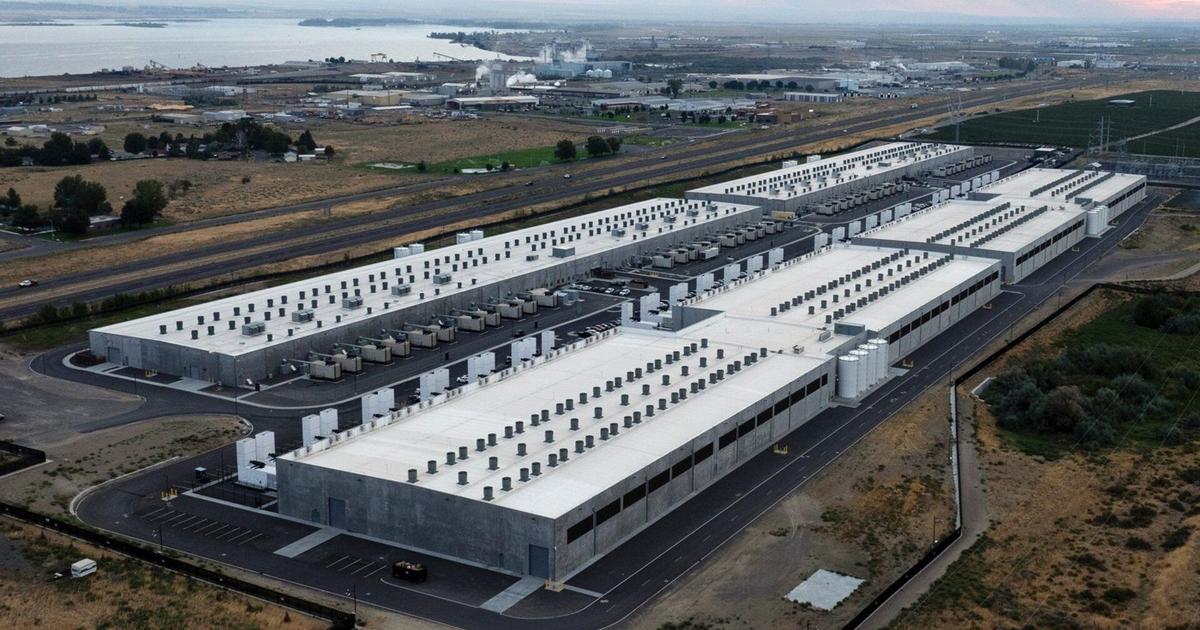
When ChatGPT launched in 2022, few anticipated that the race for AI leadership would eventually hinge on data centre expansion rather than foundational models alone. In a bid to support increasingly complex tasks and gain market share, AI giants are rapidly acquiring more compute. However, data centre development has been controversial. Public opinion is increasingly critical of the resource strain these centres can create. Although data centre water footprints remain opaque, much of the criticism still focuses on the freshwater requirements for data centre cooling. Upstream water usage for power generation has received lesser attention, despite contributing more to the overall water brunt, as per existing estimates. This reality necessitates a pivot in AI policy. India, aiming to expand compute access while balancing environmental goals, must move towards water-efficient energy sources by integrating renewable energy policy with AI ambitions and enforcing transparency in AI providers' resource use.Data centres face significant public disapproval owing to their intense water and power requirements. USA, which held around 5400 data centres as of 2025, found 48 projects worth $156 billion blocked or stalled in 2025, and 20 terminated in early 2026. While criticism of power requirements exists, the bulk of the pushback focuses on the on-site water consumption for facility cooling, overshadowing the water costs that data centres generate off-site. The awareness around water stress stems from the numbers that have spread rapidly across social media and public discussions. The widely cited study: ‘Making AI less Thirsty’, authored by researchers from the University of California, Riverside and the University of Houston, has been a popular reference for approximating AI’s water stress. The authors estimated that an average US-based data centre consumes 500 mL of water per 30 prompts to an AI model, which translates to about 17 mL per request. Given the scale and intensity of global AI usage, the water burden rises manifold.Also read | India's oil imports back on track, boosted by record Russian shipmentsAlthough these results were calculated for an older version of ChatGPT with fewer parameters, they remain illustrative. However, an important caveat was often missed. For every 17 ml of water consumed, only 2.2 ml is used for on-site cooling, while 14.7 ml (roughly 86%) is used off-site for power generation. Although it is undeniable that the sheer scale of AI usage translates a minuscule figure of 2.2 ml of water per request into a non-trivial aggregate amount, the larger share of water use still arises from power generation. Efforts to tackle AI’s ‘water thirst’ should focus more on the larger part of the problem. This entails switching to renewable energy sources, as they require less water than conventional power sources. Such a shift would essentially unify AI and renewable energy policy.For India, this unification is critical because it is water-stressed and dependent on water for power generation. According to the World Resources Institute, a major share of India’s electricity (85%) is generated from fossil fuel and nuclear plants, which rely significantly on freshwater for cooling purposes. The sector’s relative water consumption is projected to grow from 15 billion m3 to 130 billion m3 annually between 2025 and 2050. This dependence could pressurise India’s water supply further as the country aims to enlarge its computing capacity. International brokerage firm Bernstein predicts that the installed data centre capacity in India could grow from its current level of 1.5 GW to as high as 8 GW by 2030, and, according to other estimates, up to 10 GW. Research from Cornell notes that Indian data centres consumed about 0.5% of the country’s total electricity as of 2024, and this share could grow to 3% by 2030. Such a rapid increase in power demand would require correspondingly larger access to fresh water.Also read | India's airports may turn global transit centres, eye Gulf rivalryIf India fulfils this potential rise in power demand through renewable energy instead, the water requirements could be reduced substantially. But that reduction would hinge on choosing the most efficient combination of renewables. This is critical as renewables like photovoltaic systems and wind turbines use less water than other renewable sources like concentrated solar plants and bioenergy, which can be considerably water-intensive.While reducing upstream water usage is essential, it would be wrong to conclude that the onsite water footprint, despite its size, is a lesser problem. It is plausible that the on-site water usage is substantially higher than current estimates, as AI providers do not fully disclose their actual water use. Although researchers from the University of California and Houston noted that onsite requirements account for only 14% of overall water demand per query, they also acknowledged a pressing need for “increasing transparency of AI's water footprint, including disclosing more information about operational data”. A disclosure of water usage is critical, as AI giants have diverged from these findings, arguing that their facilities use far less water. In 2025, Sam Altman stated that ChatGPT uses only 0.32 ml per query, while Google disclosed that a median Gemini text prompt consumes 0.26 ml, although both figures likely reflect on-site cooling requirements only.It is therefore crucial that a shift towards renewables be complemented by transparency mandates. The EU, via its Energy Efficiency Directive (2023) and Delegated Regulation (2024), has mandated that data centres with a minimum capacity of 500 kW report sustainability metrics, including water consumption, to the EU database. Such mandates are necessary in India, as ground-level data is essential for effectively regulating the environmental burden of data centres. Ultimately, if data centres consume more water than current estimates suggest, AI policy will have to not only enforce water-efficient cooling methods but also support measures such as R&D in compute-efficient model development.If AI is to scale sustainably in India, policy must appropriately weigh both sides of the water equation: the upstream, and the largely opaque, onsite water burden. Renewable energy integration and transparency mandates should therefore become central pillars of India's AI strategy.(Amit Kapoor is chair & Mohammad Saad, is researcher at Institute for Competitiveness. ).(Disclaimer: The opinions expressed in this column are that of the writer. The facts and opinions expressed here do not reflect the views of www.economictimes.com.)
AI's hidden thirst: Why India must align AI and renewable energy policy
India's AI ambitions face a critical water challenge, with data centre expansion demanding significant resources. While on-site cooling has drawn public scrutiny, the larger water footprint stems from power generation. Experts have urged a pivot towards renewable energy integration and mandatory transparency from AI providers to ensure sustainable growth and balance environmental goals with escalating compute needs.
1,019 words~5 min read