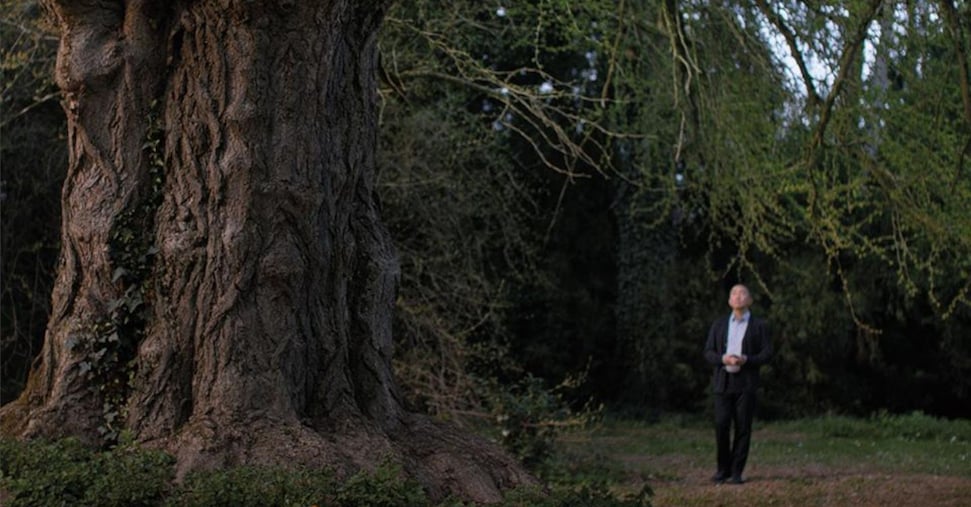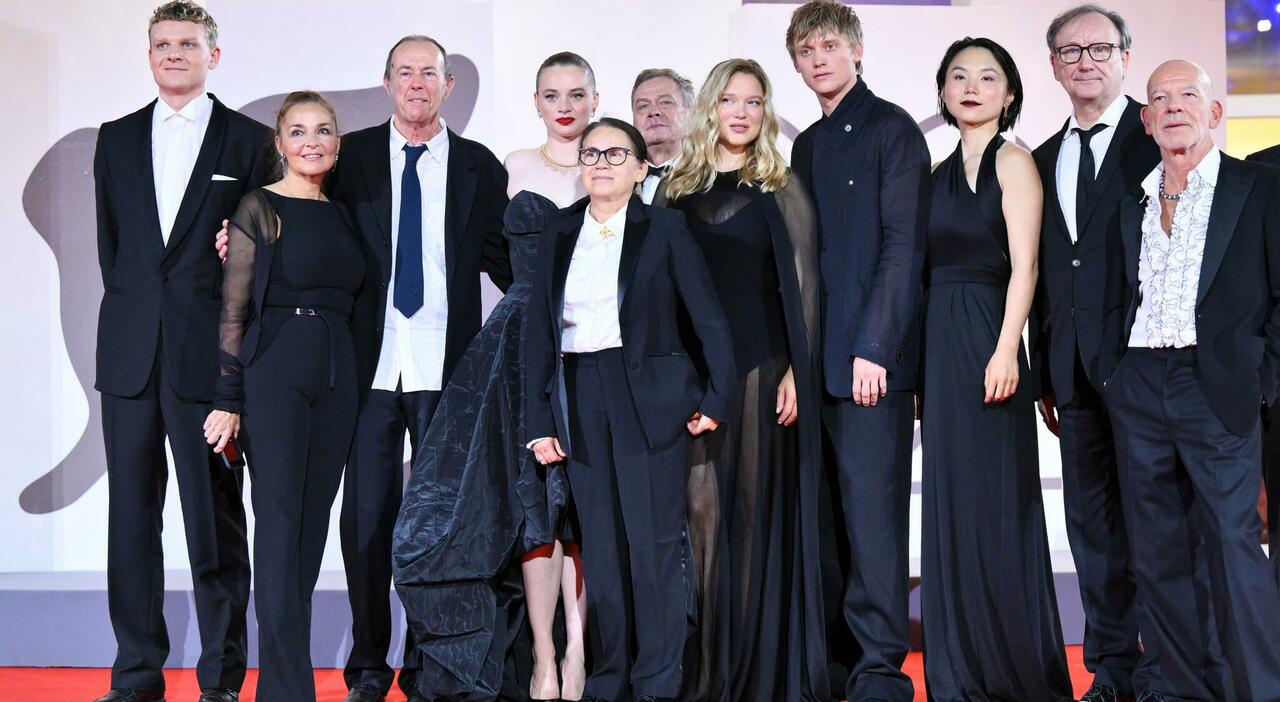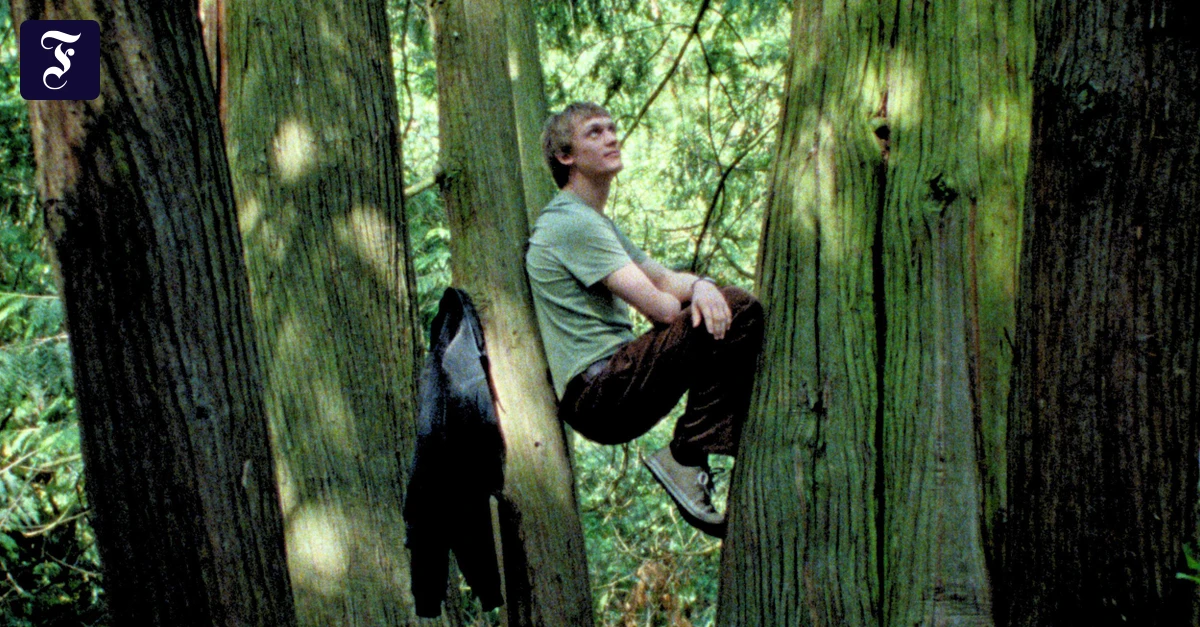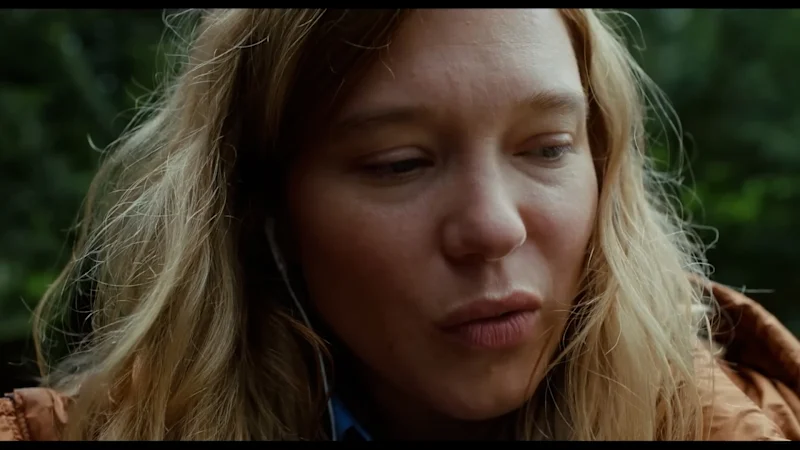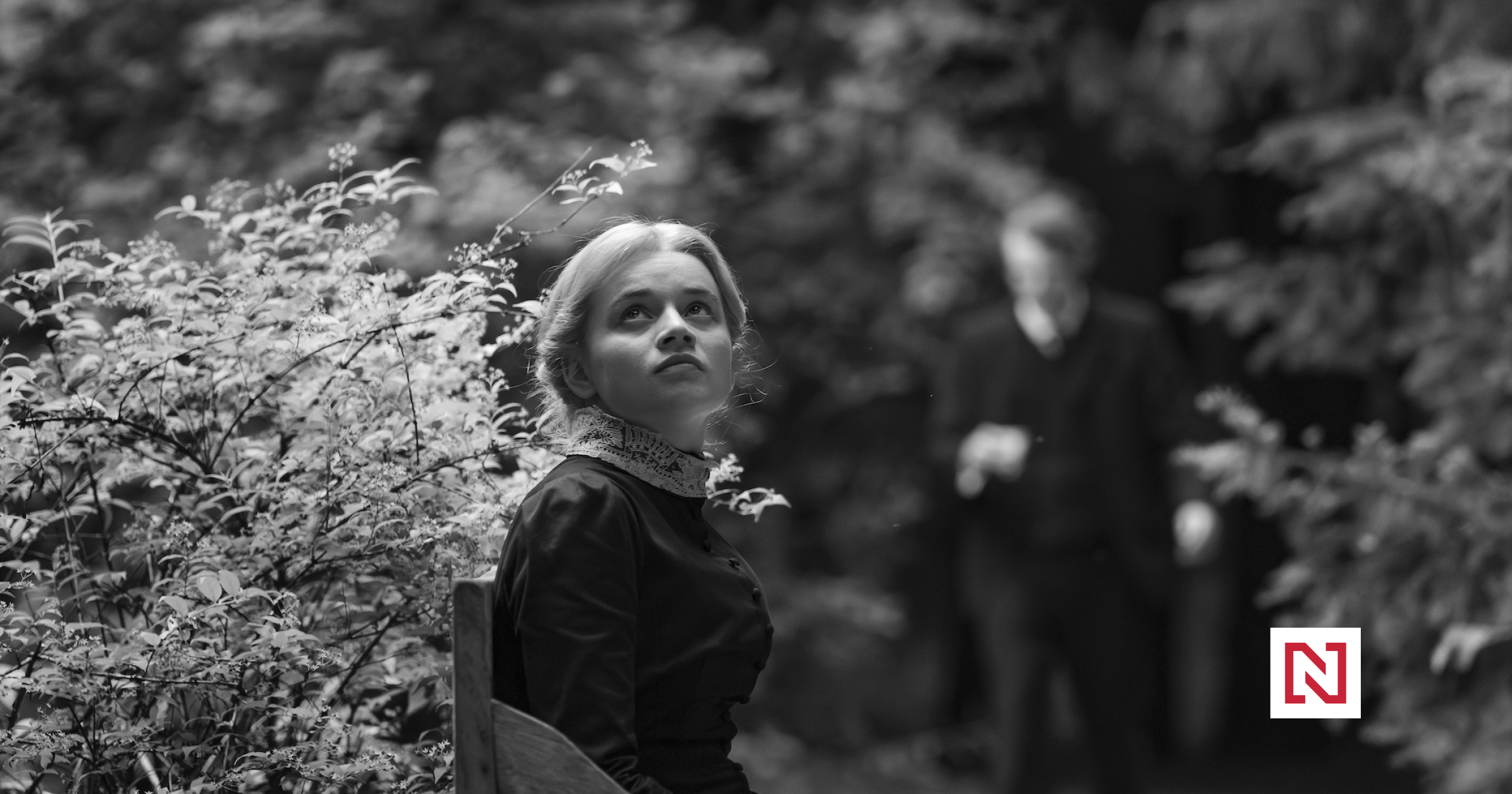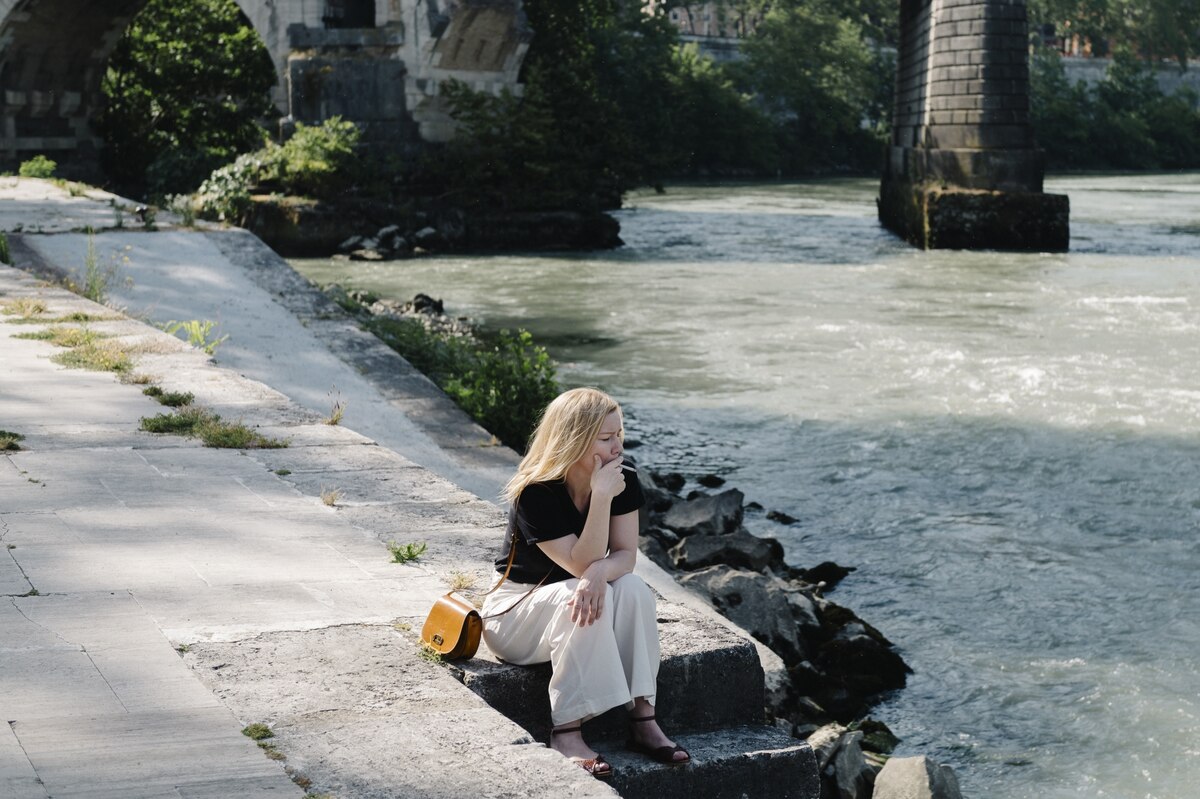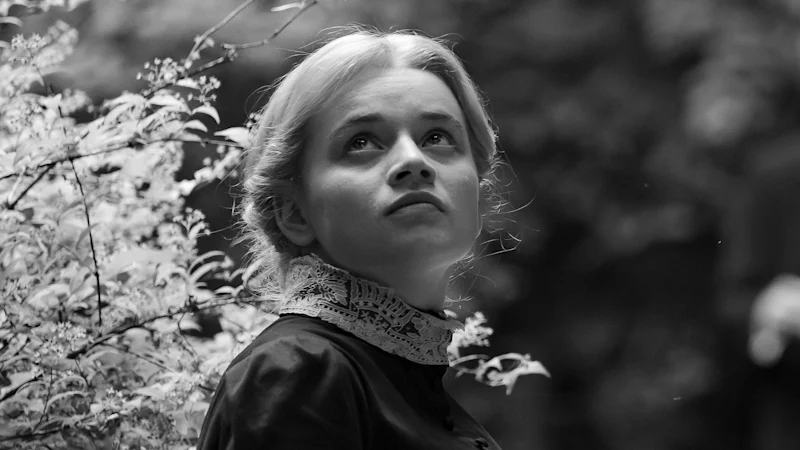
At the centre of Hungarian filmmaker Ildikó Enyedi’s film Silent Friend – quite literally at the centre, much of the time – is a great female gingko tree, well over a century old, brought to Germany from Japan by aristocratic plant collectors. For this flourishing tree, however, the future is solitary: without a male tree nearby, it cannot fruit. It is a lonely exile and, as such, a metaphor. “All the human heroes in this film, for this reason or that, are outsiders,” says Enyedi. “And you can’t imagine a more perfect plant outsider than the gingko.”Silent Friend, which won rave reviews and the FIPRESCI critics’ prize at the Venice Film Festival last year, is set at Marburg University, where the gingko tree is the most precious exhibit in its botanical garden. Three stories, set in different times, are woven together like jungle vines.In 1908, a determined young woman named Grete (Luna Wedler) runs a gauntlet of hostile professors to become the university’s first female science student. In 1970, another young woman called Gundula (Marlene Burow) tries to register plants’ feelings while ignoring those of Hannes (Enzo Brumm), the country boy mooning over her on the dorm floor below.Tony Leung Chiu-wai plays a scientist intrigued by an ancient gingko tree in Silent Friend. Lenke SzilagyiThe overarching story takes place in 2020. A visiting Chinese scientist, Professor Tony Wong, played by the great Tony Leung Chiu-wai is attempting, with the remote help of French colleague (Léa Seydoux), to interrogate the gingko itself.It is an extraordinary film – poetic, immersive and packed with information, – made more remarkable by the fact that each story is filmed entirely differently from the others. The 1908 section is shot on 35mm black and white film, mirroring the photographs Grete starts taking of the plants she is studying.“If we want to get closer to other life forms, we have to have interfaces,” says Enyedi. “For Grete, this interface is black and white photography because it reveals those wonderful structures, eternal and cosmic, embedded in every plant.” Photography, still in its infancy, provides a whole new way of seeing.More than 60 years later, students of the hippie era are lounging in the same garden. We recognise the ancient walls, but the formerly manicured lawns have become a meadow. “I tried to tell a lot without words,” says Enyedi. “So the students, who before were just walking on the little footpaths, are sitting in the grass wildly growing – and their hair is also wildly growing!” Enyedi is 70; this was her own youth.Director Ildikó Enyedi on the set of Silent Friend.Kery Kovacs“It was all about experimenting: with sensations, with psychedelics, but also just walking barefoot. A bit naive, a bit childish, but I think also quite beautiful.” For these sections, she shot on 16mm film; the colours are bright but never quite true, mutating like old Polaroids.The 2020 story, set largely during the first Covid outbreak, hauls this yearning to know the natural world into the digital age: here, Enyedi uses a digital camera, exploiting its hyper-real smoothness. Professor Wong monitors and measures electrical impulses in the gingko with a web of sensors spread over its bark, its mysterious inner life erupting in coloured flares on his screen. When lockdown strikes, he is left alone with the plants and the grim caretaker Anton (Sylvester Groth), who regards both his tech and morning tai chi exercises with sour suspicion.“I was always fascinated about this hard question: ‘what is consciousness?’,” says Enyedi. “And I saw how it was defined, redefined and again redefined – and how much we are ready to share it with other beings.” For years, she confesses slightly sheepishly, she was a passionate follower of plant communication experiments. Her guiding spirit was the German romantic poet Goethe, who jumped lanes to write a book called The Metamorphosis of Plants. “Actually, all three of these people are unconsciously following Goethe’s view of how we should approach nature – and approach science, where science is a reconnect.”The lockdown period was also a considered choice. “When you have a fear of something unknown – and during the first lockdown they didn’t have the vaccine yet – you immediately feel that fragility of your life,” says Enyedi. “And when every little daily routine stops, you get the chance to explore yourself. I think many of us had quite the inner adventure during these times.”What surprised her, she says, was the degree of period detail it required. “Finding laptops and phones of the era that were functioning was not easy, either. It was shocking, somehow, how quick is change today.”Enyedi’s previous film was On Body and Soul, which won the top prize at the Berlin Film Festival in 2017 and was about an awkward couple who can barely converse, but communicate through shared dreams in which they become woodland animals. Enyedi is small, neat and reticent; she speaks excellent English in a library-level voice. She isn’t good at making conversation, she says.“In this setting, they say ‘you will have this interview’ and I do it with pleasure, but where there is chit-chat and so on, I’m awful! I am really hiding in the bathroom at parties with a book. So while I am longing for communication, it’s not always so easy for me.”Talking about communication, she says, means talking about love. “The most total and extreme way of communicating with another being is love. Then you totally open to the other person and you see the most beautiful core that even that person perhaps doesn’t know. And it happens not only in love, actually: it happens in work. If you work with someone for a week on a film, where everything is at stake, you can know that person more deeply than certain friends you have had for 10 years. I say this from experience. Because then the whole character is there, intensively and very, very naked.”She works repeatedly with the same crew and many of the same actors; she didn’t know Leung Chiu-wai, but she wrote the role of Professor Wong for him. It took a year for her to get the script to him. He read it within the week.“After that, we had our first phone call. And Tony’s first question wasn’t about the character, the role, what he has to do, who is this guy, any of that. He asked me: ‘Isn’t there a sort of a connection to Buddhism in this film?’ And I was so happy that he was much more interested in the whole background of the film. He became, from the first moment, such a precious ally.”Enyedi’s camera may caress its vegetable subjects with something like lust; she even includes a credit list – in Latin – for every plant that appears in the film, but she isn’t even a good gardener. Her only successful plant, she says, is one that her husband pulled out of a rubbish bin that has now taken over half of her study – and claims no special understanding of the connectedness of life that has fascinated her for so long.“Understanding is such a big word,” she says. “I just am aware of the existence of many beings around me. And I’m also aware I’m on the periphery of their attention. I’m not so important from the point of view of a snake; I’m just some stupid clumsy giant which hopefully doesn’t crush it. There are many worlds – and they all are complete.”Silent Friend opens on July 2.Want more movies? We’ve got you.Must-see movies, interviews and all the latest from the world of film delivered to your inbox. Sign up for our Screening Room newsletter.Hugh Jackman reveals why repressed rage fuelled his Robin Hood.Brian Cox, the ogre of Succession, celebrates his beloved Scotland in Glenrothan.Why playing Supergirl gave Milly Alcock nightmares.
Her film is set in three eras. The latest posed a surprising challenge
The impermanence of technology is contrasted with the power of an ancient tree in Ildikó Enyedi’s acclaimed Silent Friend.
1,303 words~6 min read