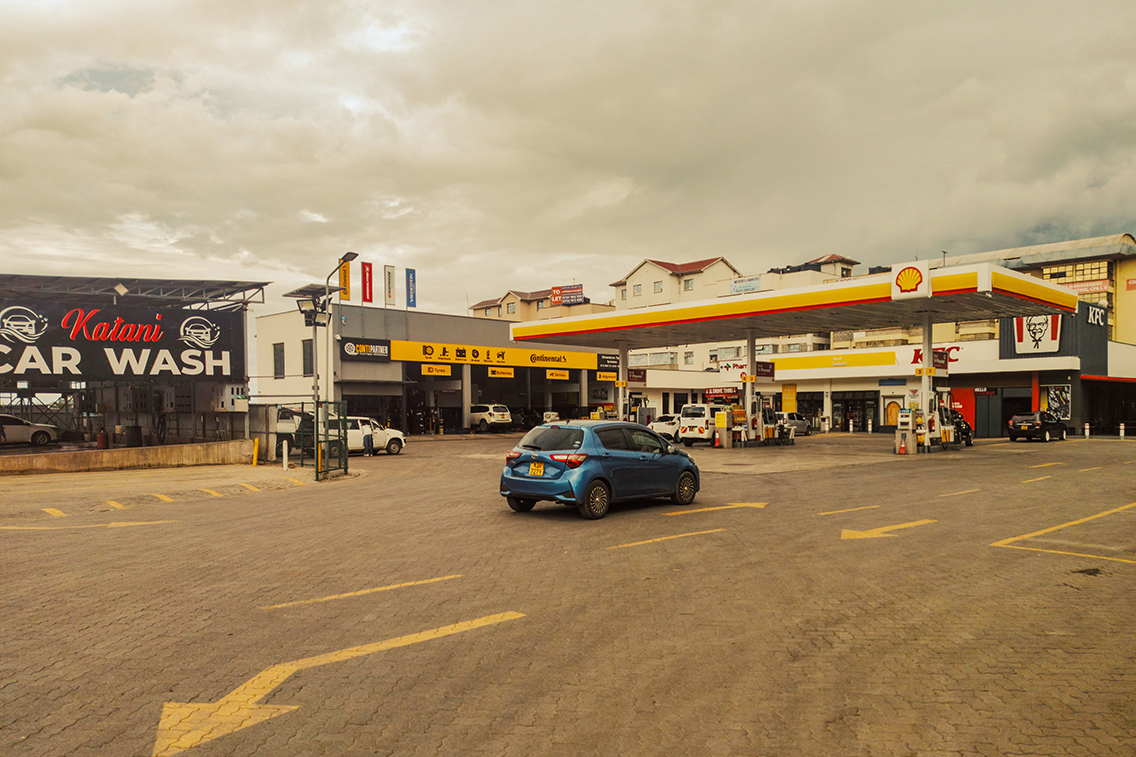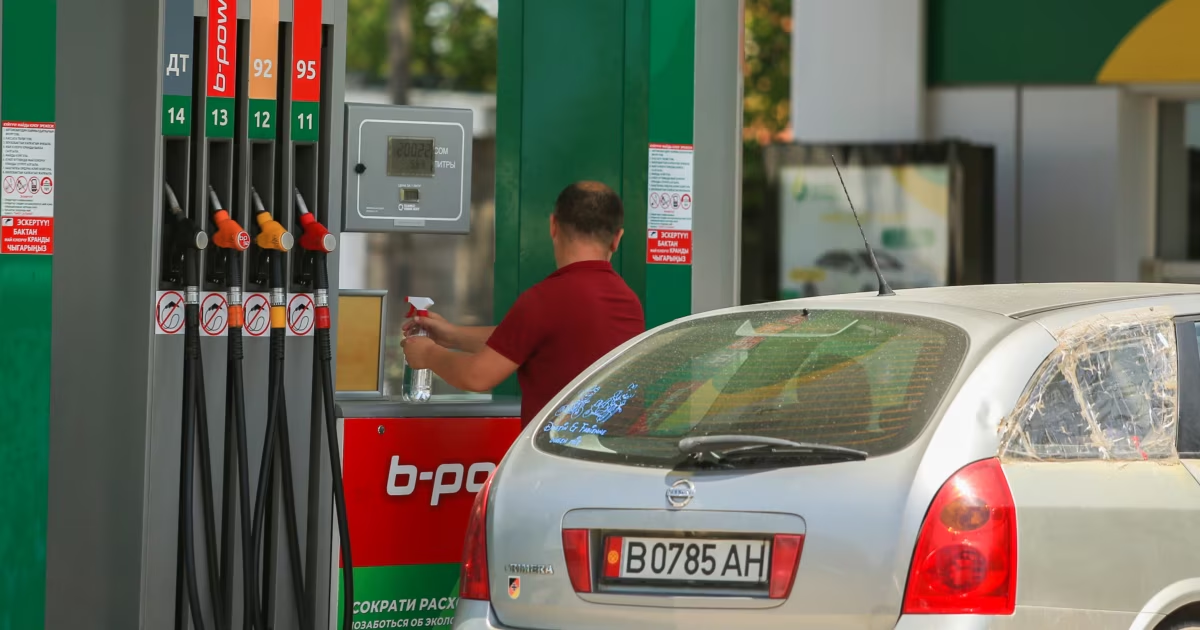
Mongolia’s mining-led economy is fully dependent on imported fuel, which stands as the country’s single largest import, accounting for roughly one-third of total imports. Despite Mongolia’s goal of energy independence, the country is constrained by structural and financial barriers that weaken its energy security calculations.
The transport and power sectors dominate Mongolia’s energy security policy, while agriculture and industry play less visible but important roles. The transport sector is particularly exposed to external shocks and geopolitical pressures because the country relies on imported fuel, including for an expanding aviation industry. To develop a coherent energy security strategy, Mongolian policymakers must balance the need for reliable supply, affordability and long-term sustainability.
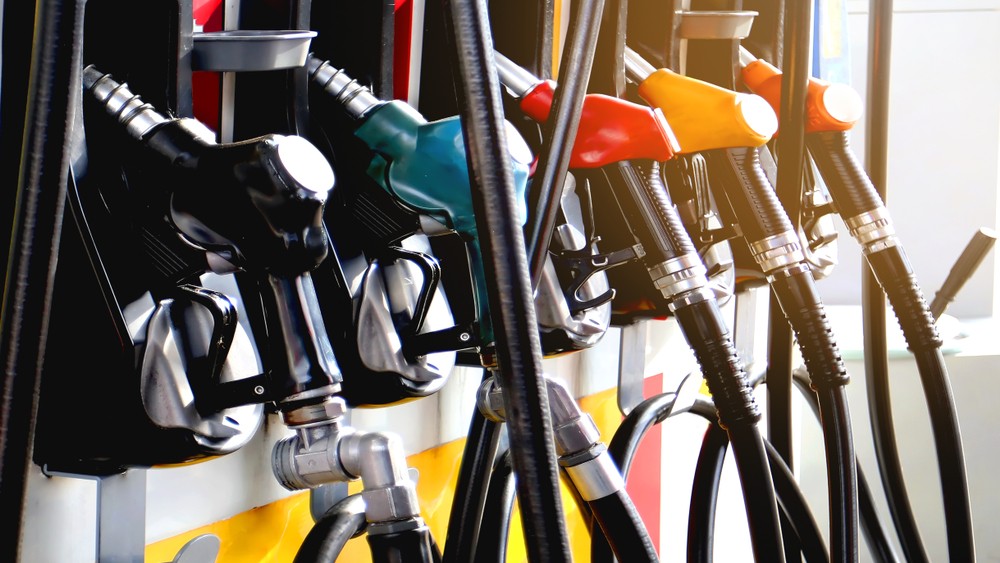
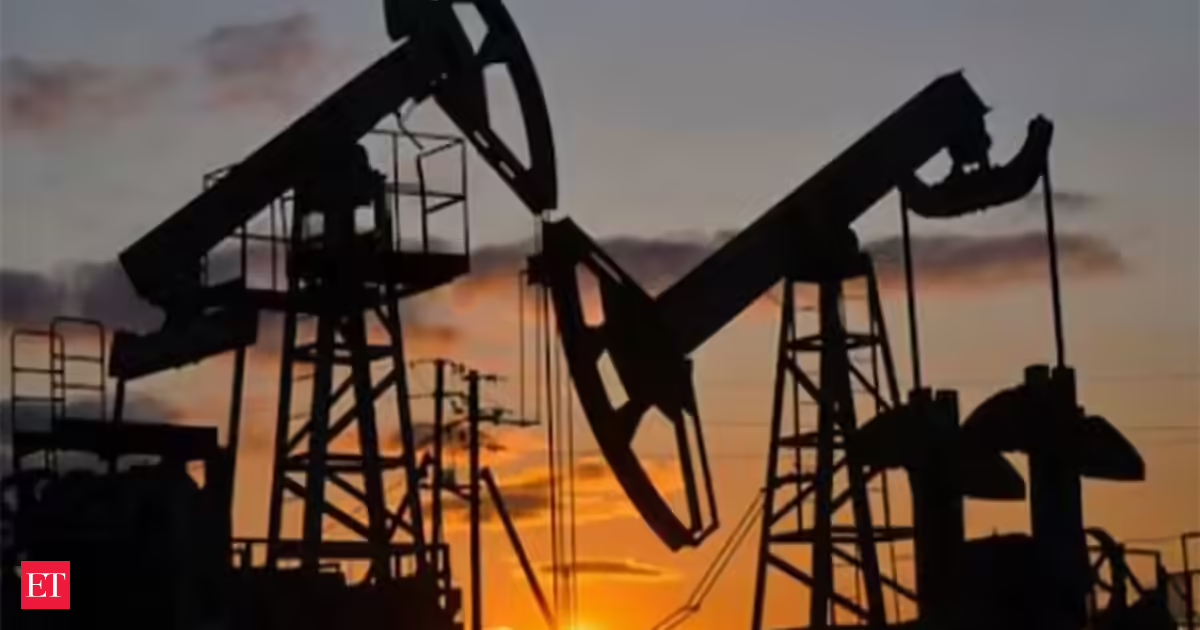
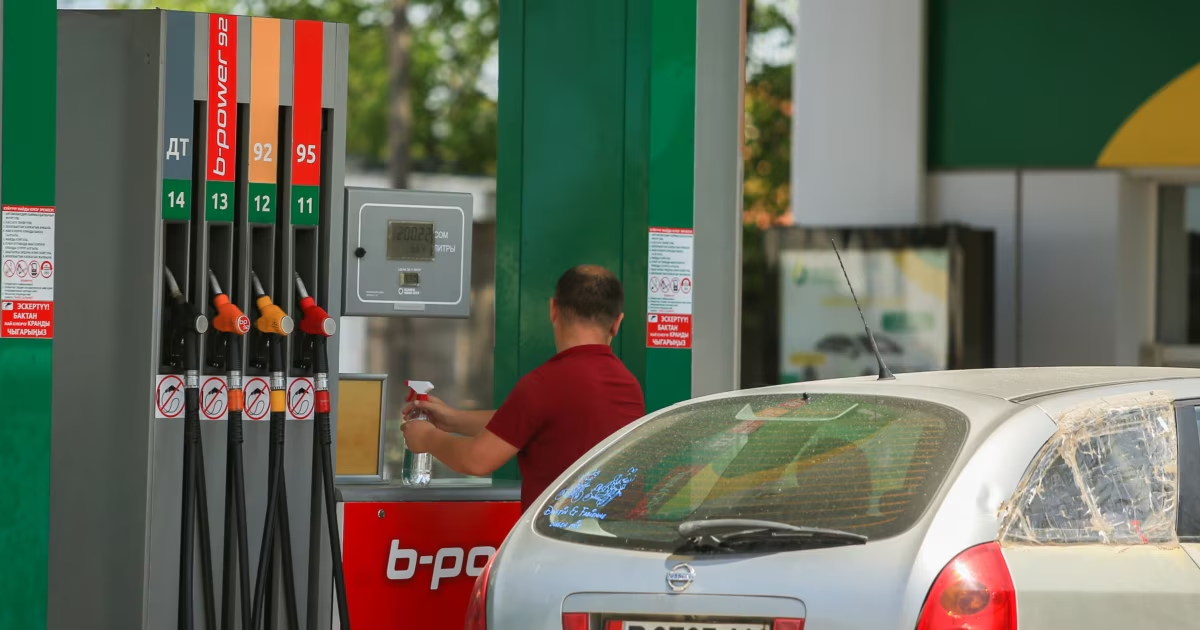
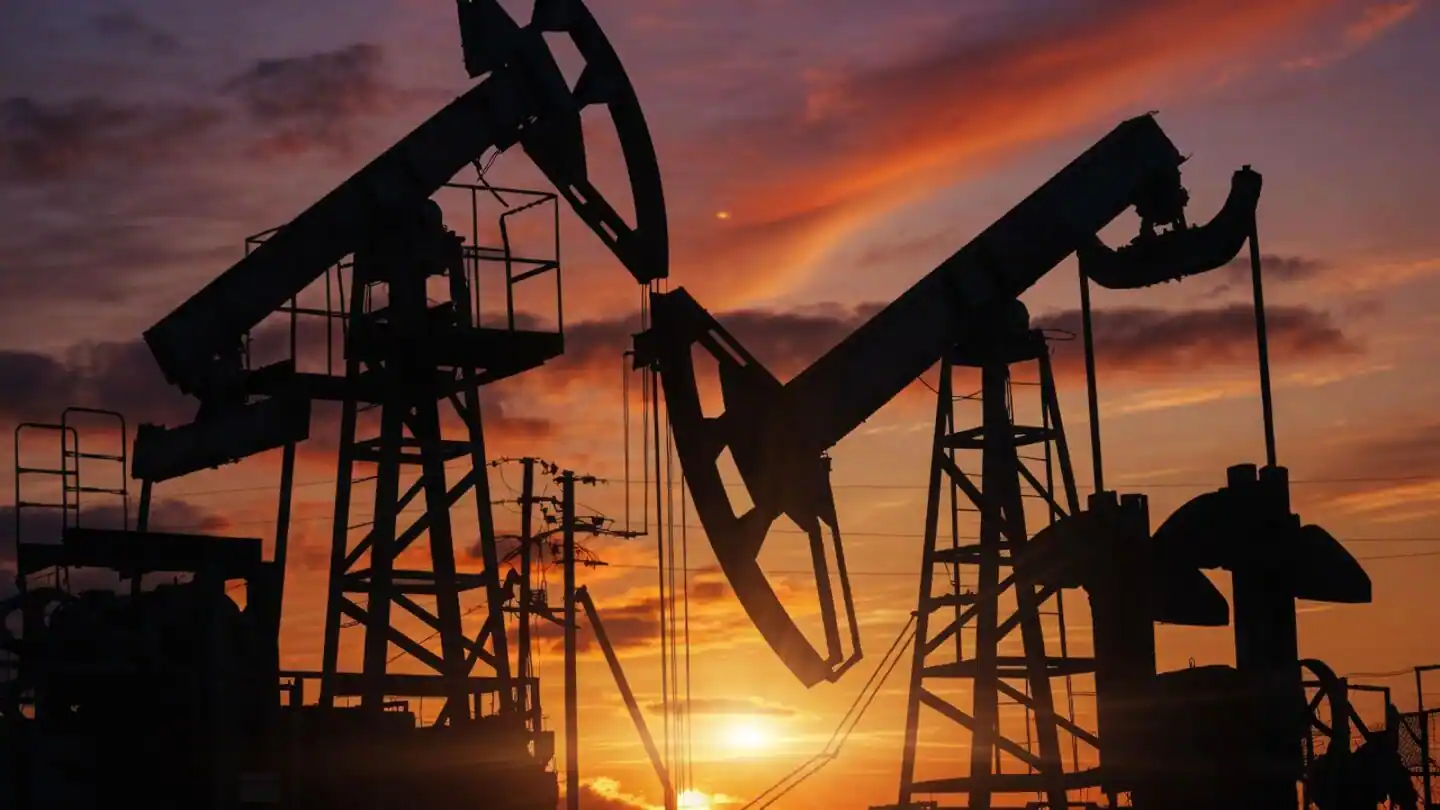
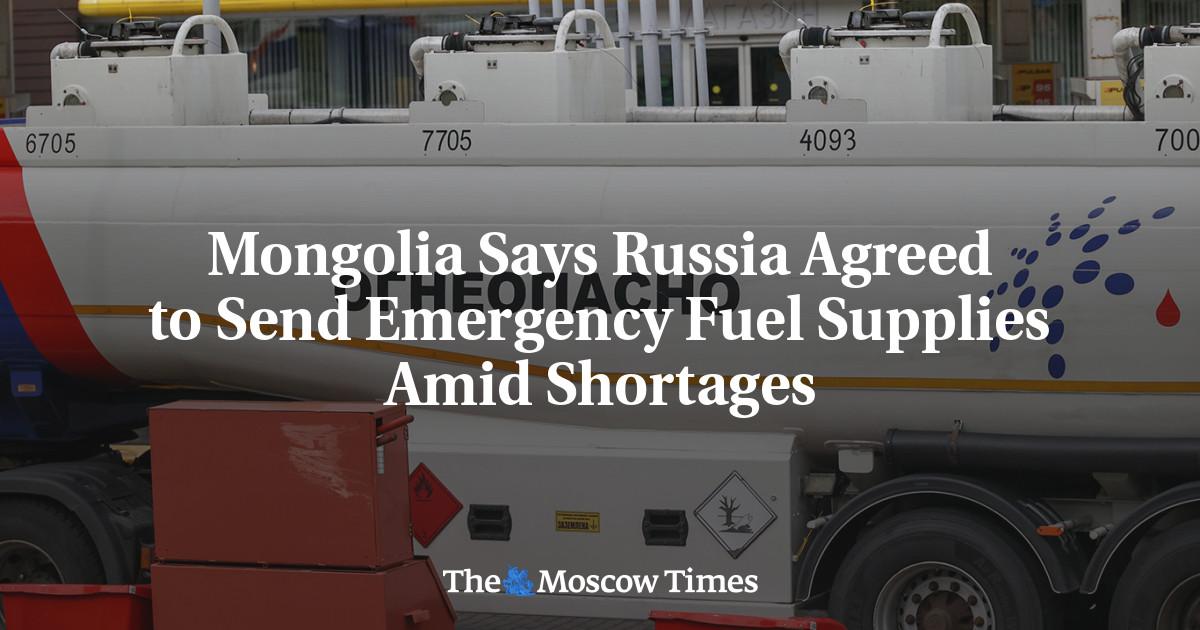
Mongolia’s transport sector relies entirely on imported fuel, with 95 per cent coming from Russia and the remainder from China. Ulaanbaatar’s close relationship with Russian energy company Rosneft has allowed the country to secure a discounted supply of petroleum products. Mongolia has its own crude oil deposits, but the lack of a domestic refinery limits its ability to convert this natural endowment into usable fuel. To address availability and sustainability challenges, the country is pursuing a diversification strategy, though with limited success.