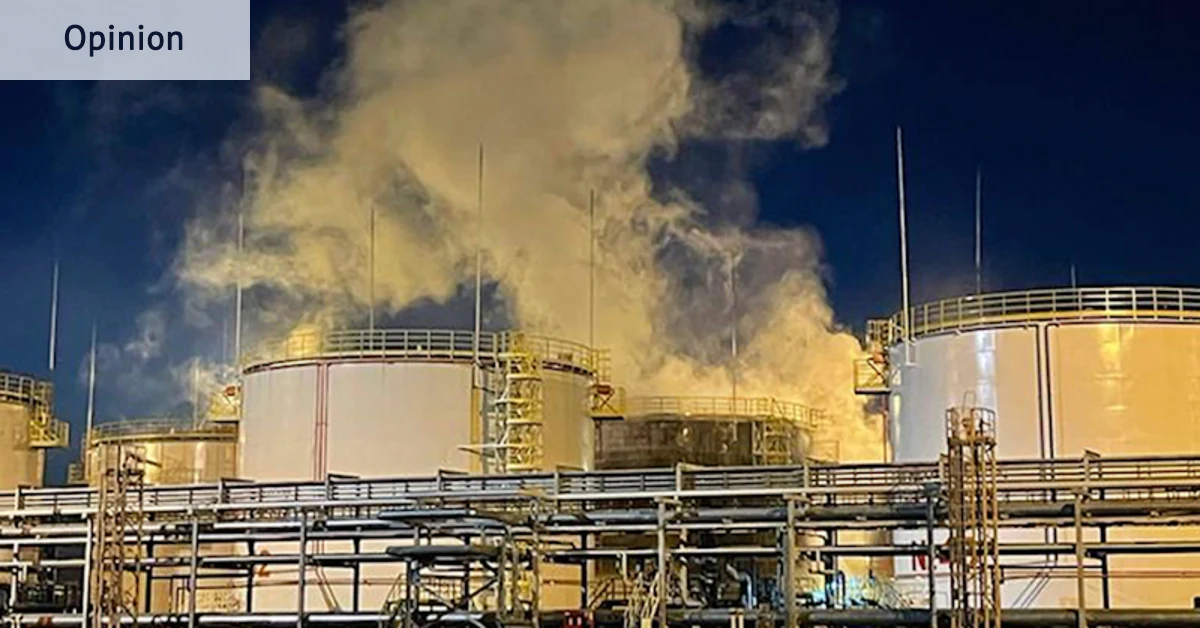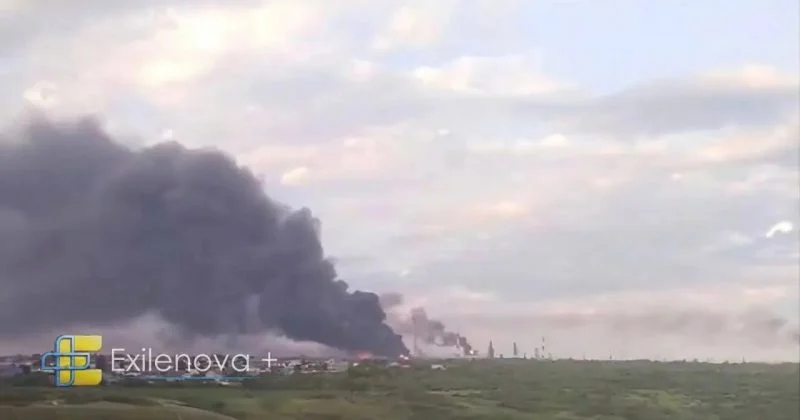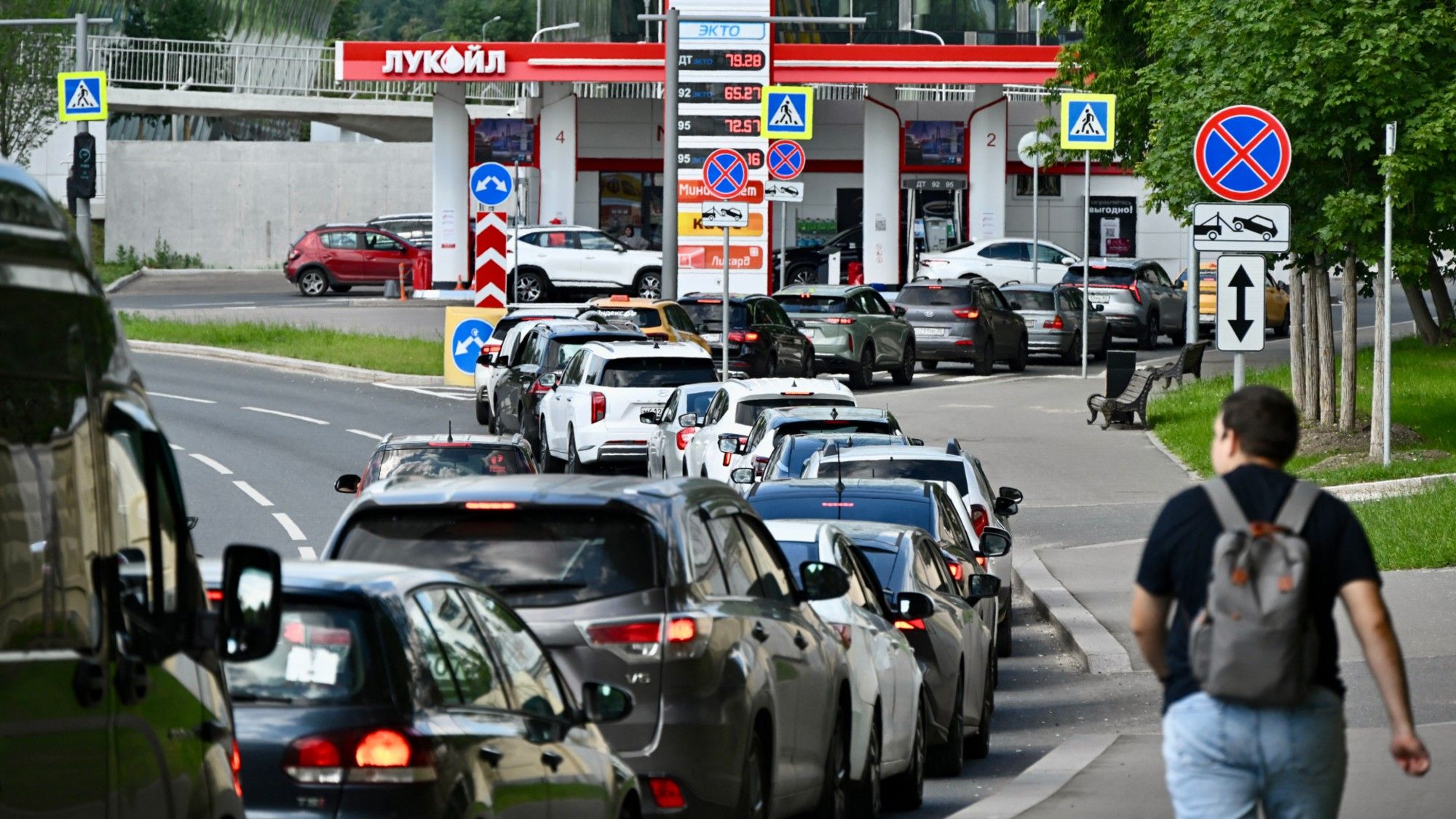
Ukraine's sustained attacks on Russia's oil refineries immediately plunged Central Asian countries into energy chaos, highlighting years of short-term policy decisions that have left the region without a coordinated energy strategy and sufficient diversification to withstand major disruptions.Just this week, Ukrainian drones knocked the Omsk refinery -- one of Russia’s largest processing facilities, with an annual capacity of nearly 22 million tons of crude oil -- offline, forcing Central Asian governments, particularly Kyrgyzstan, into emergency mode.While the front lines of the war between Russia and Ukraine may be far away, experts say the lack of policy foresight has brought the conflict to the region's front door as supply lines from Russia dry up, costs rise, and rationing becomes a reality.“Governments in Central Asia always plan for the short term because of the logic of authoritarian power," Luca Anceschi, a professor of Central Asian Studies at the University of Glasgow, told RFE/RL.
"They're obsessed with preserving power, which means they mainly care about what could remove them from office. They always try to anticipate political threats, so they don't really think long term...It's a policy focused on exports rather than domestic needs. They worry about how to sell resources, not how to make the best use of them,” he added.Central Asia's dependence on Russian oil varies from country to country, but the main items sought are Russia's refined petroleum products, such as gasoline and diesel.Landlocked, non-oil-producing nations like Tajikistan and Kyrgyzstan depend on Russia for virtually all of their petroleum product supplies. But even energy-rich Uzbekistan relies heavily on Russia for refined fuel as the region's refining capacity is limited.Therefore, disruptions at Russian refineries immediately ripple through the region, spiking fuel prices and causing shortages.Long-Standing FailureKyrgyz economist Tolenbek Abdyrov says the crisis has exposed a long-standing failure to diversify national energy systems.“We have been saying this for a long time: diversification is necessary; fuel should also be imported from other countries; more processing facilities should be built here; crude oil should be imported and refined locally so that we can produce our own fuel,” he said.