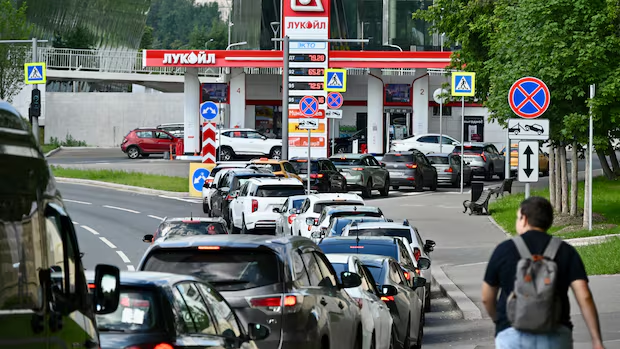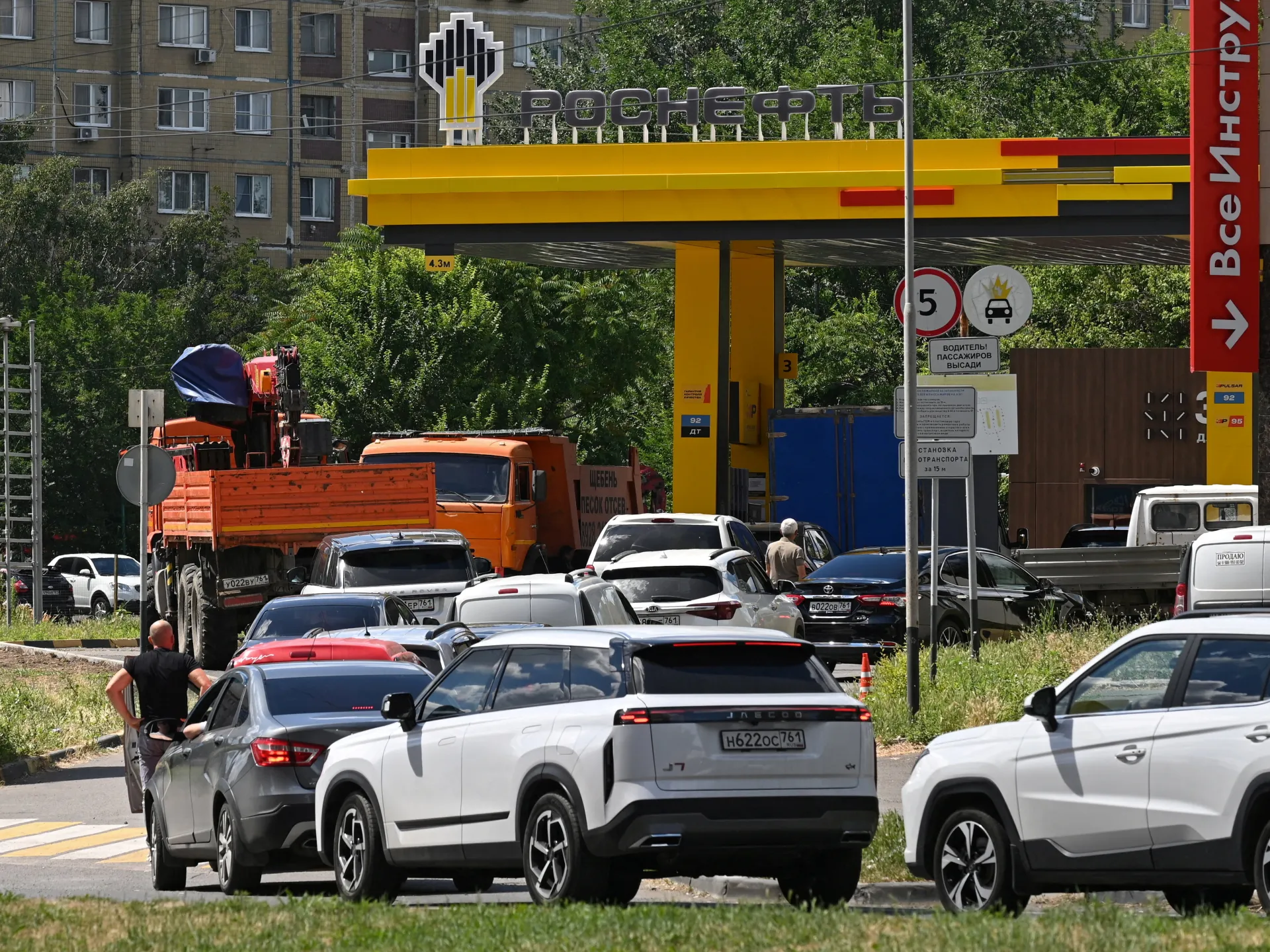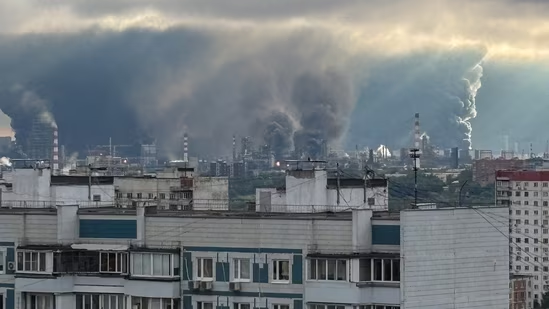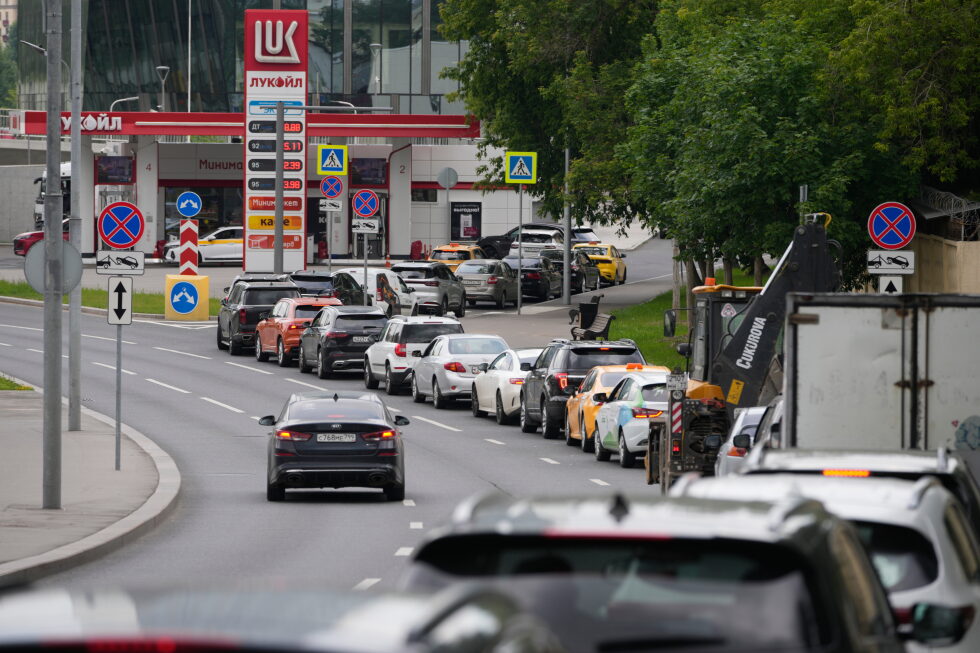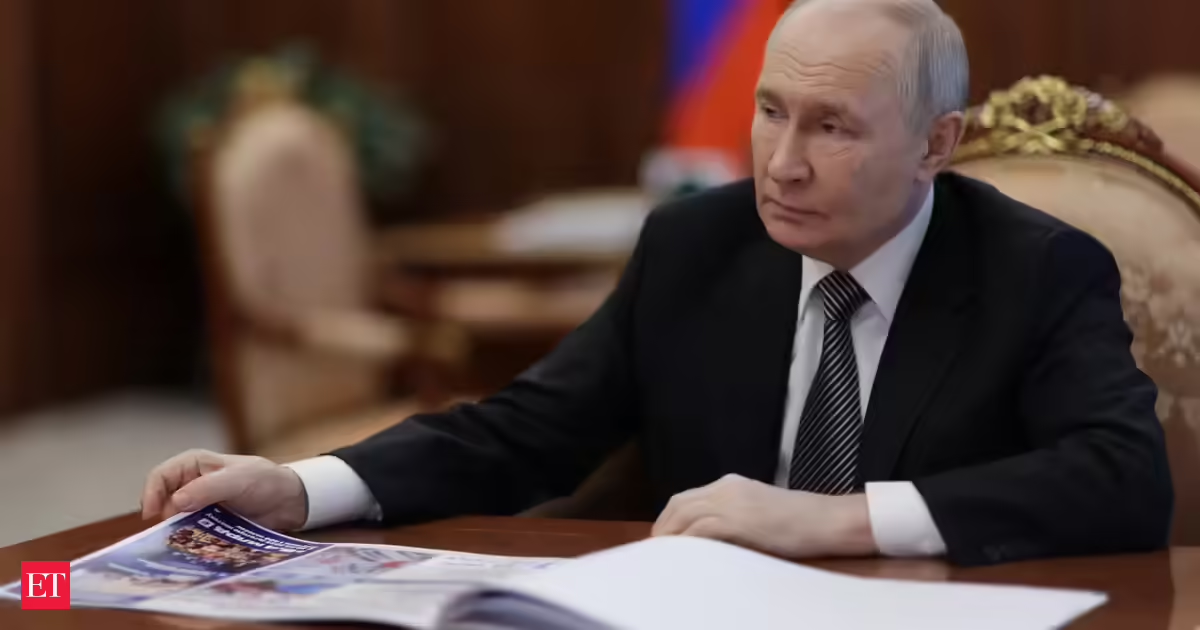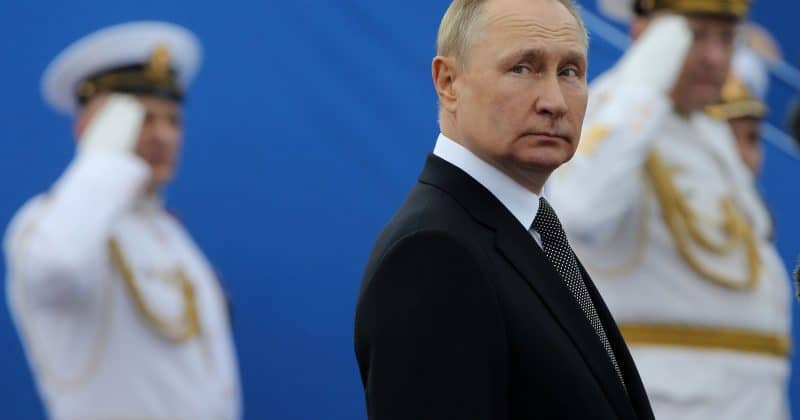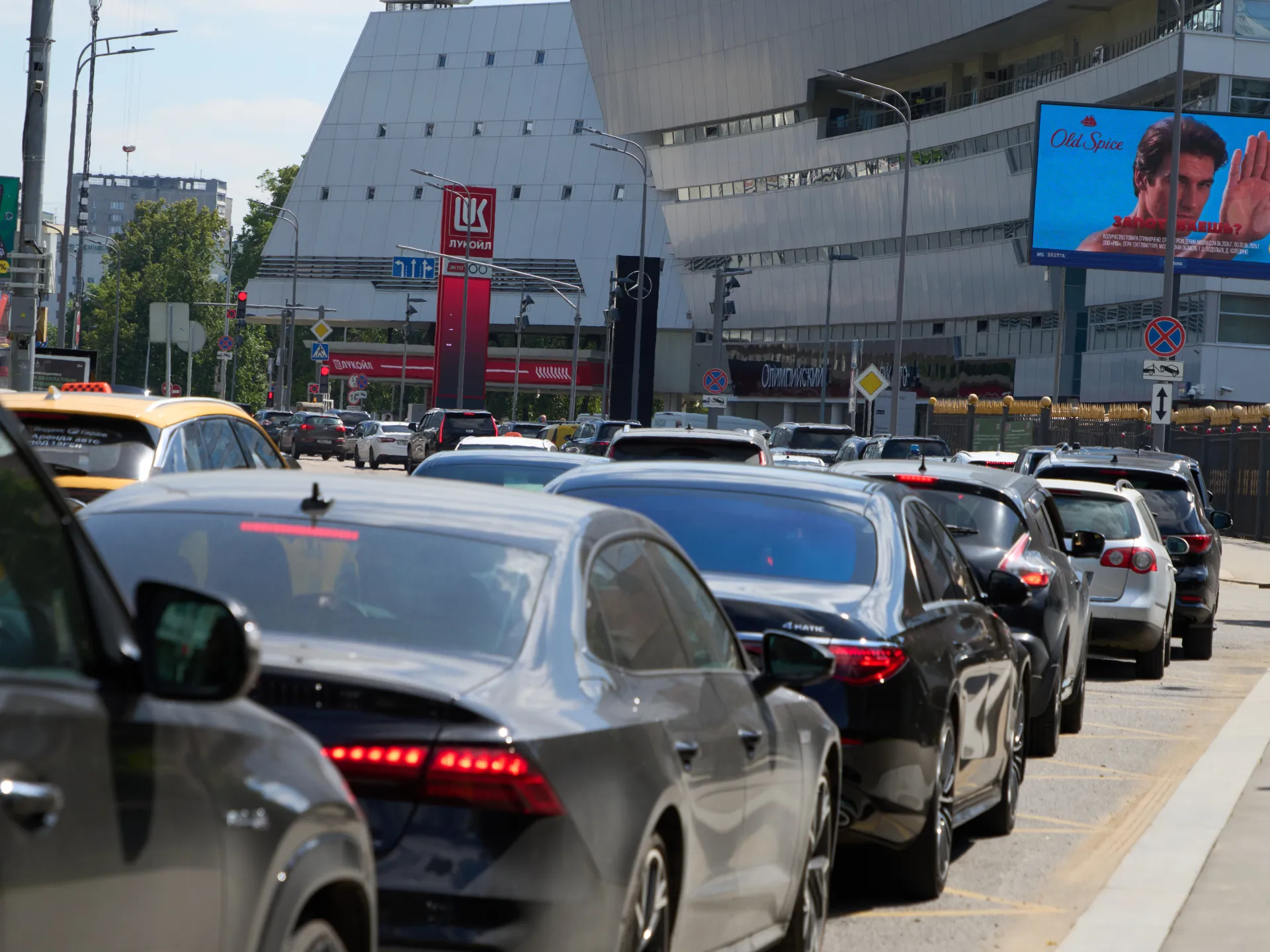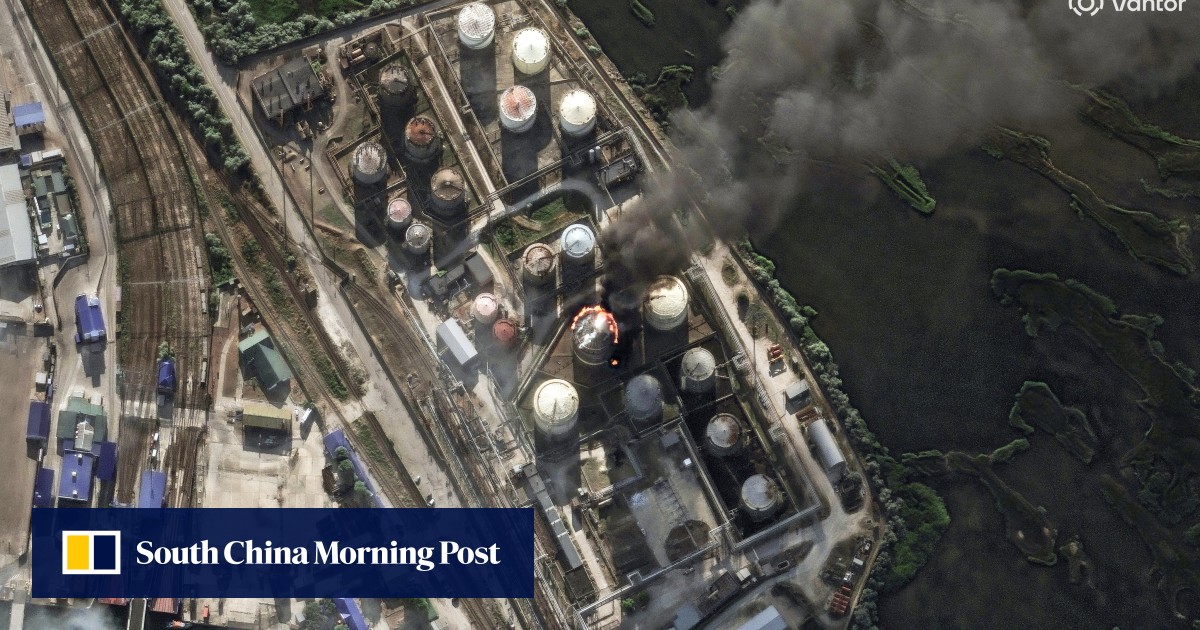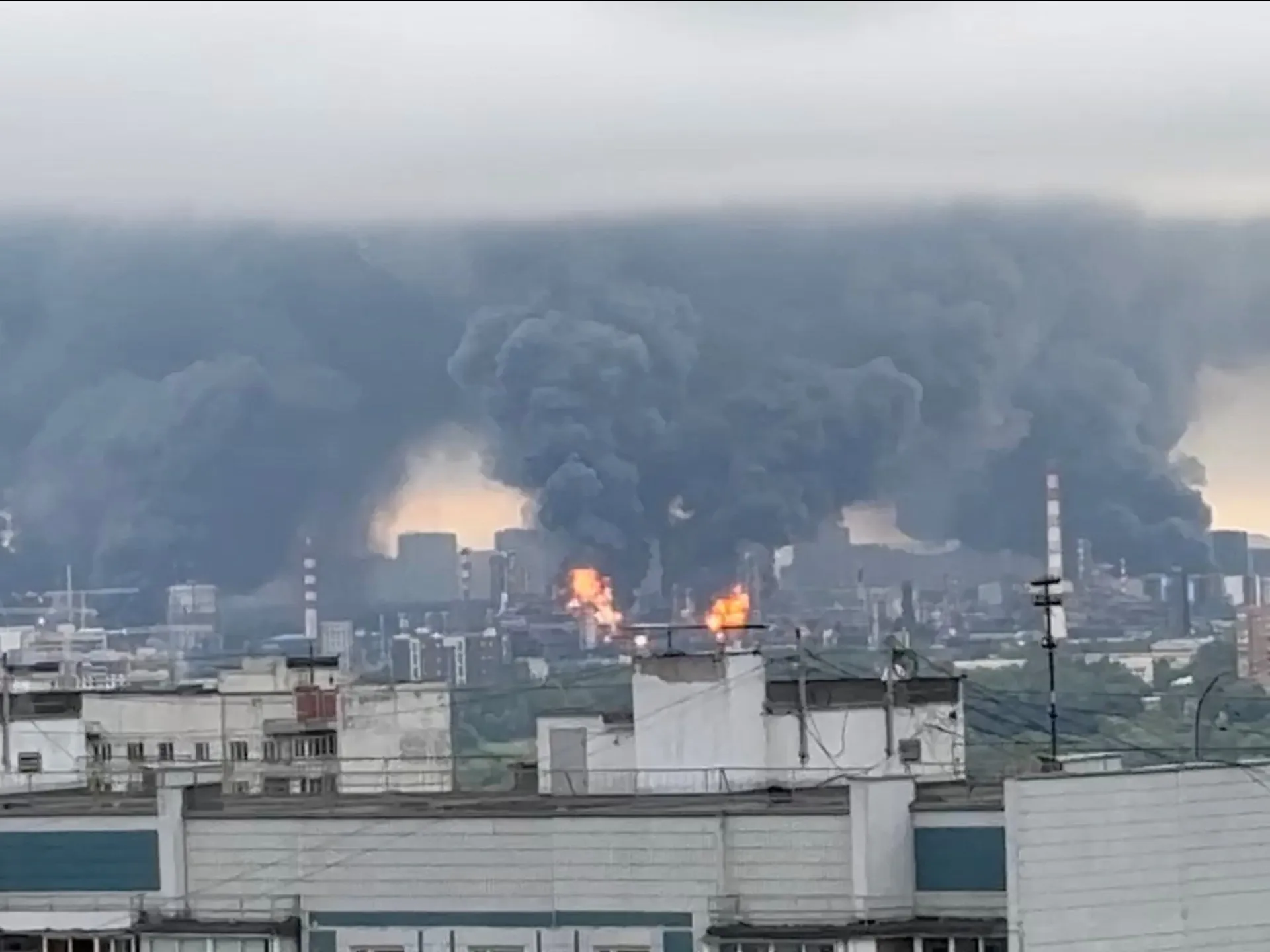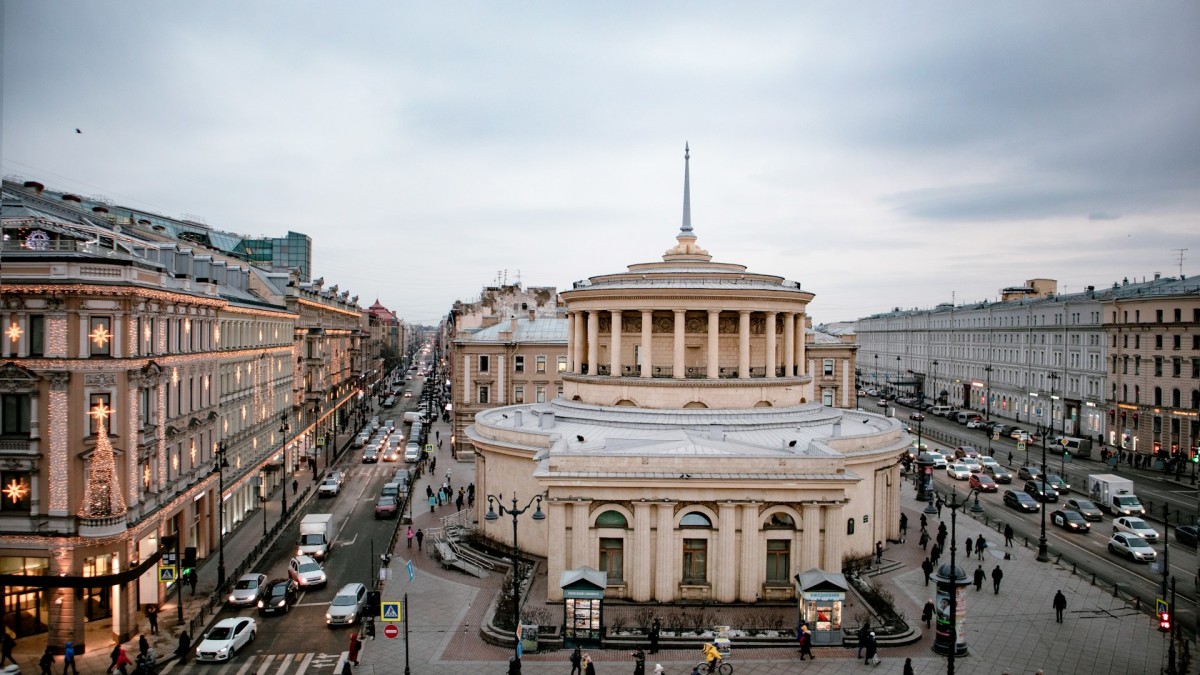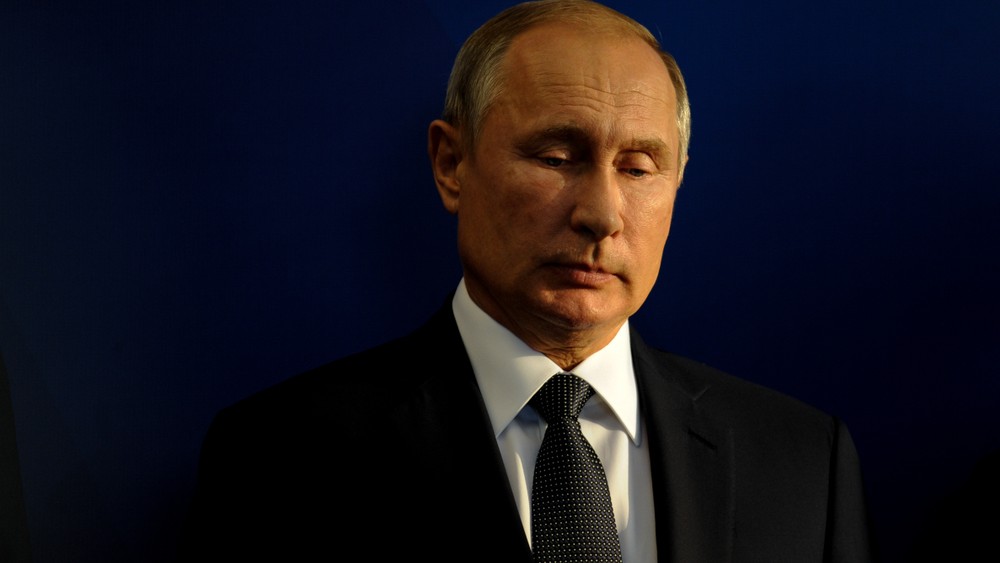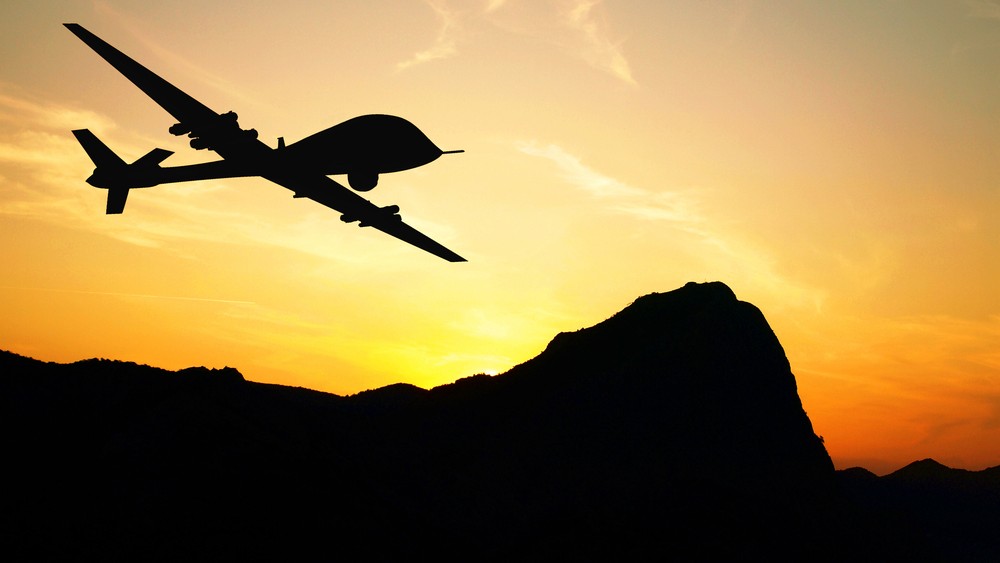
After weeks of trying to downplay the impact of Ukrainian drone strikes on Russian refineries, the Kremlin acknowledged this weekend that Russia faces fuel shortages and a fuel crisis that needs further government intervention to solve.A few weeks ago, regional governors across Russia rushed to downplay the fuel crisis, seeking to assure residents that supply is tight only at limited gas stations and there is no need to panic about shortages.Apparently, this narrative couldn’t be contained for too long as Ukraine is stepping up attacks on Russian refineries and fuel supply routes, while demand for gasoline and diesel in Russia is rising with peak summer travel and the coming harvest.In just a few weeks, Russia switched from ‘don’t panic, everything’s fine’ to a formal acknowledgment by President Vladimir Putin that the country faces a fuel supply crisis.This weekend, Putin held a meeting with key government officials, including Deputy Prime Minister Alexander Novak, and the top executives from the biggest oil companies Rosneft, Lukoil, Gazprom Neft, Surgutneftegaz, and Transneft.The mayor of Moscow, Sergei Sobyanin, was also in attendance, as the fuel shortages reached Russia’s capital city, too, after Ukrainian strikes earlier this month hit and sent Moscow’s Kapotnya refinery offline. The refinery is unlikely to resume fuel production before 2027 after suffering extensive structural damage from multiple strikes by Ukraine’s long-range drones, industry sources told Reuters last week. During the meeting at the Kremlin this weekend, Putin proposed “to consider additional steps to ensure uninterrupted and stable fuel supply to car owners, businesses, enterprises, and socially significant organisations, as well as to discuss the progress made in implementing past decisions in this area,” according to a Kremlin-provided English transcript.Russia is now using its fuel reserves to ease the shortages, Putin said, but added that stockpiles remain sufficient and have fallen by just 4% compared to this time last year.Following the temporary ban on exports of gasoline and jet fuel, “We are considering a full ban on exports of diesel fuels,” Putin said.“You are well aware that problems for car owners and businesses persist: unfortunately, there are still queues at petrol stations, and some highly demanded fuel brands may be hard to find,” Putin told the officials and oil company executives.“Of course, we are aware of the difficulties agricultural producers and farms face in summer. We need to do our best to ensure that the seasonal fuel supply schedules are strictly met for agricultural enterprises, as harvests depend on these supplies,” said Putin in this rare public acknowledgment of how bad the fuel situation really is.The Russian government has set up a 24/7 situation center to monitor the fuel supply in the country, as many Russian refineries are now offline due to Ukrainian drone attacks.“The successful Ukrainian strikes on the oil refinery in Moscow’s southeast Kapotnya district in early June 2026 signaled a new phase in Kyiv’s campaign against the Russian oil industry,” Sergey Vakulenko, Senior Fellow at Carnegie Russia Eurasia Center, wrote in an analysis last week.“Significantly, they showed that not even the heavy air defenses around Moscow can stop drones getting through,” Vakulenko added.As a result, Russia’s fuel crisis reached the capital city, and there was no room left for the Kremlin to deny the worsening situation with gasoline and diesel supply.Ukraine continues its campaign against Russian refineries and other key energy infrastructure.While Putin was meeting with officials in the Kremlin, Ukrainian President Volodymyr Zelenskyy was ordering additional strikes on Russian refineries.On Sunday night, Ukraine hit two oil refineries in Russia with long-range drones. The Slavyansk oil refinery in the Krasnodar region and a refinery in the Yaroslavl region were hit, Zelenskyy said.“We continue our operations that weaken Russia’s ability to wage this war,” the Ukrainian President said.“Each of our long-range sanctions means fewer resources serving Russia’s war machine, and another step toward peace. We will continue to respond to Russian terror.”By Tsvetana Paraskova for Oilprice.comMore Top Reads From Oilprice.comVLCC Earnings Near $470,000 a Day as Hormuz Hopes Drive Tanker FrenzyGulf Producers Race to Load Oil and LNG as Hormuz Stays OpenPakistan Plans to Boost LPG Imports and Mulls Cheaper Oil Supply from Iran
Ukraine's Refinery Strikes Push Russia Into a Fuel Crisis | OilPrice.com
The Kremlin has publicly acknowledged Russia is facing a fuel supply crisis, with President Putin admitting gasoline and diesel shortages are affecting motorists, businesses, and farmers after weeks of official denials.
684 words~3 min read